
Last updated November 15, 2026
 Sweep & inspection
 Caps & crowns
 Flue relining
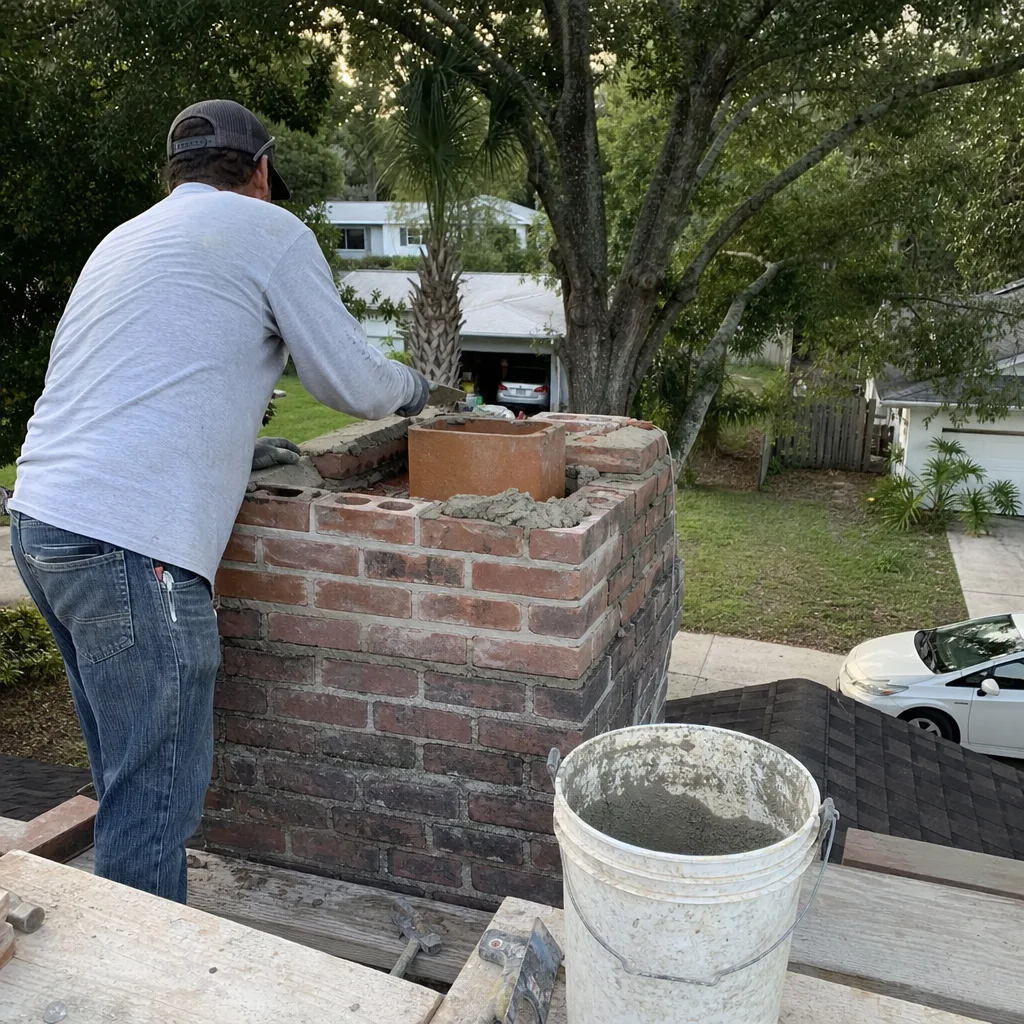
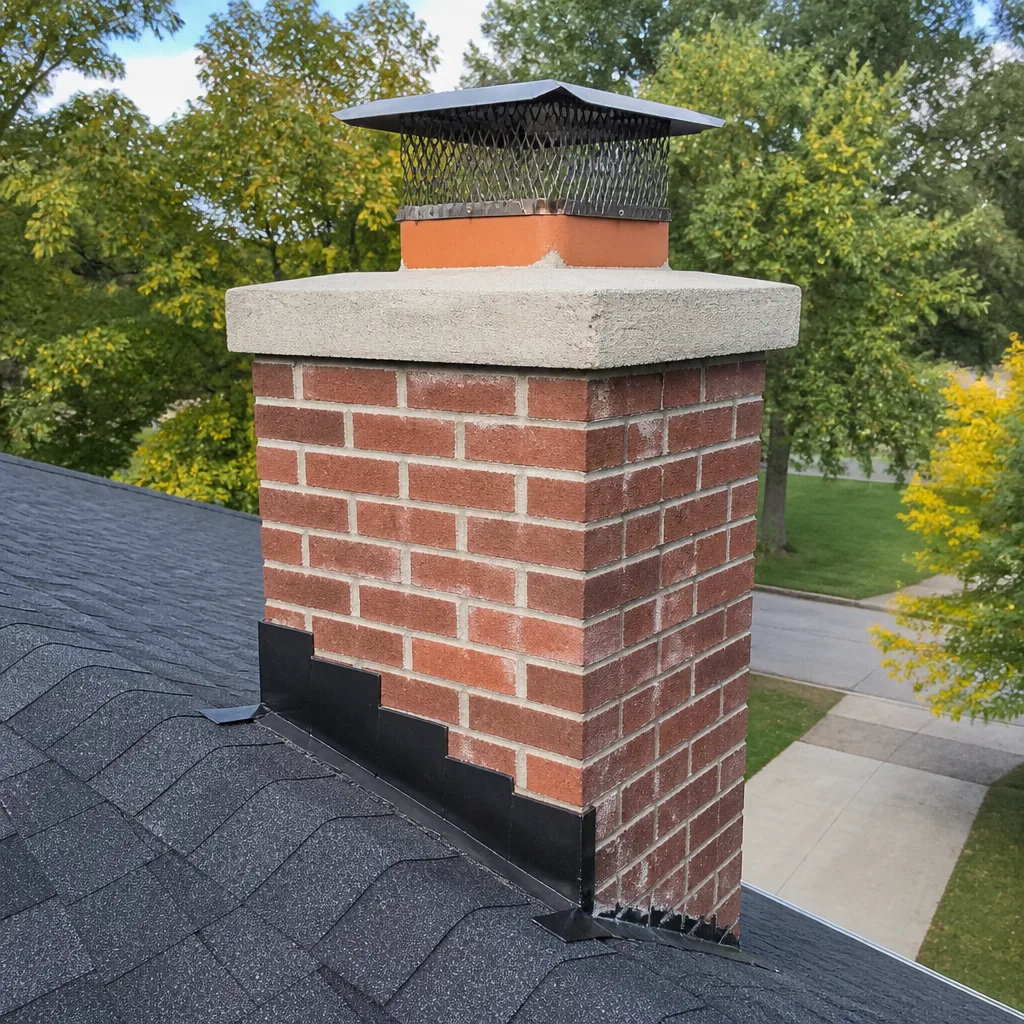 Masonry repair
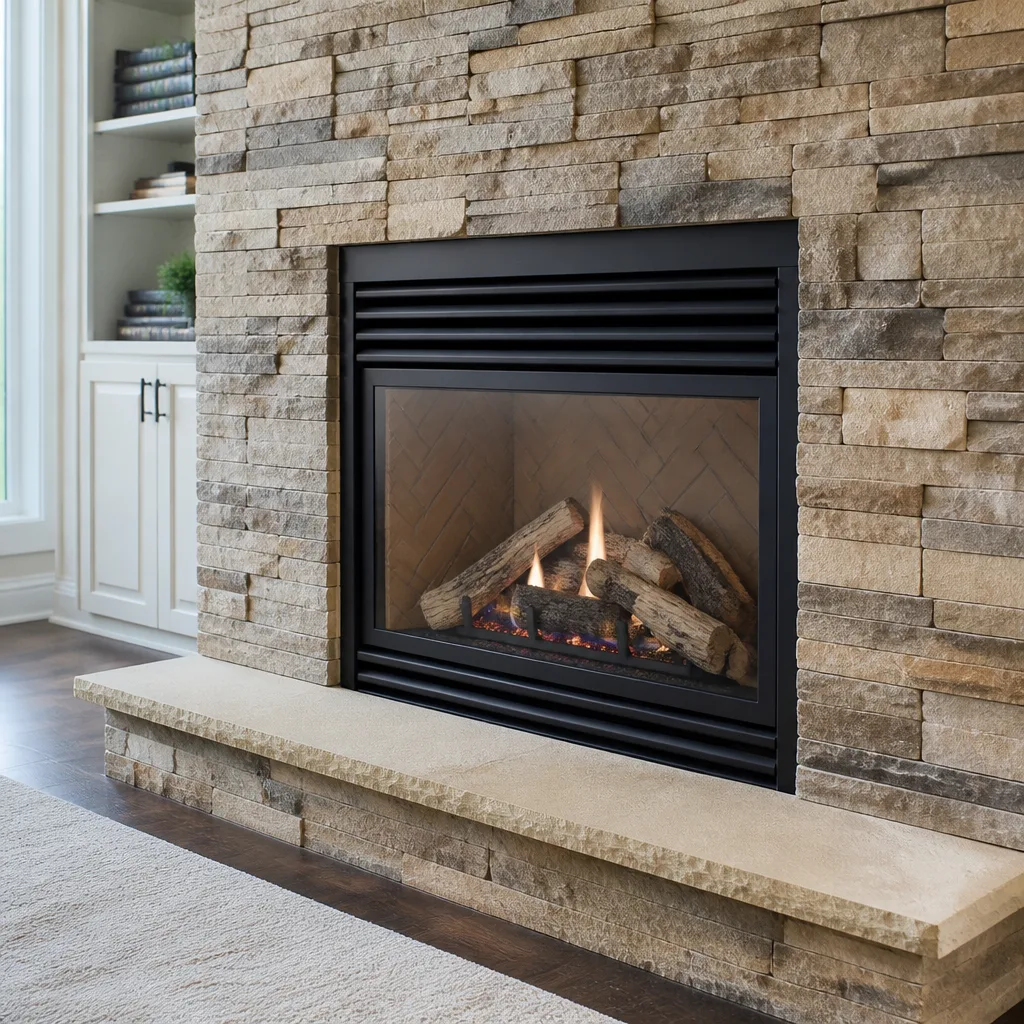 Gas fireplace service
Level 1 sweep and inspection to the NFPA 211 annual standard - flue, crown, cap, and flashing checked and photographed
Chimney sweep logs do not sweep chimneys. They loosen some creosote - which then falls where a brush and vacuum still have to collect it.
Chimney Cleaning Cost Breakdown: The Riverview Homeowner’s Reference for 2026
Two quotes for a chimney cleaning in Riverview can land hundreds of dollars apart and both be honest. That’s the part that trips people up. The cheaper one is usually a hand-brush sweep with a flashlight look up the flue. The more expensive one is a rotary clean with a camera inspection and a written report of what the technician actually found. Neither contractor tends to spell out the difference upfront, so homeowners end up comparing a cleaning to a full-system service and assuming someone is padding the bill. This guide breaks a chimney cleaning down line by line for 2026, shows you what each scope of work really includes, and gives you the ranges we see in the Riverview market so you can compare quotes at the same level of specification.
Quick Answer
A basic chimney sweep in Riverview typically runs $150 to $250, a full-system clean with camera inspection and written report runs $250 to $400, and a Level II inspection add-on is usually $150 to $250 on its own. Dryer vent cleaning alongside the sweep generally adds $100 to $175. The written estimate sets the final price for your specific chimney, and estimates are free.
Styles & brands we work with
- Sweep & inspection
- Caps & crowns
- Flue relining
- Masonry repair
- Gas fireplace service
Table of Contents
- What’s Actually in a Chimney Cleaning?
- Chimney Cleaning Cost Ranges in Riverview for 2026
- How Chimney Type Changes the Method and the Price
- Inspection Levels and What Each One Covers
- The Dryer Vent Combo: A Second Fire Hazard in the Same House
- Necessary Follow-On Work vs. Upsell Pressure
- How Often to Clean in Riverview’s Climate
- Total Cost of Ownership: Why Maintenance Beats Repair
What’s Actually in a Chimney Cleaning?
A chimney cleaning is not one procedure. It’s a scope of work, and the scope is what you’re paying for. The gap between a $79 sweep and a $299 sweep usually comes down to three things: the equipment used, the access points worked, and the documentation you walk away with.
A basic sweep generally means a technician runs a hand brush through the flue from the top or the firebox, knocks down loose soot and creosote, vacuums the firebox, and takes a quick visual look. No camera. No written report. It’s a legitimate service for a lightly used chimney that’s been maintained on schedule.
A full-system clean is a different job. Here’s what it typically involves:
- Rotary cleaning equipment. A powered rotary whip or brush set that scrubs the flue walls at speed, which removes glazed creosote that a hand brush skips over.
- Multiple access points. Firebox, damper, smoke chamber, and flue top. The smoke chamber in particular is where a lot of creosote hides and where hand-brush-only work tends to leave buildup behind.
- Camera inspection. A flue camera run the length of the chimney to look for cracks, gaps in the liner, offset damage, and joint separation you cannot see from the firebox.
- A written report. Findings documented with photos so you have something to compare against next season and something to hand a future buyer.
- Debris containment. Drop cloths and a running HEPA vacuum so the house doesn’t end up dusted in soot.
That’s the real fork in the road. When you call for a chimney sweep in Riverview, ask which of those two scopes the quote covers before you compare it to anything else. A $79 quote and a $299 quote are only comparable if they’re describing the same work.
Chimney Cleaning Cost Ranges in Riverview for 2026
Here are the typical estimated ranges for chimney services in the Riverview market in 2026. These are general market ranges, not a quote, and the written estimate is what sets your final price.
- Basic sweep (hand brush, visual check, no report): $150 to $250
- Full-system clean (rotary equipment, camera inspection, written report): $250 to $400
- Level II inspection add-on: $150 to $250
- Camera inspection with liner assessment (inspected only, no clean): $125 to $200
- Dryer vent cleaning as a combo with the chimney: $100 to $175
- Dryer vent cleaning as a standalone visit: $125 to $225
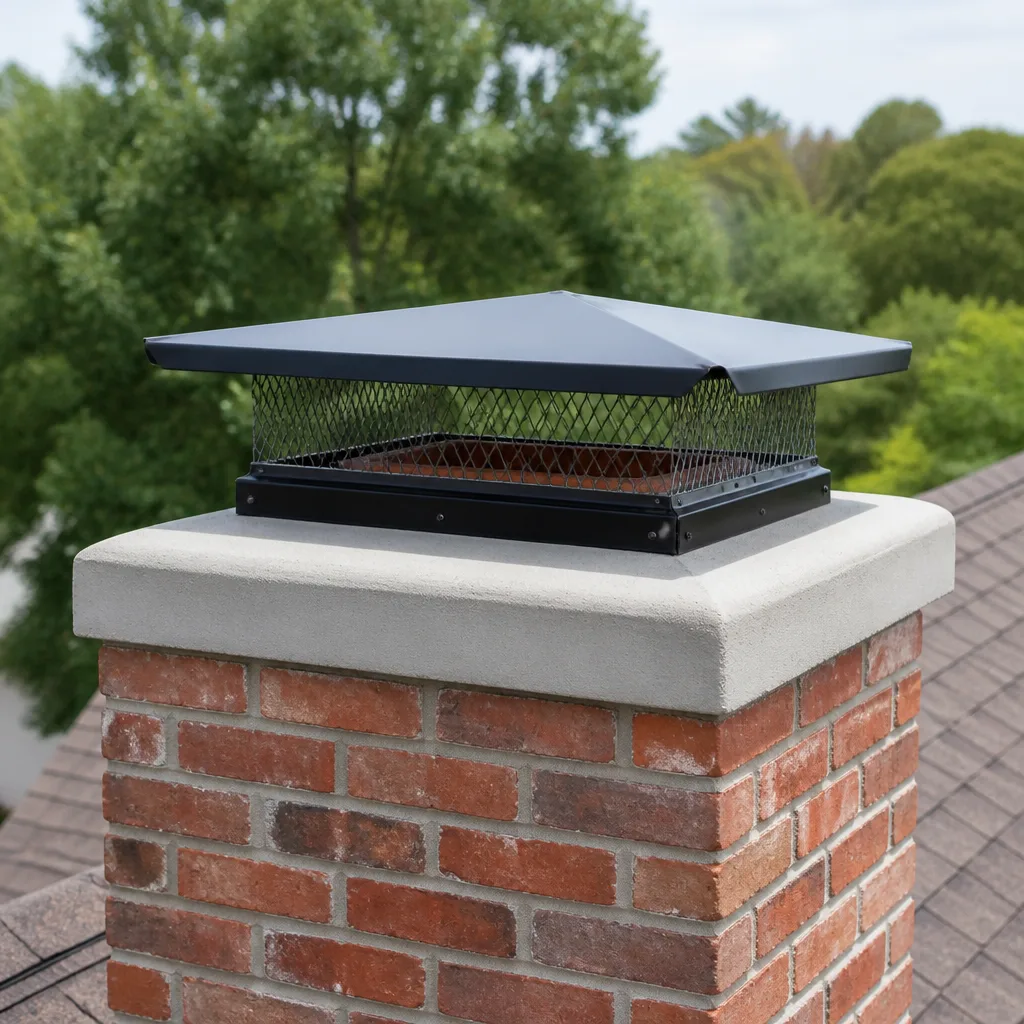
- Chimney cap replacement (Gelco or Famco build-for-purpose cap): $175 to $400, depending on size and fit
- Minor masonry or crown repair: $250 to $700
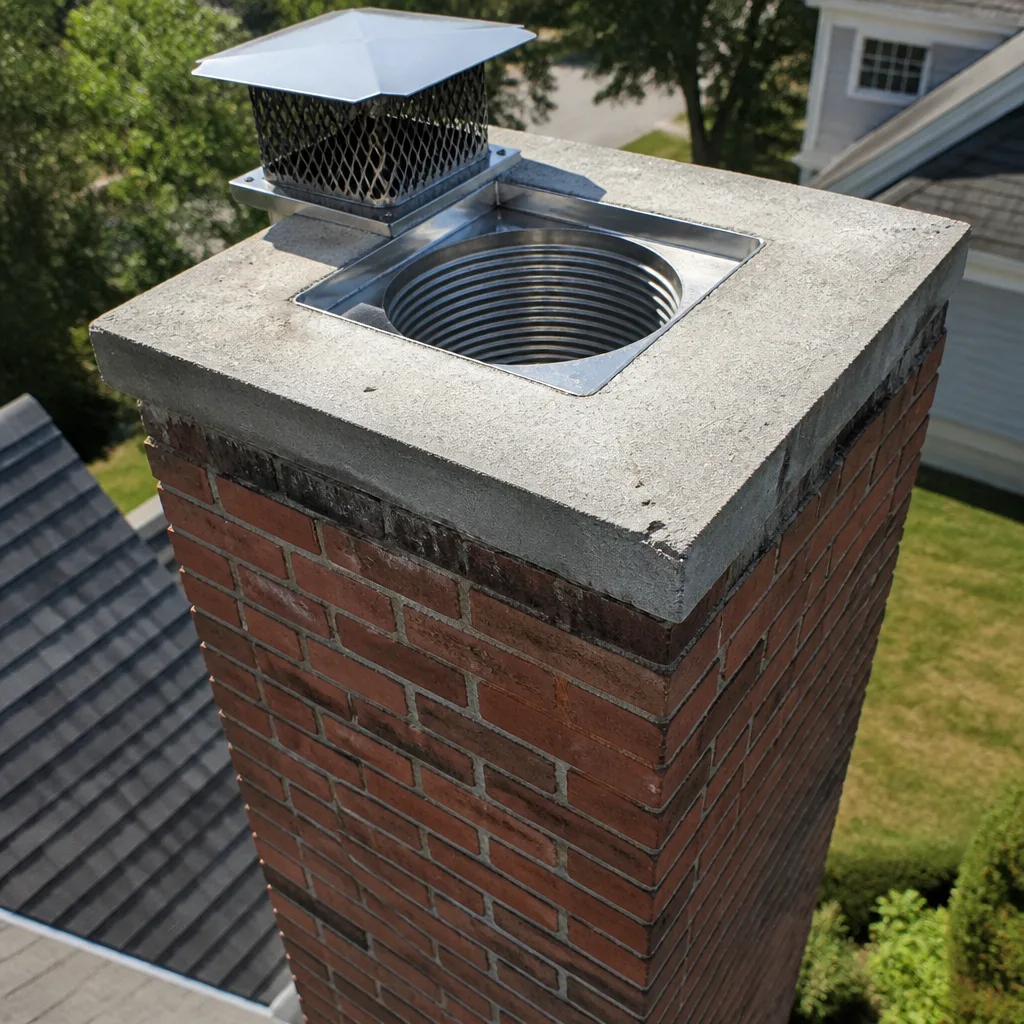
- Flue relining with a DuraFlex liner system: $1,800 to $4,500, varying by flue height, diameter, and whether the flue has offsets
- HeatShield flue resurfacing: quoted per job after camera inspection, since the material and prep depend on the condition of the flue
Why the wide variance on the bigger items? Liner work in particular is not a product you buy off a shelf. A straight flue takes less labor than one with offsets, and a flexible DuraFlex liner adapts to a flue with bends in a way rigid liner can’t. That technical capability is often the difference between a liner quote that works and one that has to be torn out. When a repair quote comes in, ask what product is being specified, not just what it costs. Contractor-grade components from lines like HeatShield, Olympia Chimney, Gelco, and Famco cost a little more at the front end and hold up longer. That’s the trade.
How Chimney Type Changes the Method and the Price
The type of chimney you have determines how it gets cleaned and what a fair price looks like. Three common configurations in Riverview homes behave very differently.
Wood-Burning Masonry Chimney
This is the classic case and the one most people picture. A masonry flue made of clay tile liners takes a rotary clean, and it’s the configuration where creosote buildup matters most. Wood smoke deposits creosote on the flue walls, and glazed creosote – the hard, shiny, tar-like stage – is the one that fuels chimney fires. A basic hand-brush sweep will knock down soot but tends to skate over glazed deposits. That’s why a full-system clean with rotary equipment matters on a wood-burning chimney, and it’s part of why the price sits higher than a light maintenance sweep.
Gas Fireplace or Gas Appliance Vent
Gas appliances don’t produce creosote the way wood does, but they do produce moisture and, if the venting isn’t drafting correctly, they can introduce carbon monoxide into the home. A gas flue still needs inspection. The cleaning is often lighter, but the inspection component is not optional. If you have a gas water heater or furnace venting through a chimney, an annual check is worth having on the calendar for that reason alone. Carbon monoxide is a genuine hazard and a camera inspection is how you catch a venting problem before it becomes one.
Prefabricated Insert or Factory-Built Fireplace
A wood-burning insert or factory-built unit has a stainless liner that needs its own inspection rhythm. Inserts sit inside an existing firebox and can hide the condition of the flue behind them. Cleaning one properly means removing or working around the insert, cleaning the liner, and inspecting the connection point. Expect a full-system clean to be the minimum here, and if the liner is compromised, replacement with a DuraFlex liner system is the repair. A rigid liner won’t make the bends in a lot of insert installations. The flexible system will.
Whatever you have, the technician should be able to tell you the chimney type, the liner material, and the condition before quoting anything. If they can’t, the quote is a guess.
Inspection Levels and What Each One Covers
Chimney inspections come in levels, and knowing the difference keeps you from paying for the wrong one – or skipping the right one. Here’s how to think about them.
- Level I inspection. A visual check of readily accessible portions of the chimney, firebox, damper, and flue from the firebox and from the top. No camera. This is appropriate for a chimney that’s been serviced regularly with no changes to the system and no performance issues. It’s often bundled into a basic sweep.
- Level II inspection. Adds a camera run through the flue, a check of accessible attic and crawl spaces, and documentation with photos. This is the inspection to get after a chimney fire, after any change to the appliance or fuel type, or when you’re buying or selling a home. It’s also the one to request if your chimney has never been inspected and you don’t know its history.
- Level III inspection. Involves opening up parts of the chimney structure to access concealed areas. This is rare and only happens when a serious defect is suspected and the only way to confirm it is to get behind the masonry. Expect a far higher cost and a much bigger project.
For most Riverview homeowners with an active fireplace, a full-system clean with a Level II inspection is the right annual rhythm. You get the cleaning and the camera evidence in one visit. If you’re buying a home in Riverview, a Level II inspection before closing is worth the $150 to $250 add-on. It’s the cheapest way to find out whether the liner is sound before the repair becomes yours.
The Dryer Vent Combo: A Second Fire Hazard in the Same House
Most homeowners think about the chimney as the household fire hazard. A clogged dryer vent sits on the same risk list. Lint accumulates in the duct, reduces airflow, and can ignite. A dryer that takes two cycles to dry a normal load is a signal worth paying attention to. So is a vent that terminates somewhere awkward or runs long through the wall.
Because we handle both, a dryer vent cleaning can be done in the same visit as the chimney sweep, which is why the combo price ($100 to $175) sits below the standalone price ($125 to $225). It’s the same technician, the same visit, the same fire-safety conversation.
What a proper dryer vent cleaning involves:
- Disconnecting the dryer and inspecting the duct run from both ends
- Brushing and vacuuming the full length of the duct, not just the first few feet
- Checking the exterior termination for a functioning damper and no bird nests or lint blockages
- Confirming the transition duct isn’t crimped, crushed, or the wrong material (vinyl flex is a common problem)
- Reconnecting and confirming airflow at the dryer
If your dryer duct runs through an exterior wall into a hidden chase, the technician should tell you how the run is accessed and what condition they found. Same principle as the chimney: we tell you what we found, with photos.
Necessary Follow-On Work vs. Upsell Pressure
This is the question homeowners quietly ask themselves during every service call: is this repair real, or am I being sold something? It’s a fair question, and the answer is usually in the evidence. Here’s how to tell the difference while the technician is still at the house.
Signs a recommendation is legitimate
- They show you the camera footage. Cracks in a liner, gaps at a joint, and glazed creosote are all visible on camera. If they can’t or won’t show you what they’re describing, press them on it.
- They name the specific product and why. A liner replacement should come with a specific product name – DuraFlex for a flexible stainless liner that adapts to offset flues, or HeatShield resurfacing for a flue that has deteriorated but is structurally sound enough to restore rather than reline. Specific product language is a specialist’s signal. “You need a new liner” with no detail is a red flag.
- They tell you what can wait. A crown with a hairline crack that isn’t allowing water in can wait a season. A small amount of rust on a cap can wait. A technician who flags urgent, moderate, and monitor categories is being straight with you.
- The written estimate itemizes the work. Materials, labor, and scope per line item. Not a single lump sum.
Signs of upsell pressure
- Repairs offered with no inspection. If a technician quotes a liner replacement before running a camera, that’s not a diagnosis.
- Pressure to decide today. Scheduling convenience is fine; a same-day discount expiring in an hour is pressure. Legitimate repairs will still be legitimate tomorrow.
- A scope that grows on the day. Minor additional cleaning is one thing. A repair quote that materializes mid-clean without camera evidence is another.
- No documentation. No photos, no written report, no itemized estimate.
We handle repairs because repairs come up, not because we’re looking for them. Camera inspection and a photo report come with the visit so you have the evidence to check for yourself. And if the answer is “this can wait,” we say so.
How Often to Clean in Riverview’s Climate
Riverview’s mild winters mean your chimney doesn’t run the way a chimney in a cold climate does. It runs seasonally and less intensively. But “less intensively” doesn’t mean you can skip it. Creosote still forms. It builds per burn, not per calendar year, so the cleaning schedule depends on how much you actually burn and what you burn.
Here’s a reasonable framework:
- Annually if you burn regularly during the cooler months in Riverview, even if the burn season is short. An annual full-system clean with a Level II inspection catches liner wear before it becomes a replacement.
- Every two years if the fireplace is used lightly – a handful of fires per season – and the chimney is a known good condition with a documented inspection history.
- Every year, no exceptions, if you’ve had a chimney fire. Even a small one. A Level II inspection after any chimney fire is standard.
- Yearly for gas venting, regardless of how the fireplace is used. Carbon monoxide risk doesn’t follow a burn schedule.
- Dryer vent every one to two years, and every year if your household is large or you run multiple loads a day.
The mild climate also matters for how moisture and humidity interact with a masonry chimney in Riverview. Rain that enters through an uncapped or damaged flue can accelerate deterioration of the liner mortar over time. That’s part of why a proper Gelco or Famco chimney cap pays for itself: it keeps rain, debris, and small animals out of the flue and off the masonry. The cap is a cheap component compared to a liner replacement it helps prevent.
Total Cost of Ownership: Why Maintenance Beats Repair
Here’s how the math actually works out over time. A homeowner who cleans the chimney on schedule spends $250 to $400 a year on a full-system clean with inspection. A homeowner who skips cycles tends to discover the consequences at the repair level, and those are the numbers that hurt.
- A liner replacement with a DuraFlex system runs $1,800 to $4,500. This is often triggered by damage that an annual inspection would have caught at a stage where HeatShield resurfacing (a cheaper repair) was still an option.
- Crown or masonry repair runs $250 to $700. Small cracks that get caught early stay small. Water intrusion that gets in for a season or two starts compounding.
- A chimney fire is not a budget line item. Beyond the damage to the flue, there’s the possibility of smoke and water damage to the home. A cleaning is the cheapest insurance policy against the most expensive version of the same problem.
Ten years of annual cleaning lands somewhere around $2,500 to $4,000. One liner replacement is often in that same range. One chimney fire is more. Serving Riverview properly means telling you this plainly and letting you decide the schedule. The right cleaning frequency is the cheapest repair strategy there is.
Common Mistakes to Avoid
- Comparing quotes without comparing scope. A $79 quote and a $299 quote are usually describing different work. Ask what equipment is used, whether camera inspection is included, and whether you get a written report before you decide which is the better deal.
- Skipping the camera inspection. A visual check from the firebox can’t see the inside of the flue or the smoke chamber. The camera is how a defect gets caught at the repair stage instead of the replace-the-liner stage.
- Waiting for a performance problem. Chimney problems rarely announce themselves. By the time you have smoke backing up into the room or a draft that’s gone wrong, the issue is usually past the cleaning stage.
- Ignoring the dryer vent. The chimney gets the attention because it’s visible. The dryer vent runs inside a wall. Both are fire hazards, and both need the cleaning cycle.
- Assuming a chimney cap is optional. An uncapped flue in Riverview collects rain, leaves, and wildlife. A Gelco or Famco cap is a cheap component that protects the liner and the masonry. Skipping it costs more downstream.
- Letting a repair quote stand without evidence. If a technician recommends a liner replacement, ask to see the camera footage and the itemized written estimate. Any reputable specialist will show you without hesitation.
- Treating a gas fireplace as maintenance-free. No creosote doesn’t mean no risk. Gas venting needs an annual check for the carbon monoxide side of the safety picture.
See the difference
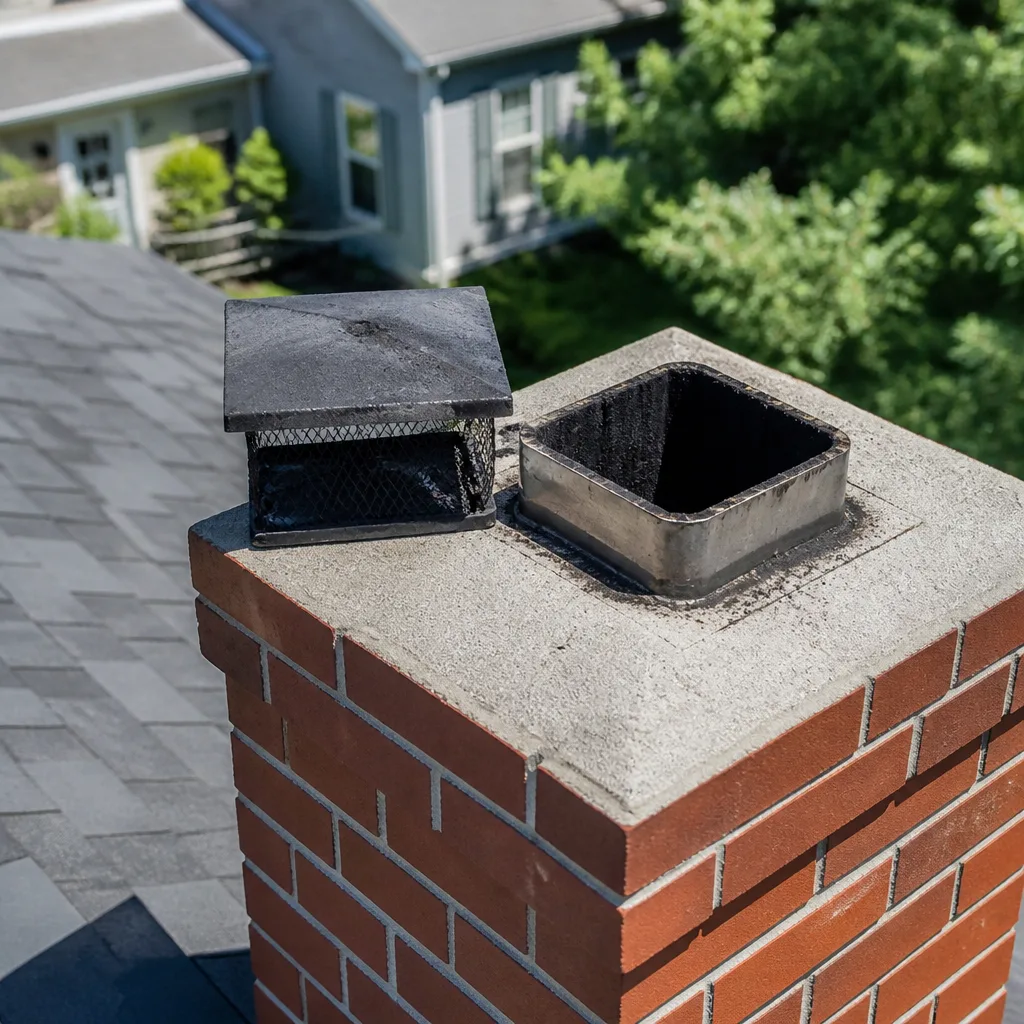
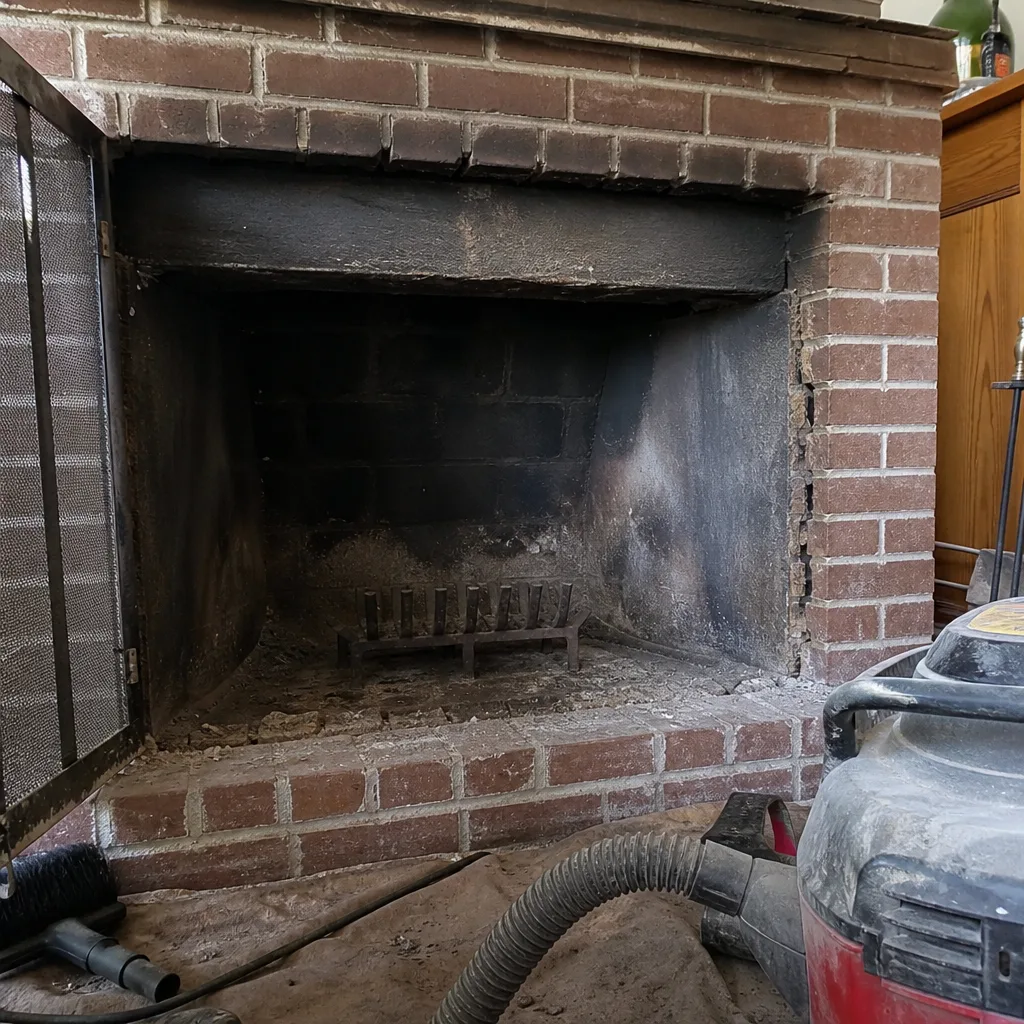 Before
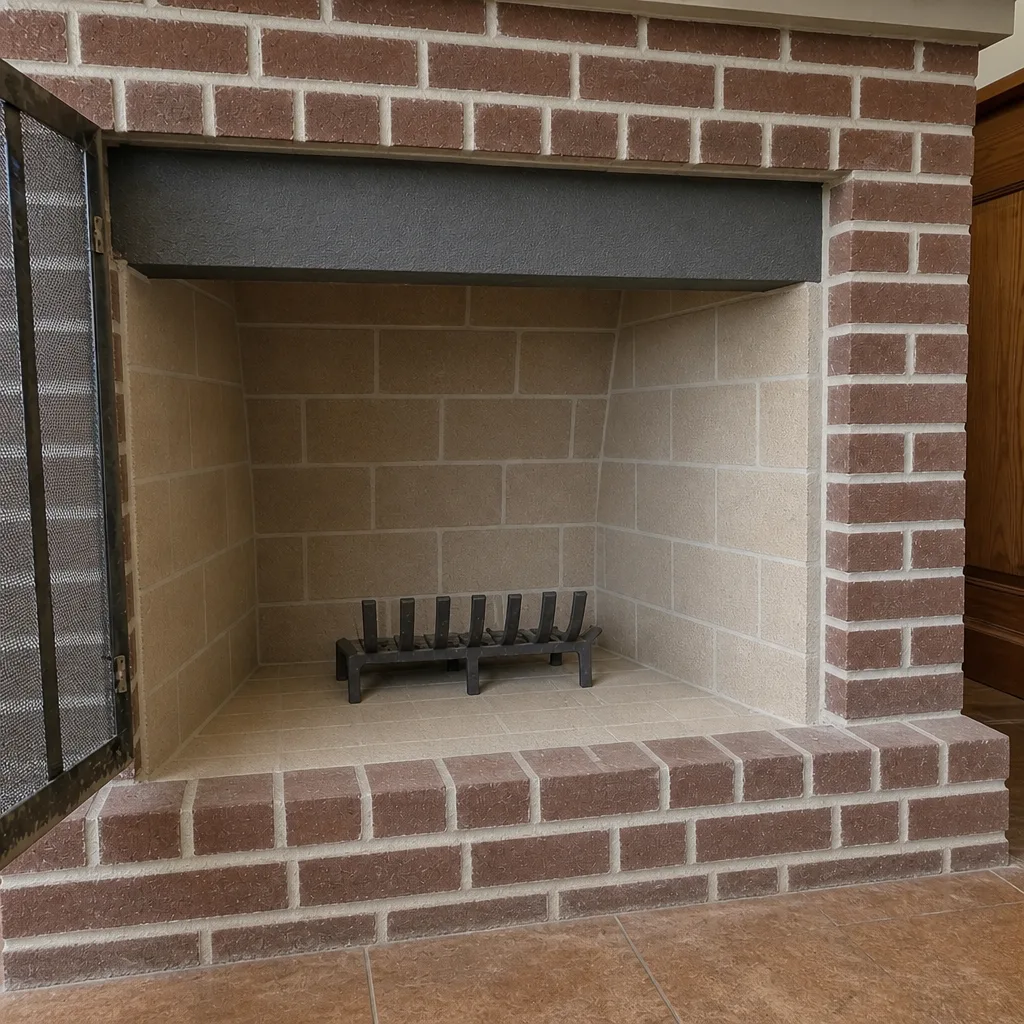 After
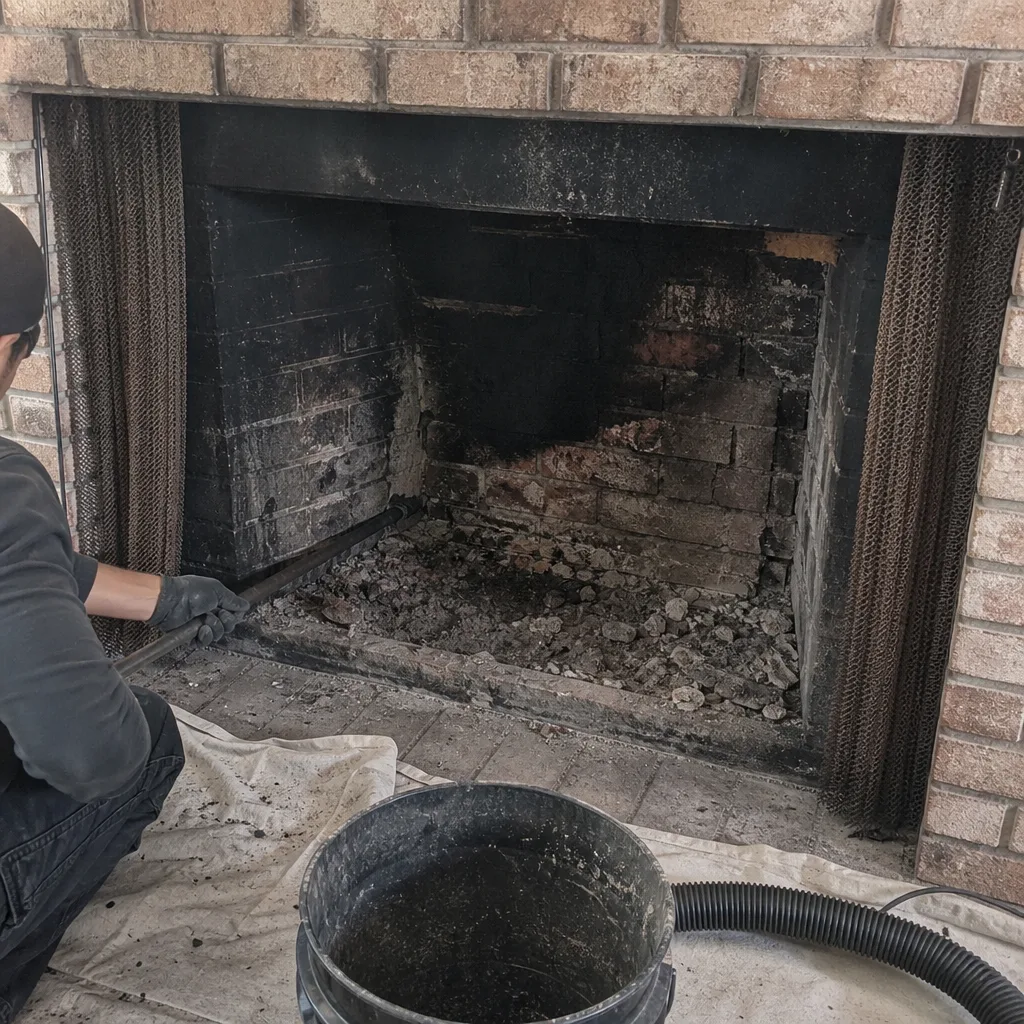 Before
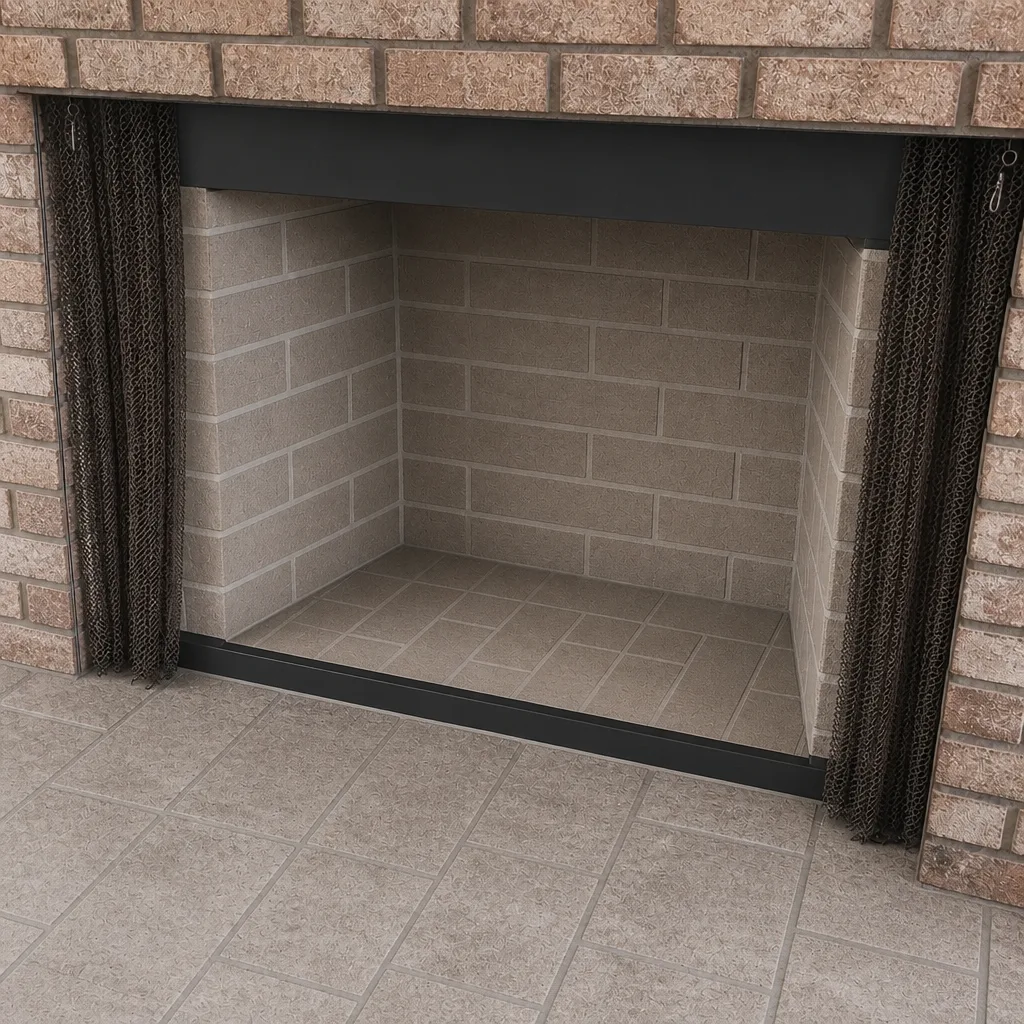 After
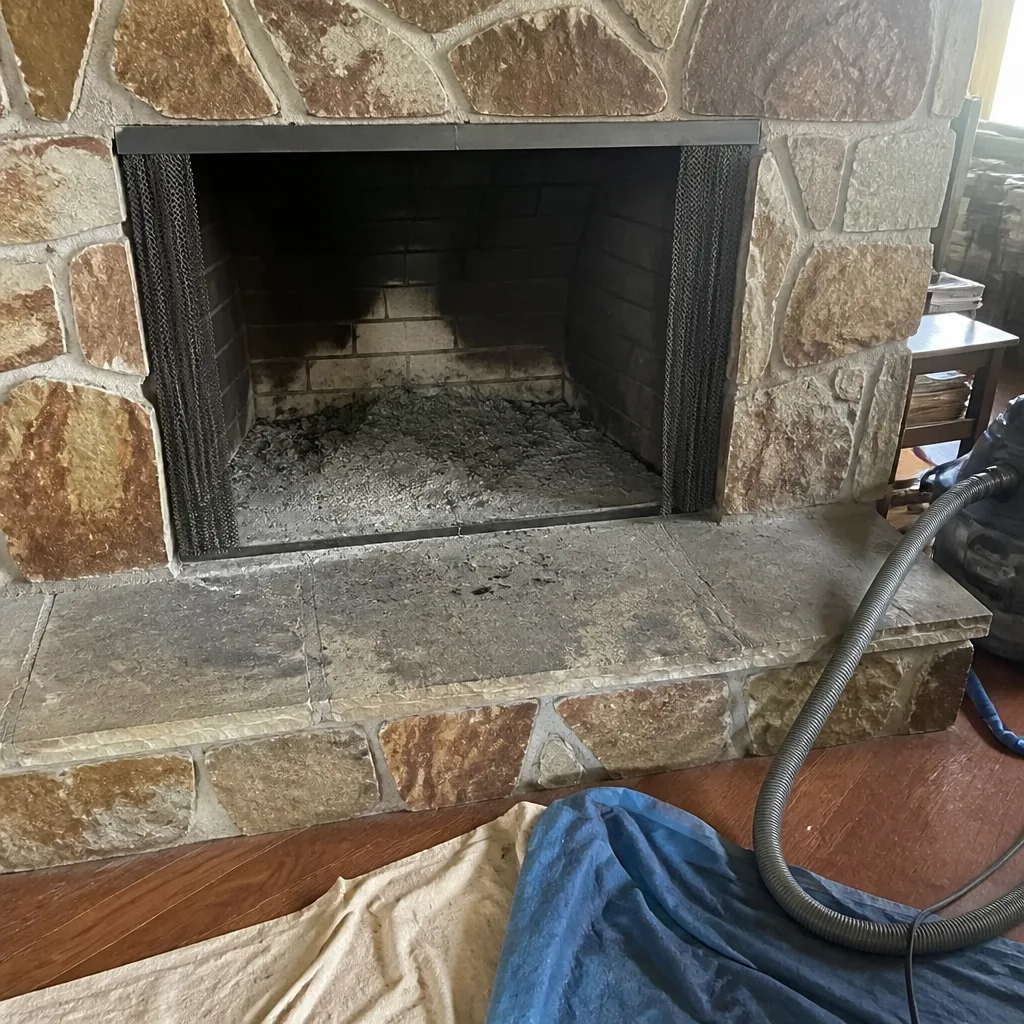 Before
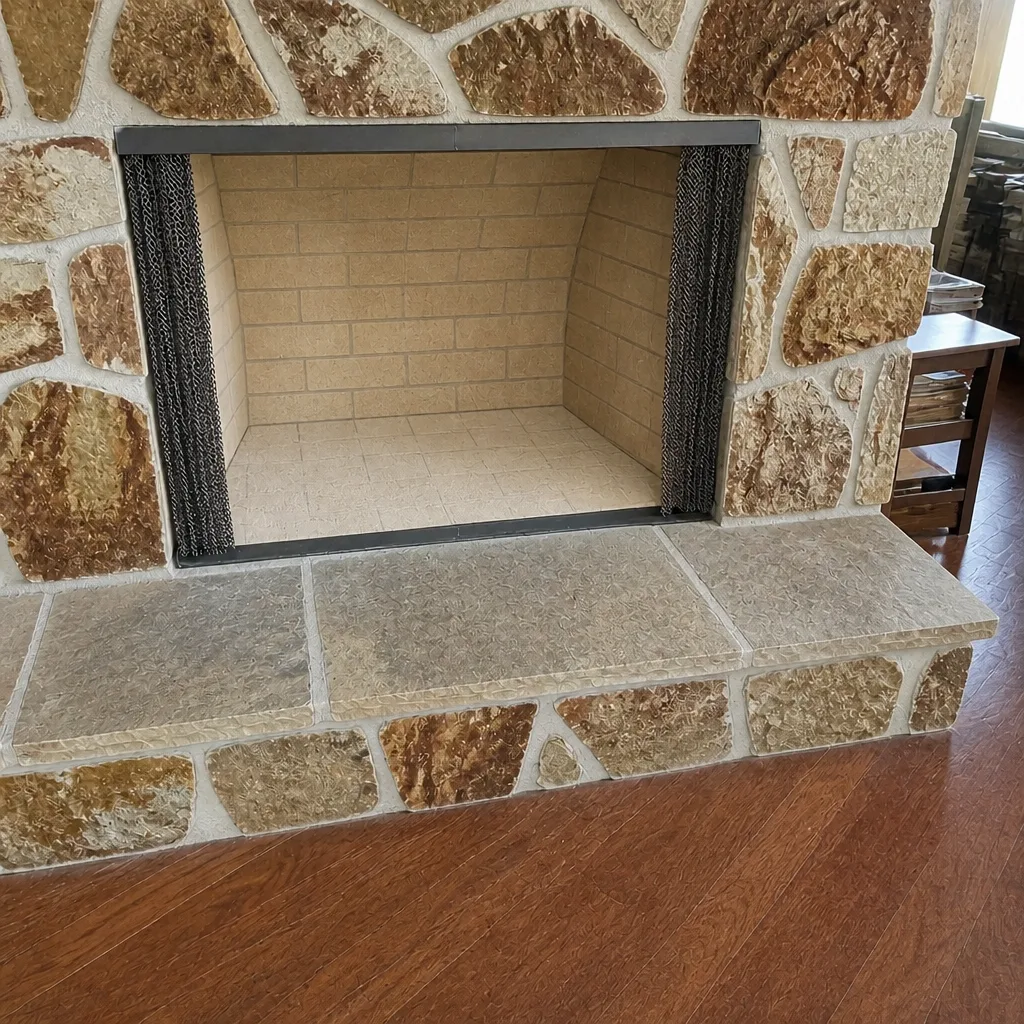 After
When to Call a Professional
Some situations warrant a call right away, and some can go on the annual calendar. Call a professional if you smell a strong creosote odor outside the burn season, if smoke backs into the room when the fireplace is running, if you’ve had a chimney fire even a small one, if your carbon monoxide detector has alarmed, or if you’ve just bought a home and don’t know the chimney’s history. Also call if your dryer takes two cycles to dry a normal load, or if the exterior dryer vent flap isn’t opening fully.
For routine maintenance, the right time to book in Riverview is before the burn season starts, not after. Chimney Sweep Riverview offers free estimates in Riverview. Call (844) 834-1749. We answer 24/7. Fast dispatch from 7am to 7pm, Sunday through Friday.
Frequently Asked Questions
A basic chimney sweep in Riverview typically costs $150 to $250, and a full-system clean with camera inspection and written report runs $250 to $400. The written estimate sets your final price. Call (844) 834-1749 for an exact quote – estimates are free.
Only if the camera shows the liner is compromised, and you should be shown that footage before you decide. A liner with cracks or joint separation that allows heat or gases to reach the chimney structure is a genuine safety issue. A liner with minor surface wear may be addressable with HeatShield resurfacing instead of replacement. Call (844) 834-1749 and we’ll inspect with a camera and show you what we find – estimates are free.
Once a year if you burn regularly, every two years if you burn lightly and the chimney has a documented inspection history, and immediately after any chimney fire. Gas venting should be checked yearly. Call (844) 834-1749 to get on a cleaning schedule – estimates are free.
Creosote accumulates on the flue walls, and at the glazed stage it can fuel a chimney fire. Skipped cycles also let small liner defects and crown cracks develop into repairs that cost far more than the cleaning would have. Call (844) 834-1749 for a free estimate and we’ll tell you what shape your chimney is in – estimates are free.
Yes. We offer chimney sweeping, dryer vent cleaning, and chimney repair, so a single visit can cover the sweep and the dryer vent together. The combo pricing ($100 to $175 for the dryer vent when bundled with the sweep) reflects the shared visit. Call (844) 834-1749 for a free estimate.
Gas venting needs an annual inspection even though there’s no creosote to sweep. The concern with gas is carbon monoxide and correct drafting, not soot. A camera inspection confirms the vent is sound. Call (844) 834-1749 and we’ll check the venting – estimates are free.
The Bottom Line
Chimney cleaning pricing in Riverview varies widely because quotes often cover different scopes of work, not because the market is inconsistent. The three questions that matter when you compare: what equipment is used, is a camera inspection included, and do you get a written report? For most homeowners with an active fireplace, a full-system clean with a Level II inspection at $250 to $400 a year is the right investment. Riverview’s mild climate doesn’t reduce the need for that annual cycle – it just changes the intensity. Get a dryer vent cleaning on the same visit, keep the cap in good shape with a build-for-purpose Gelco or Famco component, and treat a DuraFlex liner or HeatShield resurfacing as the repair to specify when a repair is needed. The right Riverview chimney service tells you what it found, shows you the camera evidence, and tells you when work can wait. That’s what an annual visit is for.
Ready to get your chimney on a schedule? Start at Chimney Sweep Riverview and call (844) 834-1749 for a free estimate. We answer 24/7. Fast dispatch from 7am to 7pm, Sunday through Friday. Camera inspection and photo report included, and we tell you what we found before we recommend anything.
Written by the team at Chimney Sweep Riverview.