
Last updated November 15, 2026
 Sweep & inspection
 Caps & crowns
 Flue relining
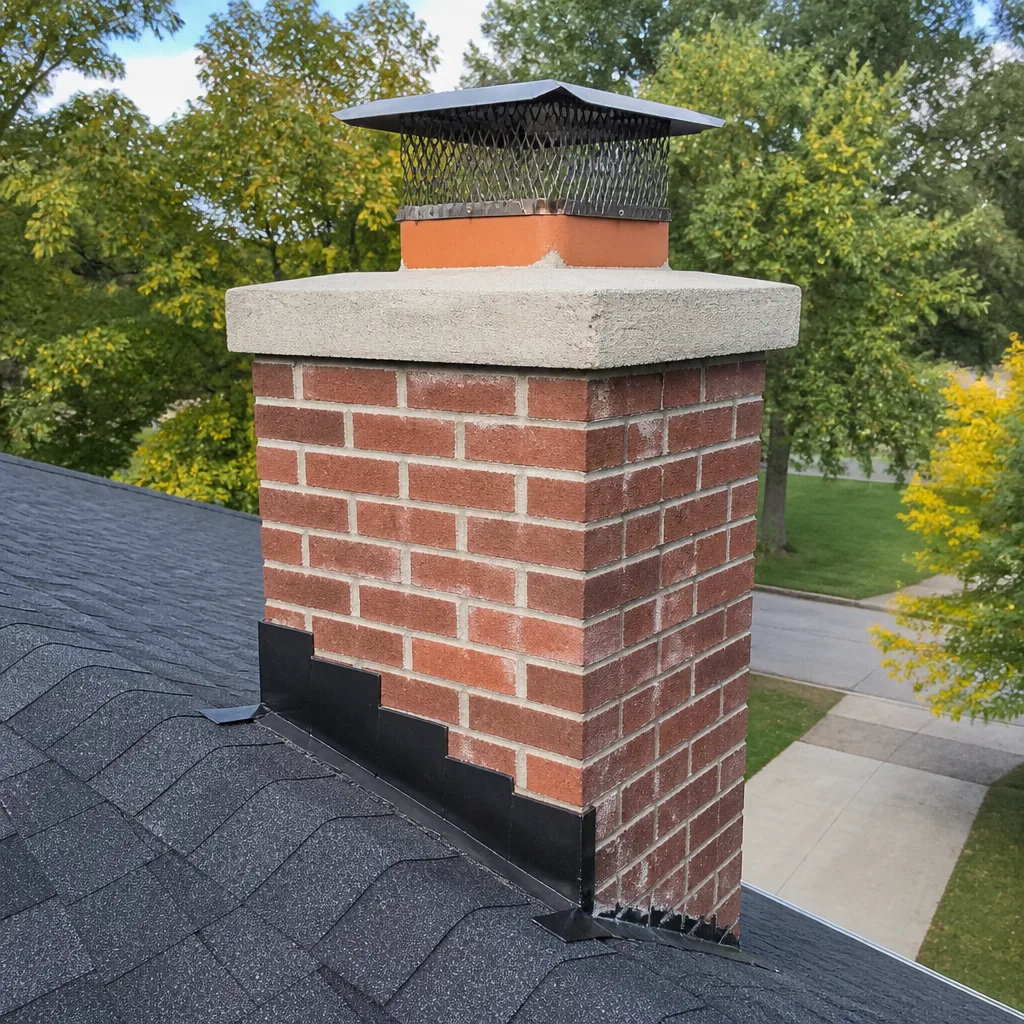 Masonry repair
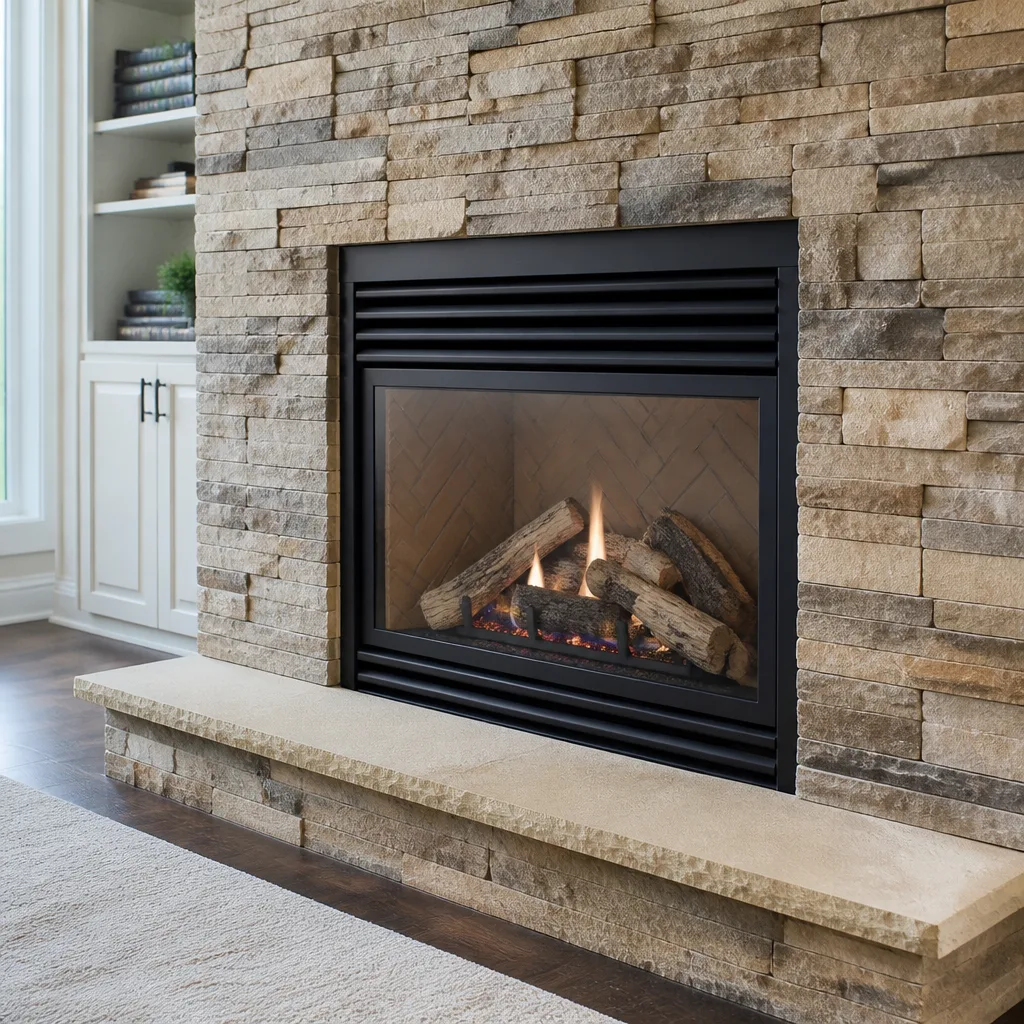 Gas fireplace service
Level 1 sweep and inspection to the NFPA 211 annual standard - flue, crown, cap, and flashing checked and photographed
Chimney sweep logs do not sweep chimneys. They loosen some creosote - which then falls where a brush and vacuum still have to collect it.
Chimney Cleaning Permits, Codes & Inspections in Riverview, FL: What You Need to Know
A chimney cleaning appointment is permit-free. But if the technician finds a cracked liner and recommends relining, you’ve just crossed into permitted work, and skipping that step can void your homeowner’s insurance coverage for a chimney fire. That line between “cleaning” and “construction” is where most Riverview homeowners get caught off guard. In this guide we draw that line clearly: what the Florida Building Code says about chimney and venting systems, when Hillsborough County wants a permit, how NFPA 211 inspection levels connect to code compliance, and what paperwork to ask for so your insurer stays satisfied. If you’ve ever wondered whether your sweep’s recommendation needs a stamp of approval from the county, this is for you.
Quick Answer
Cleaning a chimney in Riverview does not require a permit. Repair work that alters the chimney structure, the flue liner, or the cap and venting system usually does, and it falls under the Florida Building Code and Hillsborough County permitting rules. A Level I inspection is part of routine cleaning; a Level II inspection, often with a camera, is what you want before any repair is quoted, and it’s the documentation your insurance carrier will ask for if a chimney fire claim ever comes up.
Styles & brands we work with
- Sweep & inspection
- Caps & crowns
- Flue relining
- Masonry repair
- Gas fireplace service
Table of Contents
- Does chimney cleaning need a permit in Riverview, FL?
- What chimney work actually requires a permit in Hillsborough County?
- What the Florida Building Code says about chimney and venting systems
- NFPA 211 inspection levels: Level I, II, and III explained
- Cleaning only vs. cleaning with repair: what it means for permits and insurance
- How to get documentation your insurance carrier will accept
- Why this matters in Riverview specifically
- Common mistakes to avoid
- When to call a professional
- Frequently asked questions
Does chimney cleaning need a permit in Riverview, FL?
No. Chimney cleaning, sometimes called sweeping, is maintenance, not construction. No permit is issued for it, no inspection is scheduled by the county, and no paperwork is filed with any agency when a technician brushes and vacuums a flue. That’s true in Riverview and it’s true statewide.
What cleaning does involve is a visual check. Any competent chimney sweep will run a Level I inspection alongside the cleaning, and that inspection is where the important information comes from. If the technician finds creosote buildup, a cracked flue tile, a deteriorated mortar crown, a missing cap, or a liner that’s been compromised, that’s when the conversation shifts from maintenance to repair.
Here’s the thing homeowners in Riverview should keep in mind: the moment the work moves from cleaning to altering the chimney system, you may have entered permit territory. Not always, and not for every minor item, but often enough that you want to ask the question before the work begins, not after. The county’s building department is the authority on whether a specific job needs a permit, and a reputable contractor will be able to tell you plainly which category their scope falls into.
It also helps to understand what a cleaning visit actually involves so you know what you’re buying. Schedule the inspection alongside the cleaning, ask for a written summary of findings, and keep that record. It’s the paper trail that protects you down the road.
What chimney work actually requires a permit in Hillsborough County?
Florida Building Code generally requires a permit for work that changes, replaces, or structurally repairs a chimney, flue, or venting system. Routine maintenance and cleaning are exempt. The gray zone is in the middle, so it helps to know the categories.
Work that typically requires a permit in Hillsborough County:
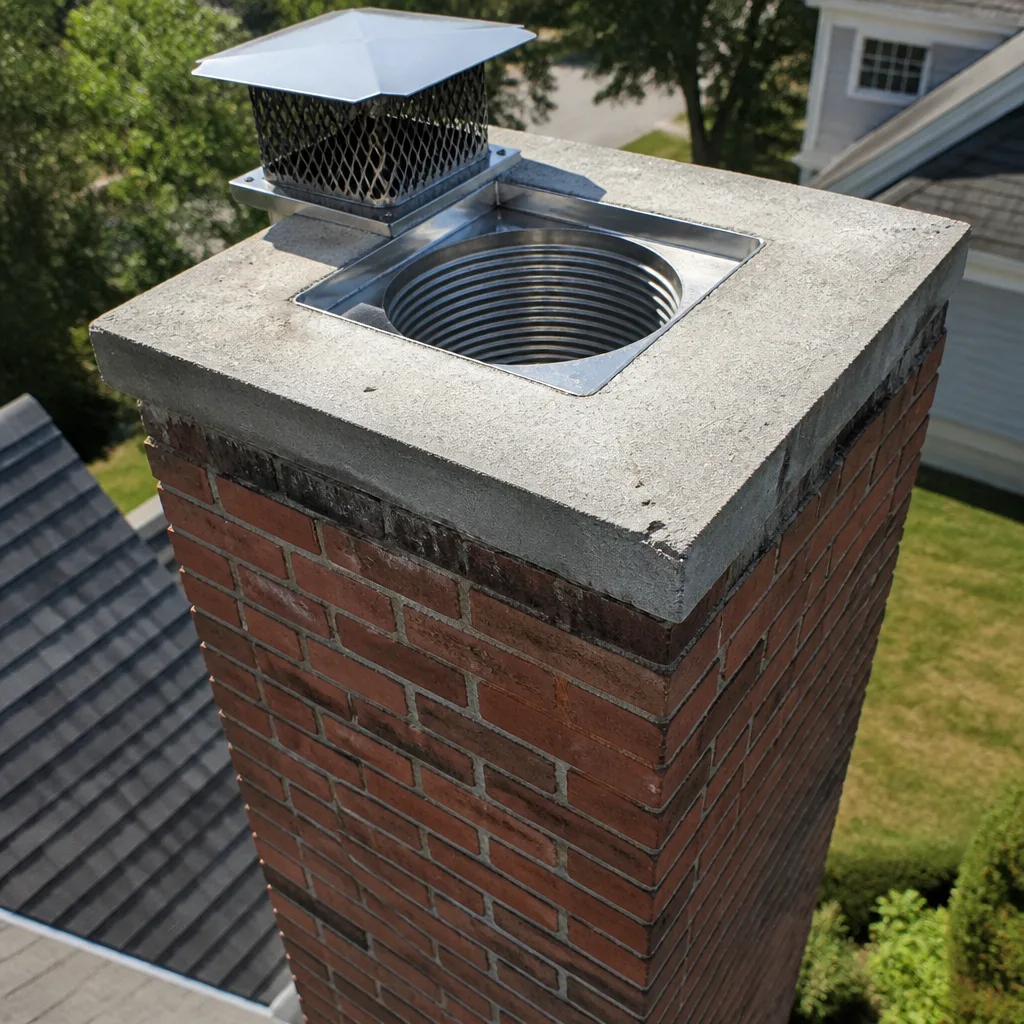
- Relining a flue, whether with a stainless liner or a cast-in-place resurfacing system
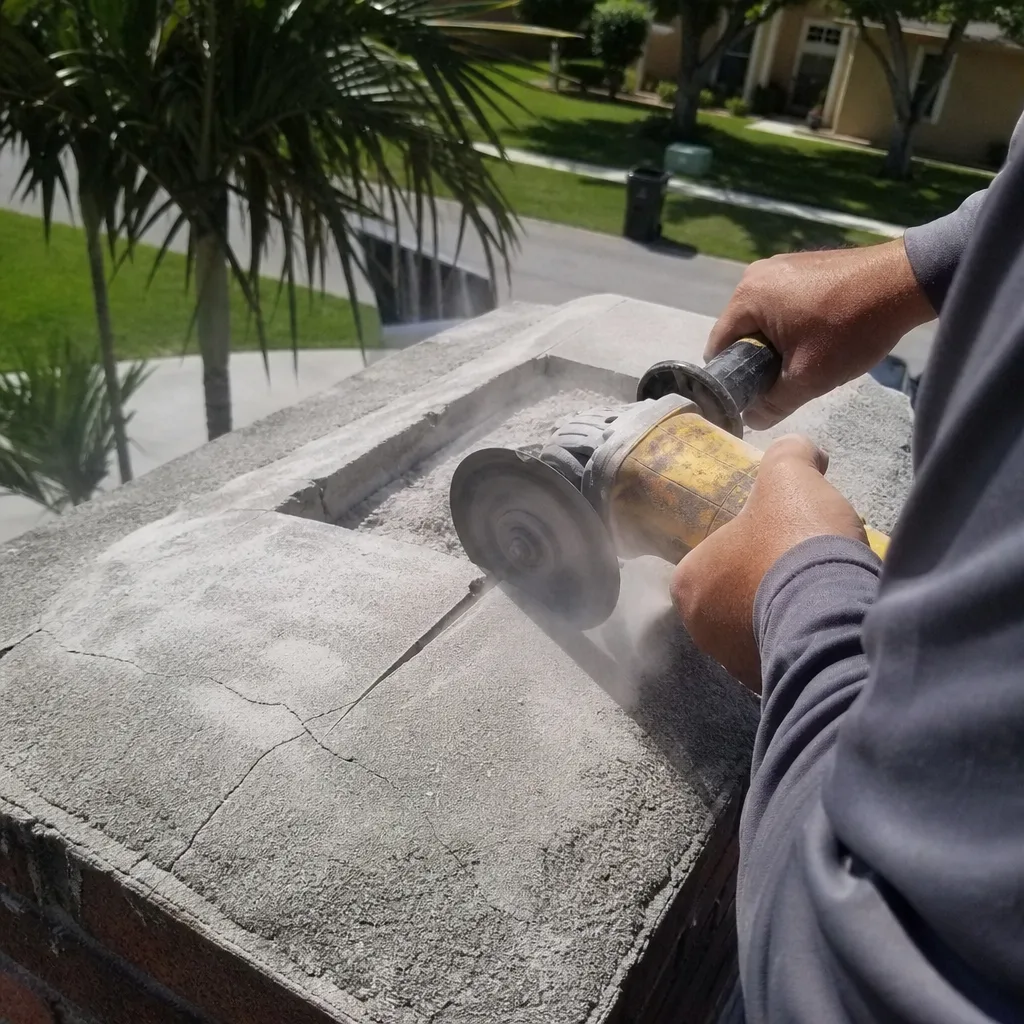
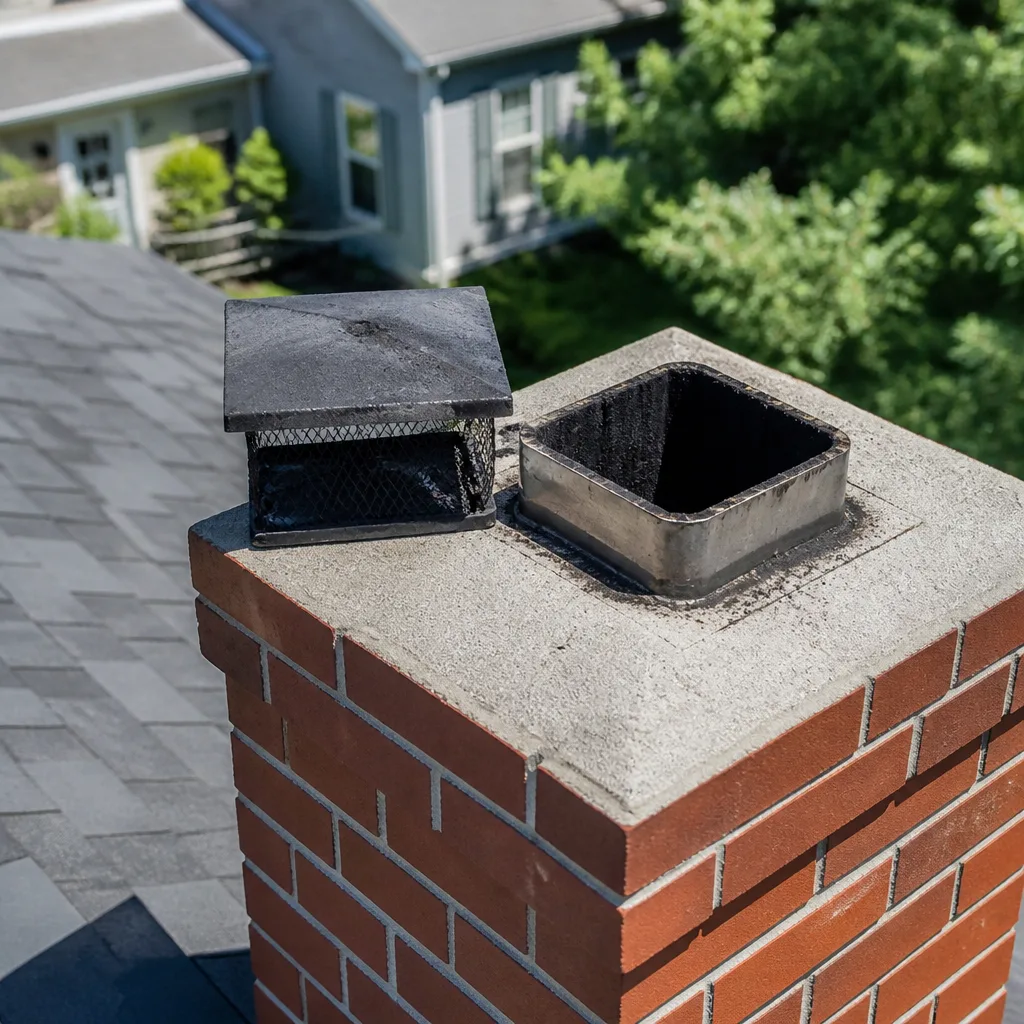
- Replacing a chimney cap or chase cover when the work involves structural attachment to the chimney
- Rebuilding or repairing the chimney crown, chase, or masonry above the roofline
- Removing or replacing a wood-burning appliance, insert, or its connection to the flue
- Adding or altering venting for a gas appliance, water heater, or furnace
- Converting a fireplace from wood to gas or vice versa
Work that generally does not require a permit:
- Routine sweeping and creosote removal
- Level I or Level II inspection and photo documentation
- Cleaning of the firebox interior
- Minor cosmetic repair that doesn’t change the chimney’s structure or venting
- Dryer vent cleaning
The safest move is a simple one: ask the contractor to tell you, in writing, whether the job requires a permit and who is pulling it. If the answer is “it doesn’t need one” for a full reline, get that in writing too. Then confirm with Hillsborough County’s building department yourself. It’s a short call, and it settles any ambiguity before work starts.
What the Florida Building Code says about chimney and venting systems
The Florida Building Code, in its residential provisions, covers chimneys and vents in the chapter dedicated to that subject. It’s the same chapter that specifies clearances, materials, and installation standards for prefabricated chimneys and masonry fireplaces. We’re summarizing the shape of it here, not giving you code sections to quote. Always confirm details with the county or a licensed contractor before proceeding.
What the code consistently emphasizes:
- Clearances from combustibles. Chimneys and connectors must maintain a specified minimum distance from wood framing, drywall, and other combustible material. This is one of the most-cited issues in older Riverview homes where a fireplace was retrofitted or a furnace was replaced without the vent being re-checked.
- Liner requirements. A flue must be lined and the liner must be continuous and intact for its full length. A cracked or missing liner is a code violation and a fire risk in equal measure.
- Termination height. The top of the chimney has to extend above the roof at a specified height and distance from roof surfaces. If a cap or chase cover was installed incorrectly, this can be out of compliance.
- Venting of appliances. Gas furnaces, water heaters, and dryers must vent through approved systems to the outside. Improvised venting, like a dryer venting into an attic, is a violation.
- Cap and spark arrestor. Chimneys must be capped, and for solid fuel appliances, a spark arrestor is generally required.
The reason we walk customers through these points is simple: the code isn’t the enemy of a good repair, it’s the standard the repair should meet. A contractor-grade DuraFlex stainless liner or a HeatShield flue resurfacing job is built to code because that’s what the manufacturer specifies. Consumer-grade hardware store hardware often isn’t.
NFPA 211 inspection levels: Level I, II, and III explained
NFPA 211, the Standard for Chimneys, Fireplaces, Vents, and Solid Fuel-Burning Appliances, defines three levels of inspection. Understanding them helps you know what you’re buying and what the report is designed to show.
- Level I Inspection. This is the standard inspection performed with every routine cleaning. The technician visually checks readily accessible portions of the chimney, firebox, and appliance connection. It’s appropriate when the appliance hasn’t changed, no problems have been reported, and the chimney is being maintained on a regular schedule. Most Riverview homeowners scheduling an annual sweep get a Level I inspection.
- Level II Inspection. This is the more thorough inspection, and it typically includes a camera or video scan of the flue interior. A Level II is warranted whenever the appliance changes, the home is sold, a chimney fire or other event has occurred, or a repair is being recommended. This is the inspection that gives you and your insurer something to point to. A camera-based report with photos is standard for a Level II.
- Level III Inspection. This is a diagnostic inspection that may involve opening walls or removing parts of the chimney to reach areas that aren’t accessible visually. Level III is used when a hidden problem is suspected or when a specific diagnosis can’t be reached otherwise. It’s less common, and it’s a serious step, not routine maintenance.
Here’s the connection to code compliance: a Level II inspection is often the documentation that demonstrates whether a chimney currently meets code. If you’re buying a home in Riverview with a wood-burning fireplace, or you’re about to invest in a reline, ask for a Level II. The photos and written findings become the basis for a defensible, code-compliant repair scope.
Cleaning only vs. cleaning with repair: what it means for permits and insurance
The difference between a cleaning visit and a repair-capable visit is the difference between “maintenance” and “project.” Maintenance requires no permit. A project usually does. And your insurer may care about both.
Cleaning only. No permit, no inspection by the county, no documentation required beyond what your contractor gives you. The creosote comes out, the flue gets checked, and you get a summary of what was found. If the summary says “all clear,” you’re done. If it says “cracked liner,” you’re not.
Cleaning with repair. Once a repair is recommended, three things happen. First, a permit may be required, depending on the scope. Second, the repair itself should meet Florida Building Code standards and pass inspection if the county requires one. Third, the repair becomes part of the home’s chimney history, and that history is what an insurance carrier examines if a claim ever arises.
We’ve seen the insurance side play out in different ways. Some carriers ask for proof of annual sweeping as a condition of coverage for chimney fire losses. Some ask for proof that a liner was installed to code when a claim is filed. Some don’t ask at all until they do. The best protection is documentation: an inspection report, a written repair scope, and a permit record if one was pulled.
A related hazard worth mentioning in the same breath is the dryer vent. A clogged dryer vent is one of the leading causes of residential fires alongside chimney hazards, and dryer vent cleaning is maintenance that also benefits from documentation. Two sides of the same home fire-safety conversation, and both worth keeping in your home file.
How to get documentation your insurance carrier will accept
Ask for three things after any chimney service in Riverview, and you’ll have what an insurer typically wants.
- The inspection report. A written report, keyed to the NFPA 211 level performed, describing what the technician observed: flue condition, liner integrity, crown condition, cap condition, clearances, and any appliance connection issues. Photo attachments are the difference between a report an insurer accepts and a report they question.
- The camera scan. For a Level II inspection, ask for the video or stills from the flue scan. We include camera inspection and photo documentation as part of the repair-recommendation process. If a contractor doesn’t offer this, ask why. You can’t verify “cracked liner” from a verbal description alone, and you shouldn’t have to.
- The written repair scope, including permit status. If repair is recommended, the scope should state what’s being done, the materials specified, and whether a permit is required and who is pulling it. If a permit is pulled, the inspection sign-off is part of the record.
The gap we see most often isn’t that homeowners don’t care about documentation; it’s that they don’t know to ask. Some contractors hand over a receipt and nothing else. That receipt won’t help when an adjuster asks what the flue looked like before the fire. Ask for the report. If your contractor can’t produce one, that tells you something about the contractor.
Why this matters in Riverview specifically
Riverview is a mix of established neighborhoods and newer construction, and both have their own chimney-code wrinkles. In older homes, retrofitted fireplaces and furnace replacements are common, which means clearances and venting were sometimes worked on by someone who didn’t fully account for what the code requires. A Level II inspection is often how those gaps get caught before they become a problem.
In newer Riverview construction, wood-burning inserts and direct-vent appliances are often installed to spec but rarely serviced beyond sweeping. Liner condition and cap integrity still need a look, and the initial installation paperwork is often the only record a homeowner has. Keeping a fresh inspection on file alongside it gives you a complete paper trail.
Then there’s the seasonal pattern. Much of Riverview’s wood-burning happens in the cooler months, and the sensible time to book a sweep is before burning season starts. That’s when a technician has time for a proper inspection, and when a repair recommendation, if it comes, can be scheduled well before you want to light a fire. The urgency is seasonal, not hourly. Booking early beats booking in a rush.
If you’re looking for a starting point, our Riverview service overview covers the full scope: sweep, repair, and dryer vent, all from one call.
Common Mistakes to Avoid
- Skipping the permit on a reline. A reline is construction, not maintenance, and skipping the permit can leave you with an unpermitted alteration that an insurer or future buyer will flag. Confirm with Hillsborough County before the work begins.
- Accepting a repair recommendation without a camera scan. A “cracked liner” claim without a photo or video is hard to verify. Ask for the scan; a legitimate technician will show it to you gladly.
- Treating the cleaning receipt as documentation. A receipt says you paid for a sweep. It doesn’t say what was found. Ask for a written inspection report in addition to the receipt.
- Assuming the county inspects the cleaning. Sweeping is maintenance and no county inspection is involved. If a contractor implies otherwise, ask them to clarify in writing.
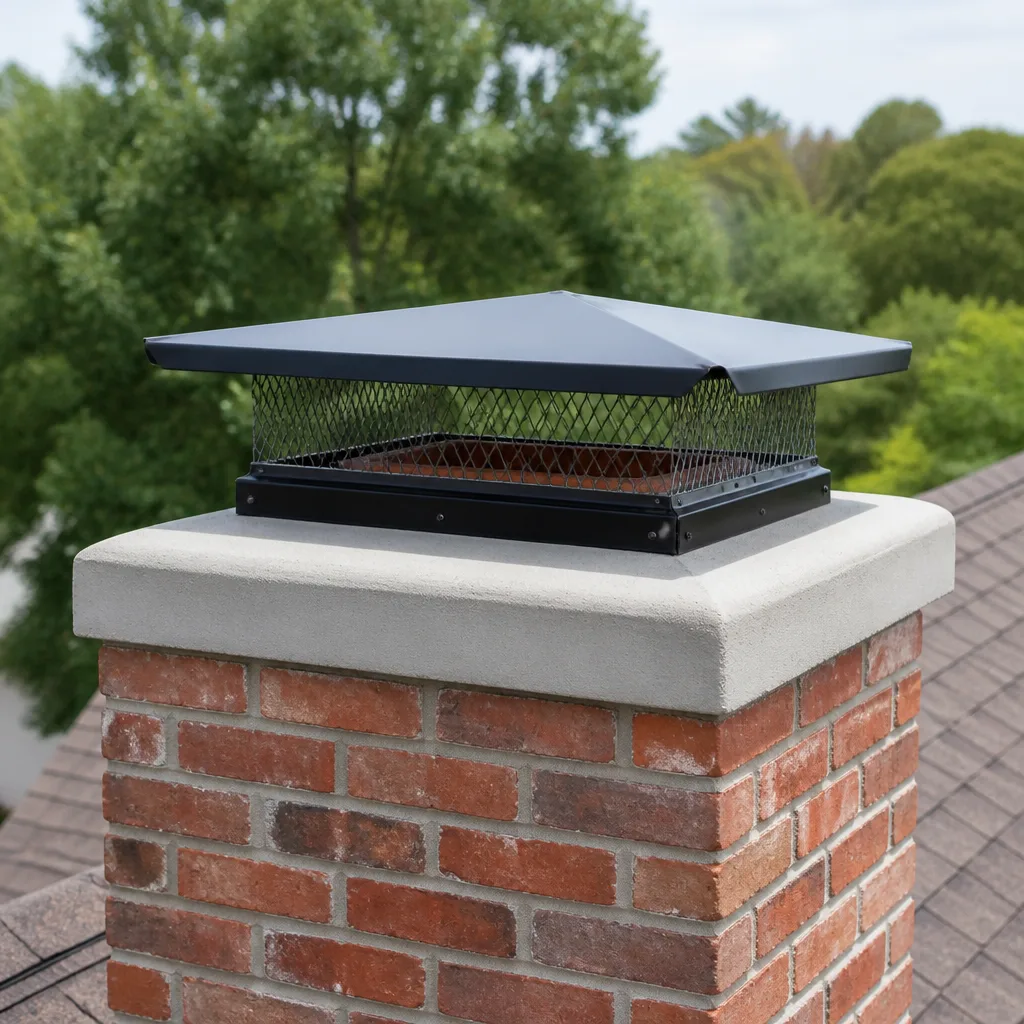
- Using a cap or cover that isn’t built for the chimney. A generic cap from a hardware store is a poor substitute for a Famco or Copperfield cap made for the application. The wrong cap can fail within a couple of seasons and doesn’t meet code for all situations.
- Forgetting the dryer vent. The chimney gets all the attention, but the dryer vent is the other fire-safety issue in the same home. Skip it and you’ve only checked half the ventilation picture.
- Not asking whether a repair can safely wait. Some findings are urgent and some aren’t. A good technician will tell you plainly which is which. If a contractor tells you everything is urgent, get a second opinion.
When to Call a Professional
Call a professional if any of these apply. You’ve never had the chimney inspected and you burn wood regularly. You’ve changed appliances, moved into a home with an unfamiliar fireplace, or had a chimney fire, however small. You see staining on the exterior of the chimney, crumbling mortar on the crown, or debris falling into the firebox. You smell a strong draft or smoke when there’s no fire. You’re about to invest in a reline or cap replacement and want a Level II inspection first. You’re selling or buying a home in Riverview with a fireplace. Or your insurer has asked for documentation you don’t have.
Any of those are reasons to get a technician out for a look. Chimney Sweep Riverview offers free estimates in Riverview. Call (844) 834-1749. We answer 24/7. Fast dispatch from 7am to 7pm, Sunday through Friday. Our technicians have up to 8 years of experience, and we work with contractor-grade product lines like DuraFlex, HeatShield, Famco, and Copperfield because repairs should be built the right way the first time.
Frequently Asked Questions
No. Chimney sweeping is maintenance and does not require a permit in Riverview or anywhere in Florida. A permit becomes relevant only if the sweep finds a problem that requires a structural repair, reline, or venting alteration. Call (844) 834-1749 for a free estimate if you’re unsure whether your situation needs one.
Often yes. A reline, a crown rebuild, a structural cap replacement, or any work that alters the chimney or venting system typically requires a permit through Hillsborough County. Small cosmetic repairs are usually exempt. Confirm with the county’s building department before work starts, and ask your contractor to state in writing whether a permit is required for the specific job.
Only if the inspection shows a liner that’s cracked, missing, or otherwise compromised for its full length. A cracked liner lets heat and combustion gases reach the chimney structure and nearby combustibles, and it fails code. Nothing is recommended without camera evidence you can see for yourself. Call (844) 834-1749 to have a Level II inspection done so you can decide with photos in hand.
Annual sweeping is the standard recommendation for a wood-burning fireplace in regular seasonal use. If you burn frequently, or burn a lot of green or unseasoned wood, you may need it more often. Gas appliances and dryer vents should also be checked on a routine basis. Call (844) 834-1749 to book a sweep and inspection before burning season.
Creosote accumulates inside the flue and becomes more flammable with each season, which raises the risk of a chimney fire. A neglected flue can also let carbon monoxide vent into the home if the liner is compromised. The serious risks are real but manageable with routine maintenance. Call (844) 834-1749 to schedule an inspection so you know where you stand.
Ask for a written inspection report that states the NFPA 211 level performed, photo attachments, and the camera scan if a Level II was done. If a repair is recommended, ask for a written scope and the permit status. Keep all of it together with the service receipt. We provide photo documentation with every repair recommendation, and you can call (844) 834-1749 for a free estimate.
The Bottom Line
Chimney cleaning itself is permit-free maintenance. The moment the work moves into relining, structural repair, or venting changes, you’re very likely in permit territory under the Florida Building Code and Hillsborough County rules. The bridge between the two is the inspection: a Level I with every routine cleaning, a Level II with camera evidence before any repair, and a written report you keep. That paper trail is what your insurance carrier, your future buyer, and your own peace of mind rely on. Get the inspection, get the documentation, and ask plainly whether work can wait. Then book before burning season, not during it.
When you’re ready, call Chimney Sweep Riverview at (844) 834-1749 for a free estimate on chimney sweeping, chimney repair, or dryer vent cleaning in Riverview. We answer 24/7. Fast dispatch from 7am to 7pm, Sunday through Friday. You’ll get a plain explanation of what we found, photo evidence you can look at yourself, and a written scope that meets code and satisfies your insurer.
Written by the team at Chimney Sweep Riverview.
See the difference
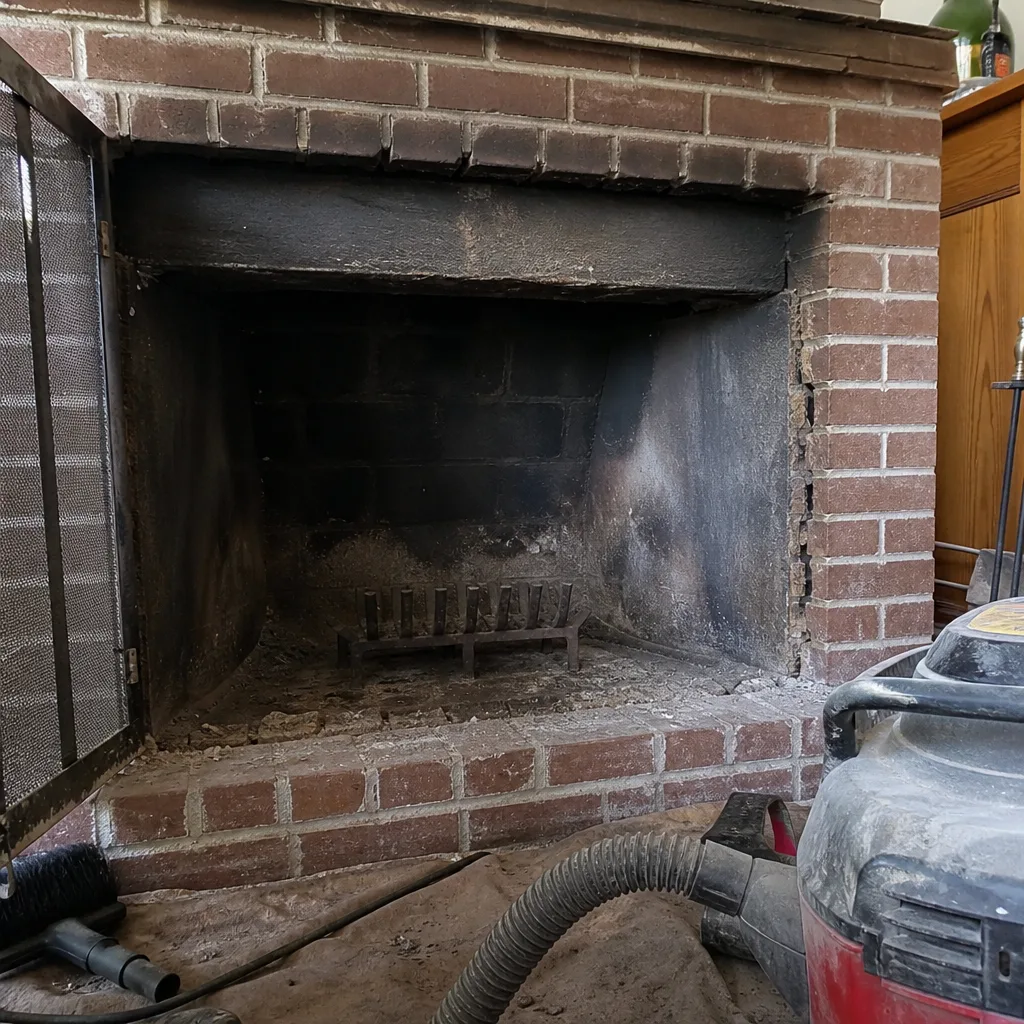 Before
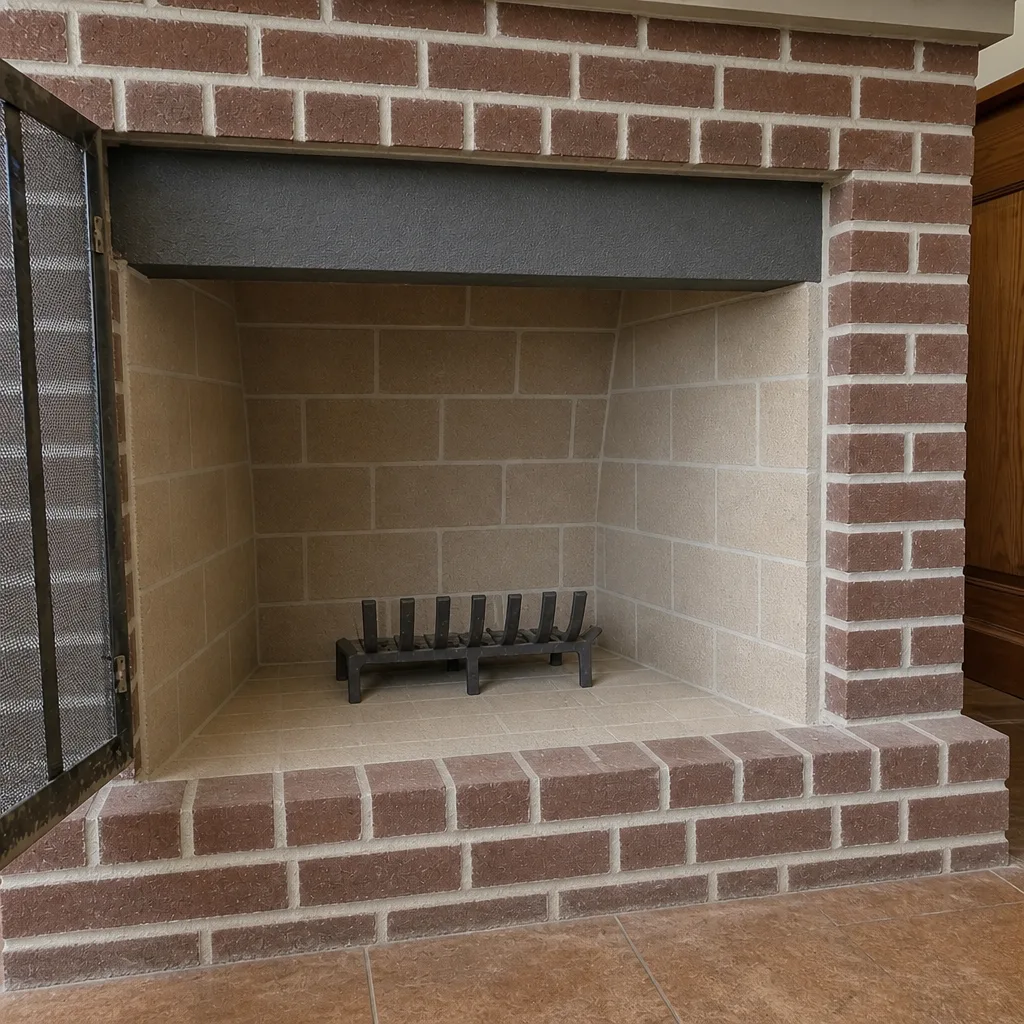 After
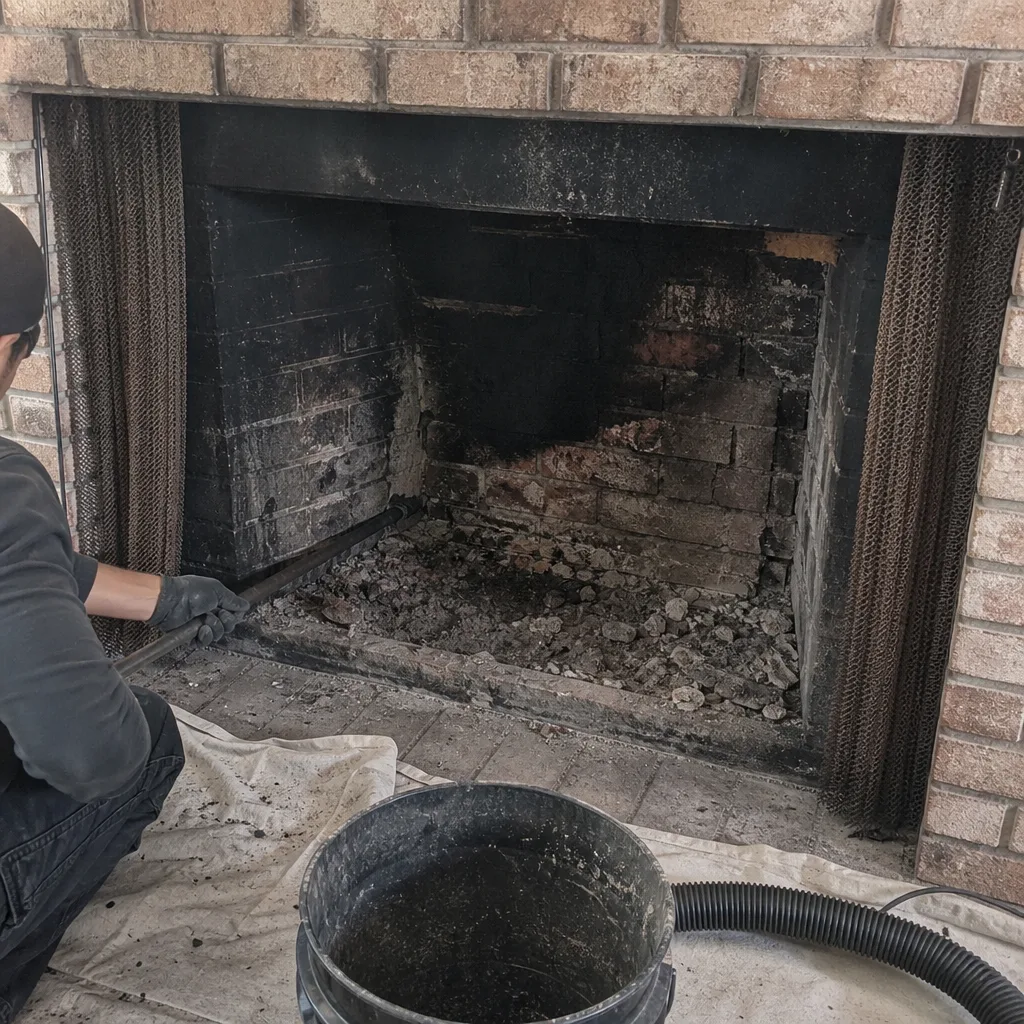 Before
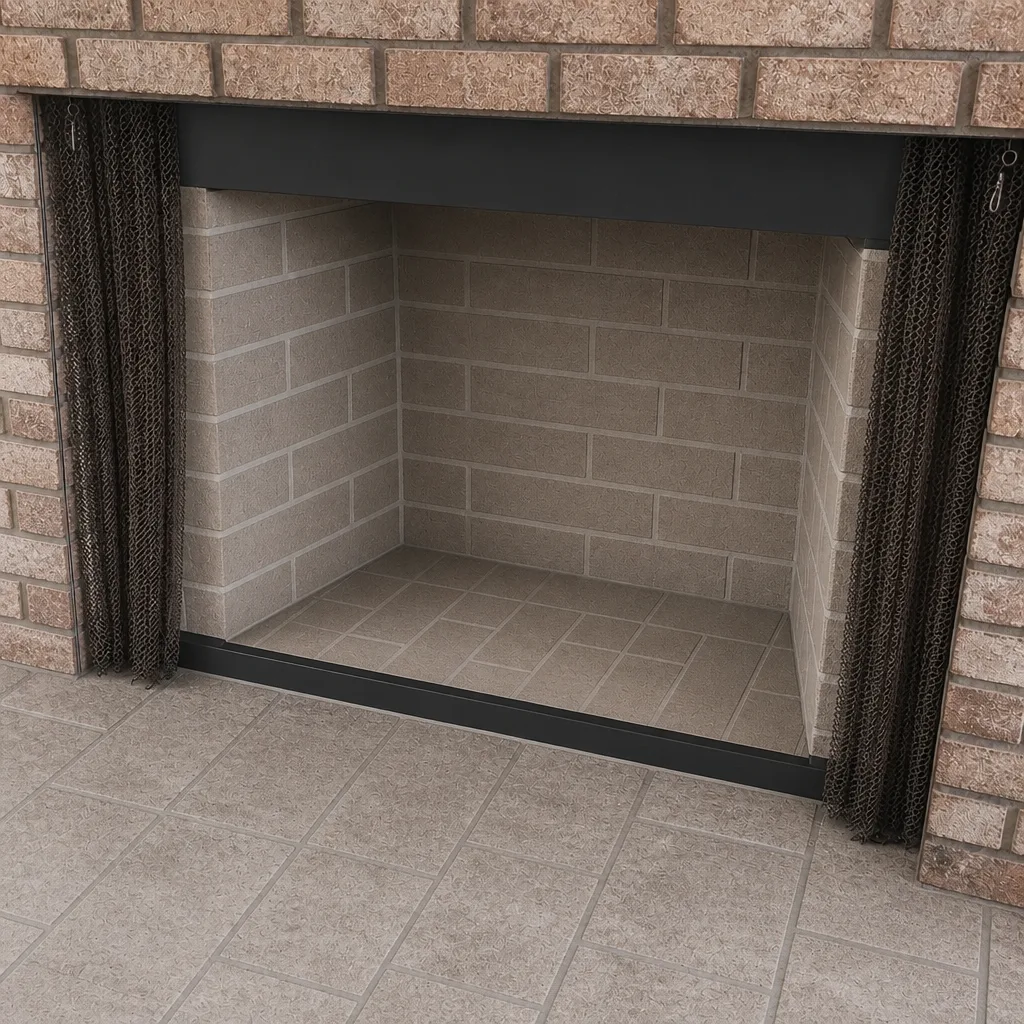 After
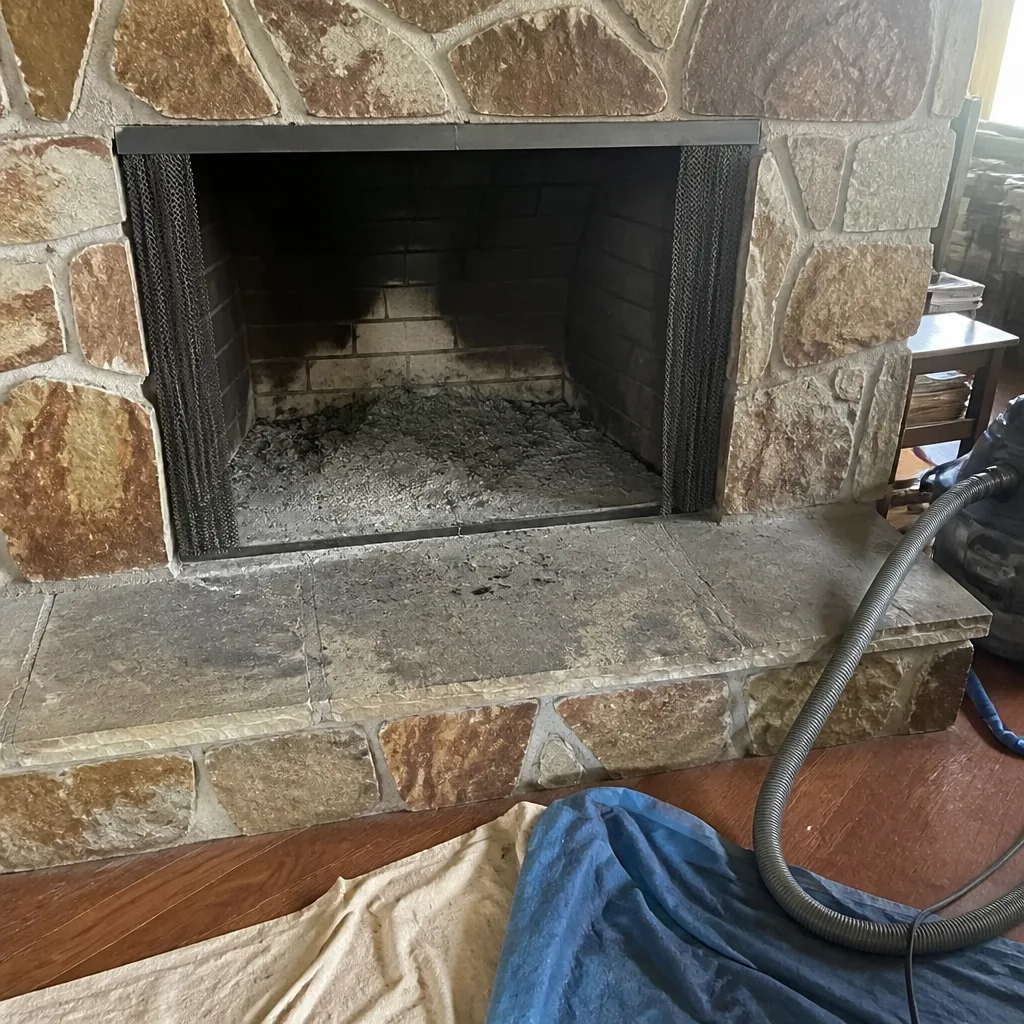 Before
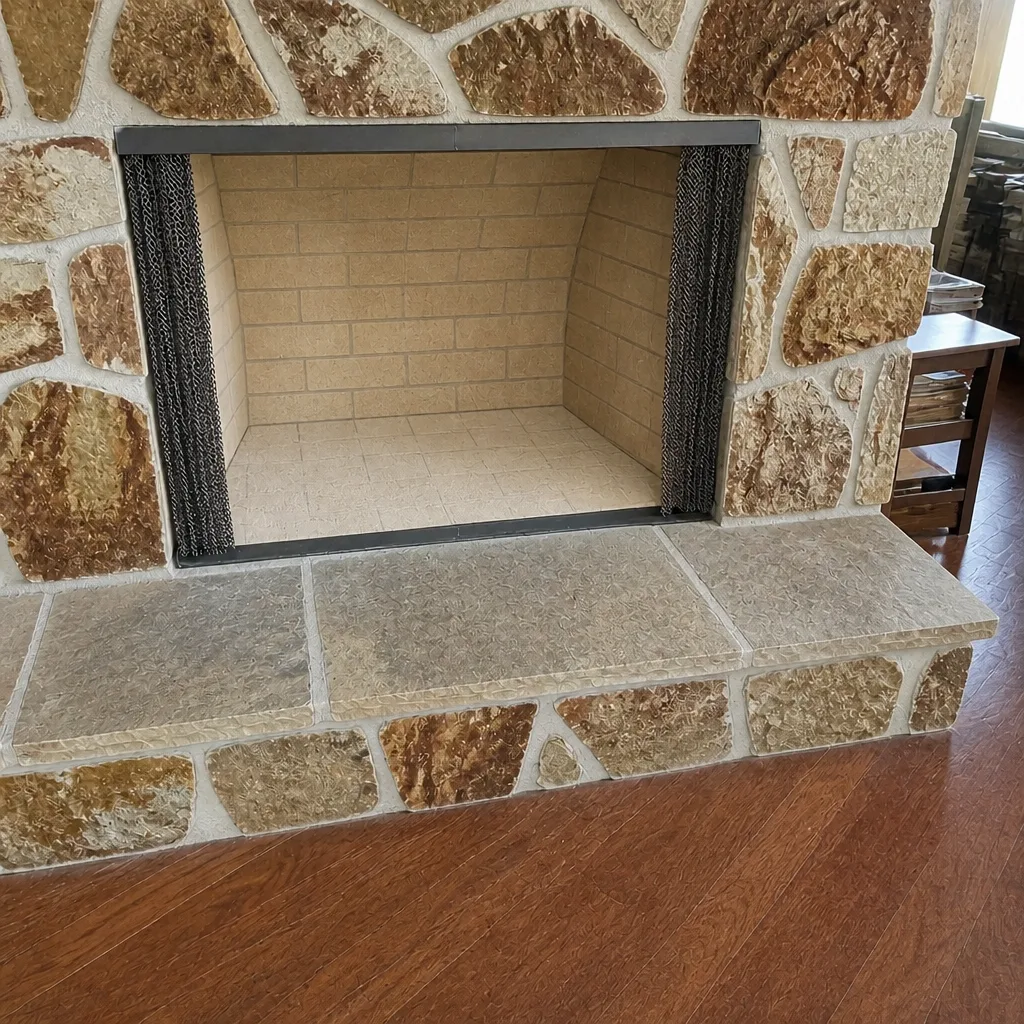 After