
Last updated November 15, 2026
 Sweep & inspection
 Caps & crowns
 Flue relining
 Masonry repair
 Gas fireplace service
Level 1 sweep and inspection to the NFPA 211 annual standard - flue, crown, cap, and flashing checked and photographed
Chimney sweep logs do not sweep chimneys. They loosen some creosote - which then falls where a brush and vacuum still have to collect it.
Chimney Sweep Maintenance Checklist for Riverview Homeowners
Most chimney maintenance checklists floating around the internet were written for hard-winter climates, and if you follow one here in Riverview you’ll spend your time checking for the wrong problems. Florida chimneys don’t fail from freeze-thaw stress the way northern chimneys do. They fail from moisture that never fully dries, storm-driven rain finding weak caps and crowns, and mortar that softens slowly under year-round humidity. Add in a burning season that runs shorter and gentler than up north, and you get a very different list of what to inspect and when. This guide gives you the month-by-month schedule that fits Riverview, from storm season prep in June through the post-hurricane cap inspection in November, plus the documentation you’ll want to keep.
Quick Answer
A Riverview chimney maintenance checklist should be built around two cycles: storm season (June through November) and your actual burning season (roughly December through February). Inspect the cap and crown before and after storms, check liner and mortar for moisture damage in the humid months, schedule a chimney sweep before you light the first fire of the season, and put dryer vent cleaning on the same six-month timeline because the two systems share fire-safety risk in a household running both.
Styles & brands we work with
- Sweep & inspection
- Caps & crowns
- Flue relining
- Masonry repair
- Gas fireplace service
Table of Contents
- Why Riverview Chimneys Need a Different Checklist
- The Month-by-Month Maintenance Schedule
- Cap and Crown Inspection After Storm Season
- Mortar Joint Inspection in a Warm, Wet Climate
- Liner Integrity Checks
- Adding Dryer Vent Cleaning to the Same Schedule
- Documentation Homeowners Should Keep
- Common Mistakes to Avoid
Why Riverview Chimneys Need a Different Checklist
The average chimney maintenance checklist you’ll find online assumes snow load, freezing temperatures, and a long, intense heating season. None of those describe a Riverview winter. What does describe it: a burning season that’s short enough that many homeowners light maybe a dozen fires a year, months of high humidity that keep masonry and metal damp long after rain stops, and a hurricane season that puts wind-driven rain and flying debris against your chimney cap six months out of the year. Those are the conditions that degrade Riverview chimneys, and they’re not on the standard list.
The practical consequence is that a chimney in Riverview can look fine from the ground while moisture is quietly working on the flue. Creosote still accumulates from the fires you do burn, and in a warm, humid climate it can stay softer and stickier longer, which changes how a sweep approaches it. Water intrusion from a failed crown or a missing cap can cause deterioration that has nothing to do with fire but eventually undermines the flue just the same.
We tell homeowners in Riverview that the goal of a good checklist isn’t a longer list of tasks. It’s a list calibrated to the actual climate. You want to inspect the cap and crown right after storm season ends, check mortar joints in the humid months when moisture damage is most visible, and sweep before you start burning, not after. Everything else is secondary.
This is also why we operate across three connected services rather than one. Sweeping, repair, and dryer vent cleaning all come back to the same principle: what you can’t see inside a flue or a duct can still hurt you, so inspect on a schedule and fix what the inspection actually finds.
The Month-by-Month Maintenance Schedule
This schedule aligns with Riverview’s weather and your actual usage. It’s a framework, not a rigid calendar, but it’s how a full year of chimney care breaks down for a home with an active fireplace or wood-burning insert.
- January and February (peak burning season): Burn clean, dry wood and watch for any change in draft or smoke backing into the room. These are your heaviest-usage months. Note anything unusual so you can tell a technician at your spring sweep.
- March (end of burning season): Once you stop burning for the year, this is the ideal time to schedule a sweep. Creosote hasn’t had summer humidity make it stickier, and an early inspection leaves plenty of time to address any repair before next winter.
- April and May (humidity ramp-up): Walk the exterior. Look at the crown, the masonry, and the cap with a pair of binoculars from the ground. This is when the first signs of moisture damage from the wet season start to show.
- June (storm season begins): Confirm your cap is secure and sealed, and trim any tree limbs that could reach the chimney in high wind. Storm season for our part of Florida runs June through November, so this is your last clear-weather window to secure the top of the flue.
- July through October (storm season): After any significant storm, check the cap from the ground for visible damage or shift. Don’t get on the roof yourself; note it and have it inspected.
- November (storm season ends): This is your post-storm cap and crown inspection. Schedule it, walk the exterior, and document any damage. It’s also the window to schedule a pre-season sweep before the December burning season.
- December (burning season begins): Sweep should already be done. Test your draft with a small fire before you commit to a full burn, and confirm your carbon monoxide detectors are working.
Notice what isn’t on this list: no freeze-thaw prep, no winterizing, no snow-load checks. In Riverview, those are non-issues. The two real cycles are storm season and burning season, and everything on this schedule serves one of them.
If you’re building your schedule for the first time, the easiest anchor is the November inspection. That single point in the year lets you catch storm damage, close out the burning season, and plan for a spring sweep, all from one inspection call. Call (844) 834-1749 and we’ll walk you through timing. We answer 24/7. Fast dispatch from 7am to 7pm, Sunday through Friday.
Cap and Crown Inspection After Storm Season
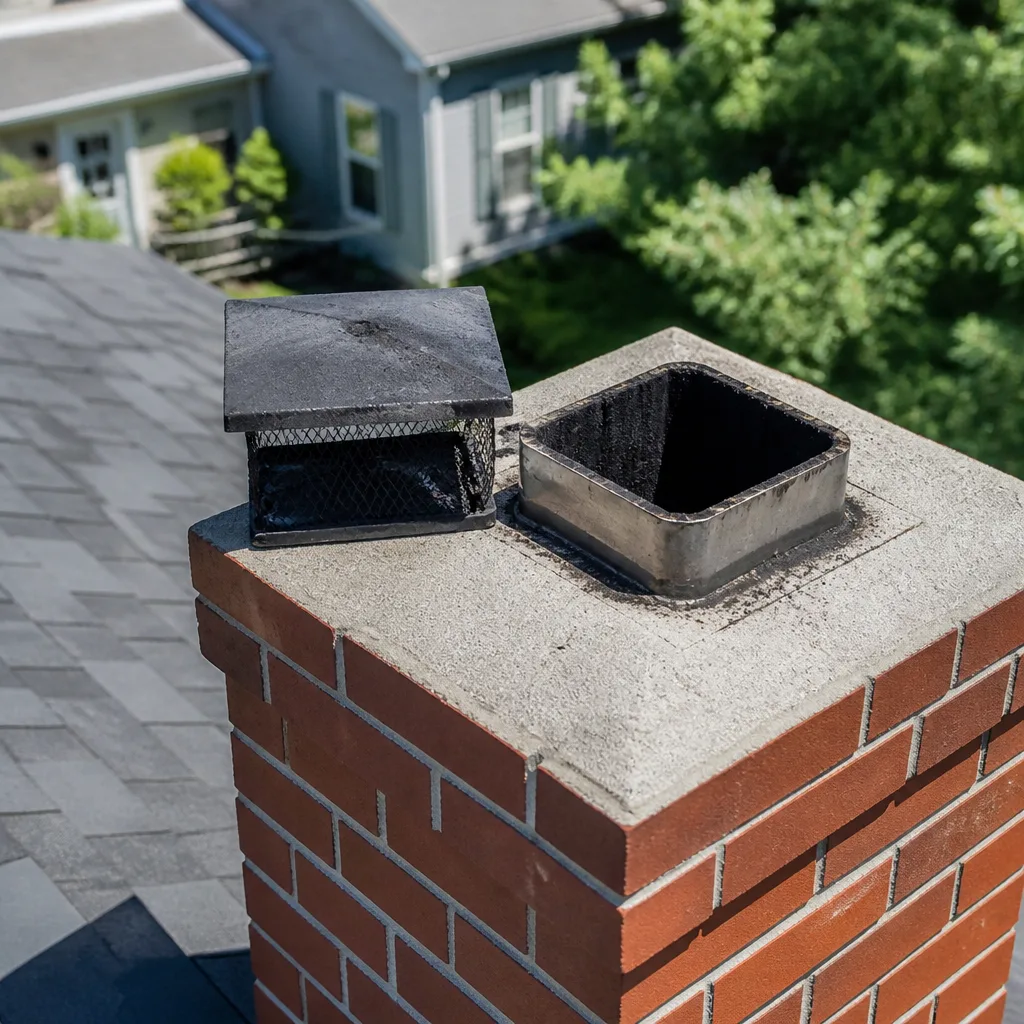
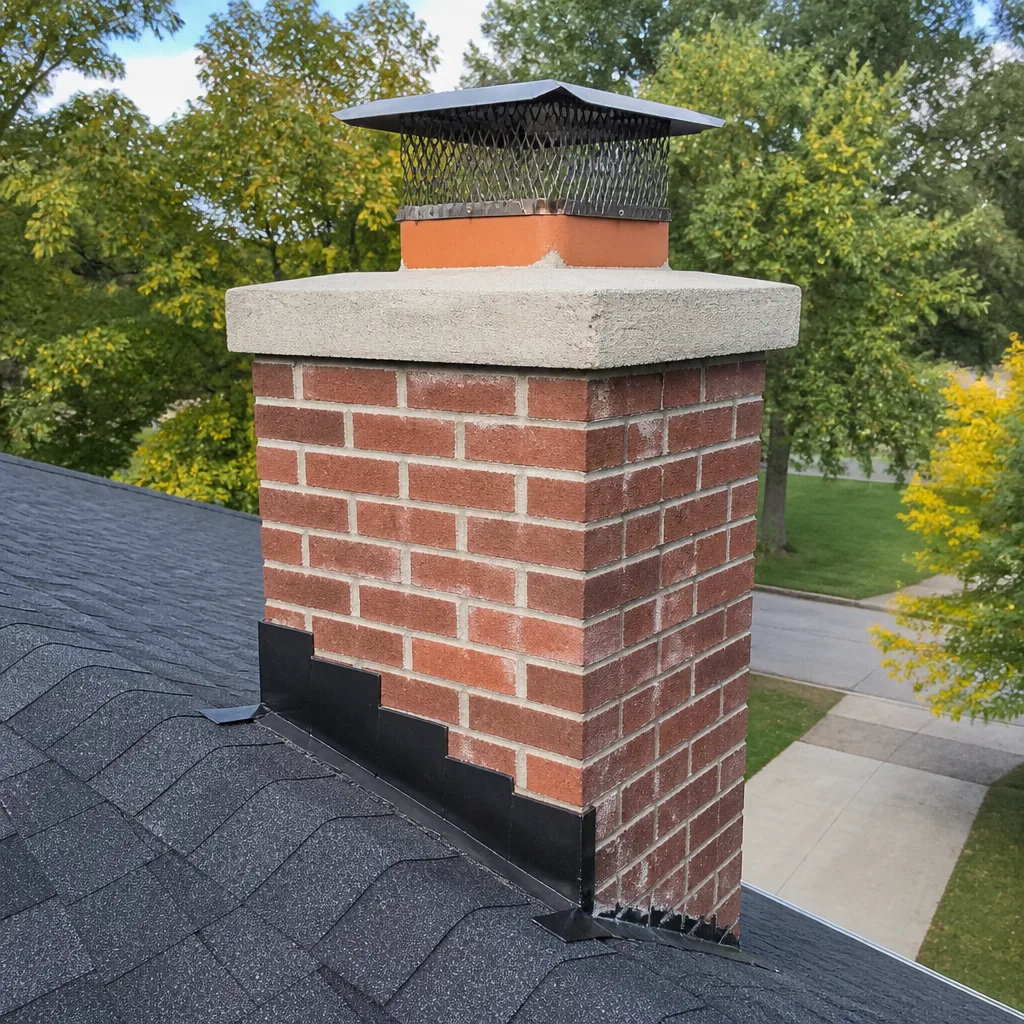
Your chimney cap is the first line of defense against everything Florida weather throws at a flue, and it’s the item a northern checklist often treats as an afterthought. After storm season ends in November, your cap and crown deserve your full attention. This is where we see the most preventable damage in Riverview: a cap that shifted in wind and now lets rain into the flue, or a crown that cracked and is channeling water down the exterior of the chimney into the masonry.
Here’s what to check, safely, from the ground:
- Is the cap still square and level? A cap that’s visibly cocked or shifted after a storm has likely lost its fasteners or its seal.
- Is the cap mesh intact? Torn or missing mesh lets birds, squirrels, and debris into the flue.
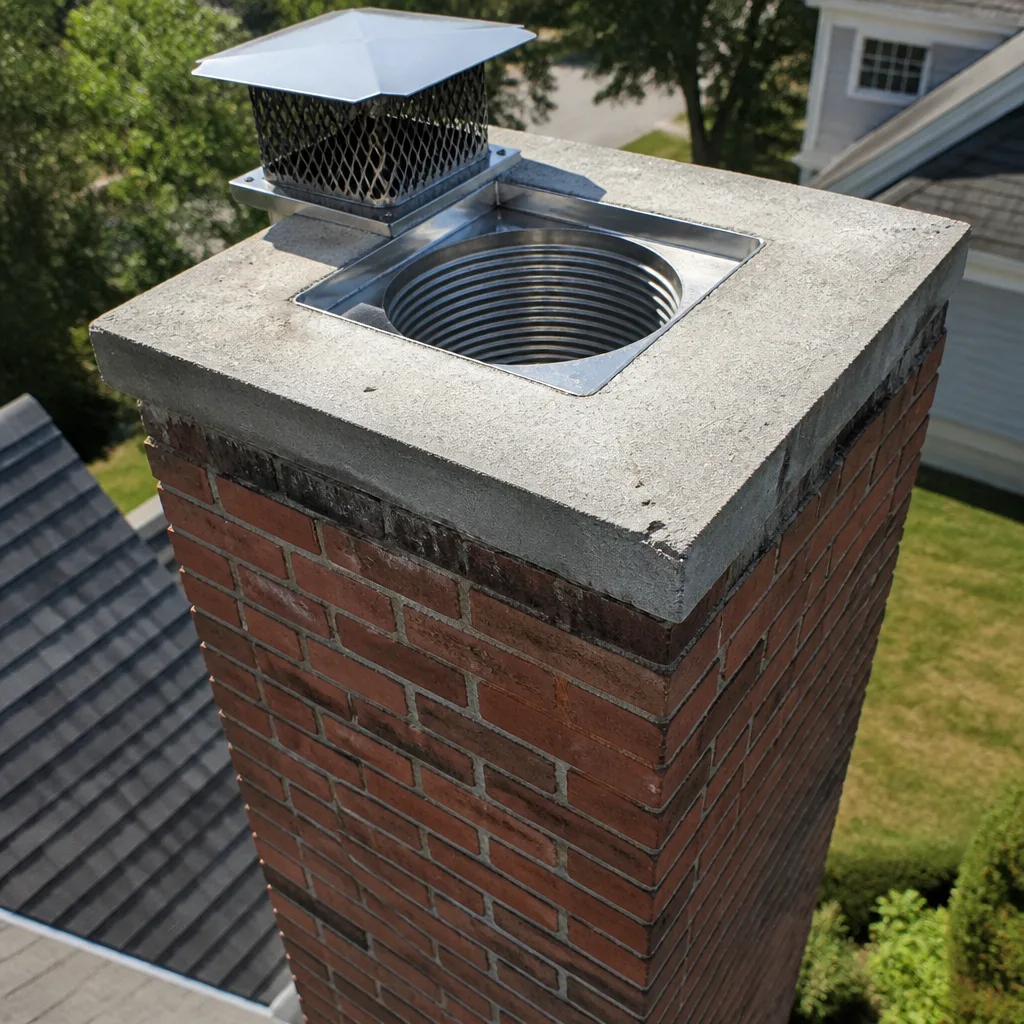
- Does the crown show cracks? Hairline cracks can be normal, but larger cracks or separated sections mean moisture is getting in.
- Is there rust, staining, or a dark drip line on the outside of the chimney? That’s a sign water is running where it shouldn’t.
- Are the cap edges and seams sealed? Sealant degrades faster in a hot, humid climate than in cold climates.
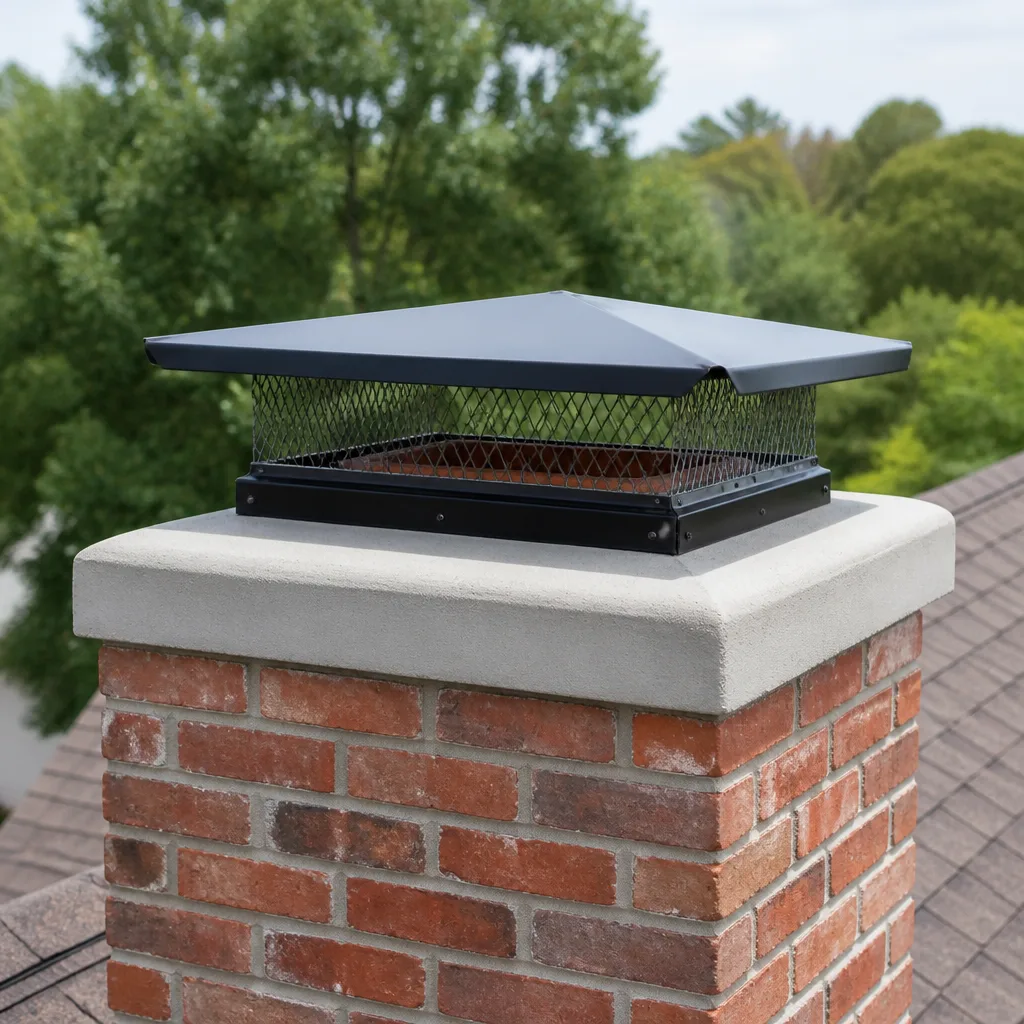
When your cap needs replacing, the material quality matters more than the style. A build-for-purpose cap from a line like Gelco or Famco fits better, seals better, and holds up better than an improvised generic cap. When we do cap and cover work in Riverview, we specify from these professional lines because they’re built for the conditions that actually exist here.
If any of these ground-level checks look wrong, don’t climb up to investigate. Have a technician look. Roof work is where homeowners get hurt, and a cap issue found from the ground is easy to repair once someone qualified is on the roof to look at it.
Mortar Joint Inspection in a Warm, Wet Climate
Mortar joint inspection in Riverview is a moisture-management exercise, not a freeze-thaw exercise. Northern guides tell you to look for mortar that’s been pushed out or crumbled by freezing water expanding inside it. Here, mortar fails differently: it softens and erodes under constant humidity, and the joints at the top of the chimney take the most punishment because they’re exposed to rain year-round.
What to look for instead, from the ground or in the firebox:
- Sandy or rough-textured mortar: If the mortar between bricks looks gritty or you can rub material off with a gloved hand, it’s begun to degrade.
- Recessed or hollow joints: Joints that have shrunk back from the brick face let water sit in the gap.
- White or gray staining on the masonry: Efflorescence (a powdery white deposit) means moisture is moving through the brick.
- Any dark or wet patches after dry weather: Consistent dampness points to a water source above, usually the crown or cap.
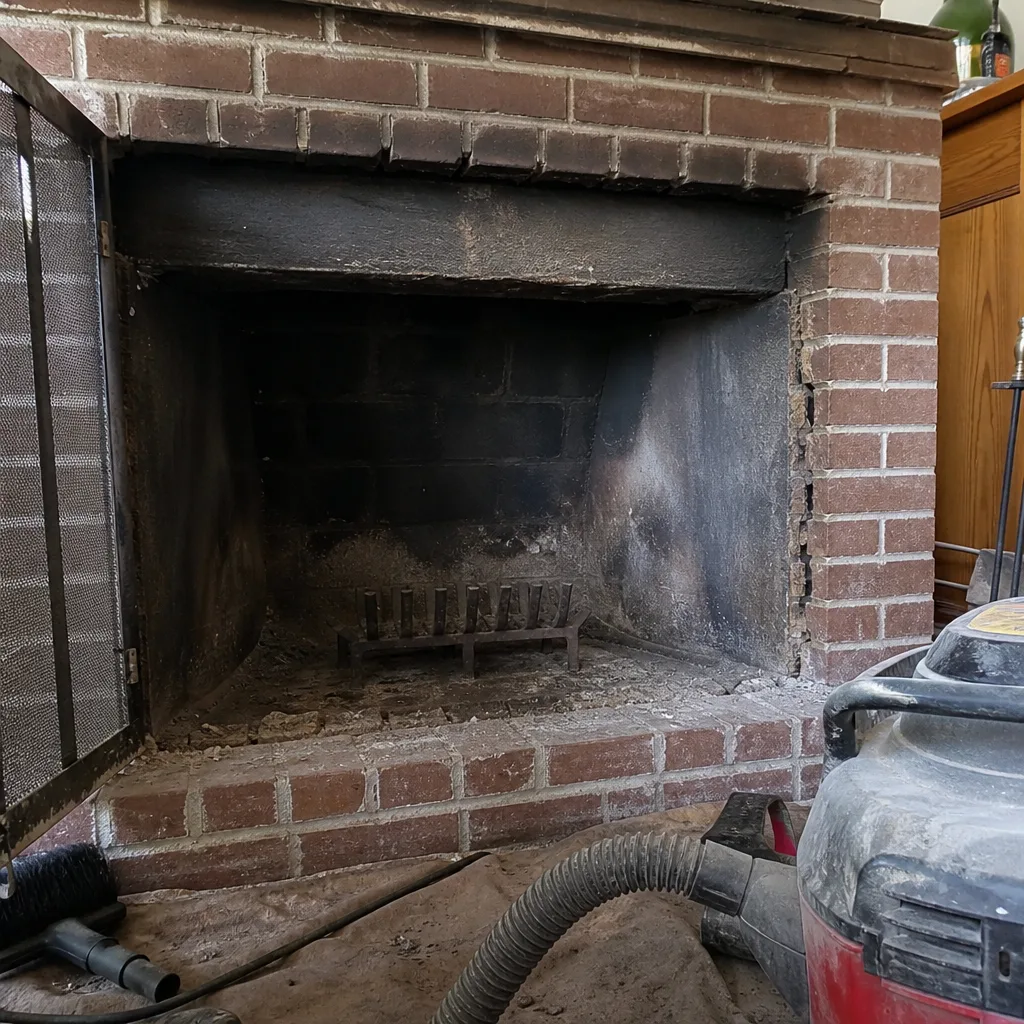
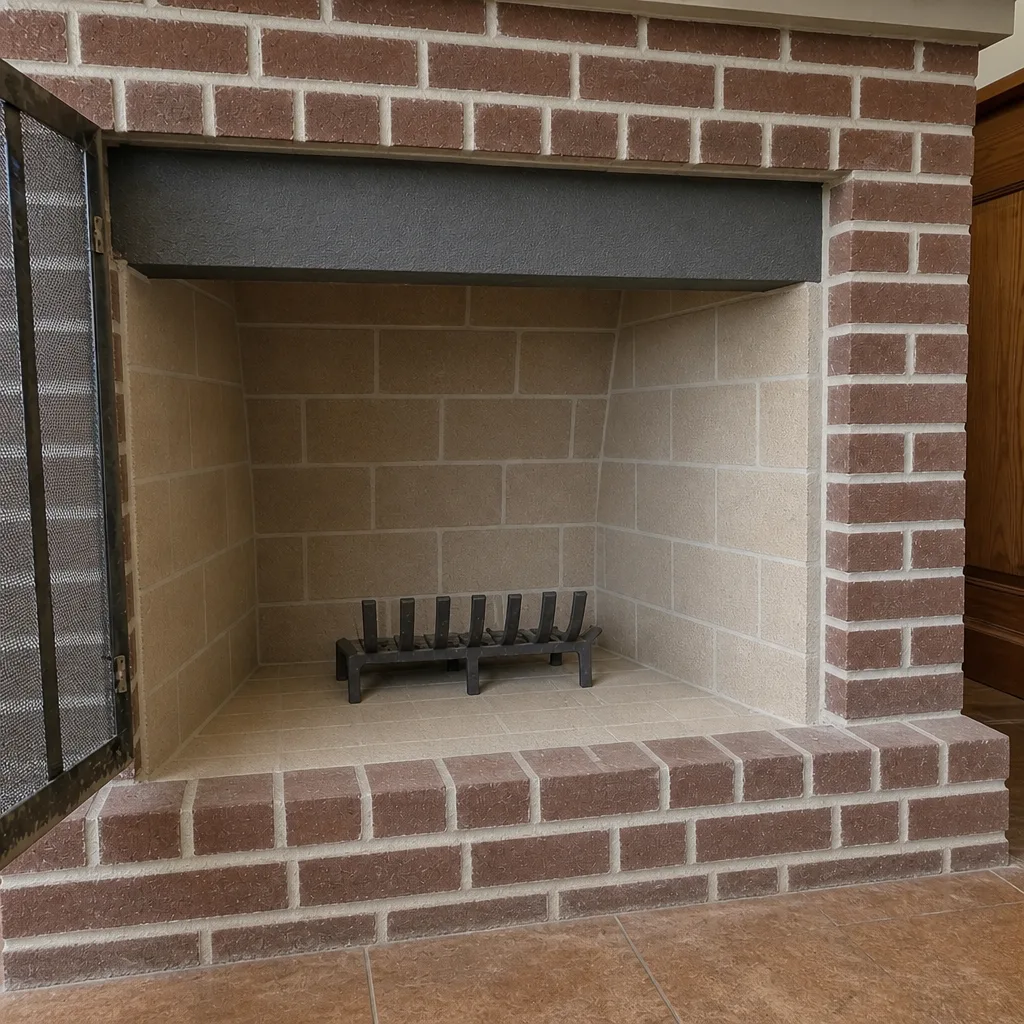
Inside the firebox, check the mortar joints between the firebrick. In a warm, humid climate with a lighter burning load, firebox mortar still degrades from thermal cycling, but the bigger culprit in a Riverview home is moisture. A firebox that sits unused for most of the year and never fully dries from a rain intrusion is at risk.
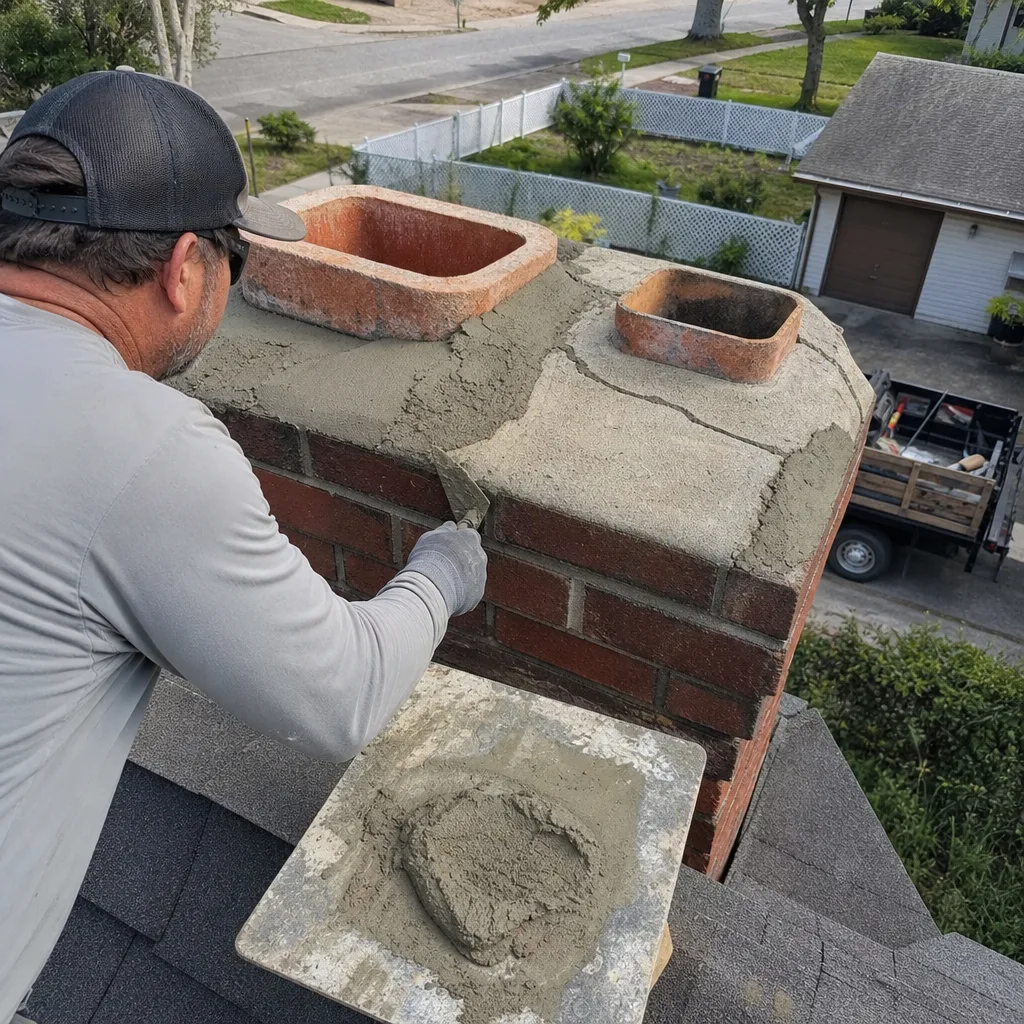
When mortar damage is real, the fix matters. Generic mortar patched over a deteriorated flue can fail again. For flue deterioration specifically, we use HeatShield resurfacing, a product engineered for that repair rather than a patch with mortar. That doesn’t mean every chimney needs resurfacing; it means when we find a problem that calls for it, we use the right product. What we won’t do is recommend thousands of dollars of material on a hunch.
If the flue needs a full reline, we use DuraFlex liner systems, which handle offset flues that rigid liners can’t. A homeowner whose flue has an offset often gets quoted for demolition-and-rebuild by contractors who only work with rigid liner. Flexible stainless lining is the better answer in most cases. If you’ve been told your flue is unusable, get a second opinion.
Liner Integrity Checks
The liner is the layer between your flue gases and the surrounding structure, and it’s the part of the checklist no homeowner can inspect on their own. A liner can fail internally while the chimney looks fine from the outside and the fire burns apparently normally. Creosote glazing, moisture-driven corrosion of metal liners, and spalling from a clay liner are all things you need to see with a camera.
That’s why a proper chimney inspection includes a camera. When we sweep and inspect a chimney in Riverview, you get a photo report of what the camera saw. It’s a simple practice that separates a real inspection from a sweep-and-go visit: you see what we found, in pictures, and you decide from evidence you can look at. Not a sales pitch. Not a vague “your liner is shot.” A photo.
A liner that needs attention usually shows one of these signs in a proper inspection:
- Visible cracks or gaps in clay tile liner sections
- Corrosion of a metal liner, especially at the flue collar or where condensation collects
- Missing or dislodged tile where the liner has shifted
- Creosote glazing on the flue wall at a level normal sweeping can’t fully address
- Discoloration or damage to the crown that suggests long-term water intrusion into the flue
If the inspection finds that the liner needs work, DuraFlex stainless systems are our flexible option, and they’re contractor-grade rather than consumer-grade hardware store hardware. The right call on any liner repair comes after the camera inspection, not before it. If the camera shows the liner is sound, you don’t need a liner work, full stop. If it shows real damage, you’ll have a photo showing why the repair is needed.
Adding Dryer Vent Cleaning to the Same Schedule
Dryer vent cleaning belongs on the same schedule as chimney maintenance for a straightforward reason: both systems move hot air and combustion byproducts out of your house, and both build up material that can ignite. A clogged dryer vent is one of the leading causes of residential fires, right alongside chimney fires. If you’re already scheduling a chimney sweep before the season, the logical addition is to have the dryer vent cleaned on the same visit or the same schedule.
A single maintenance timeline for both systems:
- Annually at minimum: Chimney sweep and dryer vent cleaning. A household doing a lot of laundry, or one with pets, may need dryer vent cleaning more often.
- Spring: Handle both in one appointment so you’re not scheduling twice. A Chimney Sweep Riverview visit covers both systems and finds problems in either one.
- Fall, before burning season: Confirm both systems are clear before the fireplace starts running and the laundry load goes up with winter bedding and heavier clothes.
The dryer vent gets skipped because it’s out of sight and nothing obviously breaks. The symptoms appear gradually: clothes taking longer to dry, the dryer feeling hot to the touch, lint visible behind the dryer, or a burning smell. By the time those signs show up, the vent has usually been overdue for a cleaning for a while. In a Riverview home with high humidity, exhaust points can also be a place where lint and moisture combine into a wet, heavy clog.
Treat it as its own service, not an add-on. If you haven’t had your dryer vent cleaned in over a year and you’re due for a chimney sweep, schedule both in the same call. It takes less time than you’d think and it resolves two fire-safety items with one visit. Call (844) 834-1749 for a free estimate on either.
Documentation Homeowners Should Keep
Every visit that includes a camera inspection and photo report produces documentation, and what you do with that documentation matters more than most homeowners realize. A running record of chimney and dryer vent inspections is the thing that supports an insurance claim after a fire, helps a home sale go smoothly, and lets the next technician know what was going on last time. A single photo report is useful. A file of them is a maintenance history.
What to keep in that file:
- Dated inspection reports: Keep the written findings, not just the photos. Date everything.
- Photo reports on file: Save the images from every camera inspection. These are the record of what the flue looked like at a point in time.
- Repair records: If a liner was replaced, a cap installed, or HeatShield resurfacing applied, keep the invoice and photos. For insurance purposes, that’s evidence the repair was done.
- Dryer vent cleaning receipts: Same logic. A documented vent cleaning establishes a maintenance pattern.
- Sweep records: Even a simple record of the date of each sweep builds a timeline that’s useful for a home inspection or a sale.
At a home sale, a buyer’s inspector will look at the fireplace. A seller who can produce dated inspection reports from the last several years is in a much better position than one who says “we had it cleaned at some point.” Insurance claims after a fire, when they come up, hinge on evidence that you were maintaining the system, not just that you owned it.
The habit is easy to build. Every time you have a Riverview home’s chimney inspected, ask for the report and the photos and put them in one folder, digital or physical. Five years from now, that folder is your maintenance history.
Common Mistakes to Avoid
- Following a northern checklist without adapting it. A freeze-thaw-focused guide will have you checking the wrong items at the wrong times. Build the schedule around Riverview’s storm season and mild winter, not a New England winter.
- Skipping the post-storm cap inspection. A cap that shifts in a wind event and stays shifted is silently letting rain into the flue all season. Inspect the cap after storm season ends in November, not once at year-end.
- Treating a sweep as inspection and repair. A cleaning visit clears creosote. It doesn’t diagnose a failing liner or a deteriorated flue unless the camera comes out. Ask what’s included in the visit.
- Deciding about the liner before the camera report. Never buy a liner recommendation from a spec sheet or a hunch. The camera and the photo report come first, and the decision follows the evidence.
- Forgetting the dryer vent entirely. The dryer vent is on the same fire-safety schedule as the chimney. A clogged vent is a leading cause of house fires, and it’s the system most homeowners never have cleaned.
- Throwing away inspection reports. A report you can’t produce doesn’t help you at an insurance claim or a home sale. Keep the photos and dated findings from every visit.
- Climbing the roof to check something yourself. Everything on this checklist that can’t be done safely from the ground should be left to someone trained to be on the roof. It’s the item with the least DIY tolerance.
When to Call a Professional
Some checklist items you can do yourself: walk the exterior, look at the cap from the ground, watch the draft, and track your dates. What belongs to a professional is everything that requires getting on the roof or looking inside the flue. Call a technician if you see a shifted or damaged cap after a storm, if the crown is cracked, if mortar looks sandy or joints are hollowed, if you smell smoke inside the house, if draft changes, or if it’s simply been more than a year since the last sweep. And call if you haven’t had the dryer vent cleaned recently; it’s on the same timeline for a reason.
Not every finding requires work right away. If the camera shows a sound liner and the cap is secure, the honest answer is that a repair can wait, and we’ll tell you that. Chimney Sweep Riverview offers free estimates in Riverview. Call (844) 834-1749. We answer 24/7, with fast dispatch from 7am to 7pm, Sunday through Friday.
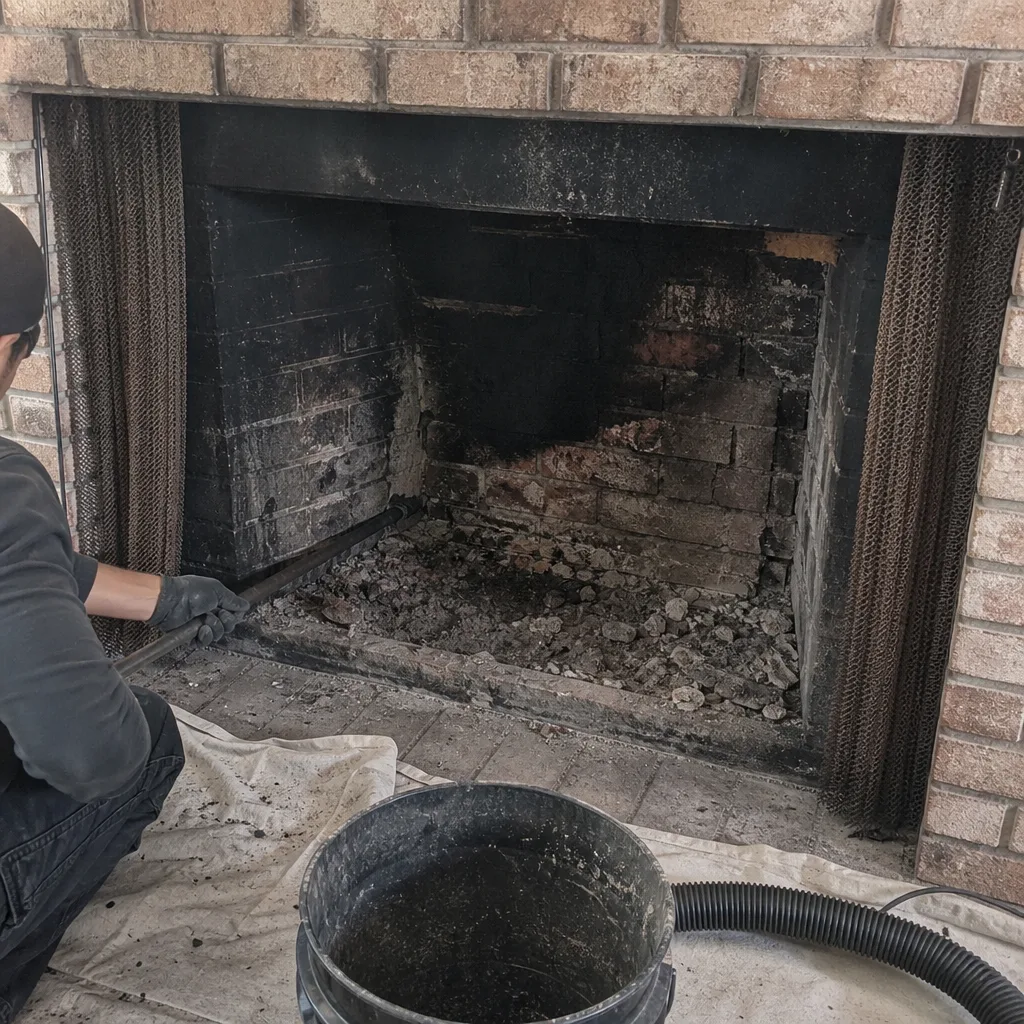
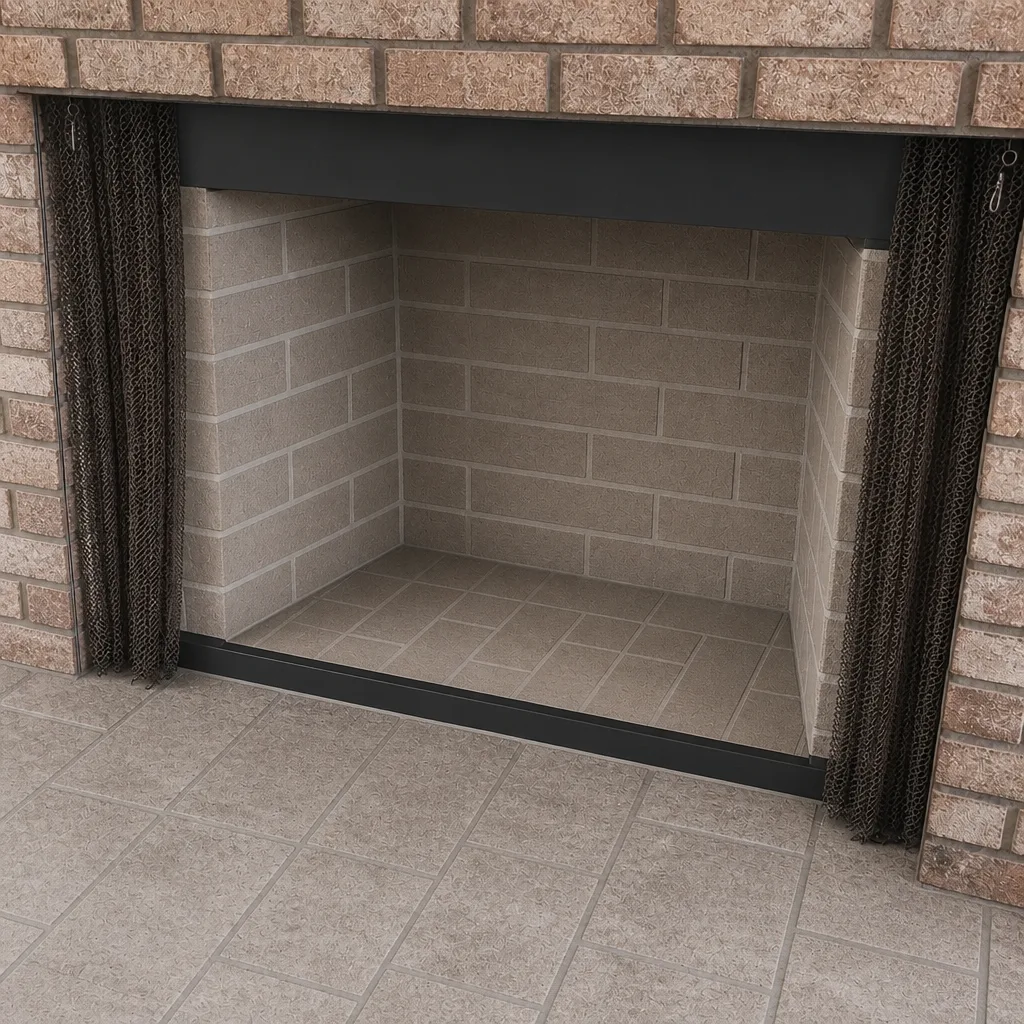
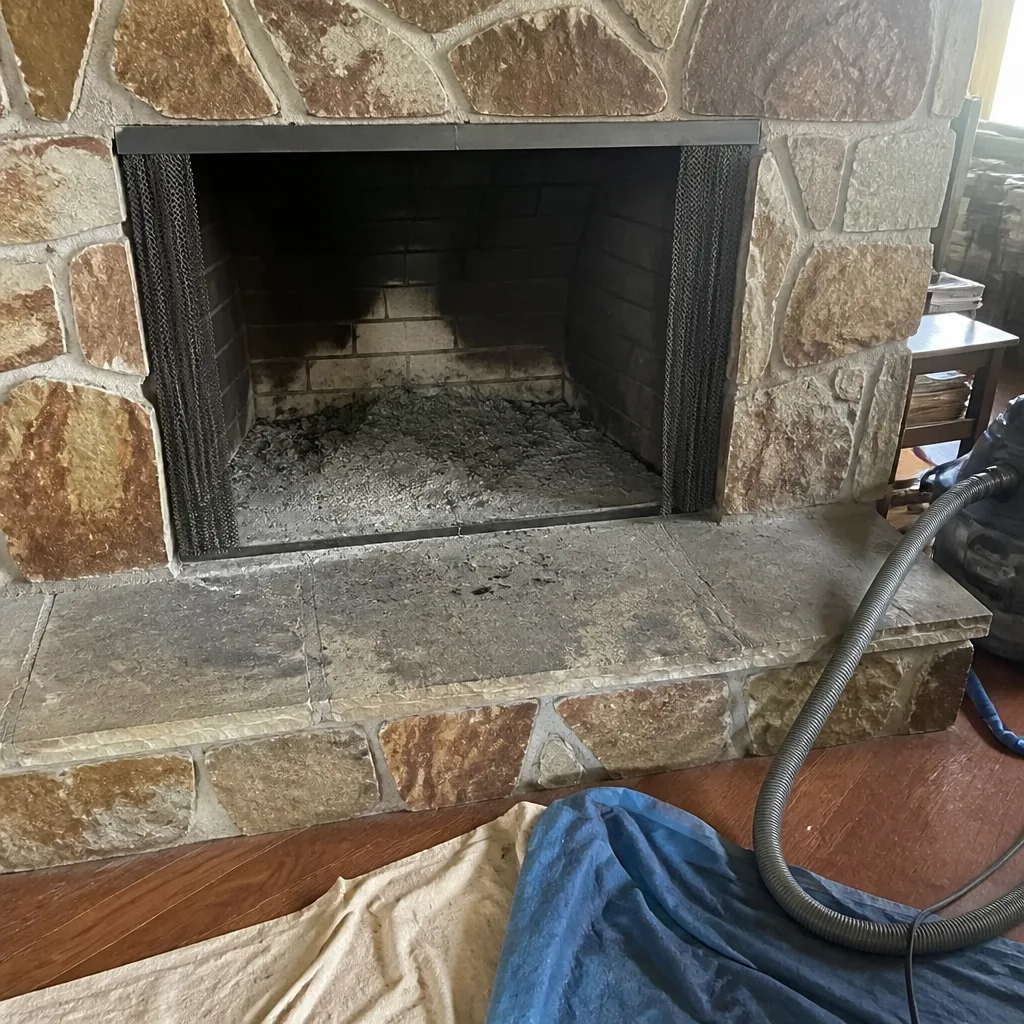
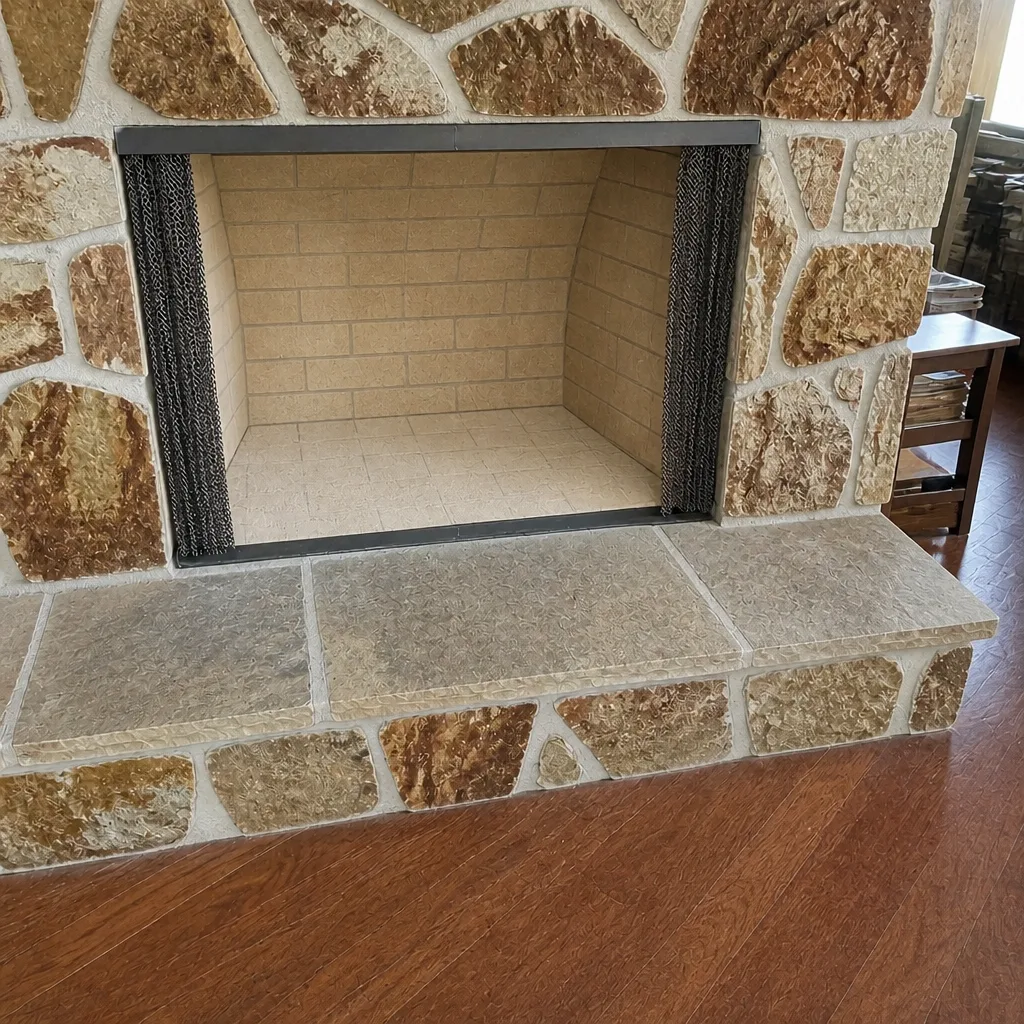
See the difference
 Before
 After
 Before
 After
 Before
 After
Frequently Asked Questions
At least once a year if you burn wood regularly, and once a year even if you burn lightly, because moisture damage and liner problems develop whether or not you’re actively using the fireplace. In a Riverview home with an active fireplace or insert, schedule the sweep before burning season begins in December, so any repair can be addressed before the season. If you haven’t had a sweep in over a year, call (844) 834-1749 for a free estimate. We answer 24/7. Fast dispatch from 7am to 7pm, Sunday through Friday.
Only if a proper camera inspection shows your liner is damaged, and you should be shown the evidence before deciding. A failing liner is unsafe to burn with, but a liner that looks fine on camera doesn’t need to be replaced. Ask for a camera inspection and a photo report, and if a technician tells you the liner needs work, ask to see the photos. No recommendation without evidence you can look at. Call (844) 834-1749 to schedule an inspection. Estimates are free.
Creosote builds up inside the flue, and a chimney fire becomes more likely, while moisture damage from a failed cap or crown slowly weakens the masonry and flue. Neither happens overnight, and both are typically found years before they cause a problem if you’re inspecting on a schedule. The risk of skipping the schedule is that you find these issues late, when the repair is bigger than it needed to be. Call (844) 834-1749 to get on a schedule before that happens.
Yes, in the practical sense that both are fire-safety systems on the same annual schedule, and a clogged dryer vent is one of the leading causes of residential fires. It’s a distinct service from chimney sweeping but belongs on the same timeline. If you haven’t had your dryer vent cleaned in over a year, add it to your next chimney appointment. Call (844) 834-1749 for a free estimate. We answer 24/7.
Sweep pricing in Riverview depends on the chimney, the amount of buildup, and whether a camera inspection is included, so the exact price is set per job by a written estimate. We don’t quote numbers over the phone that we haven’t seen the chimney to support. What we can tell you is that the estimate is free, the sweep is priced per job, and you’ll know the cost before we book anything. Call (844) 834-1749 for the estimate. We answer 24/7, with fast dispatch from 7am to 7pm, Sunday through Friday.
Right after the storm ends, from the ground, and schedule a full inspection in November once storm season is over. Checking the cap from the ground after a high-wind event lets you flag a problem early. A technician confirms it from the roof. November is the natural point for the full post-storm cap and crown inspection, before the December burning season. Call (844) 834-1749 to book the November inspection. Estimates are free.
The Bottom Line
The checklist that matters in Riverview isn’t the one written for hard winters. It’s the one built around storm season and a mild burning season: inspect the cap and crown after storm season, check mortar and liner for moisture damage through the humid months, sweep before you burn, and clean the dryer vent on the same annual timeline. Document every visit. When repairs are needed, use contractor-grade materials like DuraFlex liner systems and HeatShield resurfacing, and don’t accept a repair recommendation without seeing the photo report. If a problem can wait, we’ll say so. One call to (844) 834-1749 sets up the whole schedule.
Contact
Ready to get your Riverview home on a real maintenance schedule? Call (844) 834-1749 for a free estimate. We answer 24/7, with fast dispatch from 7am to 7pm, Sunday through Friday. Our technicians have up to 8 years of experience, we work with contractor-grade brands including DuraFlex, HeatShield, Gelco, Olympia Chimney, and Famco, and we’ll show you what the camera found before anyone recommends a repair.
Written by the team at Chimney Sweep Riverview.