
Last updated November 15, 2026
 Sweep & inspection
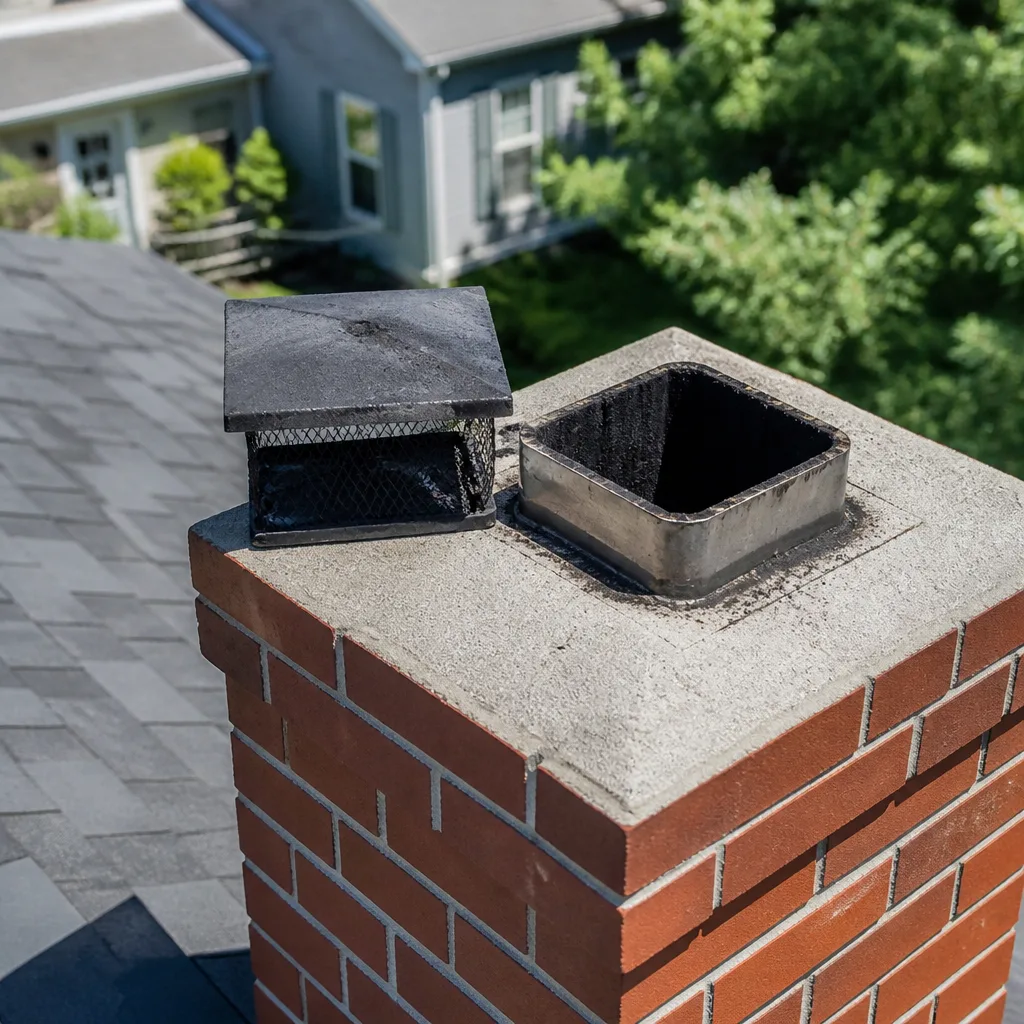
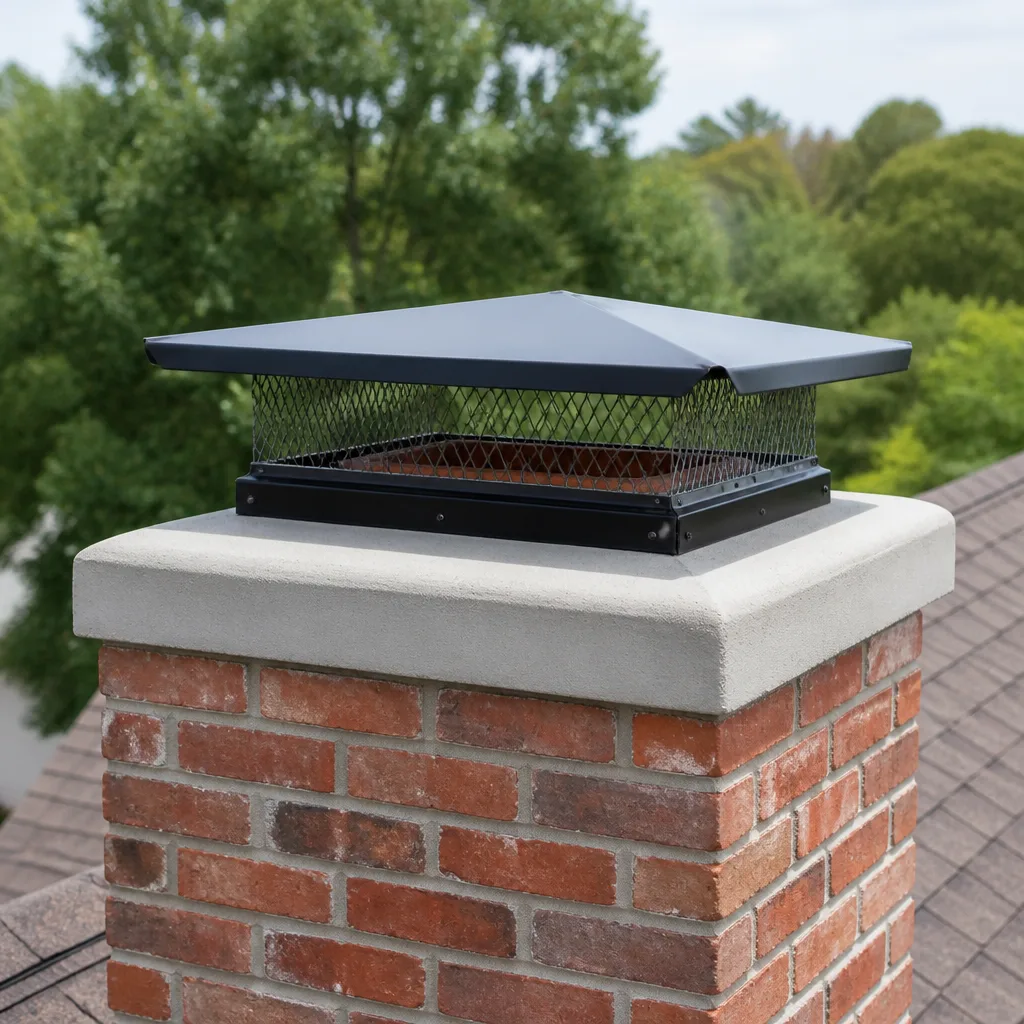 Caps & crowns
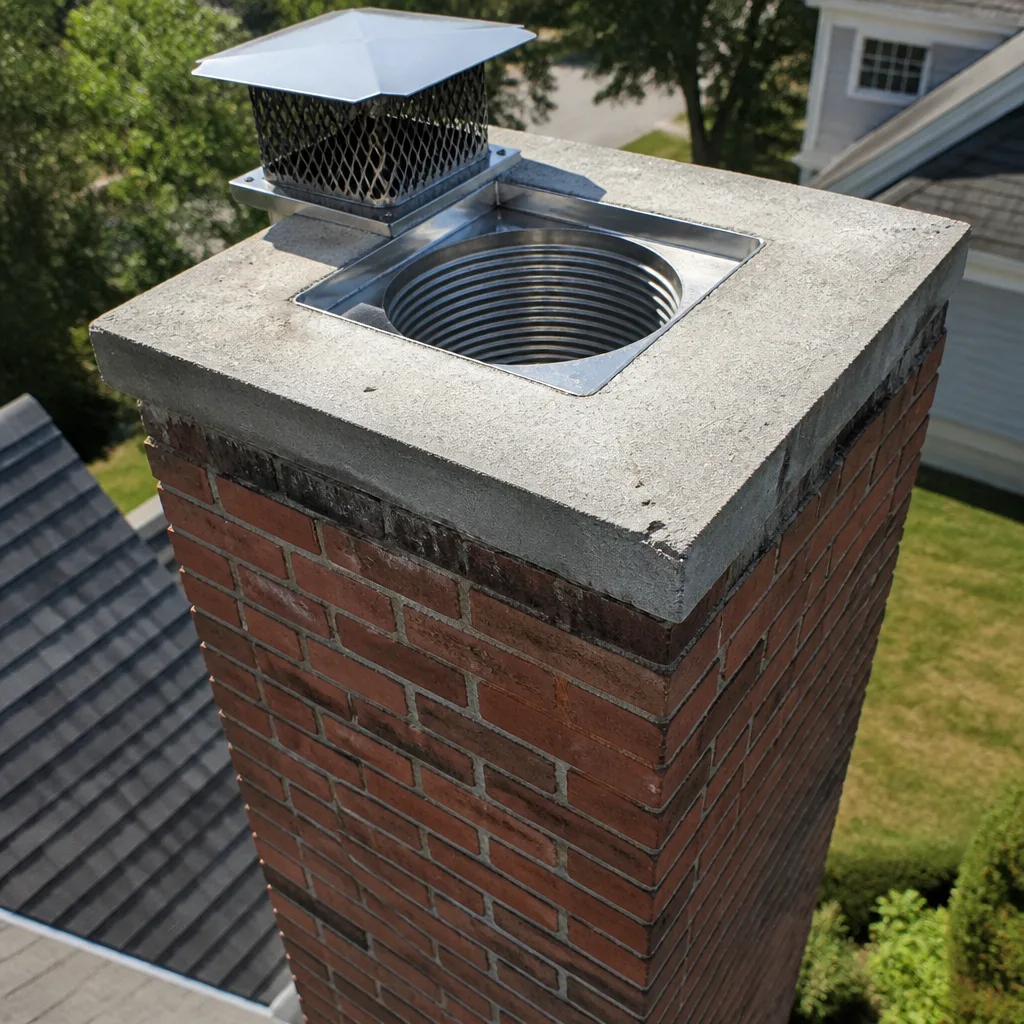 Flue relining
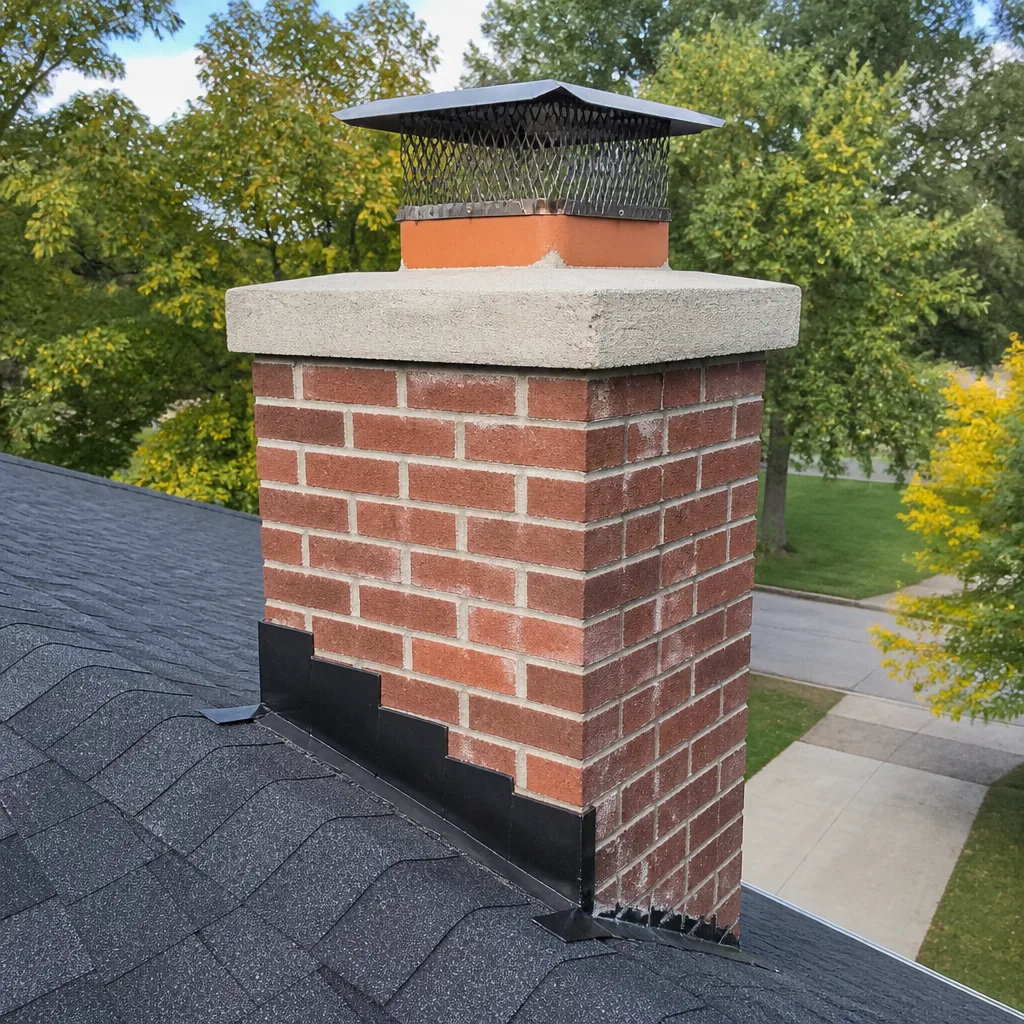 Masonry repair
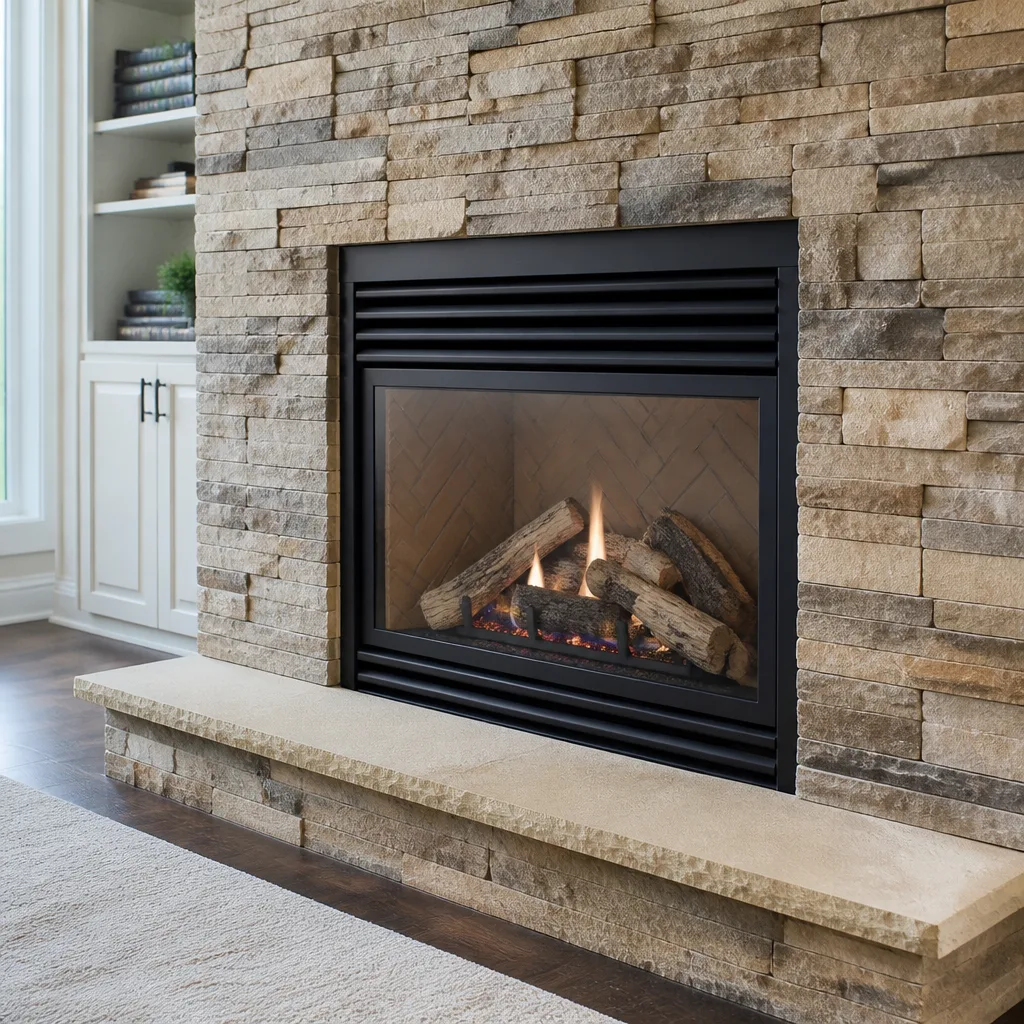 Gas fireplace service
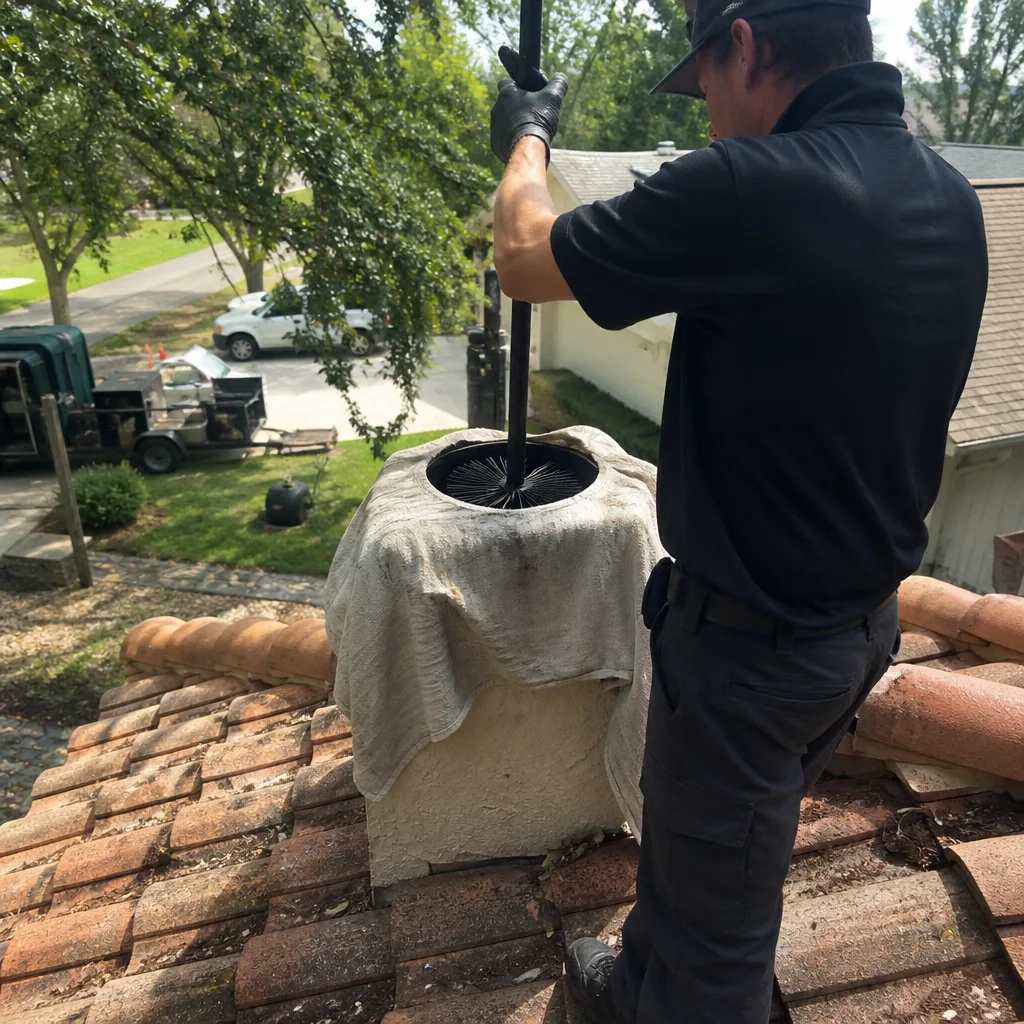
Level 1 sweep and inspection to the NFPA 211 annual standard - flue, crown, cap, and flashing checked and photographed
Chimney sweep logs do not sweep chimneys. They loosen some creosote - which then falls where a brush and vacuum still have to collect it.
Chimney Sweep Troubleshooting in Riverview: Common Problems and How to Fix Them
A smoky fireplace in Riverview is more likely caused by a humidity-warped damper or a flue blocked by nesting insects than by heavy creosote buildup. That surprises people who’ve read the standard national guides, all of which assume a cold climate and a chimney burning hard all winter. Neither describes a Riverview home. Here, the chimney sits idle for months, pulls damp air through the flue, and collects whatever the subtropical outdoors brings in. Different climate, different failure points. In this guide we walk through the problems we actually find in Riverview chimneys, how to tell which symptom points to which root cause, what you can safely check yourself, and where the line is between a simple adjustment and a job that needs a trained eye.
Quick Answer
Most chimney problems in Riverview come from humidity, infrequent use and subtropical debris, not from creosote. The usual culprits are a corroded or warped damper, a flue blocked by bird or insect nesting, a damaged cap letting water in, or smoke rolling out because of low-pressure weather and a short flue. Some of these you can spot and check yourself; anything involving the liner, the flue interior or water intrusion into the masonry needs a professional inspection before you use the fireplace.
Styles & brands we work with
- Sweep & inspection
- Caps & crowns
- Flue relining
- Masonry repair
- Gas fireplace service
Table of Contents
- Why Florida Humidity Attacks Your Damper First
- What an Idle Chimney Collects: Nesting, Moisture and Debris
- Diagnosing Downdraft and Smoke Rollout in Riverview
- What White Staining on Your Chimney Actually Means
- Creosote: Still the Problem, Just Not Always the First One
- DIY Fixes vs. Jobs That Need a Professional
- The Second Fire Hazard: Your Dryer Vent
- What Happens During a Proper Inspection
Why Florida Humidity Attacks Your Damper First
The damper is the metal plate at the top of the firebox that opens and closes the flue. It’s the first component to suffer in a humid climate, and it fails quietly. Warm, moisture-heavy air moves up and down the flue year-round in Riverview, and that constant damp exposure does what a dry northern winter doesn’t: it corrodes the damper frame, stiffens the hinge, and warps the plate until it no longer seats flush. A damper that won’t close leaves a permanent opening to the outdoors.
Once the seal fails, the problem compounds. Humid outside air leaks into the firebox in summer. Cooler air meets it, condenses, and the metal stays wet. Rust spreads from the hinge and frame outward. By the time you light the first fire of the season, the plate may be seized open or frozen half-shut.
Signs your damper is already failing
- A draft you feel in the room when the fireplace is off
- A damper handle that’s stiff, gritty or grinds as you move it
- Visible rust or flaking on the damper plate
- Smoke that leaks into the room instead of going up when you start a fire
- A metallic rattle or clank when you open or close it
Check the damper before every burn season, not after the first smoky fire. Open and close it fully and listen and feel for resistance. If it moves roughly or won’t seat, that’s your first sign. Humidity-related damper corrosion is one of the most common findings in Riverview homes we inspect, and it’s also one of the most preventable with a proper cap and a yearly check. A well-fitted cap from a line like Famco keeps rain and damp air from dropping straight down the flue.
What an Idle Chimney Collects: Nesting, Moisture and Debris
A chimney that burns every day in January stays hot and dry and largely self-cleaning up top. A Riverview chimney may burn a dozen fires a year, and then sit untouched for eight months. That idle period is when it collects things. Warm flues in a subtropical climate are attractive to birds, wasps, palmetto bugs and small mammals looking for shelter. Leaves, seed pods, and wind-blown debris settle on the smoke shelf. None of it burns away on its own.
In warm climates the debris load is different from what northern guides describe. It’s less creosote and more organic material: twigs, nesting, insect casings, palm fronds that blew onto the roof, and leaf litter that worked its way under a loose cap. It blocks the flue the same way creosote does, but it also brings moisture and pests into a space you may not look at for months.
A seasonal check you can do yourself
- Before the first burn of the season, look up the flue from the firebox with a strong flashlight. You’re checking for daylight, not doing anything up there.
- If you see nesting material, twigs or a solid blockage, stop. Don’t burn. A blocked flue pushes smoke and carbon monoxide back into the room.
- From the ground with binoculars, check that the cap is intact and sitting flat, with no gaps or missing panels.
- Look for staining, rust or loose mortar on the exterior, which points to water getting in.
- Open and close the damper and note stiffness or grinding.
If any of that raises a flag, that’s the point to book a professional chimney sweep before the season starts, not after. A swept flue and a sound cap close off most of the problem before it starts.
Diagnosing Downdraft and Smoke Rollout in Riverview
Smoke that rolls out of the firebox instead of rising is the complaint that brings most people to a troubleshooting guide. In Riverview, downdraft has its own set of causes. This is low-elevation country, and our summer weather swings through low-pressure systems that leave the air heavy and the indoor-outside pressure balance unstable. A marginal flue that drafts fine on a crisp morning can struggle on a humid, low-pressure afternoon.
Work through the causes in order, from simplest to most serious. Most smoke rollout is one of these four things.
- A cold flue. A fireplace that hasn’t burned in months has a column of cold, damp air sitting in the flue. Warming it with a rolled newspaper torch held near the damper before you build the fire often fixes a smoky start.
- A partly closed damper. Check that it’s fully open before you light anything.
- A blocked flue. Nesting or debris, as above. If the smoke comes back instead of up, assume a blockage until you’ve confirmed otherwise.
- A short or poorly balanced flue. If the chimney doesn’t rise far enough above the roofline, or a nearby structure or tree creates a downdraft, no amount of fire-building will fix it. That’s a design issue.
Pressure problems and flue-height problems both point to a professional look at the whole system. We can usually tell you in one visit which one you’re dealing with, and we tell you what we found rather than just handing over an invoice.
What White Staining on Your Chimney Actually Means
That chalky white powder on the outside of a Riverview chimney is called efflorescence, and it’s a message, not a cosmetic flaw. It happens when water gets inside the masonry, dissolves salts in the brick or mortar, and then migrates back out and dries on the surface, leaving the salts behind. The white bloom on the outside is a symptom of water on the inside.
In our humid climate, a chimney wicks moisture from both directions: rain that gets past a failed cap or cracked crown, and damp air that condenses inside. Efflorescence that reappears after you clean it is the sign that the water source is still active. Left alone, that trapped moisture freezes nowhere but it still eats away at mortar joints, spalls the brick face, and can rust the metal components inside the flue.
What to do when you see white staining
- Note where it appears. Staining low on the chimney suggests moisture rising or rain splash. Staining high, near the cap, points to a leak at the crown or flashing.
- Check the cap and the concrete crown for cracks, gaps or rust.
- Look for dark staining alongside the white, which can indicate water or combustion byproducts.
- Don’t paint or seal over it. Sealing moisture inside makes the deterioration worse.
Efflorescence that keeps returning after a cleaning is a job for a professional inspection. It almost always traces back to a leaking cap, a cracked crown or failed flashing, and the repair uses purpose-built components from a product line like Copperfield or Olympia Chimney rather than caulk and guesswork.
Creosote: Still the Problem, Just Not Always the First One
None of this means creosote stopped mattering. It means creosote in Riverview builds differently. A fireplace that burns low, smoldering fires a few times a year produces more of the sticky, less complete combustion residue than one that burns hot and often. That residue, in its glazed form, is the fuel for a chimney fire. It’s also hard to spot from the firebox, which is why a professional sweep matters even in a house that barely uses its fireplace.
The type of deposit you have decides how it gets removed. Loose, sooty creosote comes off with a standard sweep. Glazed, tar-like creosote needs more work, and heavy deposits can call for a chemical treatment before sweeping. If the flue interior itself has cracked or deteriorated tiles, sweeping it isn’t enough, and the flue may need relining. That’s where a product like a DuraFlex flexible stainless steel liner comes in, since it adapts to an offset flue that a rigid liner can’t follow.
As a rule of thumb, have the chimney swept once a year if you burn regularly, and at least inspected once a year even if you don’t. In a climate where the fireplace sits idle half the year, the annual inspection is what catches the nesting, moisture and liner issues that a fire never gets hot enough to burn off. Our technicians have up to 8 years of experience, and a large part of what we do in Riverview is explain the difference between the two services: a cleaning visit and a repair-capable visit are not the same thing.
DIY Fixes vs. Jobs That Need a Professional
Some chimney problems are genuinely a homeowner fix. Others are dangerous to attempt and easy to make worse. Drawing that line clearly is the most useful thing this guide can do for you. Here’s the split.
Safe for a homeowner to handle
- Opening and closing the damper to check for stiffness or a poor seal
- Cleaning ash from the firebox once it’s completely cold
- Visual checks with a flashlight up the flue from the firebox
- Binocular checks of the cap and exterior from the ground
- Booking a sweep, and clearing a blocked flue by calling someone qualified
Leave to a trained professional
- Anything that means climbing onto the roof. Height work is the leading cause of serious chimney-related injuries.
- Sweeping or inspecting the flue interior beyond a flashlight look
- Any work on the liner or flue tiles. Cracked tiles are a fire and carbon monoxide risk and should never be handled without training and the right equipment.
- Damper replacement, cap replacement, crown and flashing repair
- Anything involving gas appliances or the venting that serves them
The short version: if a fix involves the roof, the flue interior, gas, or the liner, it’s a professional job. If it’s about what you can see and reach from the hearth, you can safely check it yourself. When a symptom points to the liner or structural damage, the right next step is an inspection that uses a camera, not a guess.
The Second Fire Hazard: Your Dryer Vent
A clogged dryer vent is one of the leading causes of residential fires, right alongside chimney hazards, and it’s the one most homeowners never think about. The same humid air that works on your damper runs through your dryer vent too, and in a Riverview home, lint that picks up moisture clings to the duct walls and builds up faster than it does in a dry climate. A vent that’s restricted slows drying, overheats the dryer, and traps the heat that ignites lint.
We treat dryer vent cleaning as a dedicated service, not an add-on. It’s the other half of the home fire-safety conversation, and it’s worth knowing the warning signs before they become a problem.
- Clothes take longer than one cycle to dry
- The dryer feels hot to the touch on the outside
- A burning or musty smell during a cycle
- Little or no air coming out of the exterior vent flap
- Lint visible around the vent opening or behind the dryer
If you’re already having the chimney looked at, having the dryer vent cleaning done in the same visit makes sense. One call covers both hazards, and a single appointment resolves concerns that would otherwise wait until something fails.
What Happens During a Proper Inspection
A real inspection is not someone shining a light up the flue and giving you a verdict. It’s a documented look at the whole system, and it’s the difference between knowing what’s wrong and guessing. Here’s how it usually goes.
- Exterior check. We look at the cap, crown, flashing and masonry from the ground and from the roof, noting cracks, gaps, efflorescence and staining.
- Firebox and damper. We test the damper, check the firebox for cracks, and look at the smoke shelf for debris.
- Camera inspection of the flue. A camera shows the interior of the flue, the condition of the tiles, and any creosote, nesting or damage that can’t be seen from below.
- Photo report. We show you what the camera saw. Nothing gets recommended without evidence you can see for yourself.
- A clear recommendation. We tell you what needs doing now, what can safely wait, and what the written estimate covers.
That third and fourth step is the part that matters most. If a company tells you that you need thousands of dollars of liner or masonry work and can’t show you why, that’s the moment to get a second opinion. A flue relining job, handled properly with a DuraFlex system, or a flue resurfacing with HeatShield, is real work with real materials. It’s not something you should buy on someone’s word alone. If you’re in Riverview and want a clear read on your chimney, that’s exactly what an inspection produces.
Common Mistakes to Avoid
- Burning before a seasonal check. Lighting the first fire of the year without checking the flue and damper is how a blocked or damaged chimney gets discovered the hard way. Look first, burn second.
- Assuming a warm climate means no chimney care. Idle chimneys in Riverview collect nesting, moisture and debris that a working chimney would burn off. Low use doesn’t mean low maintenance.
- Sealing or painting over efflorescence. Trapping moisture inside the masonry speeds up the damage instead of fixing it. Find the water source, don’t hide the symptom.
- Buying a big repair without evidence. If there’s no camera photo and no explanation of what it shows, ask why. A liner replacement should always be backed by something you can see.
- Mismatching the fix to the symptom. A smoky fire gets blamed on creosote when it’s often a cold flue or a downdraft. Testing the easy causes first saves money.
- Ignoring the dryer vent. All the chimney work in the world doesn’t remove the fire hazard sitting on the other side of the laundry room. Treat it as part of the same job.
- Using generic or hardware-store components. Caps, dampers and liners made for the job last far longer and fit correctly. A cap improvised from a hardware store part rarely seals properly in our humidity.
See the difference
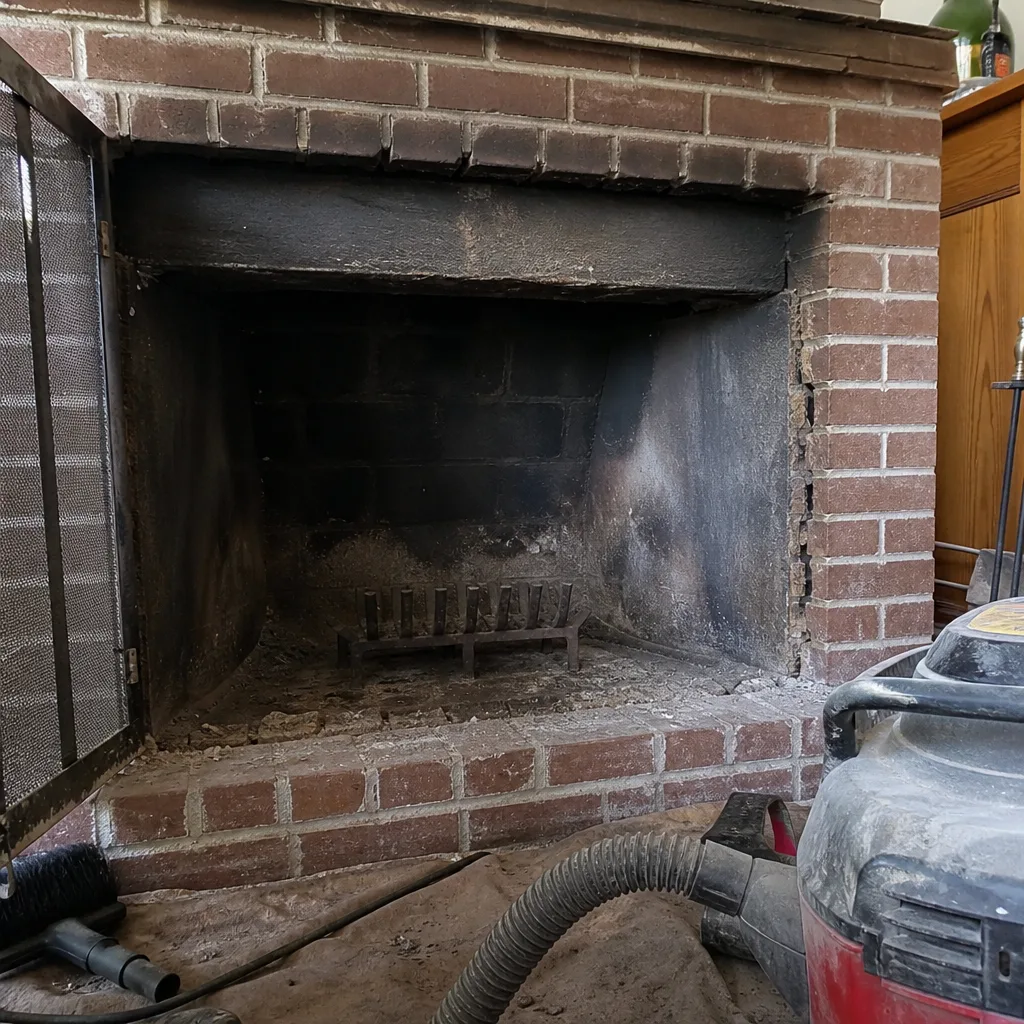 Before
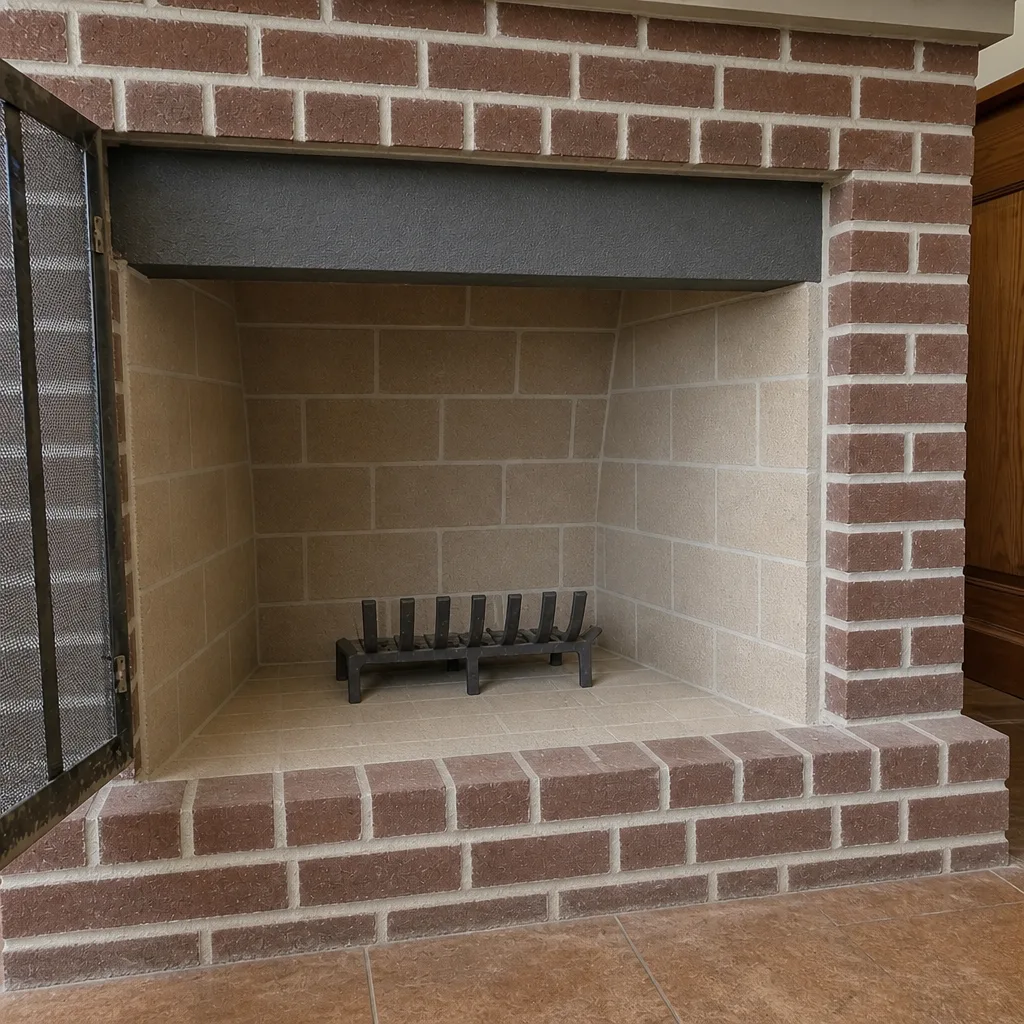 After
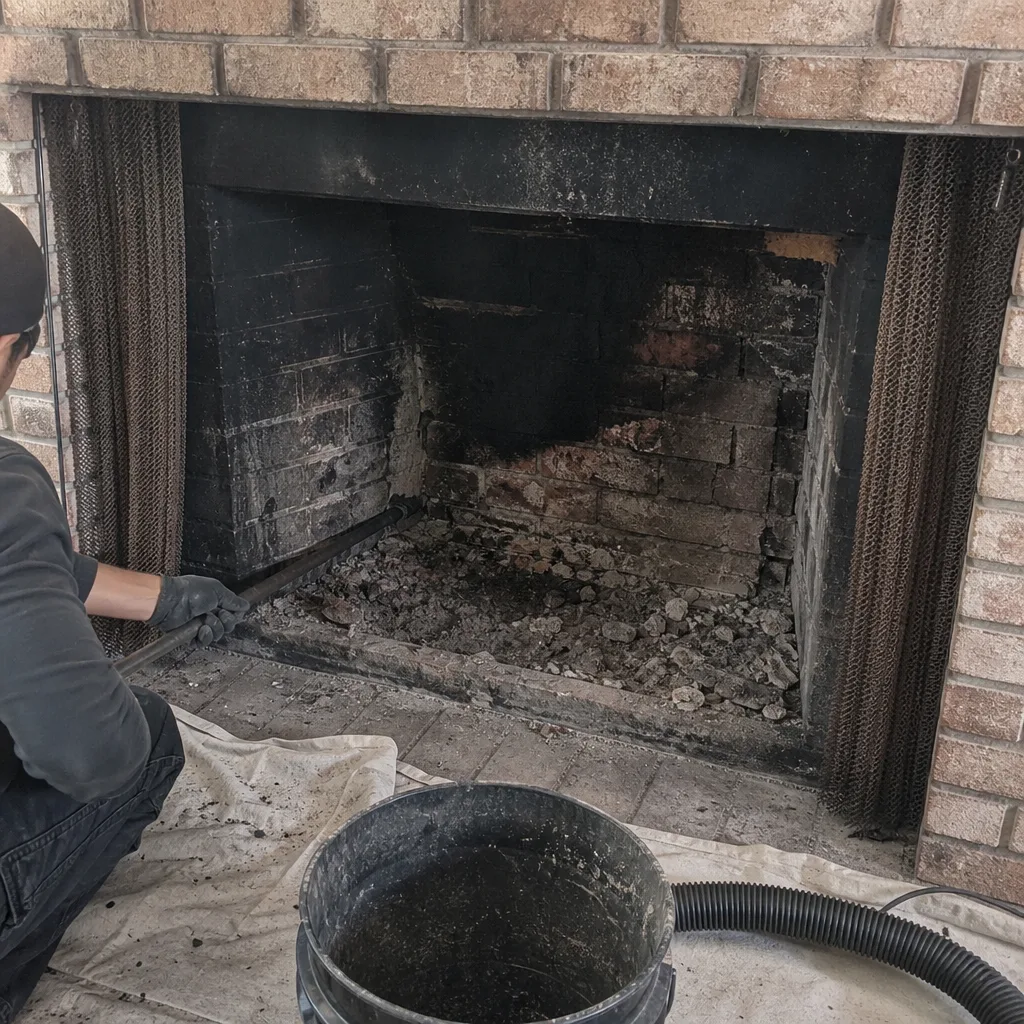 Before
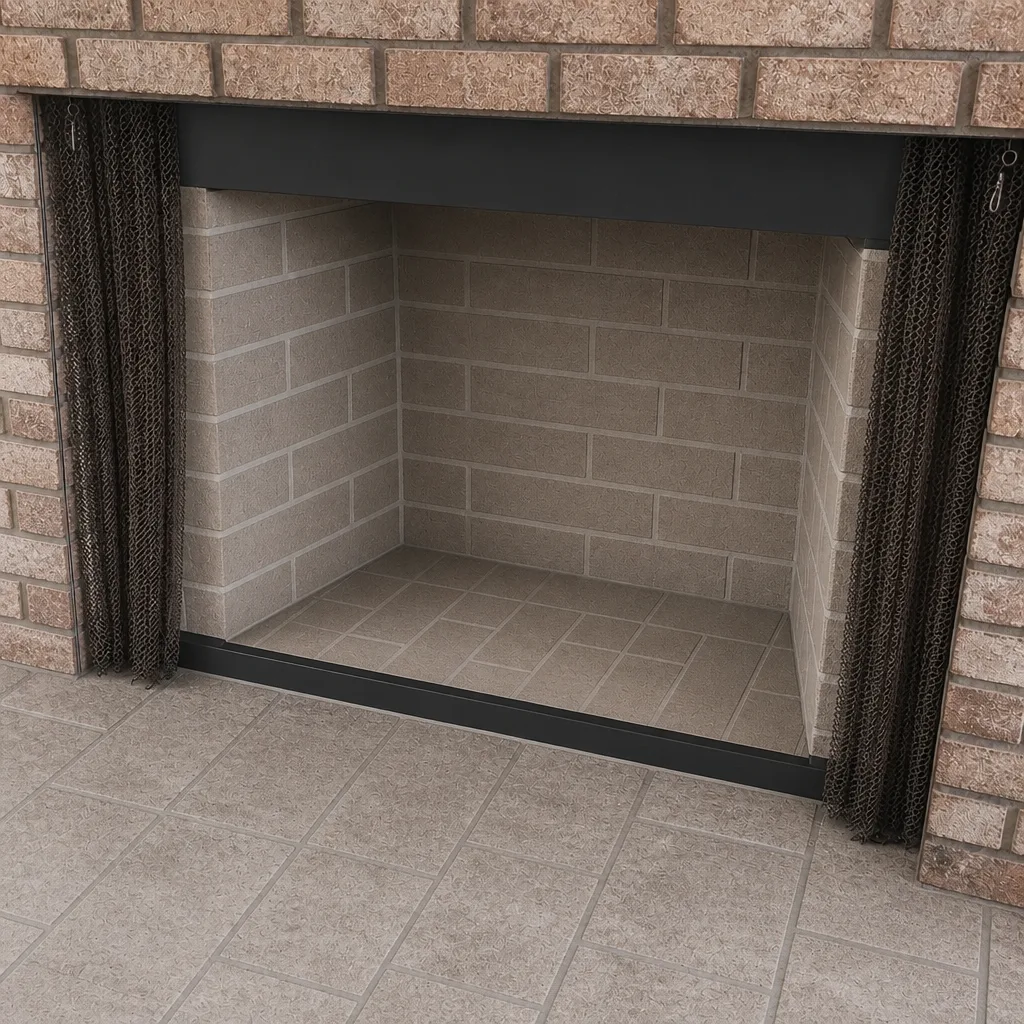 After
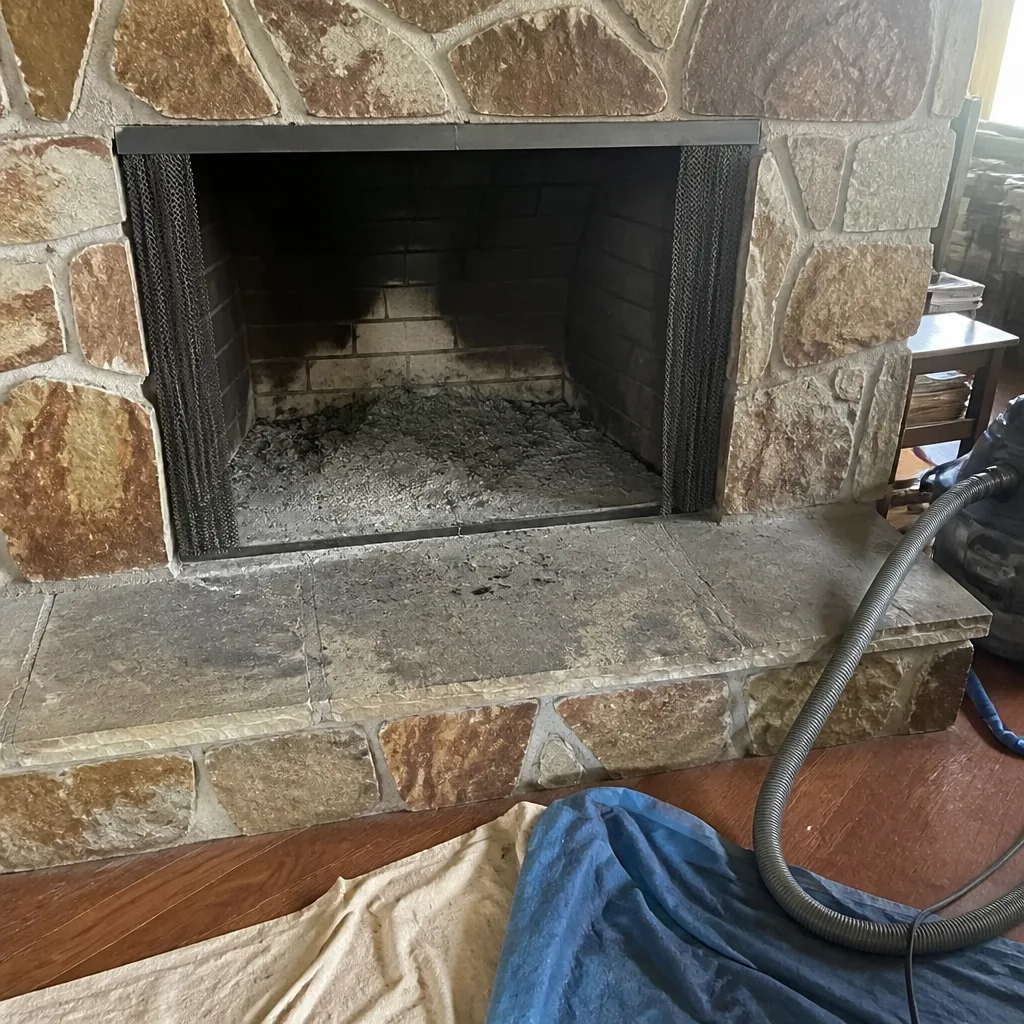 Before
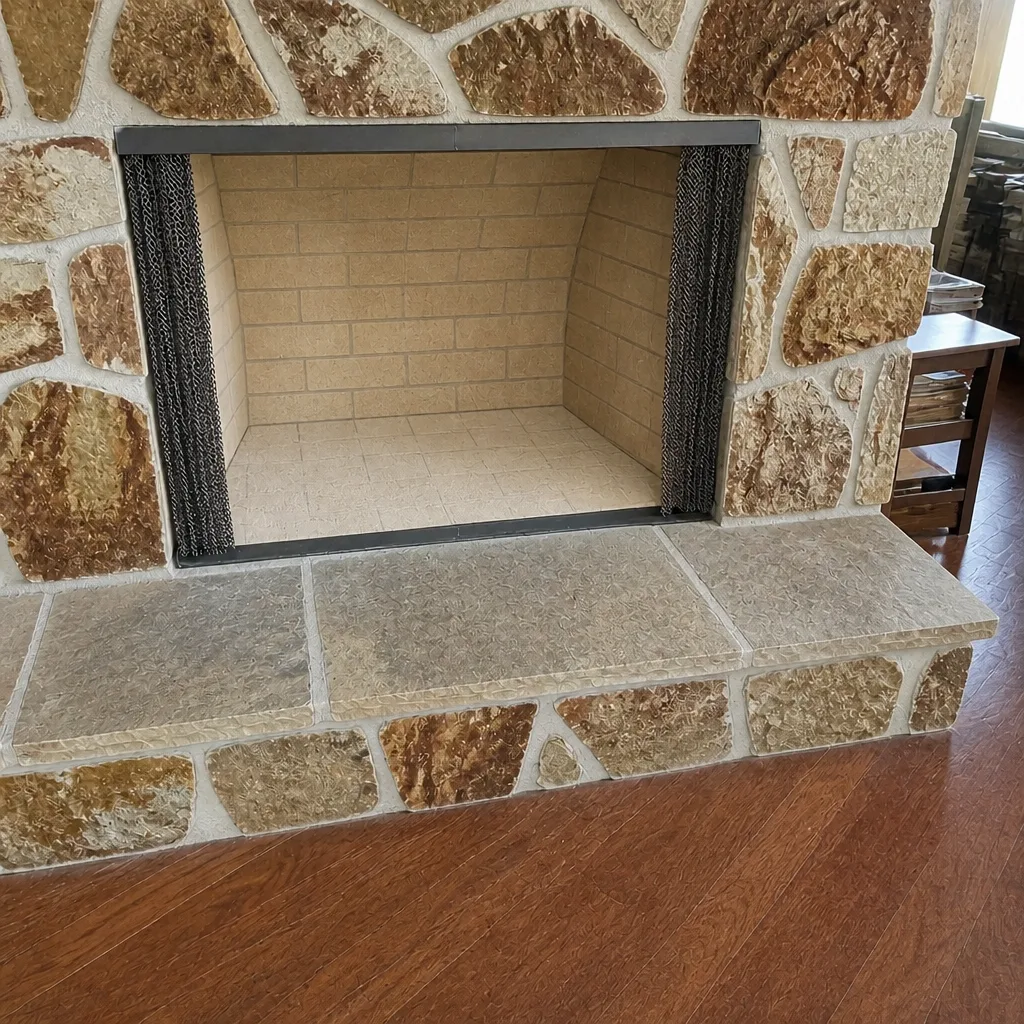 After
When to Call a Professional
Call a professional when smoke rolls into the room instead of going up, when you see white staining that keeps coming back, when there’s visible rust or flaking on the damper, or when a flashlight check shows a blockage you can’t clear from below. Call when the liner or flue tiles may be damaged. Call before the first burn of the season if the chimney hasn’t been inspected in a while. These aren’t emergency calls, so there’s no reason to wait for something to fail. Chimney Sweep Riverview offers free estimates in Riverview. Call (844) 834-1749. We answer 24/7. Fast dispatch from 7am to 7pm, Sunday through Friday. Our technicians have up to 8 years of experience, and we tell you what we found, not just what we’d like to sell you.
Frequently Asked Questions
The most common is a failing damper, usually from humidity corrosion, followed by flue blockages from nesting and debris in an idle chimney. Neither shows up the way creosote buildup does, which is why a visual check before the season catches more than a fire ever will. Call (844) 834-1749 for a free estimate if you want a proper look.
White powder on the brick is efflorescence, and it means moisture is getting into the masonry and drying back out through the surface. It’s not cosmetic. If it comes back after you clean it, the water source is still active, usually a failed cap, a cracked crown or flashing. That’s worth a professional look. Call (844) 834-1749 to book an estimate.
Yes, up to a point. Check that the damper is fully open, warm the flue with a newspaper torch, and look for an obvious blockage from the firebox. If smoke still rolls out, the cause is likely a pressure problem, a short flue or a liner issue, and that’s when it’s time to call a professional. Call (844) 834-1749 for an exact quote.
Once a year if you burn regularly, and at least inspected once a year even if you rarely light a fire. In a warm climate the chimney sits idle for months, and that’s when it collects the debris and moisture a working chimney would clear. Call (844) 834-1749 to schedule a sweep.
Only if the inspection shows the flue tiles are cracked or deteriorated, and you should always see the camera evidence before agreeing to it. A flexible stainless liner such as DuraFlex handles offset flues that a rigid liner can’t. If the flue is sound, no liner is needed, and we’ll tell you so. Call (844) 834-1749 for an honest assessment.
We’re closed Saturday. We’re open Sunday through Friday, 7am to 7pm. If a call comes in outside those hours, it gets booked into the next opening. Call (844) 834-1749 and we’ll find you a time that works. We answer 24/7.
The Bottom Line
Chimney problems in Riverview follow Florida rules, not the ones in national winter guides. Humidity corrodes dampers and drives moisture into the masonry. Idle chimneys collect nesting and debris instead of burning it off. Low-pressure weather and short flues cause the smoke rollout people blame on creosote. Knowing which symptom points to which cause is the whole game, and it’s what saves you from paying for the wrong fix. Check what you can safely see, call a professional for anything involving the liner, the roof or the flue interior, and treat your dryer vent as part of the same job. If you’d like a clear, evidence-based look at your chimney, Chimney Sweep Riverview is here to help. Call (844) 834-1749 for a free estimate. We answer 24/7. Fast dispatch from 7am to 7pm, Sunday through Friday.
Written by the team at Chimney Sweep Riverview.