
Last updated November 15, 2026
 Sweep & inspection
 Caps & crowns
 Flue relining
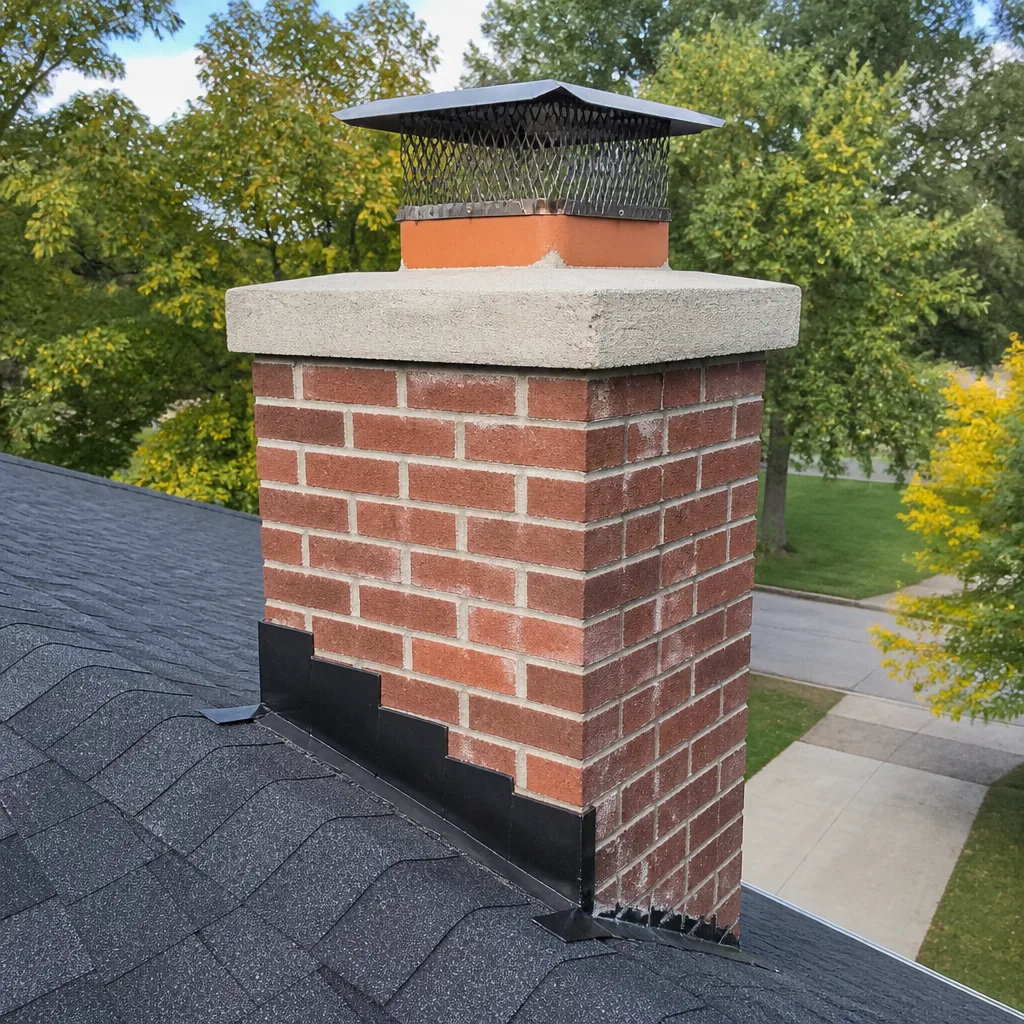 Masonry repair
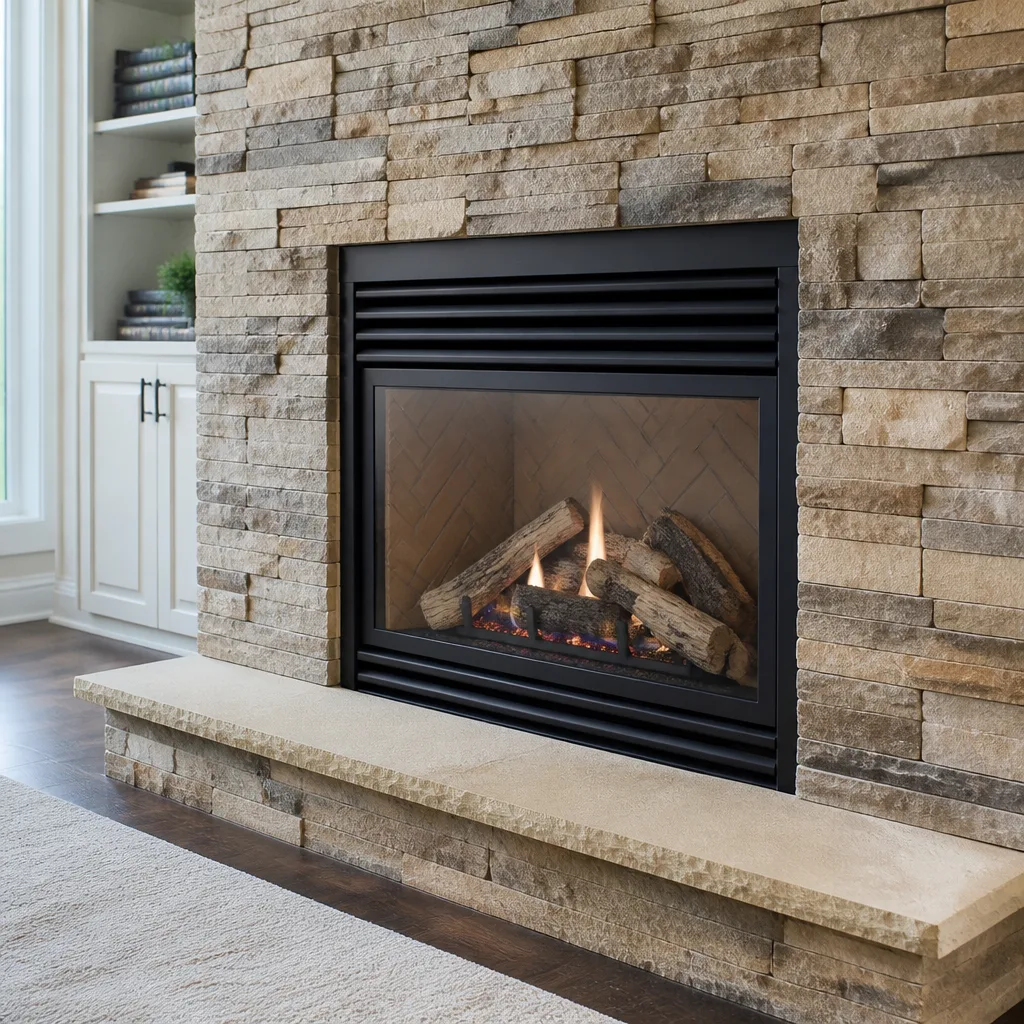 Gas fireplace service
Level 1 sweep and inspection to the NFPA 211 annual standard - flue, crown, cap, and flashing checked and photographed
Chimney sweep logs do not sweep chimneys. They loosen some creosote - which then falls where a brush and vacuum still have to collect it.
DIY vs Professional Chimney Cleaning: The Riverview Homeowner’s Decision Guide
You can physically clean a chimney flue with a $40 brush kit. What you can’t do with that kit is determine whether the deposits you just removed were Stage 1, Stage 2, or Stage 3 creosote. That distinction changes whether your fireplace is safe to use at all, and it’s the real dividing line in the DIY debate. Most homeowners in Riverview can run a brush through a flue. Far fewer can read what came out of it, inspect the liner for cracks, or confirm the cap is doing its job. This guide maps exactly where the DIY ceiling sits, what a professional visit actually covers, and how to decide which side of that line your fireplace belongs on.
Quick Answer
You can safely handle light exterior maintenance yourself – checking the cap, clearing debris, testing the damper – but a full flue cleaning and inspection should be done professionally because a brush kit can’t classify creosote stages, inspect the liner by camera, or document the results for your insurer. In Riverview, where fireplaces see infrequent use and mild winters, the practical answer is annual professional cleaning with DIY visual checks in between.
Styles & brands we work with
- Sweep & inspection
- Caps & crowns
- Flue relining
- Masonry repair
- Gas fireplace service
Table of Contents
- Why Creosote Stage Classification Matters More Than the Sweeping
- What a Rotary System Removes That a Brush-and-Rod Kit Leaves Behind
- The Inspections That Require Professional Equipment
- DIY Tasks That Are Genuinely Appropriate
- What Does Chimney Cleaning Cost in Riverview?
- Liability and Insurance: The Case for Documentation
- Riverview’s Infrequent-Use Fireplace Profile
- A Step-by-Step Decision Framework
Why Creosote Stage Classification Matters More Than the Sweeping
Creosote is the residue left behind when wood smoke cools inside a flue, and it doesn’t form in one uniform texture. It forms in three distinct stages, and only one of them is something a homeowner can realistically identify by eye. Stage 1 is a light, flaky soot that brushes off easily. Stage 2 is a hardened, crusty deposit that clings to the flue wall and needs mechanical agitation to remove. Stage 3 is a glazed, tar-like coating that has essentially baked onto the liner surface, and it’s the stage that most directly raises fire risk because it burns hot and can’t be brushed away.
Here’s the part that matters for a DIY decision: the difference between Stage 1 and Stage 3 isn’t visible from the firebox. You’re looking up a dark flue with a flashlight, and what looks like soot from below may be a glazed layer further up. Trained technicians classify creosote by feel, texture, and appearance at the point of removal, using tools that reach the full flue length. That classification is what determines whether a chimney gets a standard cleaning, a more aggressive rotary treatment, or a recommendation to stop using the fireplace until repairs are made.
- Stage 1: light soot, brushes away, low concern.
- Stage 2: hardened crust, needs rotary or mechanical removal, moderate concern.
- Stage 3: glazed tar, requires professional treatment and often signals a liner problem, high concern.
In our experience, homeowners who’ve cleaned their own chimneys for years often assume they’ve been looking at Stage 1 buildup because that’s what they can see. The stage that prompted a professional call is usually further up the flue, past where a flashlight reaches. Our technicians have up to 8 years of experience reading exactly these patterns, and it’s a big part of why a chimney sweep visit isn’t the same task as a DIY brushing.
What a Rotary System Removes That a Brush-and-Rod Kit Leaves Behind
A brush-and-rod kit is a stiff bristle brush on flexible rods, and it works by scraping. A rotary cleaning system spins a weighted brush head at speed, and that difference in motion matters most on Stage 2 and Stage 3 deposits. A hand-pushed brush tends to glide over glazed or hardened creosote and knock off only what’s loosely attached. A rotary head grinds into the deposit and removes it down to the liner surface.
There’s a Riverview-specific angle here. Fireplaces in this part of Florida tend to see short, occasional burns during the cooler months rather than the long, hot fires of a colder climate. That pattern – frequent small fires, infrequent full burns, and a flue that never gets very hot for very long – is exactly the condition that encourages creosote to cool and harden before it can be carried out. The result is a flue that can build Stage 2 deposits faster than the number of fires would suggest. A gentle hand-brush pass doesn’t fully address that; a rotary system does.
- Pre-inspection: the technician checks flue condition and access before any cleaning begins.
- Drop cloth and containment: the firebox and surrounding floor are protected before work starts.
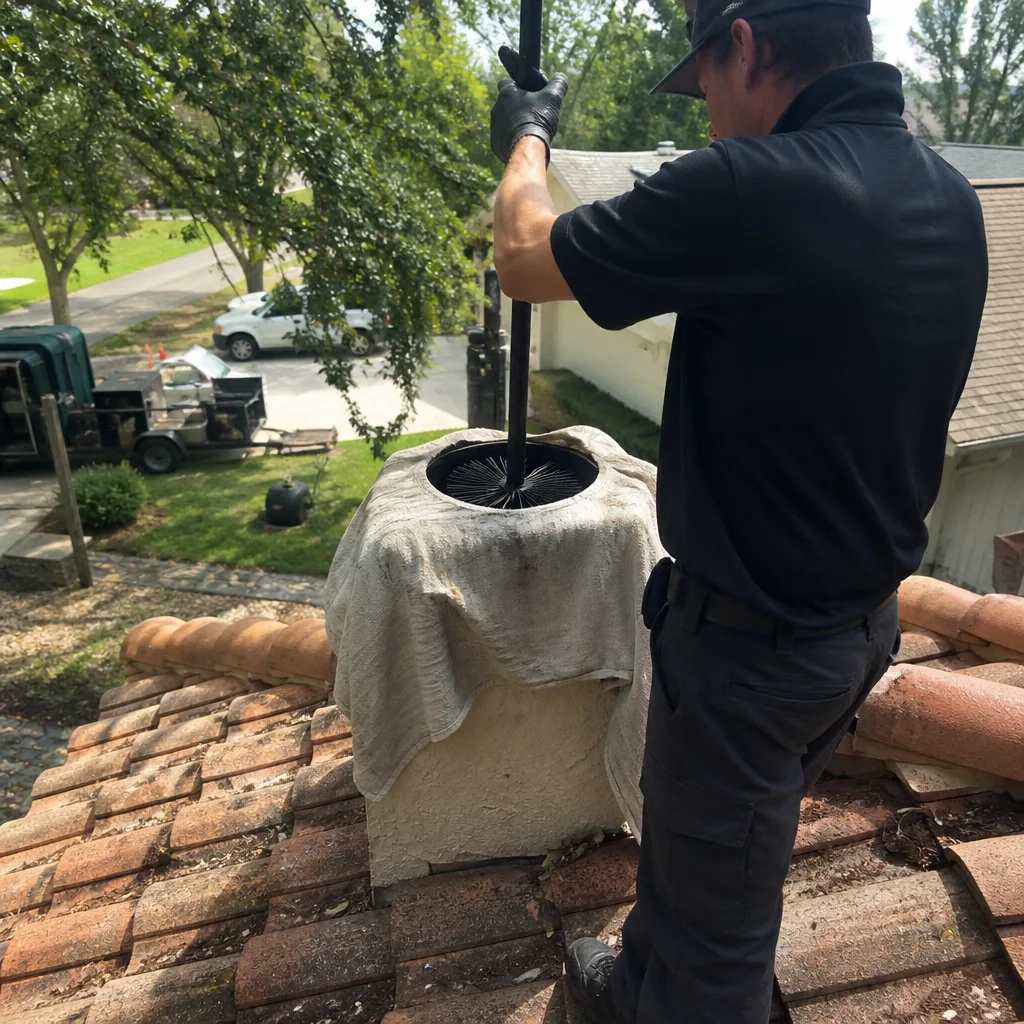
- Rotary flue cleaning: a spinning brush head works the full flue length, grinding hardened deposits loose.
- Debris extraction: loosened creosote and soot are removed, not left to settle in the smoke shelf.
- Post-cleaning camera review: the flue is re-checked to confirm the liner is clear and intact.
We use contractor-grade equipment on every job, which is the same reason our repair work relies on DuraFlex liner systems and HeatShield resurfacing rather than generic mortar patches. A cleaning visit and a repair-capable visit aren’t the same thing, and it helps to know which one you’re actually booking.
The Inspections That Require Professional Equipment
Some checks in a chimney can’t be done with a flashlight and a mirror, no matter how careful the homeowner is. Two stand out: camera liner inspection and smoke draft testing. Both require specialized tools, and both produce information that a visual check from the firebox simply can’t.
Camera liner inspection means running a camera down the flue to look for cracks, gaps at joints, and offset sections where the liner changes direction. A clay tile liner can look intact from the firebox and still have a hairline crack two feet up. A stainless liner can have a joint that’s separated just enough to let heat and gases escape into the chimney structure. The camera finds those; a flashlight pointed up from below doesn’t.
Smoke draft testing confirms that the chimney is pulling combustion gases up and out as it should. Poor draft can push smoke and carbon monoxide back into the living space, and it can stem from a flue that’s the wrong size, a blocked cap, or a liner issue. Testing draft properly requires controlled smoke and observation equipment, not a guess based on how the fireplace behaved last season.
These inspections matter more than the sweeping in some cases, because a clean flue with a cracked liner is still a hazard. That’s the point most DIY guides skip. Removing the soot is the visible part of the job; confirming the flue is sound is the part that protects the house. Our full capability – sweeping, repair, and dryer vent cleaning – means one visit can address the whole ventilation picture, and we tell you exactly what the camera showed so you can see it yourself.
DIY Tasks That Are Genuinely Appropriate
There’s real DIY work in chimney care. It just isn’t the cleaning itself. The tasks below are safe, useful, and worth doing between professional visits. They keep small problems from turning into expensive ones, and they give you better information to share when you do book a sweep.
- Exterior visual check: from the ground, look at the chimney cap, the crown, and the visible masonry. Look for a cap that’s loose, bent, or missing, and for staining on the exterior brick. Don’t climb the roof to do this – use binoculars from a safe spot.
- Cap debris clearing: leaves and twigs can collect on top of a cap and block the mesh. If you can safely reach it with a long-handled tool from a stable position, clear it. If reaching it means getting on the roof, leave it for a professional.
- Damper operation testing: open and close the damper a few times before the season starts. It should move freely and seal. A damper that sticks or won’t close fully is a sign to have it looked at.
- Firebox visual check: look for loose bricks, cracked mortar joints, or gaps at the smoke shelf. Note anything you find and mention it when you book.
- Dryer vent exterior check: confirm the outside vent flap opens when the dryer runs and isn’t clogged with lint. This is a simple check that catches a serious fire hazard early.
What none of this does is tell you the condition of the flue interior or the creosote stage. Those still need a trained eye and the right tools. Think of the list above as maintenance that makes the professional visit more productive, not as a substitute for it.
What Does Chimney Cleaning Cost in Riverview?
Chimney cleaning in the Riverview area typically runs in a moderate range for a standard sweep and inspection, with repair work priced separately by the scope of what’s found. The written estimate sets the final price, so you’ll know the number before any work starts. Below is a general sense of how the work breaks down.
| Service | Typical Estimate Range |
|---|---|
| Standard chimney sweep with inspection | Moderate – priced per job by written estimate |
| Camera liner inspection | Often included with a sweep; confirm at booking |
| Chimney cap replacement (Gelco, Famco) | Priced by cap type and fit |
| HeatShield flue resurfacing | Priced by flue length and condition |
| DuraFlex liner installation | Priced by flue length and configuration |
| Dryer vent cleaning | Priced per run and access |
Comparing a DIY brush kit at roughly the cost of the tool against a professional sweep isn’t quite a fair comparison, because the two aren’t buying the same thing. The DIY kit buys a brush. The professional visit buys the cleaning, a camera inspection, a creosote classification, and a written record of the findings. When you weigh the cost, weigh what you’re getting for it. Call (844) 834-1749 for an exact quote. Estimates are free, and the price is set per job by the written estimate.
Liability and Insurance: The Case for Documentation
If a chimney fire happens and there’s no record of professional inspection, the homeowner carries the burden of showing the chimney was maintained. That’s the practical reality of self-cleaning without documentation. Insurance companies increasingly ask for proof of maintenance when a chimney-related claim comes in, and a stack of receipts for brush kits doesn’t answer that question.
Professional visits produce a record. The technician inspects, cleans, and documents what was found – the creosote stage, the liner condition, any repairs recommended. That record lives with you, not just with the company. If a claim ever comes up, you have evidence of routine care and a paper trail showing when issues were identified and addressed. Without that, an adjuster can reasonably ask whether the chimney was ever inspected at all.
- A professional visit creates a dated record of inspection and cleaning.
- Camera findings document liner condition at a point in time.
- Recommended repairs are noted, so you can show you acted on them.
- Self-cleaning leaves no external record of condition or care.
This isn’t a scare tactic. Most chimneys never have a fire. But the cost of a documented maintenance record is small compared with the cost of a disputed claim, and it’s one of the clearer reasons a professional sweep earns its place even for a lightly used fireplace in Riverview.
Riverview’s Infrequent-Use Fireplace Profile
Riverview’s mild winters shape how fireplaces here get used. Most households light a fire a handful of times during the cooler months rather than burning steadily through a long season. That changes the maintenance math in a specific way: less overall creosote, but a higher chance that what does form hardens before it’s cleaned because the fireplace sits idle for most of the year.
For this profile, annual professional cleaning is still the right baseline, but the reason is less about volume and more about inspection. A once-a-year visit catches liner cracks, cap failures, and creosote stage concerns before they compound over several idle seasons. Between visits, the DIY checks above are genuinely useful. Skipping the annual visit for several years because “we hardly use it” is where the gap in documented care opens up.
Riverview’s housing stock also matters. Homes with wood-burning inserts have different flue configurations than open fireplaces, and inserts often need their own inspection approach. Gas appliances and aging dryer ductwork add separate ventilation concerns that a chimney-focused visit can cover in the same appointment. That’s why we treat the full ventilation picture – chimney, insert, gas venting, dryer duct – as one conversation rather than three separate errands. If you’re in Riverview and haven’t had the flue looked at in a few seasons, that’s the clearest signal to book a sweep.
A Step-by-Step Decision Framework
Here’s how to decide, in order, whether a given task belongs to you or to a professional. Work through these in sequence; the first “no” is your answer.
- Does the task involve reaching into the flue? If yes, it’s a professional task. Brush kits sold for homeowner use still require reaching the full flue length safely.
- Does the task require classifying what you find? Creosote stage, liner condition, and draft performance all need trained judgment. Professional.
- Does the task produce a record you might need later? Inspection documentation and repair recommendations belong on a professional report. Professional.
- Is the task an exterior visual check, cap debris clearing, or damper test? These are safe DIY tasks when done from a stable, ground-level position.
- Does the task involve the roof or height? Professional, every time. Roof work is a fall hazard and not worth the risk for a homeowner.
- Is the task checking the dryer vent flap or lint screen? DIY, and worth doing regularly.
The pattern is consistent: everything at ground level and visual is yours, everything inside the flue or on the roof is ours. Our technicians have up to 8 years of experience, and the tools we bring – rotary cleaning heads, cameras, draft testing equipment – are the reason the professional side of that line exists at all. For a broader look at what a standard visit covers, see Chimney Sweep Riverview.
Common Mistakes to Avoid
- Assuming you can see the whole flue from the firebox. A flashlight shows you the bottom few feet. Creosote stage and liner cracks usually sit well above that line. If you’re judging condition by what’s visible from below, you’re guessing.
- Cleaning without inspecting. A brush removes soot; it doesn’t tell you whether the liner is sound or the cap is doing its job. Cleaning without inspection leaves the actual hazard unaddressed.
- Skipping the annual visit because the fireplace gets light use. In Riverview’s mild climate, a lightly used fireplace can still build hardened deposits over idle seasons. Low use is not the same as low maintenance.
- Climbing the roof to check the cap. It’s the most common DIY injury in chimney care. Use binoculars from the ground, and let a professional handle anything that requires getting up there.
- Treating a homeowner brush kit as equivalent to a rotary system. Brush-and-rod kits scrape; rotary heads grind. Stage 2 and Stage 3 deposits need the second approach.
- Keeping no maintenance records. If a claim ever arises, the absence of documentation is a problem. Keep the reports from every professional visit.
- Ignoring the dryer vent. It’s a separate fire hazard from the chimney, and it’s easy to forget because it’s not in the living room. Check the exterior flap regularly and have the vent cleaned on a schedule.
See the difference
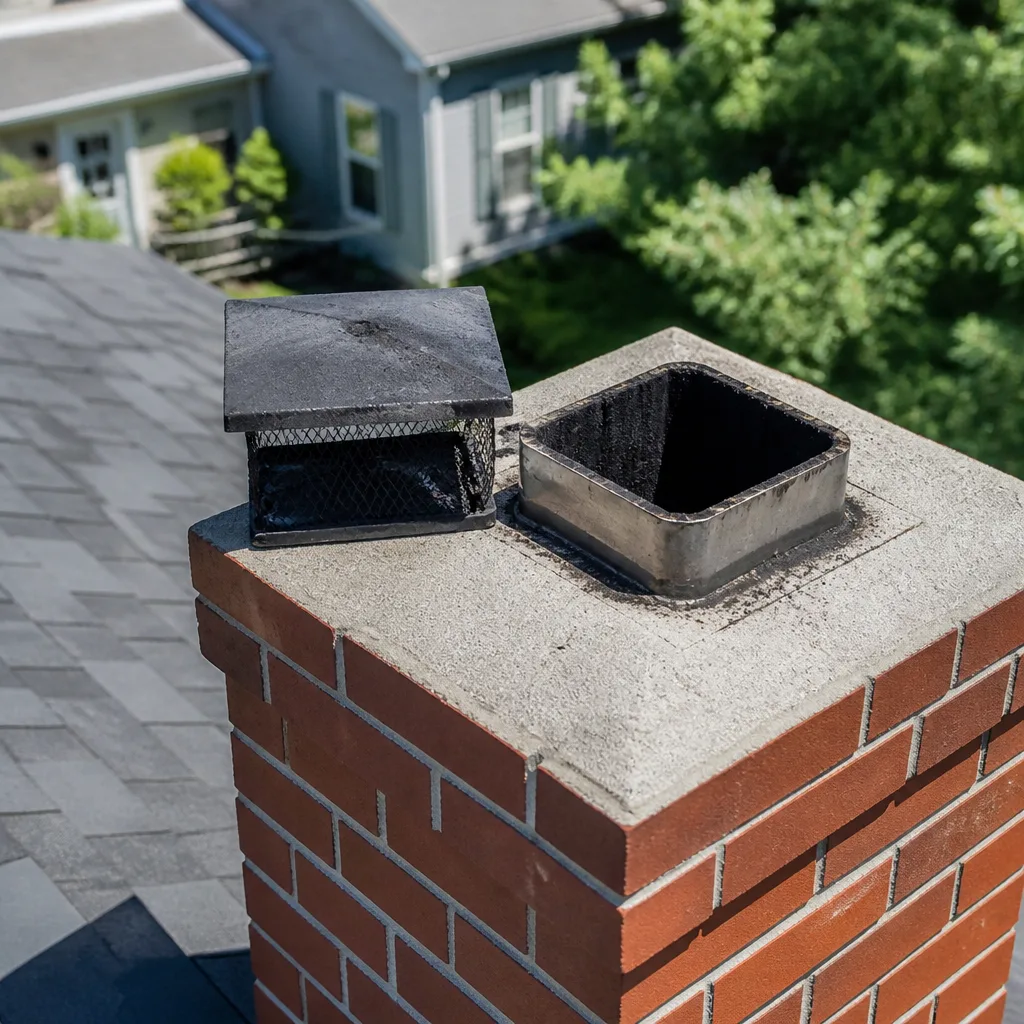
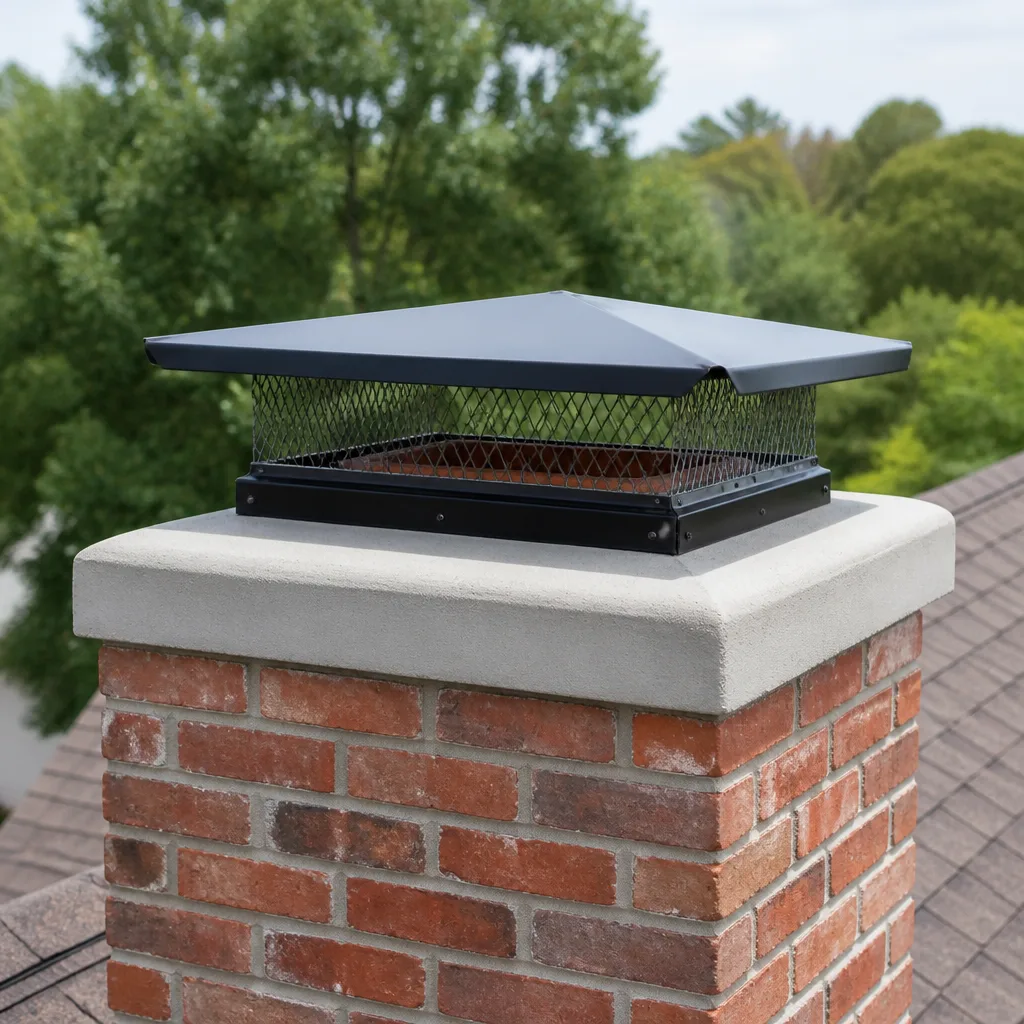
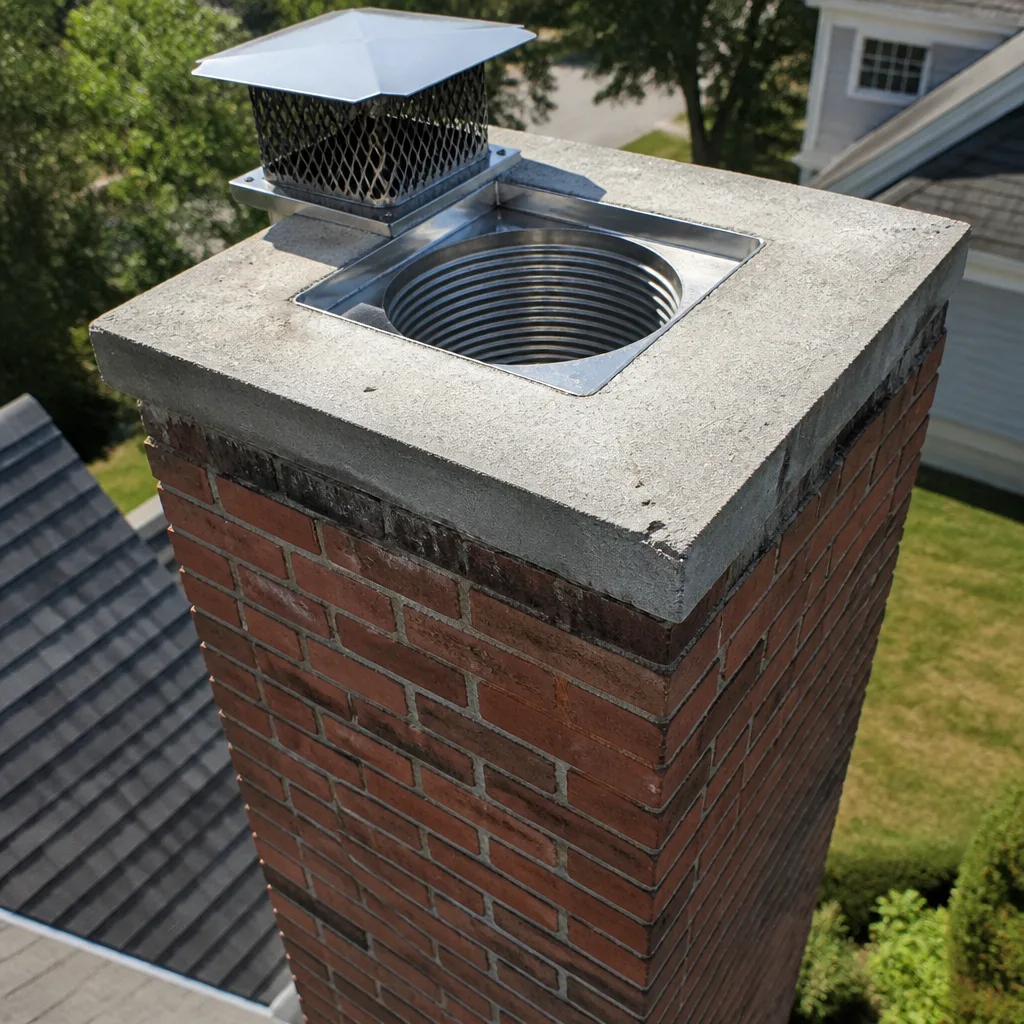
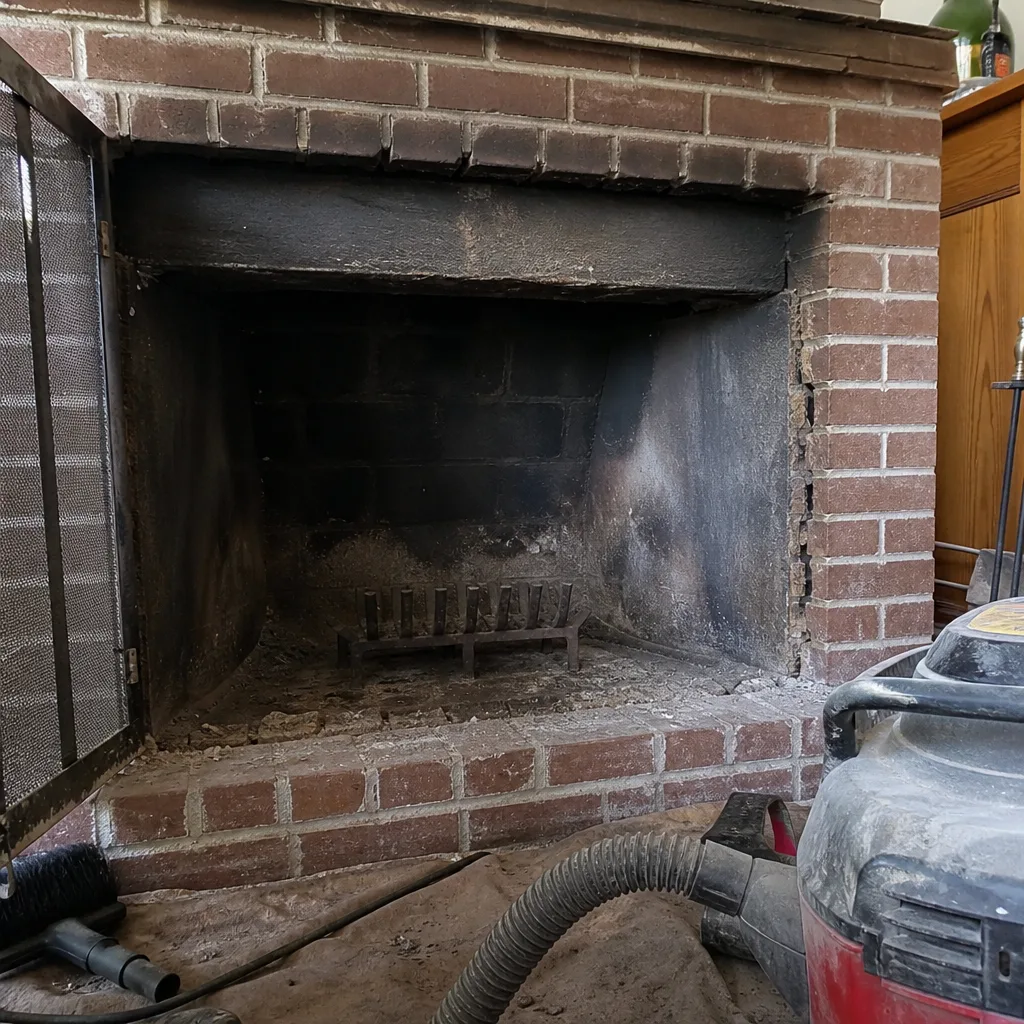 Before
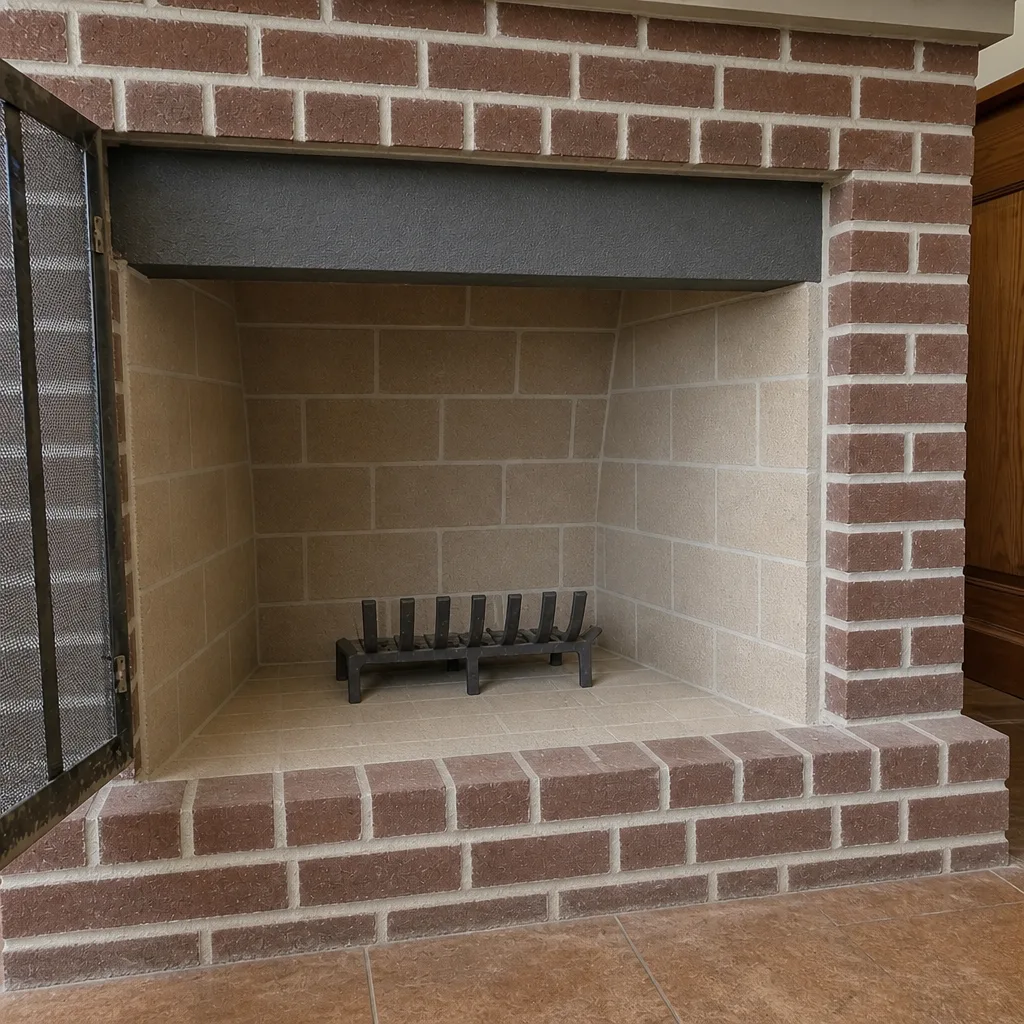 After
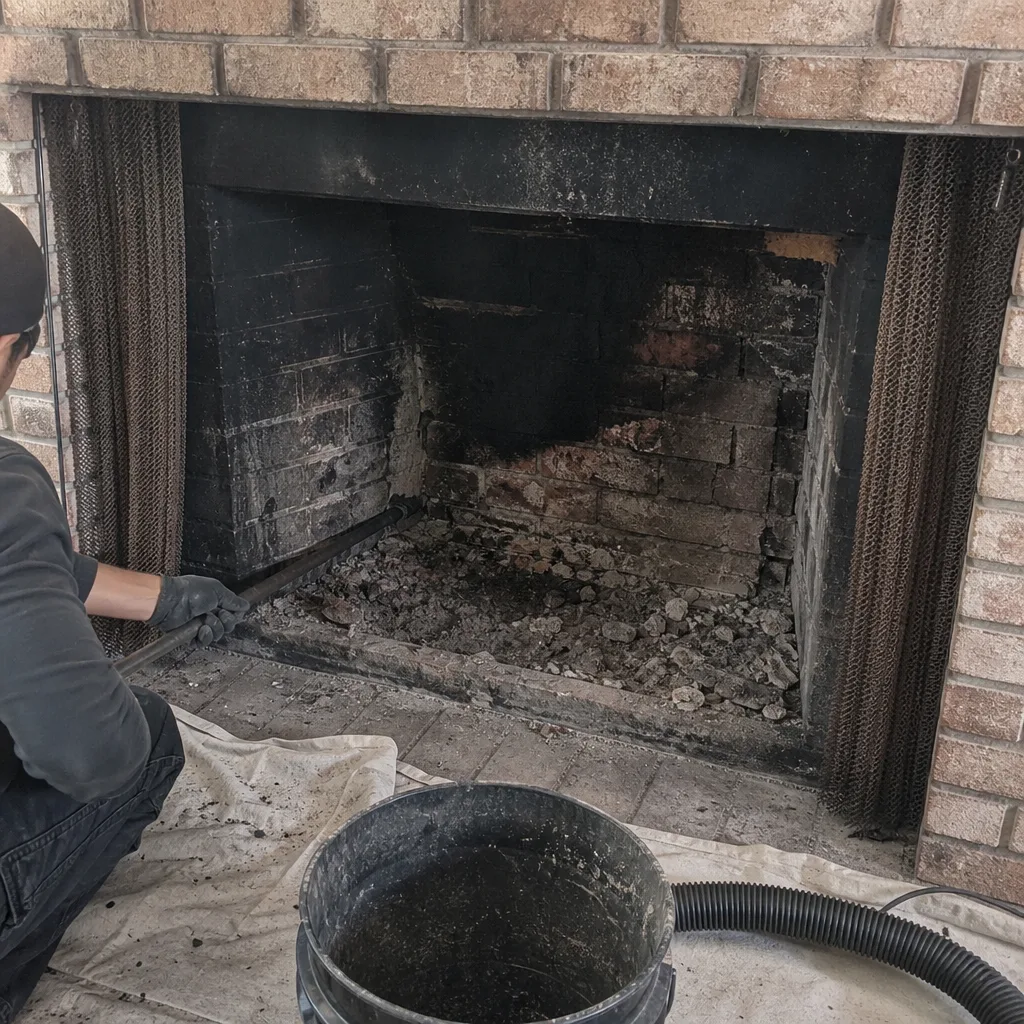 Before
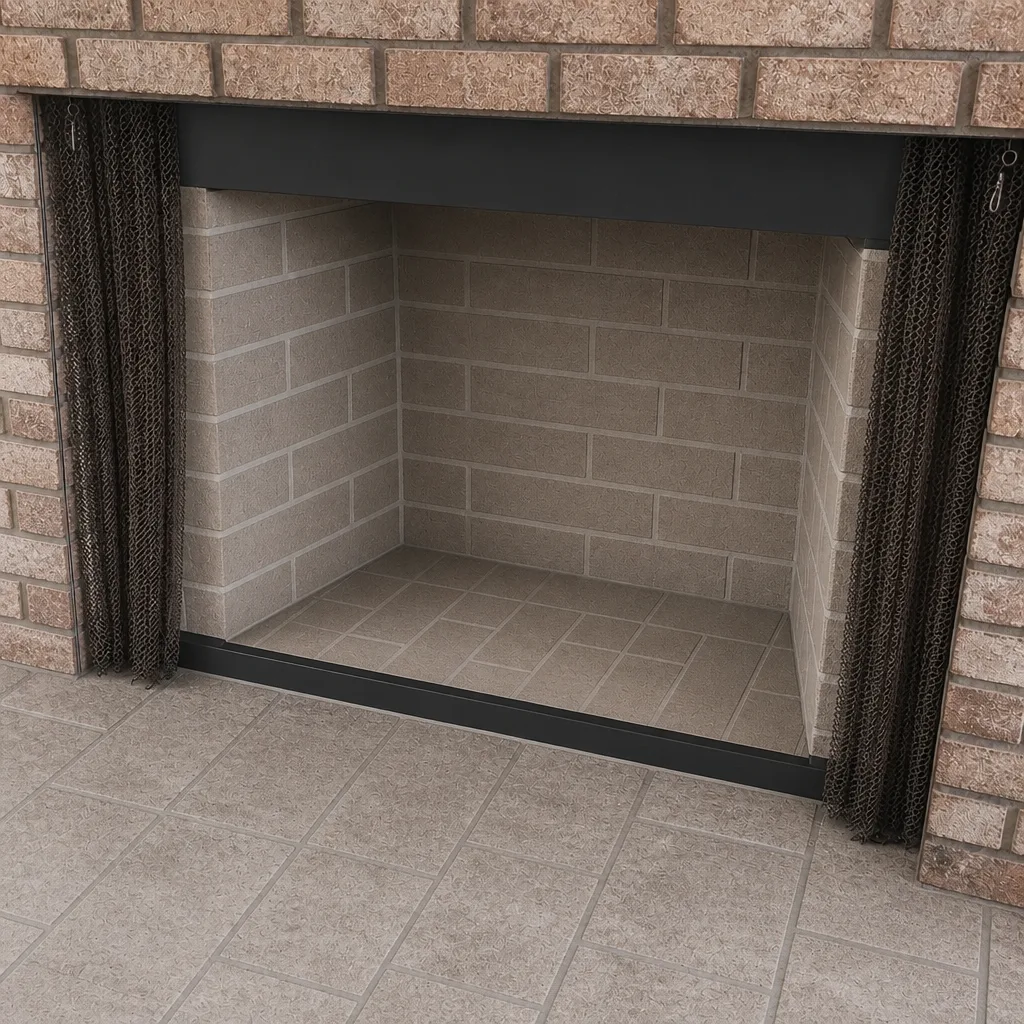 After
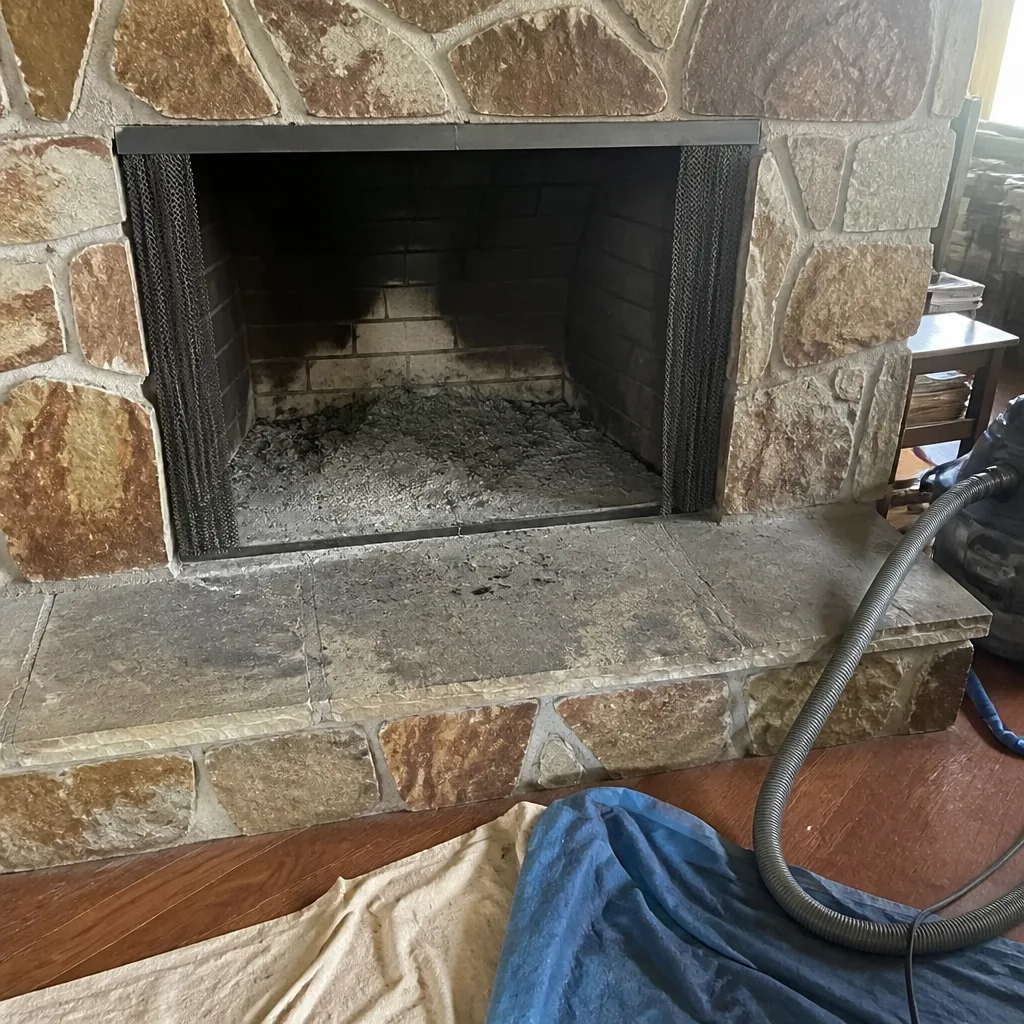 Before
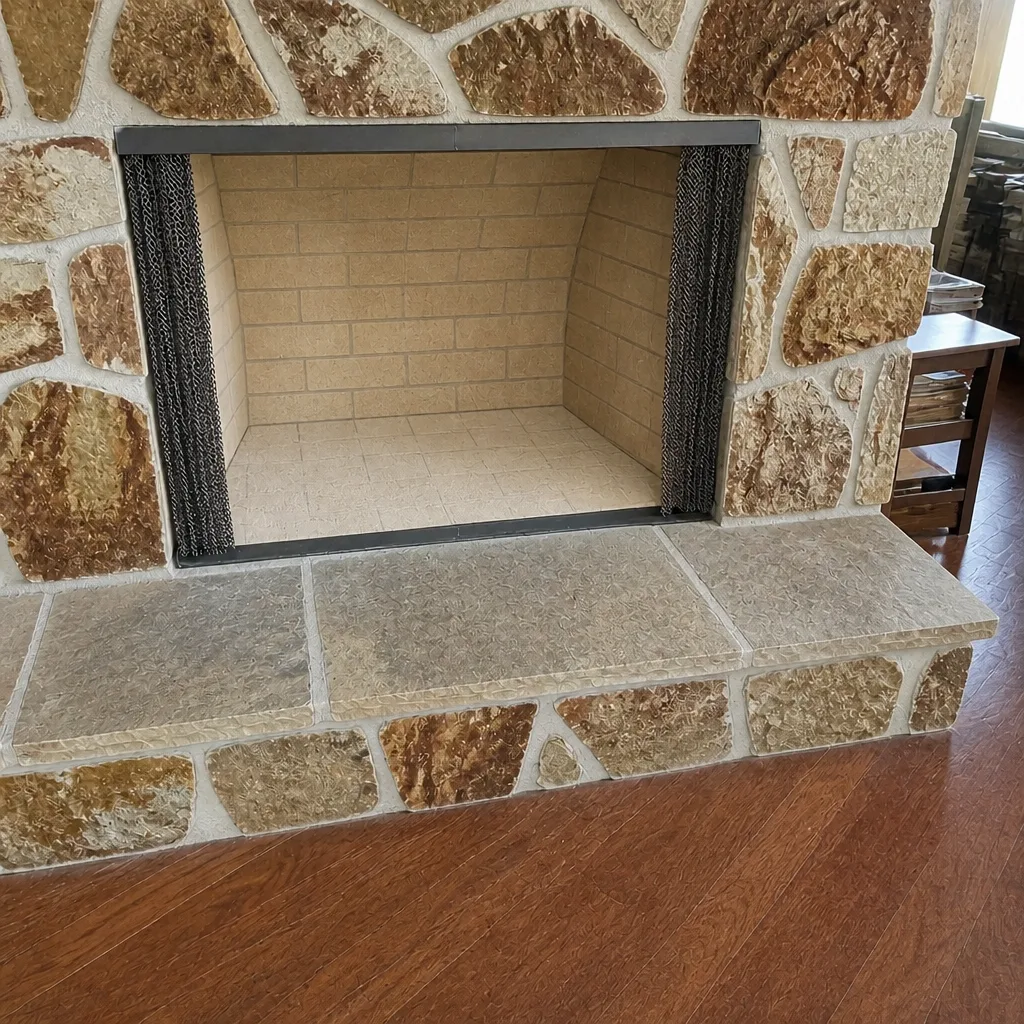 After
When to Call a Professional
Call a professional if you haven’t had the flue inspected in more than a year, if you’re seeing glazed or tar-like deposits, if the damper sticks, if smoke backs into the room, or if the cap is damaged or missing. Call immediately if you smell strong creosote odors or notice staining on the exterior brick. Roof-level work and any interior flue task belong to a trained technician. Chimney Sweep Riverview offers free estimates in Riverview – call (844) 834-1749. We answer 24/7. Fast dispatch from 7am to 7pm, Sunday through Friday.
Frequently Asked Questions
You can run a brush through your own flue, but you can’t safely complete the full job, because a brush kit can’t classify creosote stages, inspect the liner by camera, or document what it found. DIY is appropriate for exterior visual checks, cap debris clearing from ground level, and damper testing. The flue interior and roof belong to a professional. Call (844) 834-1749 for an exact quote – estimates are free.
A standard chimney sweep with inspection is priced per job by written estimate, with the specific number set after the technician sees the flue and its condition. Camera inspection is often included; confirm when you book. Repair work like liners or resurfacing is quoted separately based on scope. Call (844) 834-1749 for an exact quote – estimates are free.
Once a year is the standard baseline, and it applies in Riverview even though fireplaces here see light seasonal use. The annual visit is less about volume and more about catching liner cracks, cap failures, and creosote stage concerns before they compound across idle months. Between visits, ground-level visual checks are worth doing. Call (844) 834-1749 for an exact quote – estimates are free.
Only if the camera inspection shows cracking, joint separation, or deterioration that compromises the flue. We don’t recommend a liner without camera evidence you can see for yourself, and we’ll tell you plainly when a flue can safely go another season without work. If a liner is needed, DuraFlex systems handle offset flues that rigid liners can’t. Call (844) 834-1749 for an exact quote – estimates are free.
Creosote builds up and hardens into Stage 2 or Stage 3 deposits that raise fire risk and can’t be brushed away, and liner or cap problems go undetected. You also lose the documentation that an insurer may ask for after a chimney fire. The risk grows with each skipped season. Call (844) 834-1749 for an exact quote – estimates are free.
Yes. Chimney sweeping, chimney repair, and dryer vent cleaning are the three core services, and a single visit can address all the ventilation concerns in the home. Dryer vents are a separate fire hazard from the chimney and often get overlooked. Call (844) 834-1749 for an exact quote – estimates are free.
The Bottom Line
The DIY chimney cleaning question isn’t really about whether you can push a brush up a flue. You can. It’s about what the brush can’t tell you: the creosote stage, the liner condition, the cap’s integrity, and the draft performance. Those require equipment and trained pattern recognition that a homeowner kit doesn’t provide. In Riverview, with its mild winters and lightly used fireplaces, the right split is annual professional cleaning and inspection paired with ground-level DIY checks between visits. That combination keeps the flue clean, the records intact, and the fireplace safe to use when the cooler months arrive.
If it’s been more than a year since the flue was inspected, or if you’re unsure what stage of creosote you’re looking at, it’s time to book a sweep. Call (844) 834-1749 for a free estimate. We answer 24/7. Fast dispatch from 7am to 7pm, Sunday through Friday.
Written by the team at Chimney Sweep Riverview.