
Last updated November 15, 2026
 Sweep & inspection
 Caps & crowns
 Flue relining
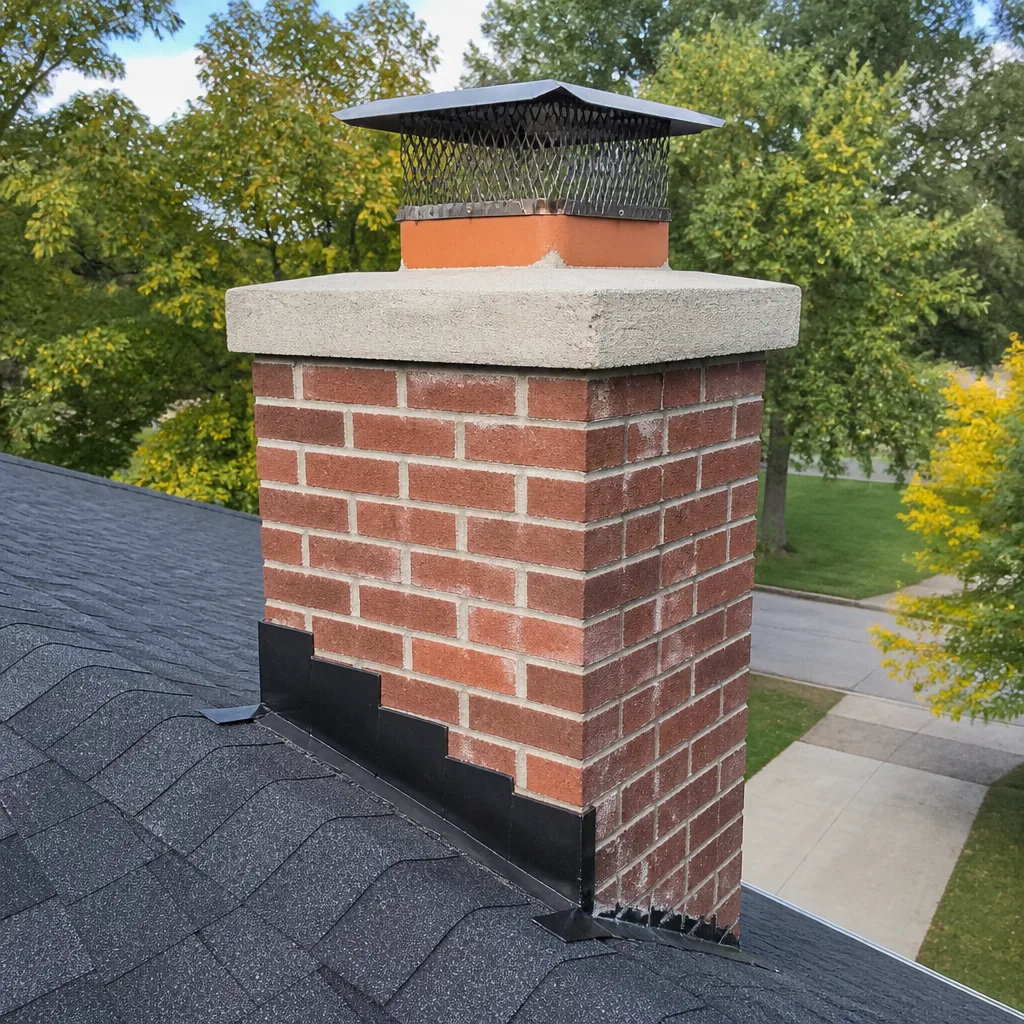 Masonry repair
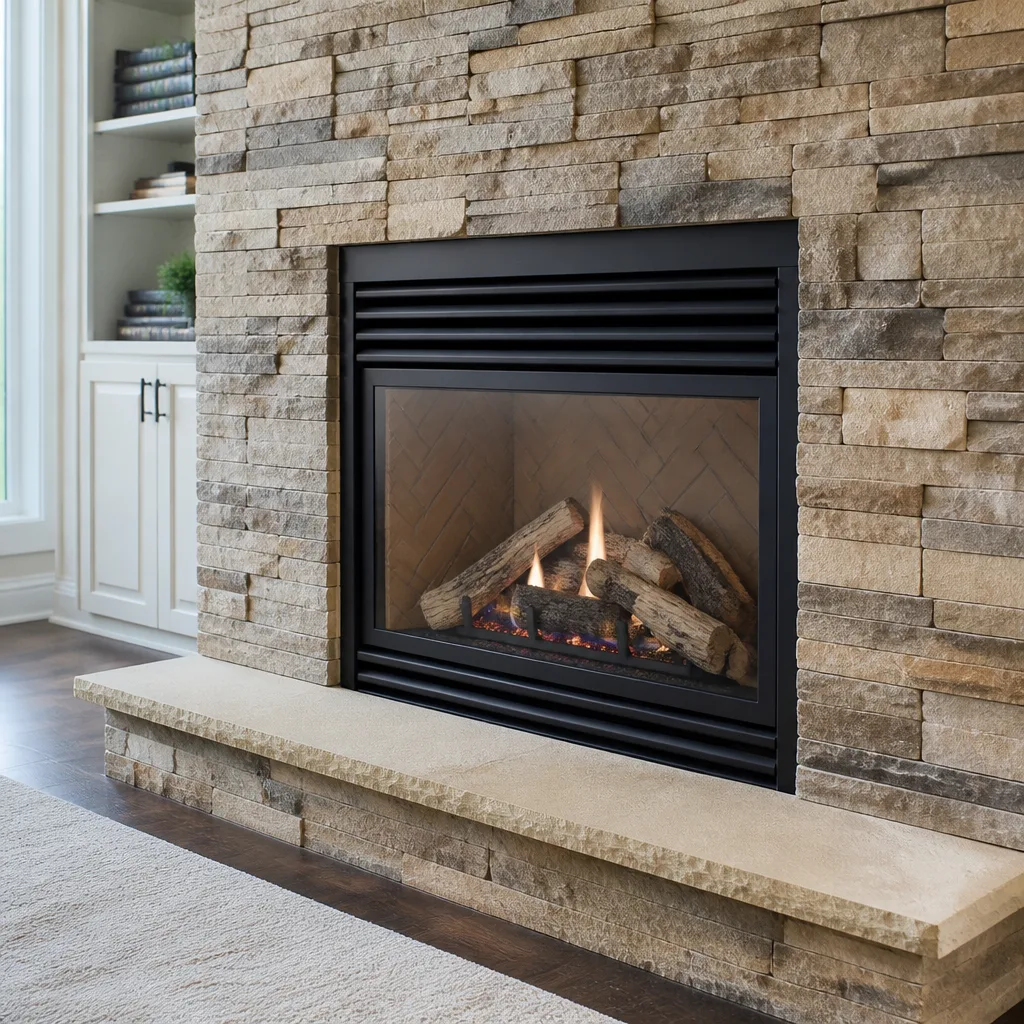 Gas fireplace service
Level 1 sweep and inspection to the NFPA 211 annual standard - flue, crown, cap, and flashing checked and photographed
Chimney sweep logs do not sweep chimneys. They loosen some creosote - which then falls where a brush and vacuum still have to collect it.
How to Hire a Chimney Cleaning Contractor in Riverview: A Step-by-Step Guide
In Florida, chimney sweeping isn’t a licensed trade at the state level. Which means anyone with a brush and a van can legally advertise the service, print a business card, and show up at your door. There’s no state board checking their equipment, their training, or whether they know the difference between a factory-built fireplace flue and a masonry chimney with a clay tile liner. Knowing what to ask before you hire is the only quality filter you have.
This guide gives you that filter. We’ll walk through what real professional equipment looks like, how to verify a certification instead of taking someone’s word for it, what a written report should contain, and the red flags hiding inside a quote that looks like a bargain. By the end you’ll be able to screen a contractor in Riverview the way a trade professional would.
Quick Answer
To hire a chimney cleaning contractor in Riverview, verify CSIA certification directly through the Chimney Safety Institute of America rather than trusting a logo, ask what equipment they bring (a camera, drop cloths, a HEPA vacuum, specific brushes), demand a written scope of work before anyone starts, and insist on a written inspection report with photos afterward. A low price with no written scope is the single most common warning sign.
Styles & brands we work with
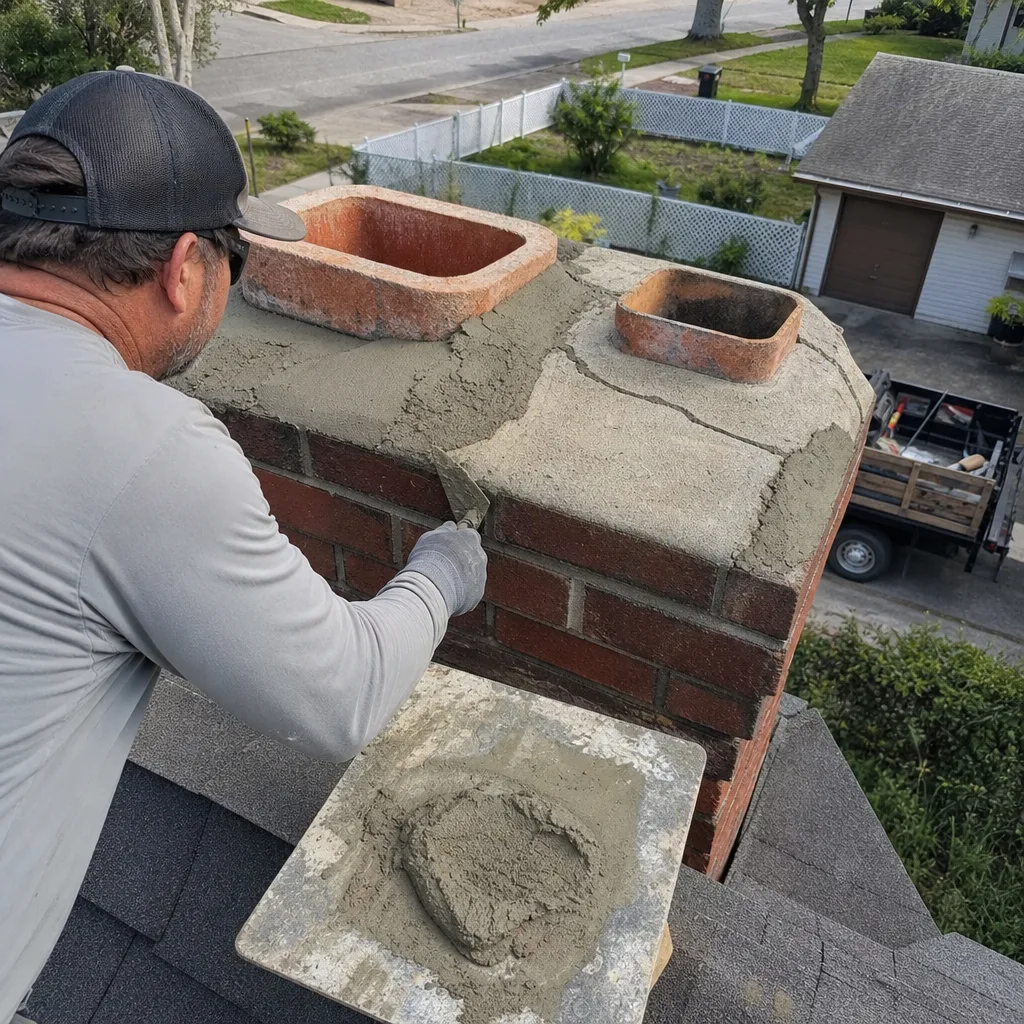
- Sweep & inspection
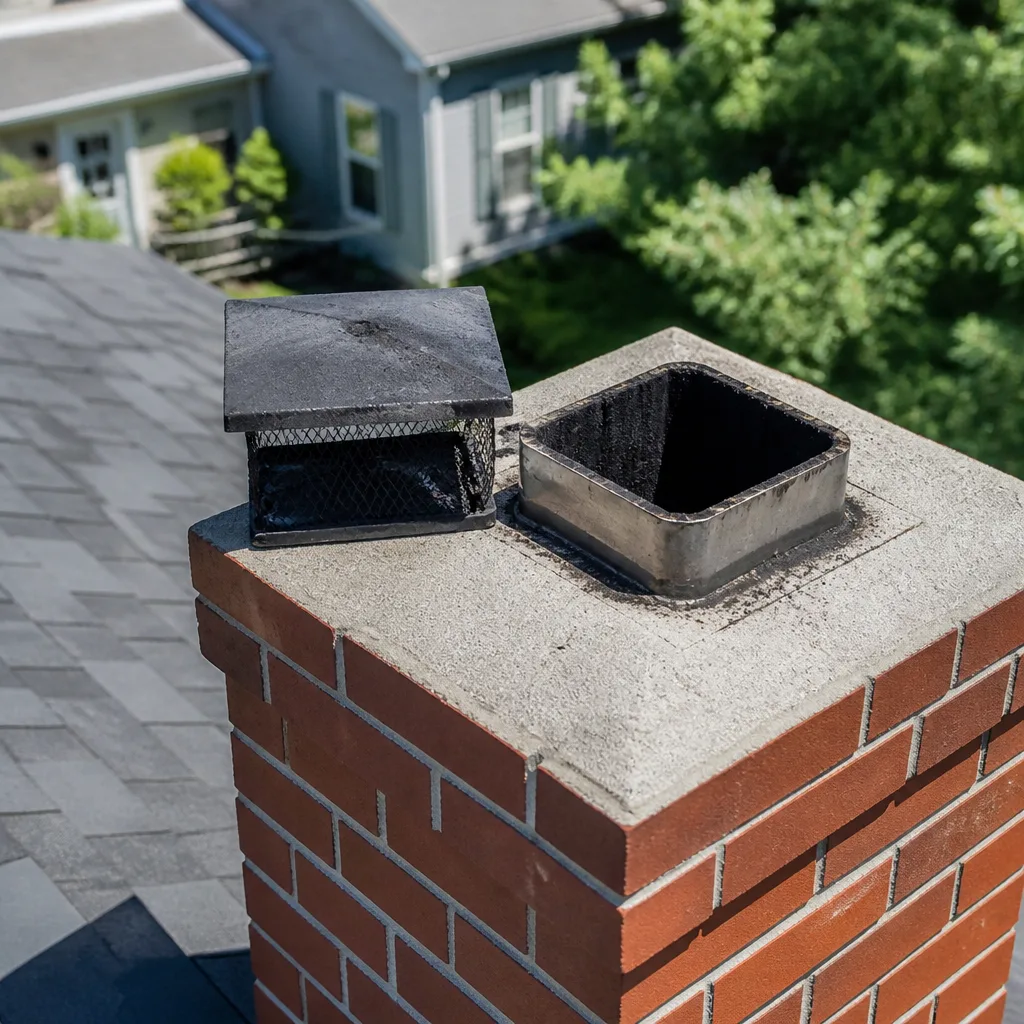
- Caps & crowns
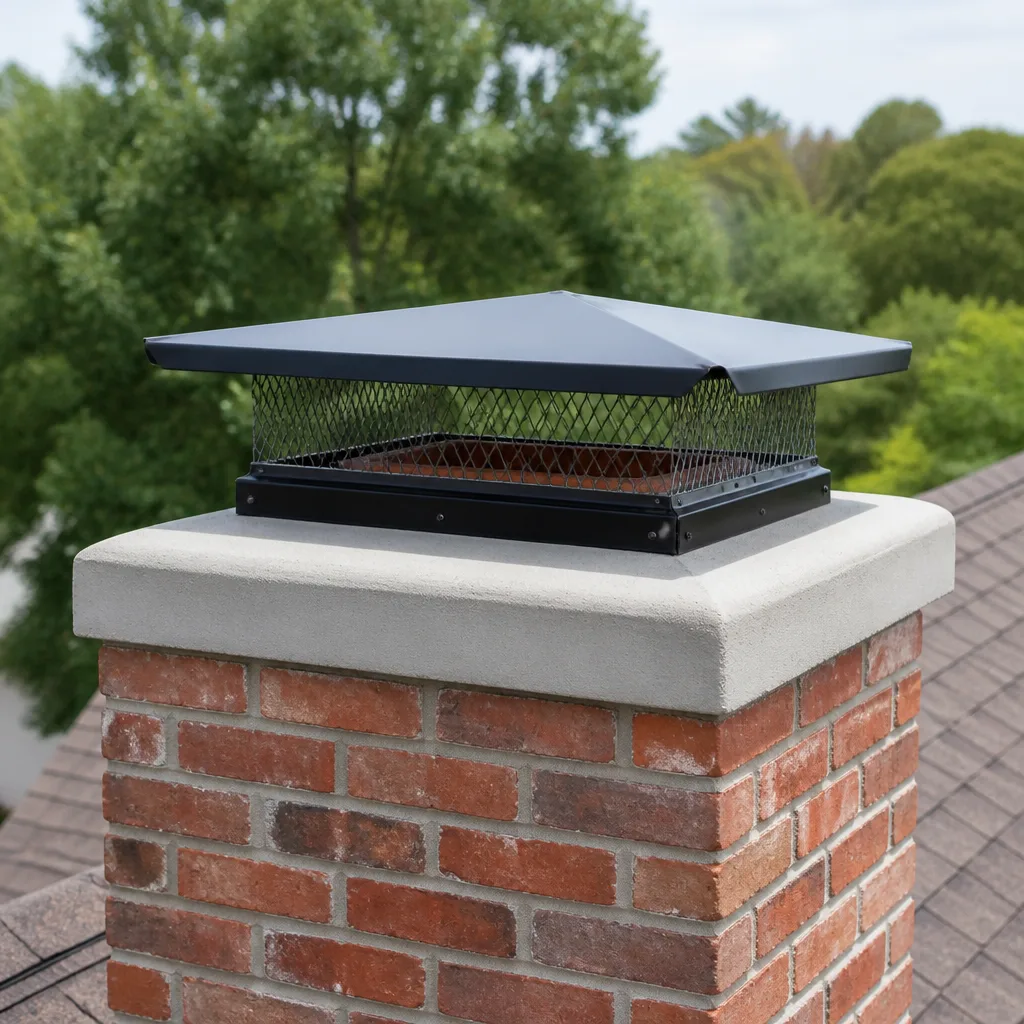
- Flue relining
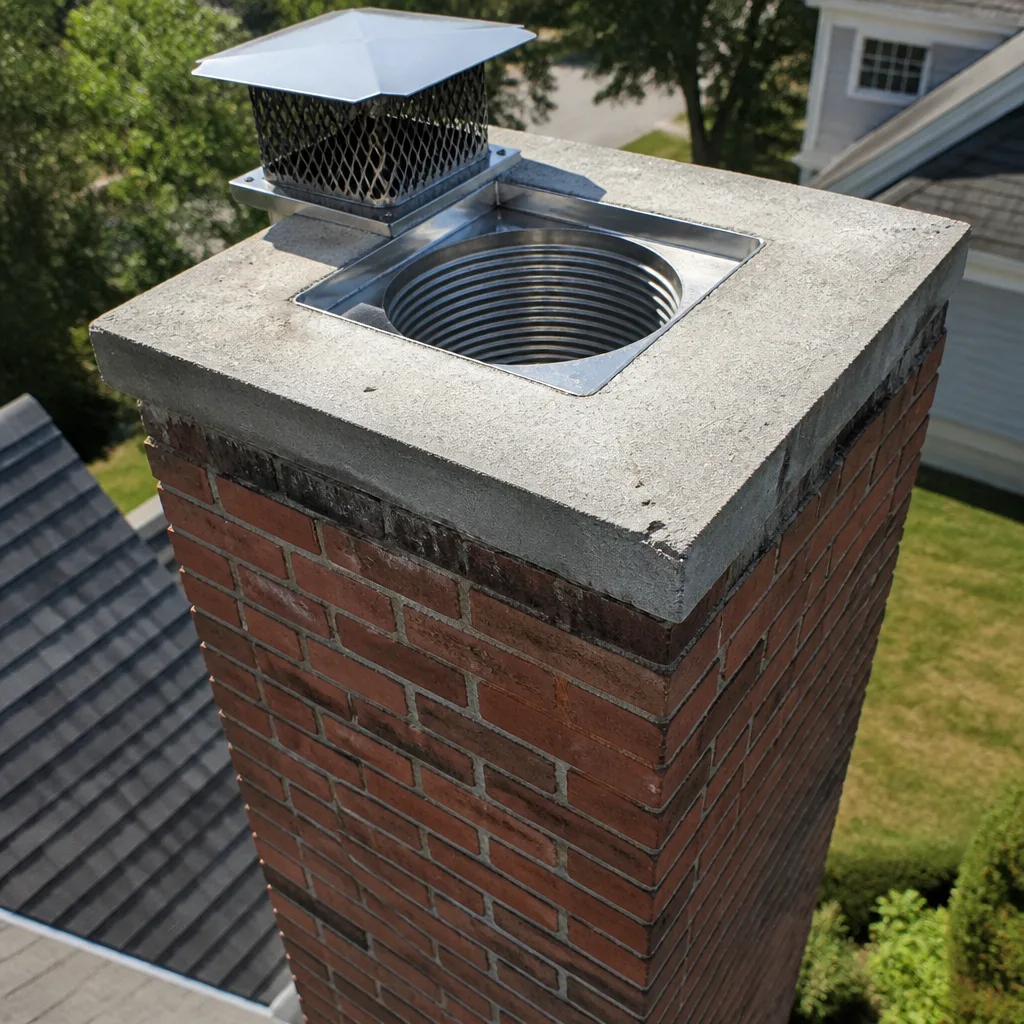
- Masonry repair
- Gas fireplace service
Table of Contents
- Why Hiring a Chimney Contractor in Riverview Takes More Care Than You’d Think
- How Do You Verify CSIA Certification?
- What Equipment Should a Contractor Bring to Your Riverview Home?
- What Are the Red Flags in a Chimney Cleaning Quote?
- What Should a Professional Post-Service Report Contain?
- How Do You Evaluate Familiarity With Florida Chimney Materials?
- The Seven-Step Screening Process
- Cleaning Visit vs. Repair-Capable Visit: What’s the Difference?
Why Hiring a Chimney Contractor in Riverview Takes More Care Than You’d Think
Chimney sweeping is one of the few home services in Florida with no state licensing requirement. Electricians are licensed. Plumbers are licensed. Roofers are licensed. Chimney sweeps are not, at the state level, which means the burden of screening falls entirely on the homeowner. That’s the reality, and it’s worth understanding before you make a single call.
Riverview adds a layer of its own. Fall and winter here are mild, which means many fireplaces sit unused for months and then get pressed into service when a cold snap arrives. A chimney that hasn’t been looked at in several seasons can carry a heavy creosote load without anyone noticing. Creosote is the residue left by burning wood, and in its harder forms it’s the fuel behind most chimney fires. The lack of a visible problem is not evidence of a safe flue.
There’s a second local wrinkle. Riverview sits in a housing market where newer construction and older homes sit side by side. A factory-built fireplace with a metal flue is a completely different cleaning task from a masonry chimney with clay tiles, and the brush, technique, and inspection approach differ. A contractor who only knows one type will still take the job and charge you for it. Hiring well means finding someone who knows the difference.
That’s why this guide doesn’t start with price. It starts with verification, because in a trade without state licensing, verification is the whole game. For a full picture of what a routine visit involves, our chimney sweep service page covers the process from arrival to final report.
How Do You Verify CSIA Certification?
CSIA certification from the Chimney Safety Institute of America is the recognized credential for this trade. Verify it by searching the contractor directly on the CSIA website or calling the institute, not by trusting a badge printed on a website or a truck magnet. Certification is earned by exam and maintained through continuing education, which means a certified sweep has been tested on venting theory, codes, and safety, not just handed a certificate for showing up.
- Ask the contractor for their CSIA-certified professional’s name or credential reference.
- Search that name on the CSIA’s public directory yourself. Don’t accept a screenshot.
- Ask whether their certifications are current and whether they hold any additional credentials (master sweep status, for example).
- Ask what happens if the person on site is not the certified individual. Some companies send uncertified helpers to do the cleaning.
We bring this up because the gap between “we’re certified” and “our technician on your roof is certified” is real. A company can hold certification in the office and send a crew that hasn’t been trained to interpret a camera inspection. When you’re evaluating a sweep in Riverview, ask explicitly who will be doing the work and whether that person holds the credential.
There’s a practical payoff here beyond credentials. A certified sweep is trained to spot the difference between cosmetic flue wear and a liner that’s failing. That judgment call is the line between “your chimney is fine” and “this needs a repair before you burn again.” If the person making that call hasn’t been trained to read what they’re looking at, you’re relying on guesswork.
What Equipment Should a Contractor Bring to Your Riverview Home?
A professional chimney cleaning setup should include a video inspection camera, drop cloths and floor protection, a HEPA-filtered vacuum, chimney brushes sized to the flue, and a ladder or roof access setup appropriate to the chimney’s height and configuration. If any of those items are missing, it signals a setup that can’t complete a proper cleaning and inspection in one visit.
For our own work we stock contractor-grade components for the repairs that routinely follow an inspection, so a failed liner or a cracked crown doesn’t become a “we’ll have to come back” situation. We install DuraFlex liner systems, which are flexible stainless-steel liners that adapt to offset flues, a task rigid liner alone can’t handle. We also use HeatShield for flue resurfacing when deterioration is caught before it becomes a full reline. Chimney caps and covers come from Gelco and Olympia Chimney product lines, so a replacement cap is a built-for-purpose component and not a piece of hardware improvised from a supply house. See the full Chimney Sweep Riverview service overview to see how these fit together.
What the equipment list tells you is whether the contractor can do more than sweep. A crew with a camera and no liner capability will inspect your flue and then hand you a referral. That’s fine as far as it goes, but it costs you a second appointment, a second inspection, and a second opinion, all for a problem that could have been addressed in one visit.
Ask each contractor what they bring to a cleaning visit and what they bring to a repair visit. If the answers are the same (a brush and a vacuum), you’ve found a cleaning-only operation. That’s not necessarily disqualifying, but it should shape what you expect.
What Are the Red Flags in a Chimney Cleaning Quote?
Three warning signs account for most of the bad chimney work we’ve seen: an unusually low price, no written scope of work, and upsell pressure that appears after the technician starts working. A quote that’s dramatically below the local market is designed to get a foot in the door, and the recovery usually happens through a surprise finding once the work is underway.
- Price far below the local market. Sweeping a chimney requires time, equipment, and a camera inspection. A quote that undercuts everyone else has to make the money somewhere, usually from a service the technician “discovers” mid-job.
- No written scope before booking. You should know exactly what will be done, what the visit includes, and what happens if a repair turns up while the technician is on site.
- Upselling during the visit with no visual evidence. If a technician tells you the liner is cracked, ask to see the camera footage. You should be shown the problem, not just told about it.
- Taking a deposit for work before any inspection. Repair work should be priced from a written estimate based on what’s actually found. A deposit before diagnosis is a red flag.
- No documentation left behind. A verbal-only summary means you have no record of what was found or when it was checked.
- Pressure to decide on the spot. Repairs almost never require an immediate decision during the visit. Anyone pushing a contract while they’re still on the ladder is selling, not diagnosing.
One healthy response to any of these: ask a follow-up question and see how it’s received. A contractor who’s confident in their findings will happily walk you through the camera footage and put their recommendations in writing. A contractor who can’t will push harder instead.
What Should a Professional Post-Service Report Contain?
A post-service report should include the date and nature of the visit, the type of chimney and venting system, the category and level of creosote or blockages found, and photographic or video documentation of the interior flue and any defects observed. Verbal-only summaries are inadequate because they leave you with no record of what was found, no reference for the next inspection, and no evidence base for a repair decision.
The photos are the part that matters most. When we tell a homeowner their flue has an issue, we show them the footage. We tell you what we found, and you decide whether to act on it. If a recommended repair doesn’t have a corresponding image behind it, ask for one. If the contractor can’t produce it, that’s your answer about whether the recommendation is real.
The report should also distinguish between repairs that are urgent and repairs that can wait. Not everything found during an inspection needs immediate work. A slightly worn crown might be a season-three item. A deteriorated liner with visible gaps is not. A written report that presents everything as urgent tells you the contractor has an incentive problem, not an emergency on your hands.
Save the report. When you have the chimney swept again, having last year’s photos gives the next inspection something to compare against, and that comparison is where early signs of deterioration actually show up.
How Do You Evaluate Familiarity With Florida Chimney Materials?
Ask the contractor to describe the materials they expect to encounter in a Florida chimney: how clay tile liners age, how mortar joints handle humidity swings, and how factory-built flues differ from masonry and what that means for the cleaning method. If the answer is vague, the contractor may be handing you a generalized pitch that works anywhere.
Riverview is a good test case. Moisture is a year-round factor in a way it isn’t in dry climates. Mortar that stays damp through a humid stretch breaks down faster, and hairline cracks in a clay tile liner are easy to miss without a camera. A sweep who relies on a visual glance down the flue instead of a camera is missing problems a camera would catch.
Factory-built fireplaces are common here in newer construction, and the venting systems for those units call for specific brushing methods and specific replacement parts. Get a contractor’s answer on what they use for those. If the reply is “we use whatever’s available,” it’s not an answer. Contractor-grade components are built for a particular system; improvised ones are not.
The broader point: a contractor who works regularly with current product lines can recommend the right repair the first time. If your flue turns out to need resurfacing, that’s a different job than a full reline, and the materials are not interchangeable. Anyone recommending a reline for something that only needs resurfacing is overselling, and anyone recommending resurfacing for a liner that’s structurally too far gone is underselling. Ask what they’d do and why.
The Seven-Step Screening Process
Here’s the process, in order. It takes about an hour of phone and website work before you book anyone, and it’s the single highest-value hour in the whole project.
- Check certification first. Verify CSIA certification on the institute’s own directory. Don’t rely on a website badge.
- Ask what equipment comes to the house. Camera, HEPA vacuum, drop cloths, brushes. If they can’t list it, they don’t have it.
- Get the scope in writing before booking. What will be done, what’s included, and what happens if a problem turns up.
- Ask whether they handle repairs or refer them out. Neither answer is wrong, but you should know before you book.
- Ask about the report. Photos and video, or a verbal summary?
- Compare two or three quotes on scope, not price. A scope-heavy quote at a higher number is usually the better deal.
- Confirm scheduling and the visit itself. The best screening is no good if the person you screened isn’t the one who shows up.
When you’re ready to compare, call (844) 834-1749. We answer 24/7. Fast dispatch from 7am to 7pm, Sunday through Friday. Estimates are free, and our written estimate sets the final price. Our technicians have up to 8 years of experience, and the person evaluating your chimney will walk you through the camera footage before recommending anything.
Cleaning Visit vs. Repair-Capable Visit: What’s the Difference?
A cleaning visit removes creosote and any obstruction and gives you a report. A repair-capable visit does all of that and, if a defect turns up, addresses it with materials designed for that repair, without a second appointment. The difference matters most when the camera picks up something on the same visit.
We work with an intentional set of brands rather than whatever’s cheapest on the shelf. That means the liner or cap on your chimney is from a product line that working chimney contractors specify, not a consumer-grade substitute. This is the point where a lot of homeowners get talked into the wrong scope: a sweep with only a cleaning brush will recommend cleaning, and a sweep who only installs liners will recommend a liner. Ask for the reasoning behind each recommendation, and ask to see the evidence.
Our interest is in being able to give an accurate recommendation and stand behind the materials. If you’re comparing contractors and one of them offers a free estimate while the other charges to look at the flue, that’s a difference worth weighing when you compare.
For the second half of the fire-safety picture, dryer vent cleaning addresses a venting concern with the same logic: lint buildup in a dryer duct is a well-known fire cause and rarely noticed until it’s a problem. A homeowner scheduling one appointment can address both.
Common Mistakes to Avoid
- Hiring on price alone. The cheapest quote is often a cleaning visit designed to convert into a repair sale. Compare written scopes, not dollar figures.
- Accepting a verbal “we’re certified” claim. Verify it on the CSIA directory yourself. It’s a two-minute check that filters out a lot of bad options.
- Skipping the camera inspection. If a contractor won’t put a camera down the flue, or charges extra for it, the “inspection” isn’t an inspection. In Riverview’s humid climate, a visual glance from the top isn’t enough.
- Authorizing a repair without seeing the evidence. Ask for the footage. A repair recommended without a corresponding photo or video is a guess at best.
- Forgetting to ask about the report. Walk away from the visit with photos and a written summary. Without them, you have no baseline for next year.
- Assuming a general handyman covers it. Chimney work requires specific equipment, and general handyman services often don’t carry a camera or the correct flue brushes. Ask before assuming the category is the same.
- Scheduling the sweep in December. Mild Riverview winters mean plenty of homeowners delay the sweep and then need it urgently when the fireplace gets used. Book before the season, not during it.
- Ignoring manufacture type. A factory-built fireplace and a masonry chimney need different care. Make sure the contractor knows which one you have before they show up.
See the difference
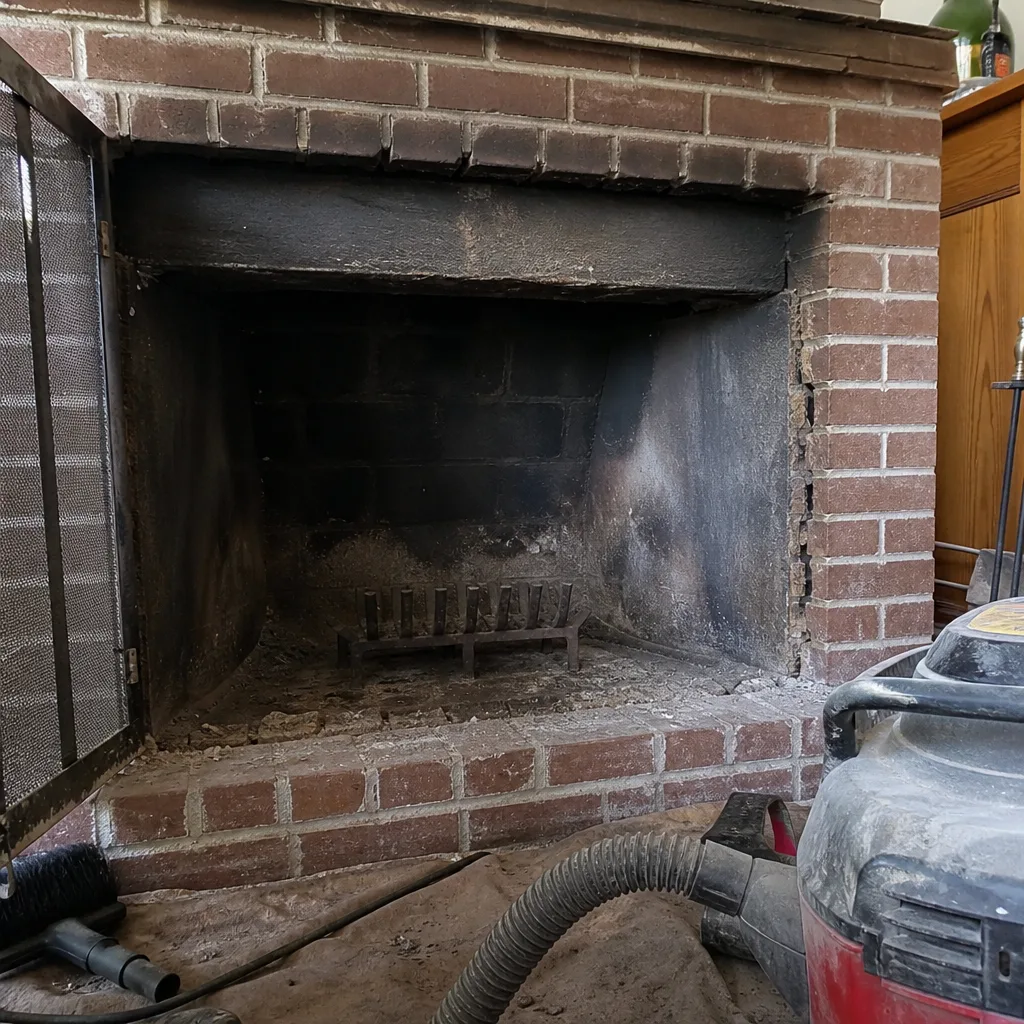 Before
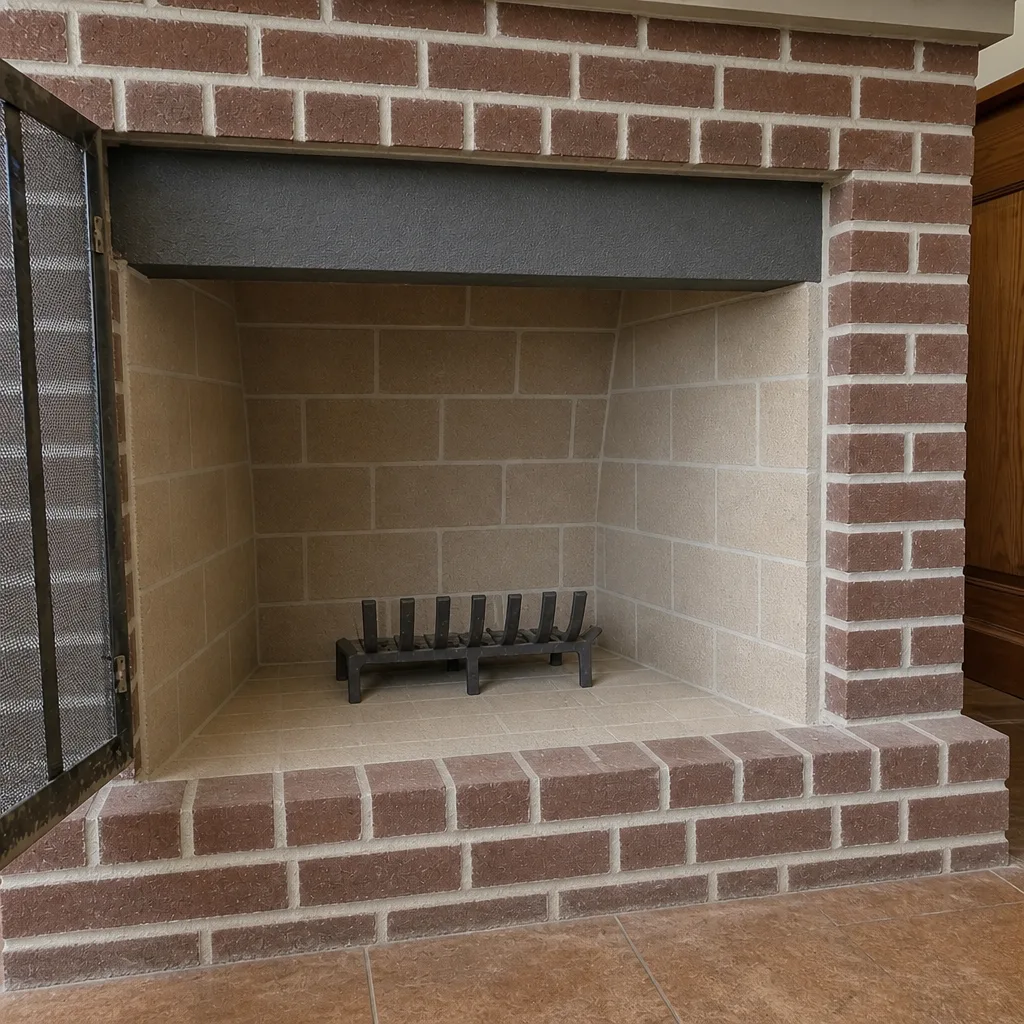 After
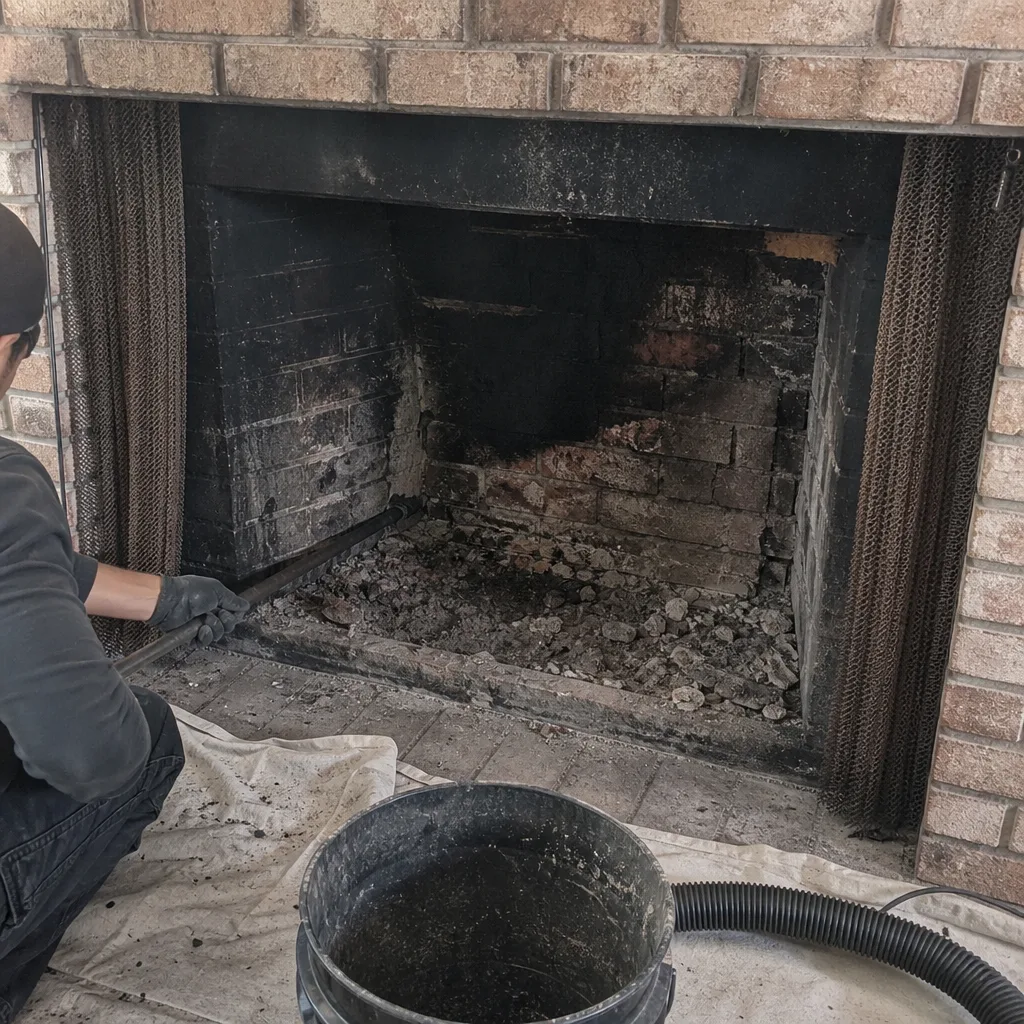 Before
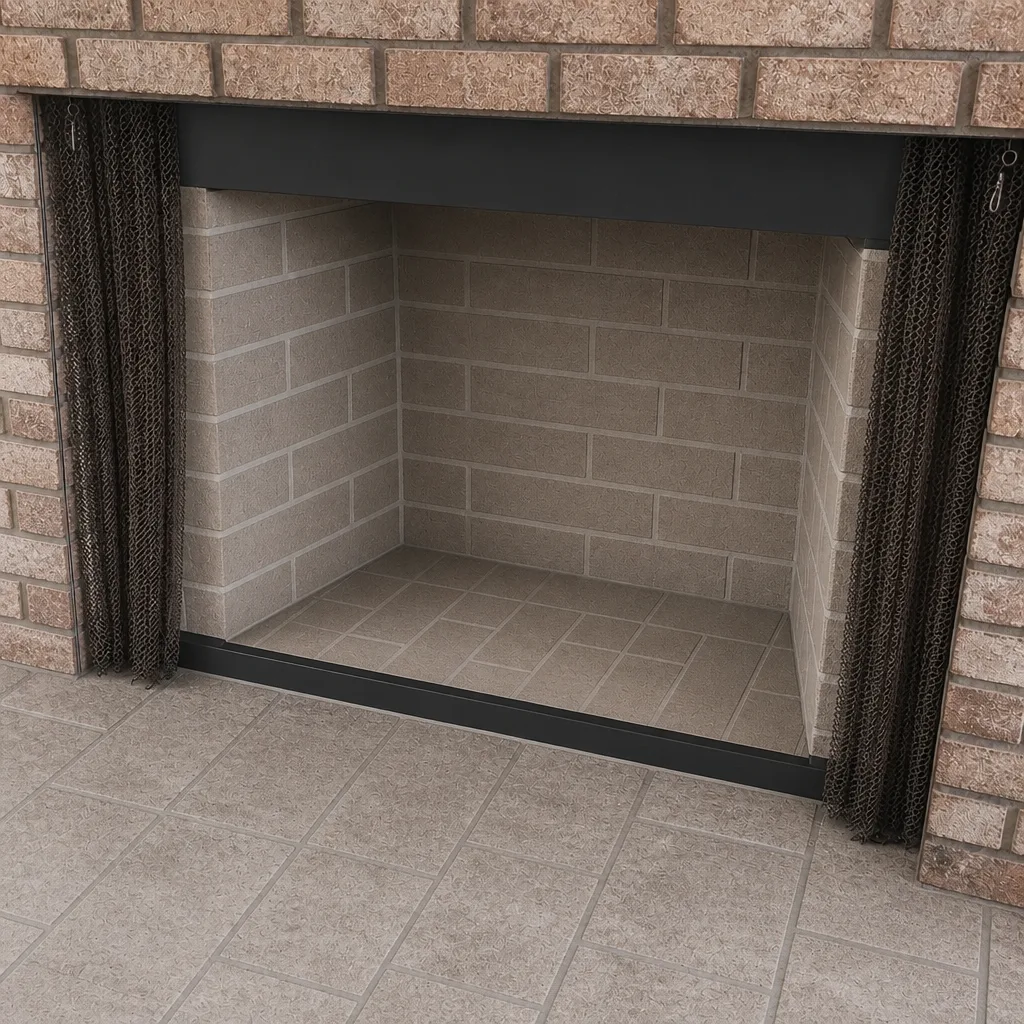 After
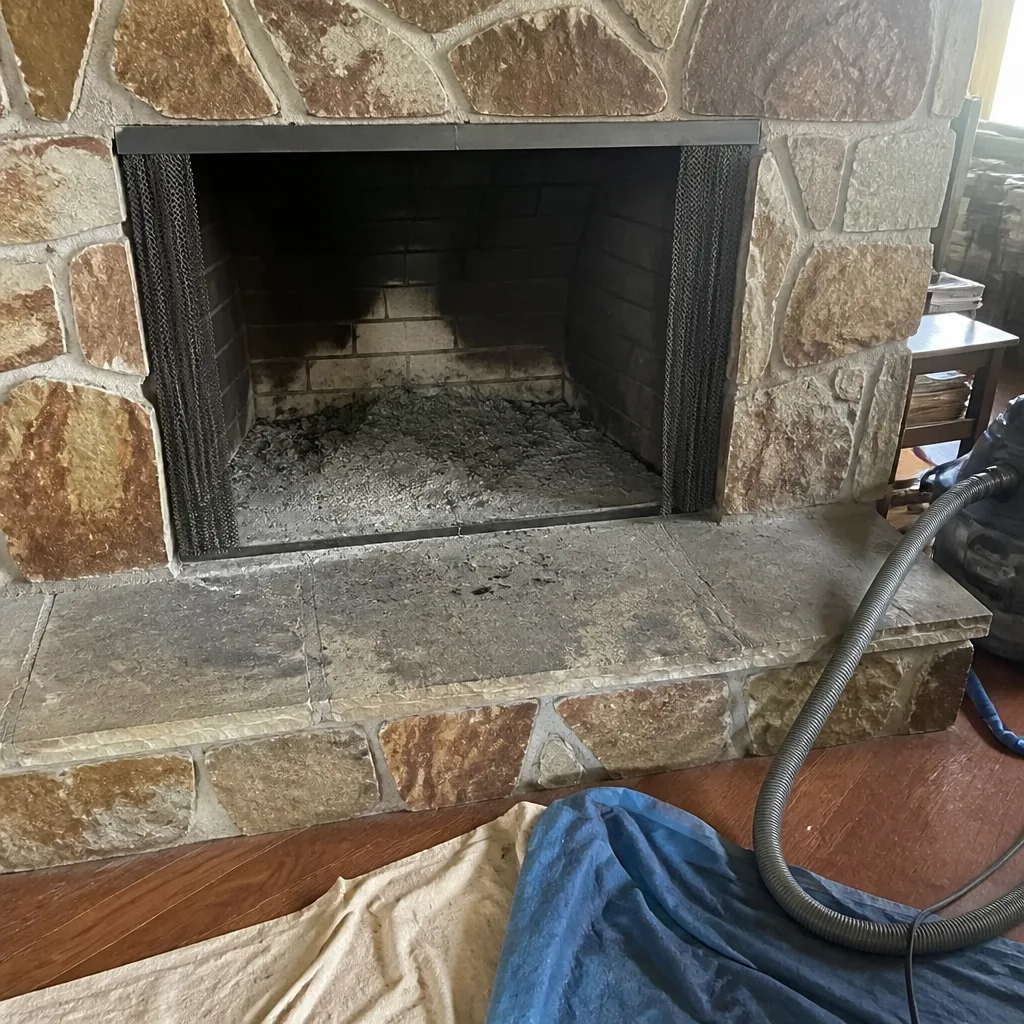 Before
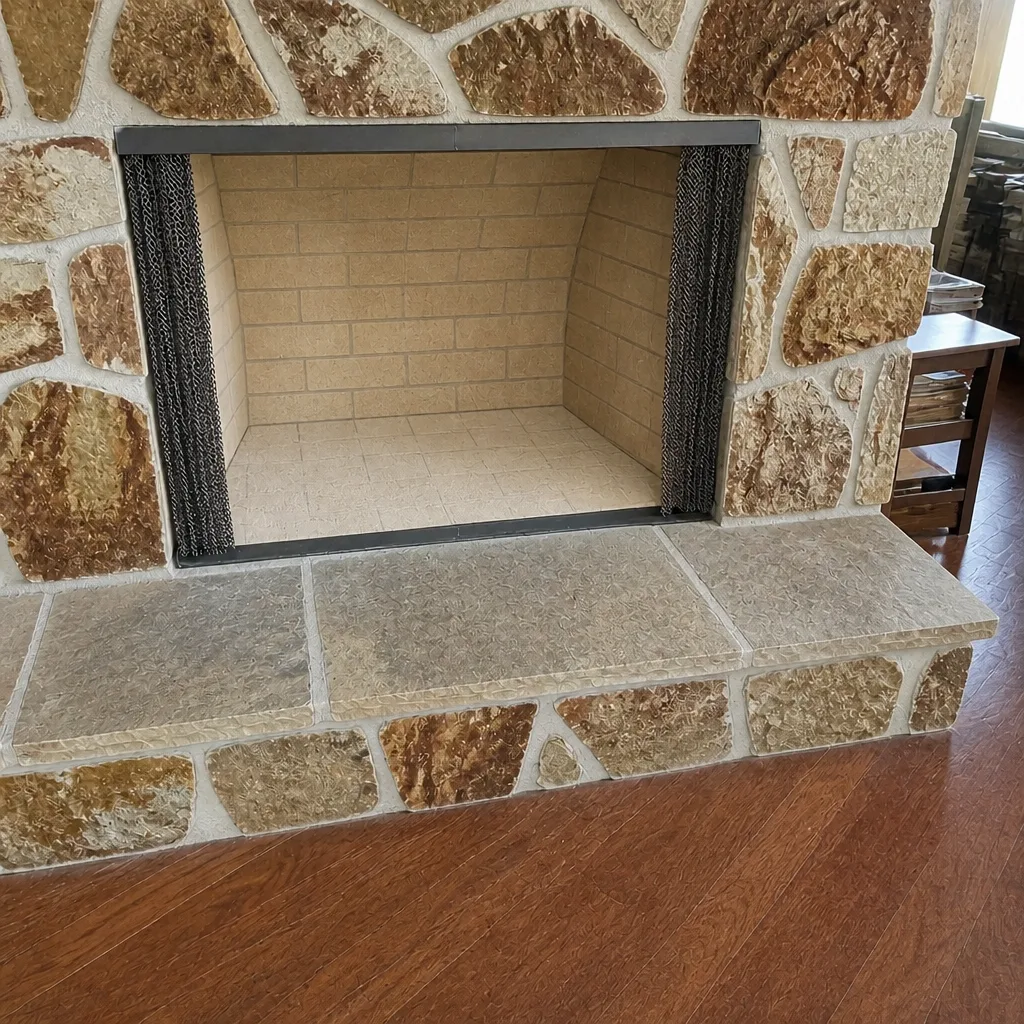 After
When to Call a Professional
Call a professional if you haven’t had the chimney swept in more than a season of burning, if you smell a strong creosote odor when the fireplace isn’t in use, if smoke backs into the room when you light a fire, if you’ve noticed visible deterioration in the firebox or the chimney exterior, or if you’re buying a home in the area and inherit a chimney with no service history. Those situations call for a camera inspection, not a glance.
Also call if you use a wood-burning insert, or if your household relies on gas appliances. Either way, the venting system deserves a professional look rather than an assumption. Call (844) 834-1749 to schedule. Estimates are free, the written estimate sets the final price, and nothing is recommended without camera evidence you can see for yourself.
Frequently Asked Questions
A chimney should be swept once a year during active use, or more often if the creosote buildup is heavy. Because Riverview’s burning season is short, many households burn enough over a few months to justify annual service. If your fireplace is used as a primary heat source, or you notice a strong odor between fires, don’t wait for the calendar. Call (844) 834-1749 for an exact quote based on your setup; estimates are free.
No. Chimney sweeping is not a licensed trade at the Florida state level, which is why CSIA certification is the screening standard you should use instead. Verify a contractor’s certification directly on the institute’s directory rather than trusting a website badge. Ask who will be on site as well, because a company’s certification doesn’t always mean the person doing the work is credentialed. Call (844) 834-1749 to ask about our certifications before you book; estimates are free.
Pricing varies with the type of chimney, the number of flues, the level of buildup, and whether a repair turns up. We price per job from a written estimate, and that written estimate sets the final price, so there’s no separate service-call fee to worry about. We won’t quote a number over the phone that we haven’t verified on site. Call (844) 834-1749 for a free estimate.
Yes, if you want to know the condition of the flue. Much of the interior of a chimney can’t be seen from the top or the firebox without a camera, and in Riverview’s humid climate, hairline cracks in clay tile lining are exactly the kind of defect a visual glance misses. If a contractor inspects without a camera, they can’t verify what they’re reporting. Call (844) 834-1749 to book an inspection; estimates are free.
We walk you through the camera footage, explain what it means, and tell you whether the repair is urgent or can wait. No repair gets recommended without evidence you can see, and the written estimate sets the price if you go ahead. In our experience, most findings can wait for a scheduled repair rather than requiring immediate action. Call (844) 834-1749 with questions; estimates are free.
Yes. Dryer vent cleaning is a separate service from chimney sweeping, and it addresses a real fire hazard: lint buildup inside a dryer duct. We treat it as its own service, with the same inspection and report approach as the chimney side. If you’re already booking a chimney visit, ask whether both can be handled in one appointment. Call (844) 834-1749; estimates are free.
The Bottom Line
Hiring a chimney contractor in Riverview comes down to four things: verify CSIA certification yourself, ask what equipment comes with the visit, get a written scope before booking, and demand photo or video documentation afterward. A price that undercuts everyone else and a scope that’s only verbal are the two most common signs of a bad setup. A camera inspection is not optional, and neither is a written report. The right contractor shows you what they found and lets you decide what to do with it. That’s the standard worth holding out for. Call (844) 834-1749 for a free estimate.
Written by the team at Chimney Sweep Riverview.