
Last updated November 15, 2026
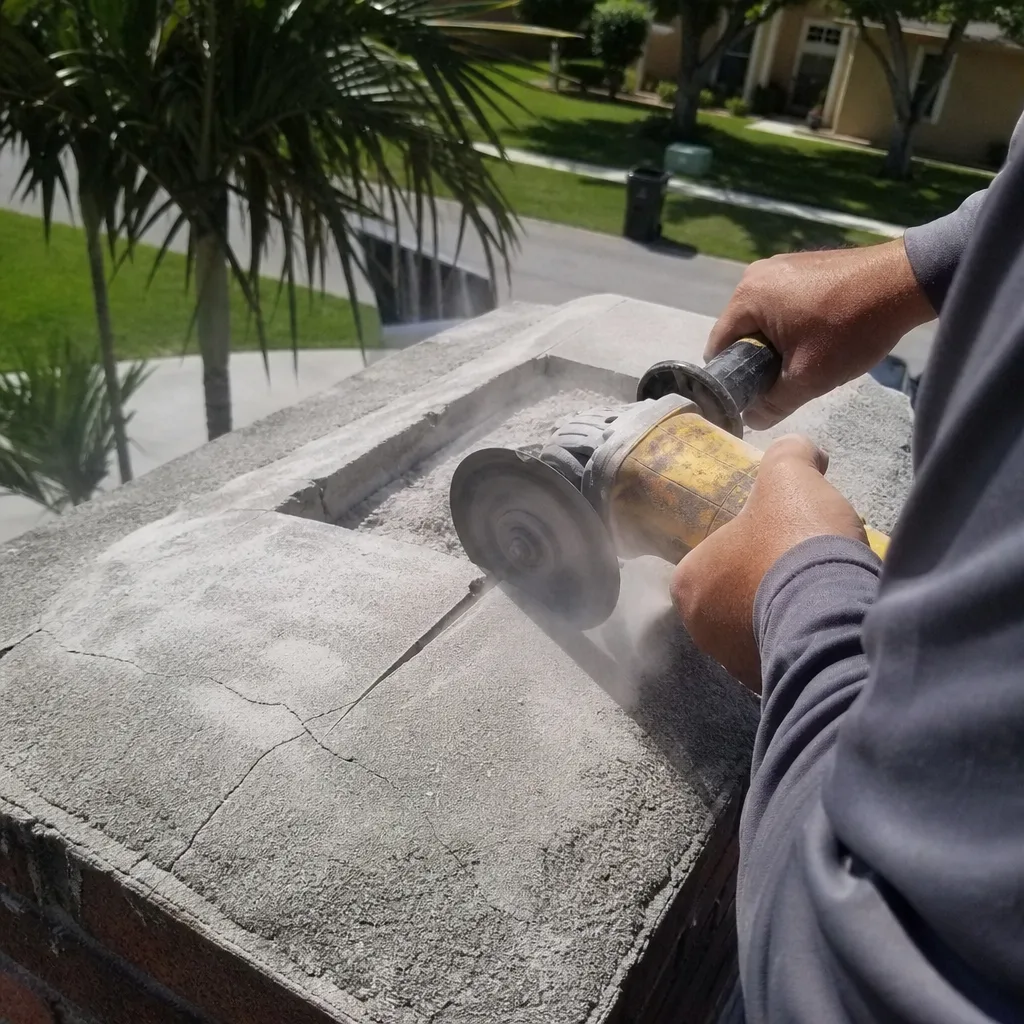
 Sweep & inspection
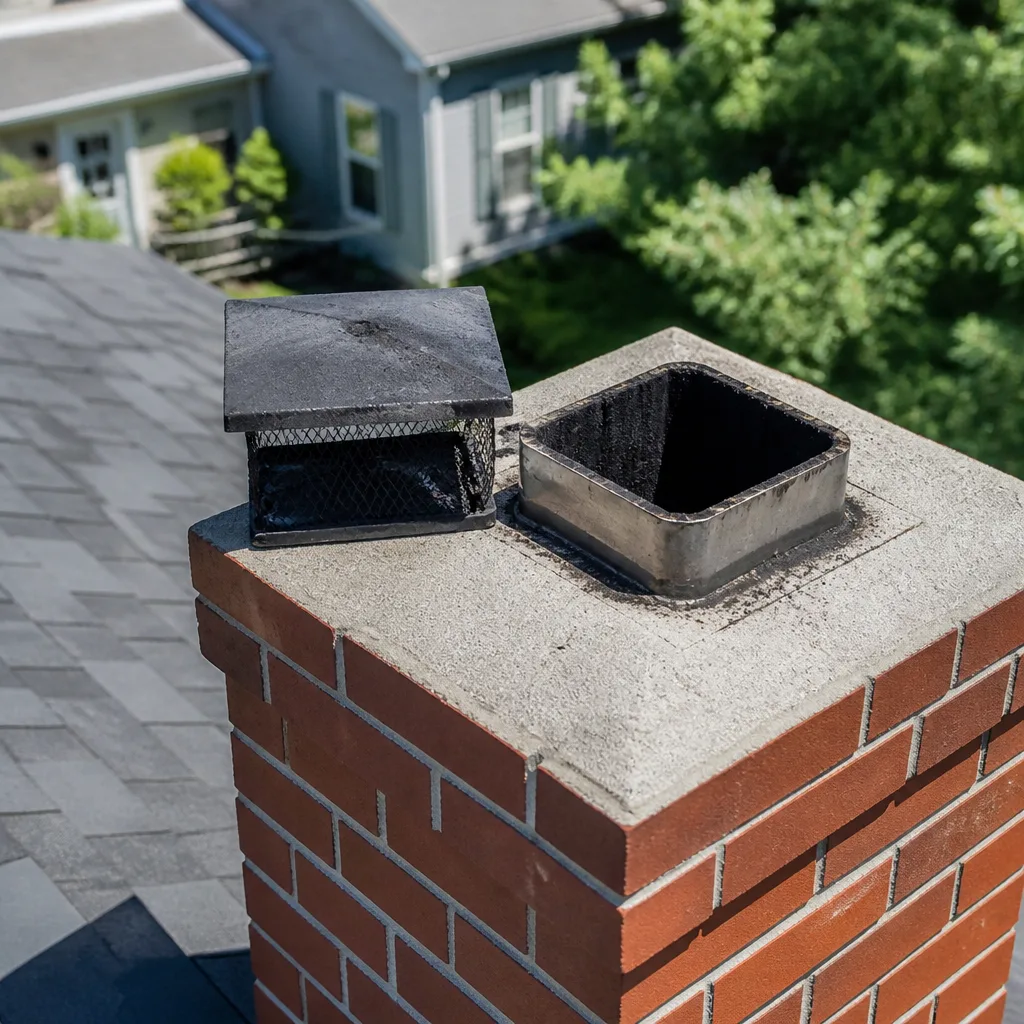
 Caps & crowns
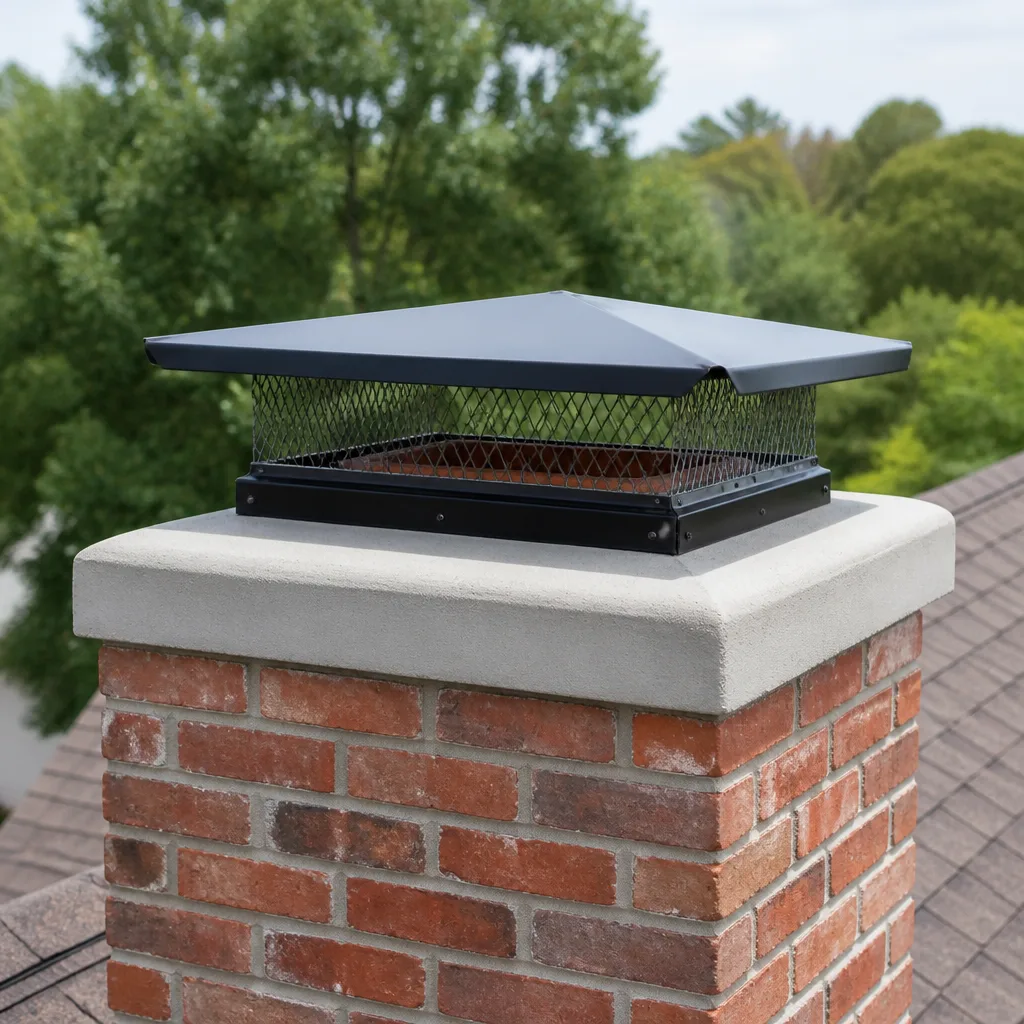
 Flue relining
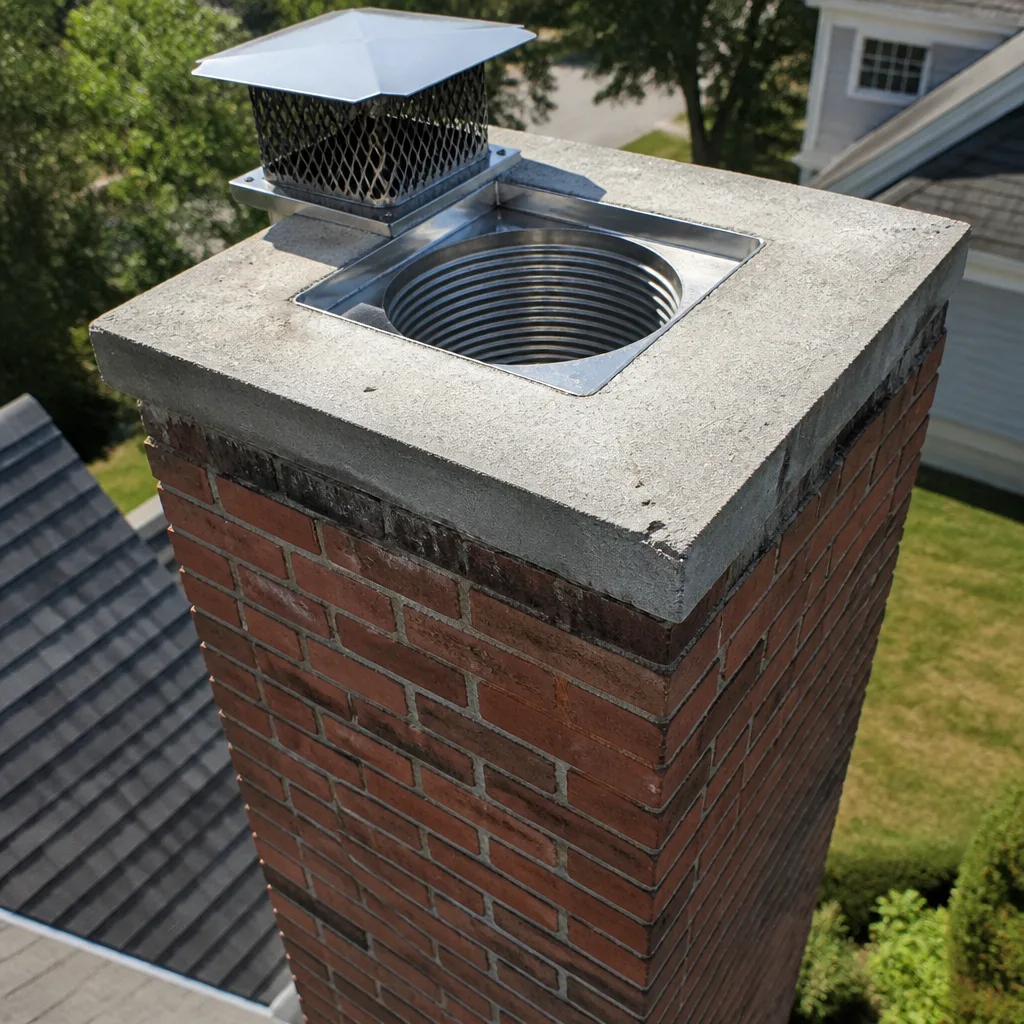
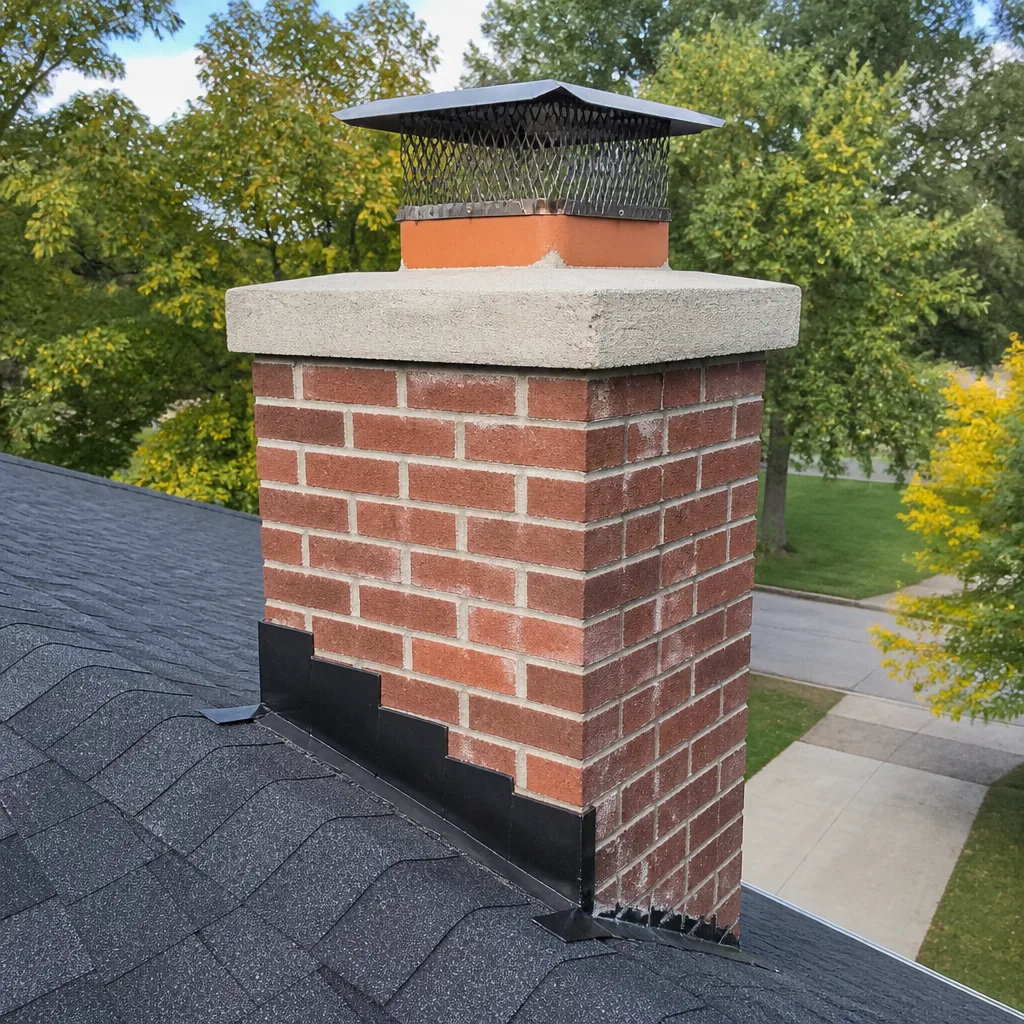 Masonry repair
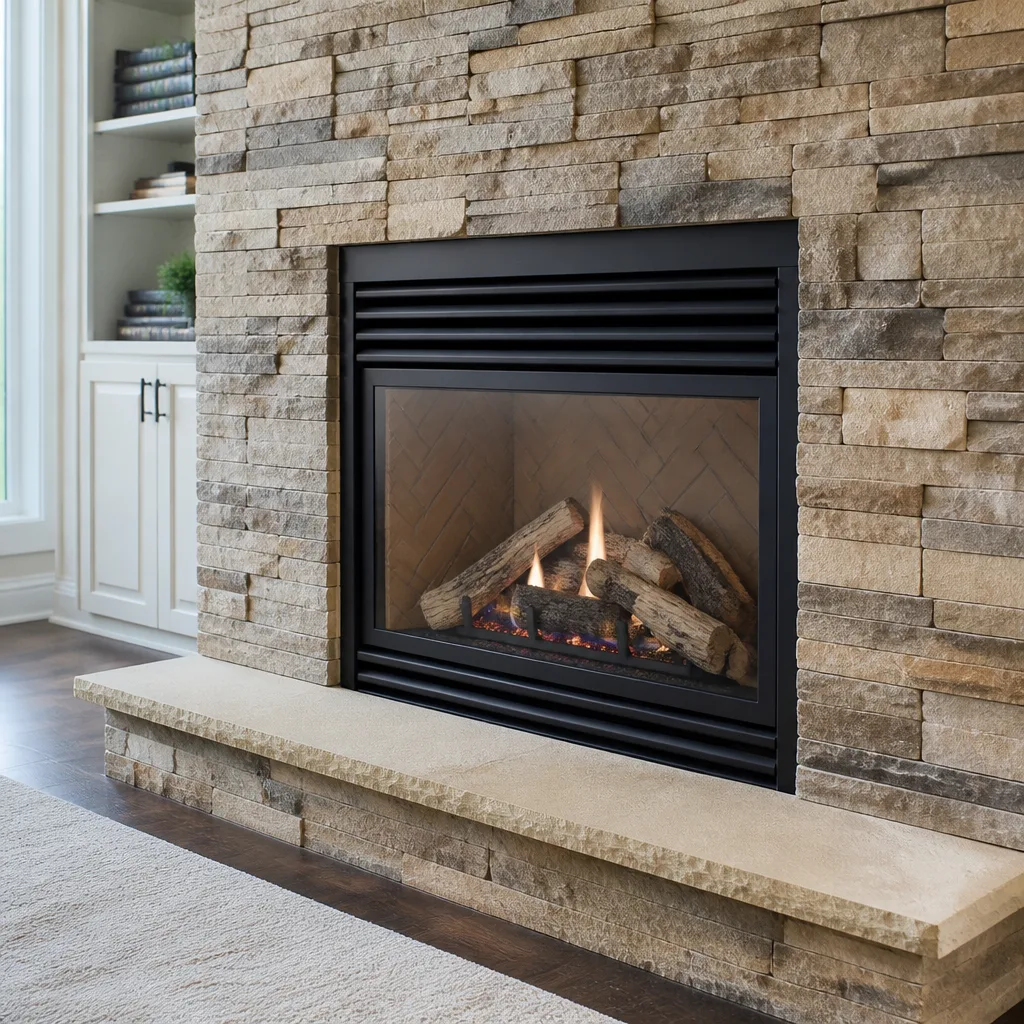 Gas fireplace service
Level 1 sweep and inspection to the NFPA 211 annual standard - flue, crown, cap, and flashing checked and photographed
Chimney sweep logs do not sweep chimneys. They loosen some creosote - which then falls where a brush and vacuum still have to collect it.
The Complete Guide to Chimney Cleaning in Riverview
Most Riverview homeowners light their fireplace fewer than 15 times a year. That sounds like good news for the chimney, and it’s often sold that way. But low usage in a warm, humid climate doesn’t produce less trouble in the flue; it produces different trouble. Creosote that forms slowly and sits through months of damp air behaves nothing like the dry, brittle deposits that come from a northern winter of daily fires. It smears, it clings, and it can hide glaze underneath. This guide walks through what cleaning actually involves in Riverview, how our climate changes the job, and how to read what a technician hands you afterward.
Styles & brands we work with
- Sweep & inspection
- Caps & crowns
- Flue relining
- Masonry repair
- Gas fireplace service
Quick Answer
Chimney cleaning in Riverview means removing soot, creosote and debris from the flue, firebox and smoke chamber, then inspecting the whole venting system for damage that this climate makes more likely. A proper cleaning is booked by appointment and paired with an inspection you can see the results of, not just a brush run down the flue. How often you need one depends on how much you burn, but annual evaluation is the standard starting point for any chimney in active use.
Table of Contents
- Why Chimney Cleaning in Riverview Isn’t a Northern Job
- How Infrequent Use Changes Creosote
- What Florida Humidity Does to a Flue Liner
- Rotary Systems vs. Brush-and-Rod: Which Fits Your Chimney
- What a Specification-Grade Inspection Covers
- The Cleaning Process, Step by Step
- How to Read Your Post-Cleaning Report
- When Cleaning Turns Into Repair Work
- The Other Vent Most Homes Forget
- Common Mistakes to Avoid
- When to Call a Professional
- Frequently Asked Questions
- The Bottom Line
Why Chimney Cleaning in Riverview Isn’t a Northern Job
Most chimney care advice online was written for places with long heating seasons. It assumes a chimney that runs hot and often, burning through a cord or two of wood between October and March. That chimney builds creosote fast and dries out between fires. A Riverview chimney lives a different life. It fires up on a handful of cool evenings, sits idle for months, and spends the rest of the year in warm, humid air.
That difference matters more than most homeowners expect. The deposits that form in a low-use chimney tend to be softer and stickier, and they hold moisture rather than shedding it. The flue never gets hot enough, long enough, to dry itself out the way a heavily used chimney does. So the interior stays slightly damp, and damp residue is harder to brush clean with a hand brush alone.
There’s a second piece: many homes in Riverview use the fireplace as a feature rather than a heat source, and some of those same homes also run gas appliances and a clothes dryer. That means a single house can have three venting systems worth checking, and only one of them gets any attention.
What this means in practice:
- Low-use chimneys still accumulate creosote, and it’s often a wetter, smeary type that brushes resist.
- Long idle stretches in humid air let moisture sit against the flue lining.
- Annual evaluation still applies, even when the fire count is low. The question isn’t how much you burned, it’s what’s sitting in the flue.
- Gas appliance flues and the dryer duct deserve the same walkthrough as the fireplace.
So when you book a chimney sweep here, the technician should be thinking about deposit texture and moisture, not just soot volume. If the conversation starts and ends with “how many cords did you burn,” that’s a northern script being run on a Riverview house.
How Infrequent Use Changes Creosote
Creosote is the residue left behind when wood smoke cools on its way up the flue. In a cold climate with constant burning, it builds in layers and often cures into a dry, flaky crust. In Riverview, where a fire might burn a few evenings in January and then nothing until the next cool snap, creosote forms in thin passes and never fully cures. The result is a deposit with more of an oily or gummy texture.
That texture changes how cleaning works. A dry deposit releases from the flue wall when a brush passes over it. A gummy one can smear into a thin film instead, coating the flue rather than coming off it. Push harder with the same brush and you’re just polishing the residue into the lining.
There’s also a third stage worth knowing about. Creosote can move from soft and flaky to sticky, and then to a hard, glassy glaze that fuses to the flue wall. Glazed creosote is the stage that carries the most fire risk because it’s dense and it ignites at a lower temperature. It’s also the stage that a standard brush pass cannot remove. Removing glaze takes different tooling and, sometimes, chemical treatment before any mechanical work.
What to watch for at home between cleanings:
- Smell. A sharp, smoky odor in the firebox on warm days can mean residue is holding moisture.
- Texture on the damper. If you can see the damper plate, a sticky or shiny black coating is a signal to book an inspection.
- Poor draft. Smoke that rolls into the room instead of going up may mean a partial obstruction or a coated flue.
- Visible glaze. A glossy, hard-looking surface inside the flue needs professional evaluation, not a DIY brush.
The important point: low fire count does not equal low risk in this climate. It changes the deposit’s behavior, and that behavior determines which equipment and which technique the cleaning needs. We’ve seen plenty of lightly used Riverview chimneys that needed more careful work than a heavily used one would.
What Florida Humidity Does to a Flue Liner
A flue liner is a barrier. It keeps combustion products away from the masonry around it and provides a smooth surface for draft. That barrier spends its life under stress from heat on one side and moisture on the other. In Riverview, the moisture side of that equation gets more hours of the year than it does up north.
Clay tile liners are the traditional choice, and they’re common in older Riverview homes. Clay handles heat well, but it’s brittle. Small hairline cracks can develop from normal heating and cooling, and once a crack exists, humid air and acidic condensate have a path into the masonry. Over time that shows up as spalling on the exterior of the chimney or as crumbling mortar joints inside the flue.
The gap between cleaning cycles matters here more than it does in a dry climate. A chimney that goes eight or ten months between inspections has eight or ten months of humid air working on any weak spot. That’s the argument for annual evaluation in Riverview, even in a household that burns a modest amount of wood. The cleaning removes the residue; the inspection catches the deterioration before it becomes a rebuild.
What we look for in a liner during evaluation:
- Cracks, gaps or misaligned joints in clay tile.
- Missing or deteriorated mortar between tiles.
- Rust or corrosion on metal liners.
- Signs of moisture staining or efflorescence on the chimney exterior.
- A flue that doesn’t match the appliance it serves in size or material.
When a liner has failed, the fix is relining, and the material choice matters. DuraFlex liner systems are flexible stainless steel, which lets them adapt to a flue with offsets rather than forcing a straight path the way rigid liner requires. That’s a real technical difference, not a sales point. And when the flue is sound but the interior surface has deteriorated, HeatShield resurfacing addresses the lining itself with a product engineered for that repair, instead of covering the problem with generic mortar. Contractor-grade materials, residential care – that’s the standard we work to.
Safety note: never attempt liner work, flue repairs or anything inside the chimney yourself. Chimney interiors combine height, confined space and combustion risk, and the work needs a trained professional with the right tooling and fall protection.
Rotary Systems vs. Brush-and-Rod: Which Fits Your Chimney
Two cleaning methods dominate professional chimney work, and they’re not interchangeable. Brush-and-rod uses a stiff brush on flexible rods, worked down the flue by hand. Rotary systems use a spinning head driven by a power unit, sometimes with chains or a whipping mechanism instead of bristles. Neither is better in every case. The right choice depends on the deposit and the flue.
Brush-and-rod is usually the right call when:
- The creosote is dry and flaky and releases readily.
- The flue is straight and a reasonable size for a hand brush.
- The liner is clay tile in good condition and the deposit is light.
Rotary cleaning is usually the right call when:
- The deposit is sticky, smeared or glazed, which is the common profile in a low-use Riverview chimney.
- The flue has offsets, bends or an irregular shape that a straight brush can’t fully contact.
- The liner is stainless steel and the residue has bonded to it.
- The flue hasn’t been cleaned in a long time and the deposit is layered.
This is where the local profile really asserts itself. A chimney in a cold climate that burned hard all winter tends to give up its creosote to a brush fairly readily. A Riverview chimney with a thin, gluey layer can need rotary work to contact the walls properly. That’s not upselling; it’s matching the tool to the deposit.
The second equipment question is containment. A good cleaning keeps soot out of the living space. That means drop cloths, a sealed work area and, where the job calls for it, a shop vacuum with proper filtration running the whole time. If a technician arrives without containment gear, that’s a sign the visit is a quick brush pass rather than specification-grade work.
Finally, chimney cap and cover work rounds out the equipment picture. A missing or damaged cap lets rain, animals and debris straight into the flue, which compounds the humidity problem. Replacement caps from Gelco and Famco are built-for-purpose components rather than improvised hardware-store covers, and they matter more in a wet climate than most homeowners realize. Olympia Chimney and Copperfield components fill out the rest of a well-specified venting system when repairs call for them.
What a Specification-Grade Inspection Covers
There’s a wide gap between a basic sweep and a proper inspection. A basic sweep cleans what’s visible and hands you a bill. A specification-grade inspection evaluates the entire venting system and documents what it finds. We think that second version is the one worth paying for, and it’s the standard we hold our work to.
A thorough inspection covers:
- The firebox. Brick, mortar joints and the fireback, checked for cracks and deterioration.
- The damper. Operation, fit and condition, since a damper that won’t seal affects draft and energy loss.
- The smoke chamber and shelf. The transition between firebox and flue, where turbulence and residue tend to collect.
- The flue itself. Full-length evaluation of the liner, looking for cracks, gaps, offsets and deposit condition.
- The crown and top plate. The masonry cap at the top of the chimney, which is where water intrusion usually starts.
- The cap and spark screen. Present, intact and correctly sized.
- The exterior. Flashing, masonry condition and signs of water damage around the roofline.
- The appliance connection. Whether the insert or stove connects properly to the flue.
This is the second of the numbered walkthroughs in this guide, and it’s the one worth keeping nearby. If a technician’s report doesn’t touch these points, the inspection wasn’t complete.
Camera inspection is the piece that makes the rest verifiable. A camera run through the flue shows you the interior of your chimney on a screen, in real time. That’s the difference between being told your liner has a crack and seeing it. We tell you what we found, and we show you where.
The Cleaning Process, Step by Step
A professional chimney cleaning follows a sequence. Knowing what to expect makes it easier to judge whether the visit in front of you is being done properly.
- Assessment before tools come out. The technician inspects the firebox and flue condition first, so the cleaning method matches the deposit and the liner.
- Setup and containment. Drop cloths go down, the work area gets sealed, and filtration runs before anything is disturbed.
- Firebox and smoke chamber cleaning. Soot and residue come out of the lower sections first.
- Flue cleaning. Brush-and-rod or rotary work down the full length of the flue, top to bottom, matched to the deposit type.
- Debris removal. Everything swept down gets collected and removed, not left in the firebox for you to deal with.
- Camera inspection of the flue. The full interior is photographed and recorded for the report.
- Cap and crown check. The top of the chimney gets evaluated from the roof or by camera, since that’s where water gets in.
- Report and walkthrough. You get an explanation of what was found and, if repairs are needed, a written estimate.
One note on timing: cleaning is a booked appointment, and the urgency here is seasonal rather than hourly. The sensible move in Riverview is to book before the cool months arrive, not the week you plan to light the first fire. A chimney that’s been sitting through a humid summer is exactly the one worth having evaluated before it goes back into service.
How to Read Your Post-Cleaning Report
A cleaning report should be readable by someone who isn’t in the trade. If it’s a paragraph of jargon with a price attached, it hasn’t done its job. Here’s what a good report contains and what each item should trigger.
- Deposit description. What type and stage of creosote was found. If the report says glazed creosote was present and removed, that’s a job done with the right tooling. If it says glaze was present and left, that needs a follow-up.
- Liner condition. Not just “okay” but the actual findings, with photos or camera footage. A recommendation for relining should come with visible evidence of the problem.
- Crown and cap condition. Cracked crowns and missing caps are repair items, and both let water in. A report should say plainly whether they can wait or need attention before the next season.
- Firebox and damper notes. Any cracks, gaps or damper issues, with a note on urgency.
- Recommendations with a priority order. What needs doing now, what can wait a season, and what’s simply worth monitoring.
When the report recommends liner or masonry work, ask to see the camera evidence before you agree to anything. You should be able to look at the same screen the technician looked at and understand the finding. And you should be told plainly when work can safely wait. Nothing we recommend goes forward without camera evidence you can see for yourself.
The follow-up actions a report should trigger depend on what it found. A clean bill of health means booking the next evaluation. A glazed flue means scheduling rotary work. A compromised liner means a written relining estimate before the chimney goes back into service. A cracked crown means a repair, ideally before the rainy season rather than after.
When Cleaning Turns Into Repair Work
A full-service visit is different from a cleaning visit. The distinction matters because a sweep who only sweeps will find a problem and hand you a referral, while a repair-capable visit can assess the fix properly and quote it in writing on the spot.
In Riverview, the repair items that come up most often are:
- Failed or damaged liners. Relined with DuraFlex flexible stainless systems that work with offset flues.
- Deteriorated flue interiors. Addressed with HeatShield resurfacing rather than generic mortar patching.
- Damaged or missing caps. Replaced with Gelco and Famco components built for the job.
- Cracked crowns. Repaired to stop water intrusion at the top of the chimney.
- Damaged dampers, top plates and venting components. Sourced from Olympia Chimney and Copperfield where the specification calls for them.
The reason the material list matters is durability. Consumer-grade hardware-store components are not designed for the heat and moisture cycling a chimney sees over time. The brands we work with are the ones professional chimney contractors specify for exactly that reason. It’s the difference between a repair that holds and one that gets redone.
Not every finding needs immediate action. Some observations are worth monitoring for a season. A technician who can’t tell you which is which, or who recommends everything on the list at once, is giving you a sales script rather than an evaluation.
The Other Vent Most Homes Forget
Clogged dryer vents are one of the leading causes of residential fires, alongside chimney hazards. That’s the whole argument for treating dryer vent cleaning as its own service rather than an add-on. It’s the same conversation about home fire safety, just pointed at a different vent.
Lint accumulates in dryer ductwork the way creosote accumulates in a flue: gradually, out of sight, and in conditions that make it more dangerous than it looks. In Riverview, humid air adds another factor, since lint that picks up moisture can pack into the duct wall and restrict airflow further. Longer duct runs, elbows and flexible sections give it more places to collect.
Signs your dryer vent needs attention:
- Clothes taking longer than one cycle to dry.
- The dryer or the laundry area feeling unusually hot during a cycle.
- A burning or overheated smell around the dryer.
- The outside vent flap not opening fully when the dryer runs.
- Visible lint around the vent hood or inside the duct behind the dryer.
Because we handle sweeping, repair and dryer vent work, a single appointment can address more than one concern. That’s a practical benefit for a homeowner who’d rather not coordinate three separate visits, and it means the person evaluating your chimney is looking at your dryer duct with the same eye.
Common Mistakes to Avoid
- Assuming low use means no cleaning needed. A Riverview fireplace that runs a dozen times a year still collects residue, and the humid months between fires are when that residue does its worst. Annual evaluation is about the flue, not the fire count.
- Hiring on price alone. A cheap sweep with a hand brush won’t remove glazed or gummy creosote, and you’ll pay twice. Ask what equipment the job calls for and why.
- Skipping the camera inspection. If you haven’t seen the inside of your flue, you’re relying on someone’s word. Camera evidence is what turns a recommendation into something you can verify.
- Ignoring the cap. A missing cap in this climate lets rain and animals straight into the flue, which accelerates liner trouble and compounds the moisture problem. It’s a small fix with an outsized effect.
- Treating the dryer vent as a separate, lower-priority item. Lint-clogged ductwork is a fire hazard in the same category as chimney residue. It deserves the same attention, on a similar schedule.
- Choosing a sweep who doesn’t do repairs. If the visit can’t assess a liner or a crown, you’ll get a finding without a solution. A repair-capable visit saves you a second appointment and a second opinion you didn’t ask for.
- Booking the week you plan to light the first fire. Cleaning is booked, and the sensible timing in Riverview is before the season starts, not the day the temperature drops. Schedule the evaluation during the warm months.
When to Call a Professional
Call a professional if you smell smoke in the firebox on warm days, if smoke rolls into the room when you light a fire, if you can see a shiny or glassy coating inside the flue, or if the last cleaning was more than a year ago and the chimney has been in use since. Call if you’ve moved into a home in Riverview and don’t know when the chimney was last evaluated, if your dryer takes more than one cycle to dry a load, or if you’re planning to add a wood-burning insert and need the flue assessed before installation. Call if a storm or impact has damaged the cap or crown. And call if you’re being quoted liner or masonry work and haven’t seen camera evidence for the finding. Chimney Sweep Riverview offers free estimates in Riverview – call (844) 834-1749.
Frequently Asked Questions
Chimney cleaning in Riverview is priced per job, based on the flue, the deposit condition and what the inspection finds. There’s no flat rate that applies to every home, which is why we give a written estimate before the work begins. That written estimate sets the final price. Call (844) 834-1749 for an exact quote – estimates are free.
Only if the liner has actually failed, and the way to know is camera inspection of the full flue. Cracks, gaps, misaligned joints or deteriorated mortar can mean the liner no longer protects the masonry around it. If a liner is sound, resurfacing with HeatShield may be the right repair instead. Nothing gets recommended without camera evidence you can see, and we’ll tell you plainly when the work can wait. Call (844) 834-1749 to book an evaluation – estimates are free.
Annual evaluation is the standard starting point for a chimney in active use, and low use doesn’t change that in this climate. Infrequent burning in warm, humid air produces a stickier deposit that holds moisture and can be harder to remove than heavy-use creosote. Your actual cleaning interval depends on what the inspection finds and how much you burn. Call (844) 834-1749 for an exact quote – estimates are free.
Residue keeps accumulating, moisture keeps working on the liner during the idle months, and a small liner issue can grow into a masonry repair. The fire risk comes from creosote that has moved to a denser stage and from any obstruction restricting draft. None of that is visible from the living room. Call (844) 834-1749 and we’ll tell you what we found – estimates are free.
It doesn’t necessarily need more frequent cleaning, but it needs a different approach. Low usage in Riverview’s humid air produces a smeary, moisture-holding creosote that brushes resist, while constant northern burning tends to cure deposits into a dry crust that comes off more readily. The equipment choice follows the deposit, which is why rotary cleaning comes up here more often. Call (844) 834-1749 for an exact quote – estimates are free.
Yes. Dryer vent cleaning is one of our three core services, alongside chimney sweeping and chimney repair, so a single appointment can cover multiple ventilation concerns. Clogged dryer vents are a fire hazard in the same category as chimney residue, not a minor add-on. Call (844) 834-1749 to book – estimates are free.
It shouldn’t. A proper inspection ends with a walkthrough of what was found and a written report with a priority order: what needs attention now, what can wait a season, what’s worth monitoring. You should be able to see the camera footage behind any recommendation yourself. If you’re quoted liner or masonry work and haven’t been shown the evidence, say so. Call (844) 834-1749 with questions – estimates are free.
A cleaning visit removes residue from a chimney that’s otherwise in good order. A repair-capable visit can also assess the liner, crown, cap and firebox, quote repairs on the spot, and install parts from the product lines a professional chimney contractor specifies. For a Riverview home that hasn’t been evaluated in years, the second version is usually the better use of one appointment. Call (844) 834-1749 for an exact quote – estimates are free.
The Bottom Line
Chimney care in Riverview isn’t a northern job with a warmer temperature. Low fire counts and long humid stretches produce a deposit that’s stickier, holds moisture and resists a hand brush, and it works on the flue lining all year rather than just in heating season. What follows from that is simple: annual evaluation instead of fire-count guessing, rotary tooling where the deposit calls for it, camera inspection so recommendations can be verified, and a repair-capable visit that can address a liner, a crown or a damaged cap with contractor-grade materials. Add the dryer vent to the same fire-safety conversation, and one booked appointment can cover the whole house. Our technicians have up to 8 years of experience, and we tell you what we found.
Call (844) 834-1749 for a free estimate. We answer 24/7. Fast dispatch from 7am to 7pm, Sunday through Friday. Visit our Chimney Sweep Riverview page for the full picture of what we do, and read more about the local market on our Riverview page.
Written by the team at Chimney Sweep Riverview.
See the difference
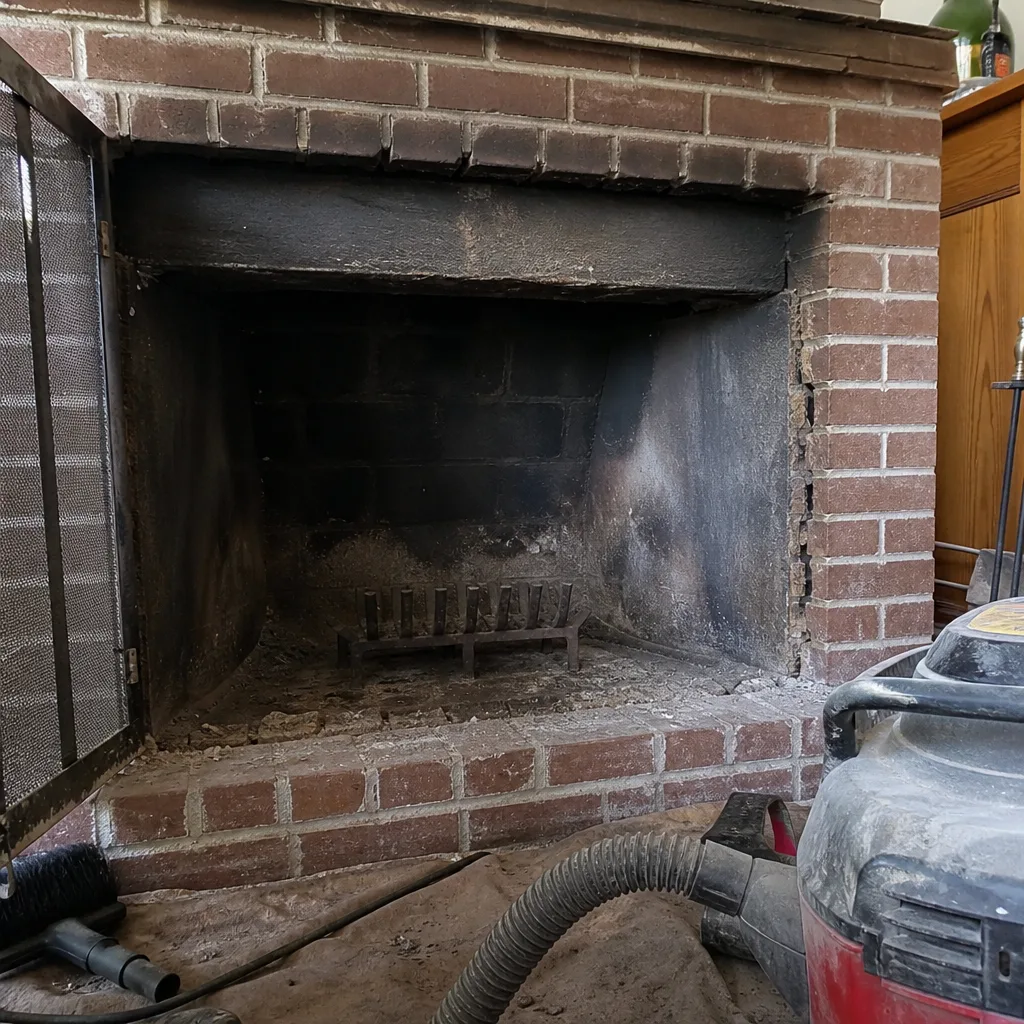 Before
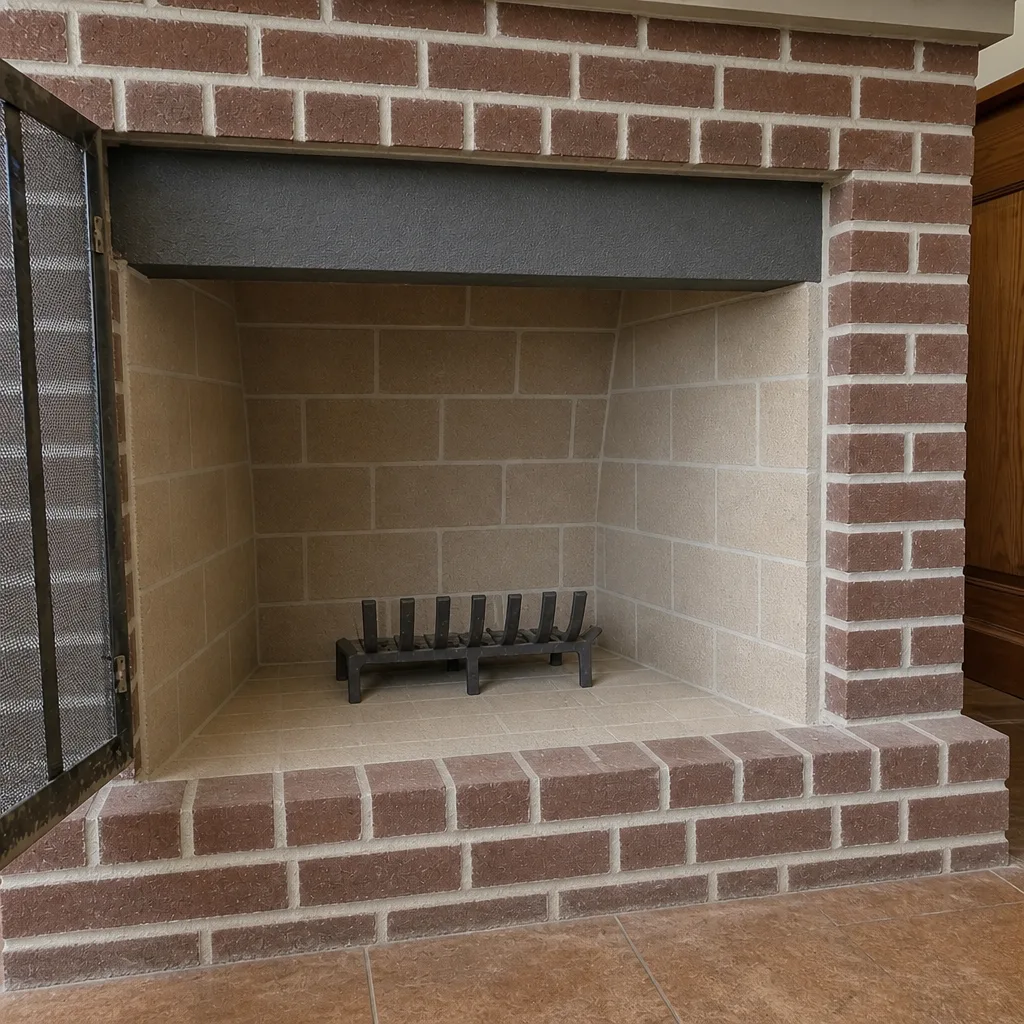 After
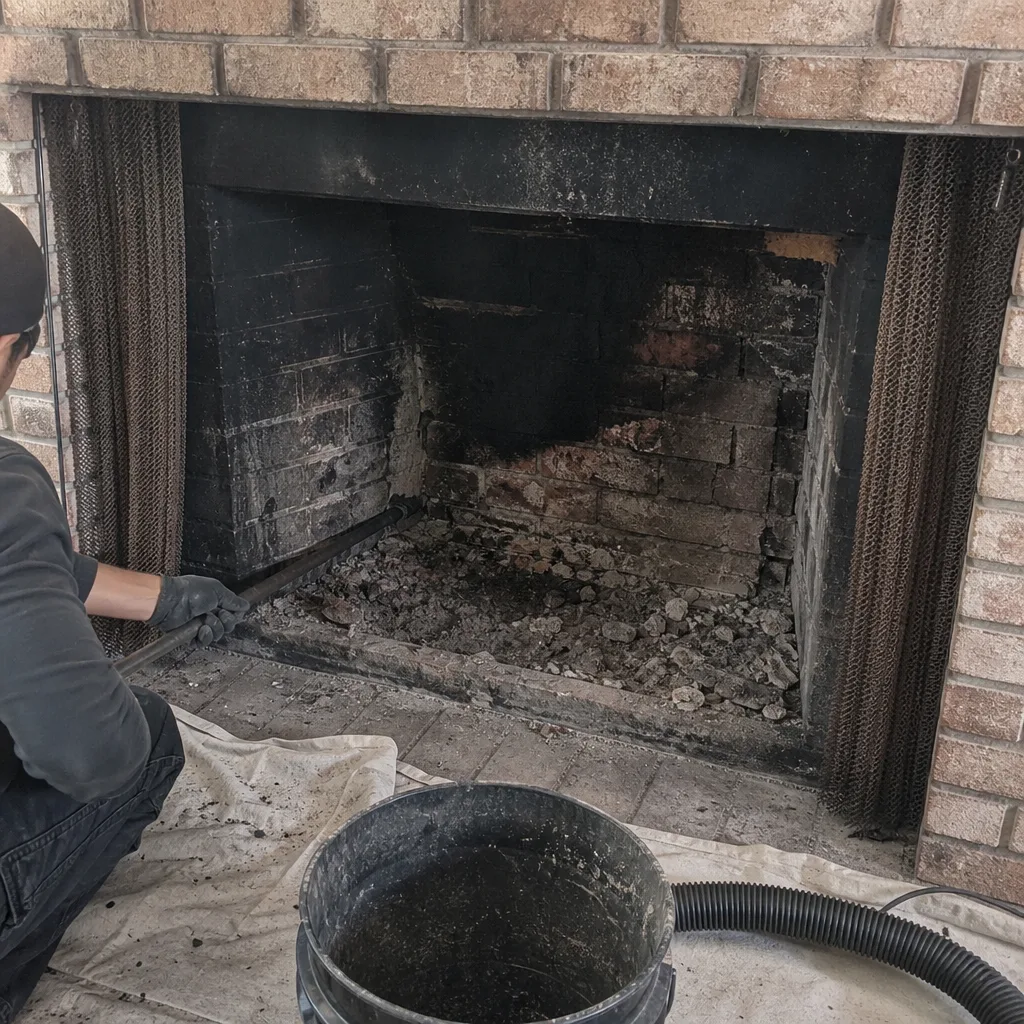 Before
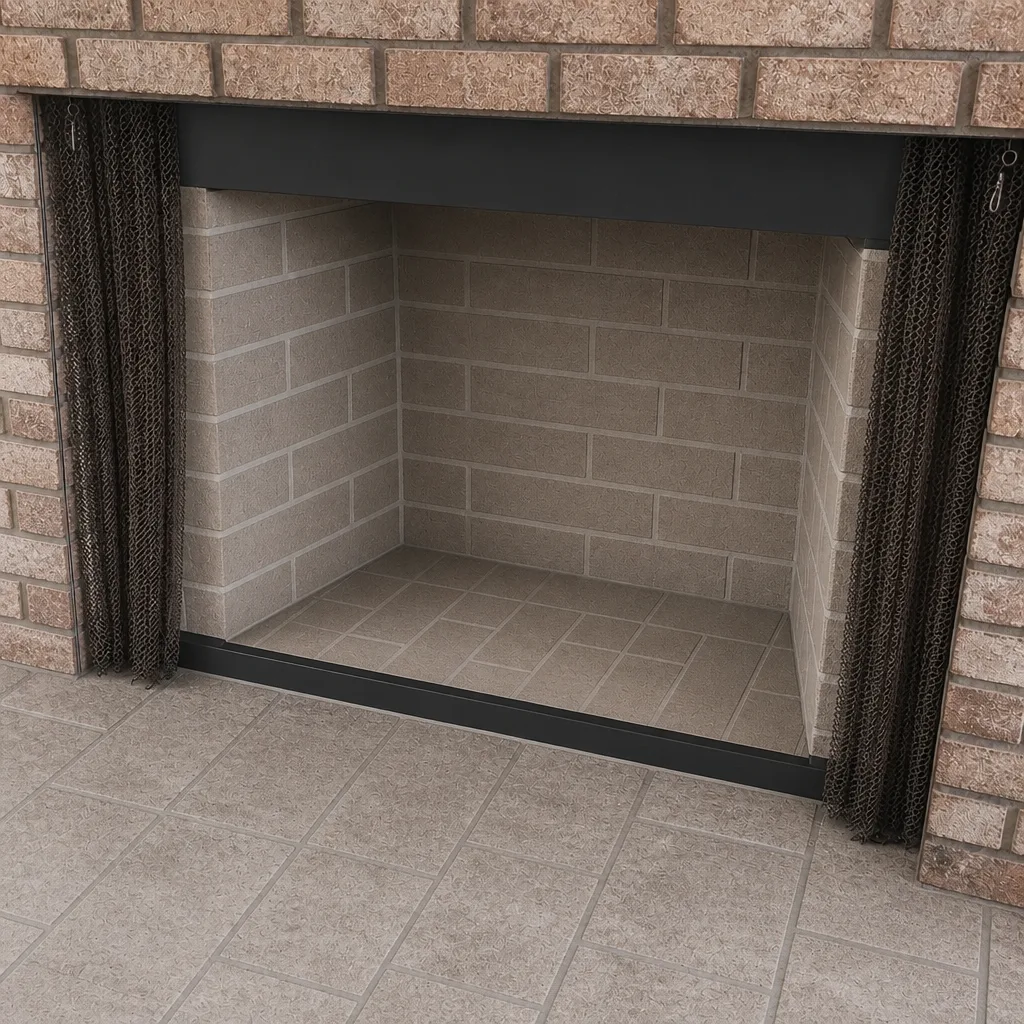 After
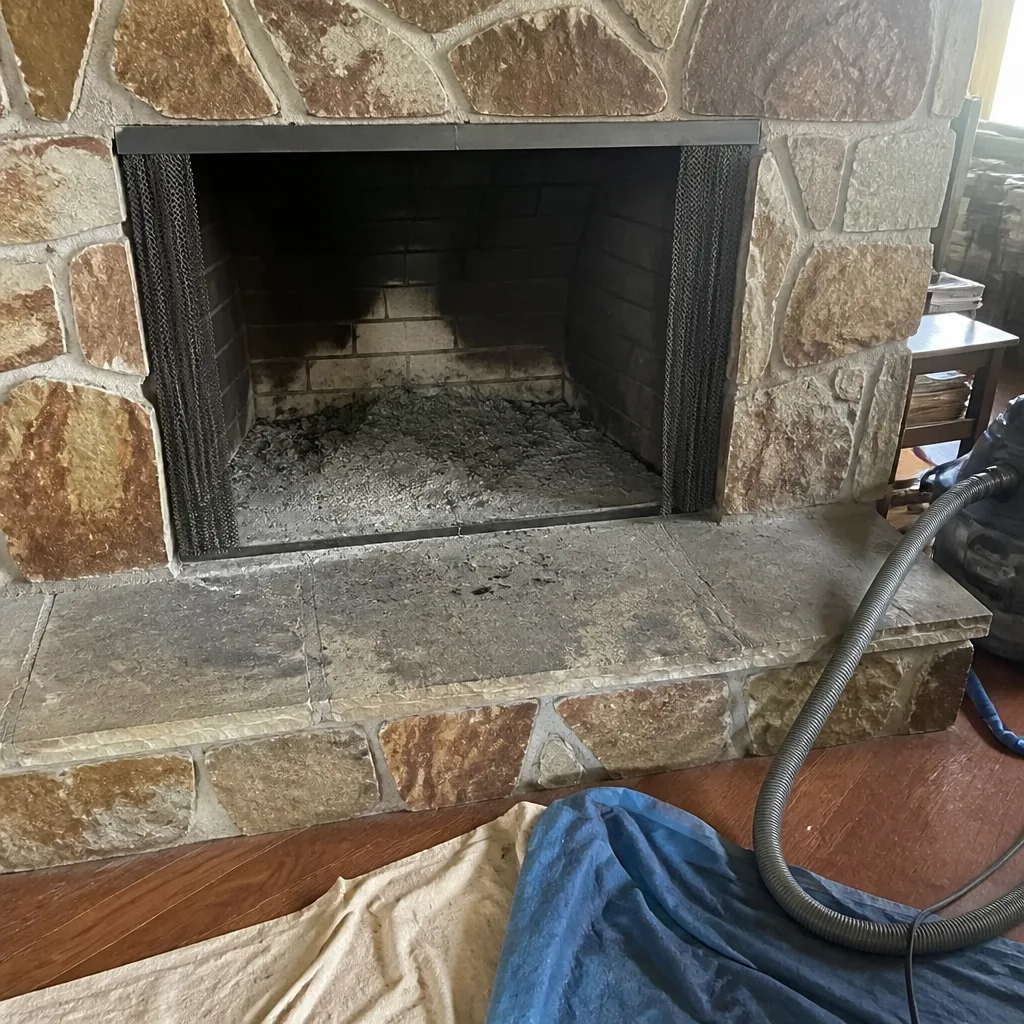 Before
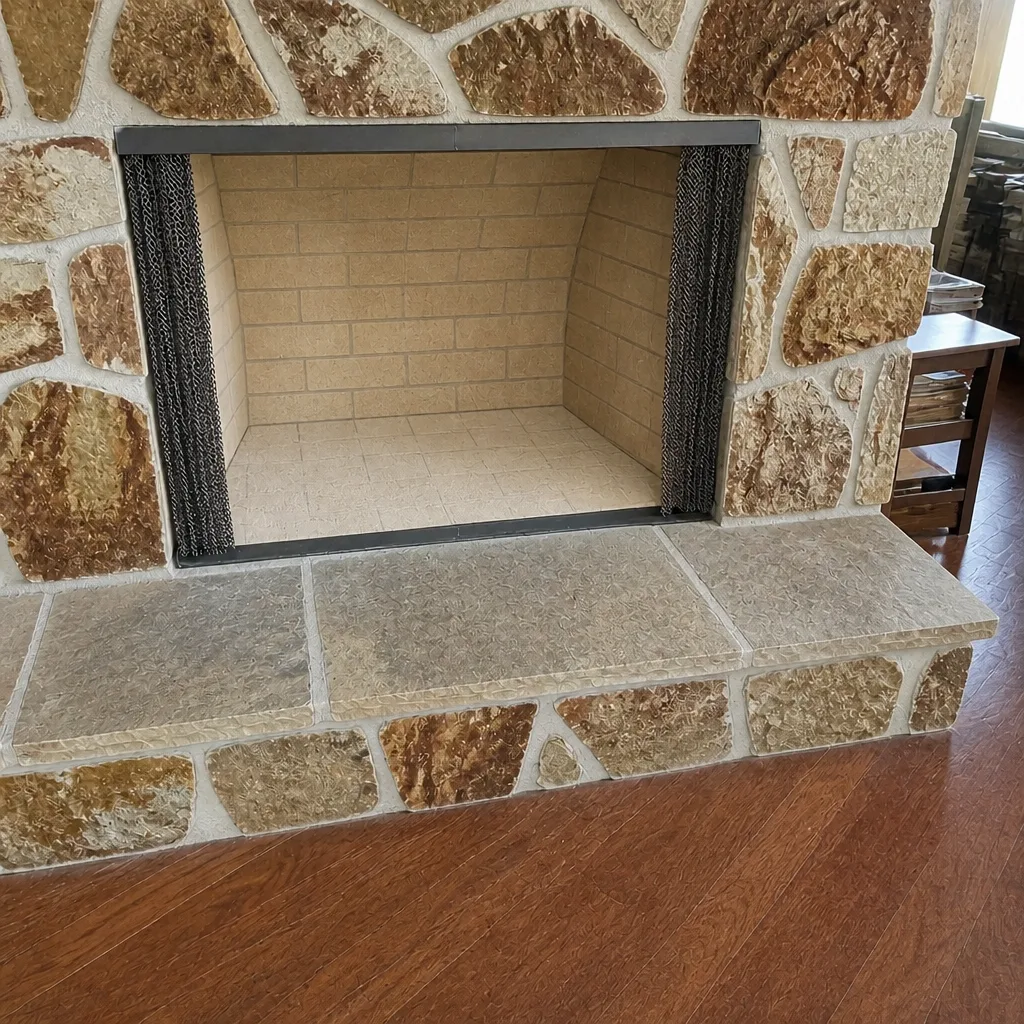 After