
Last updated November 15, 2026
 Sweep & inspection
 Caps & crowns
 Flue relining
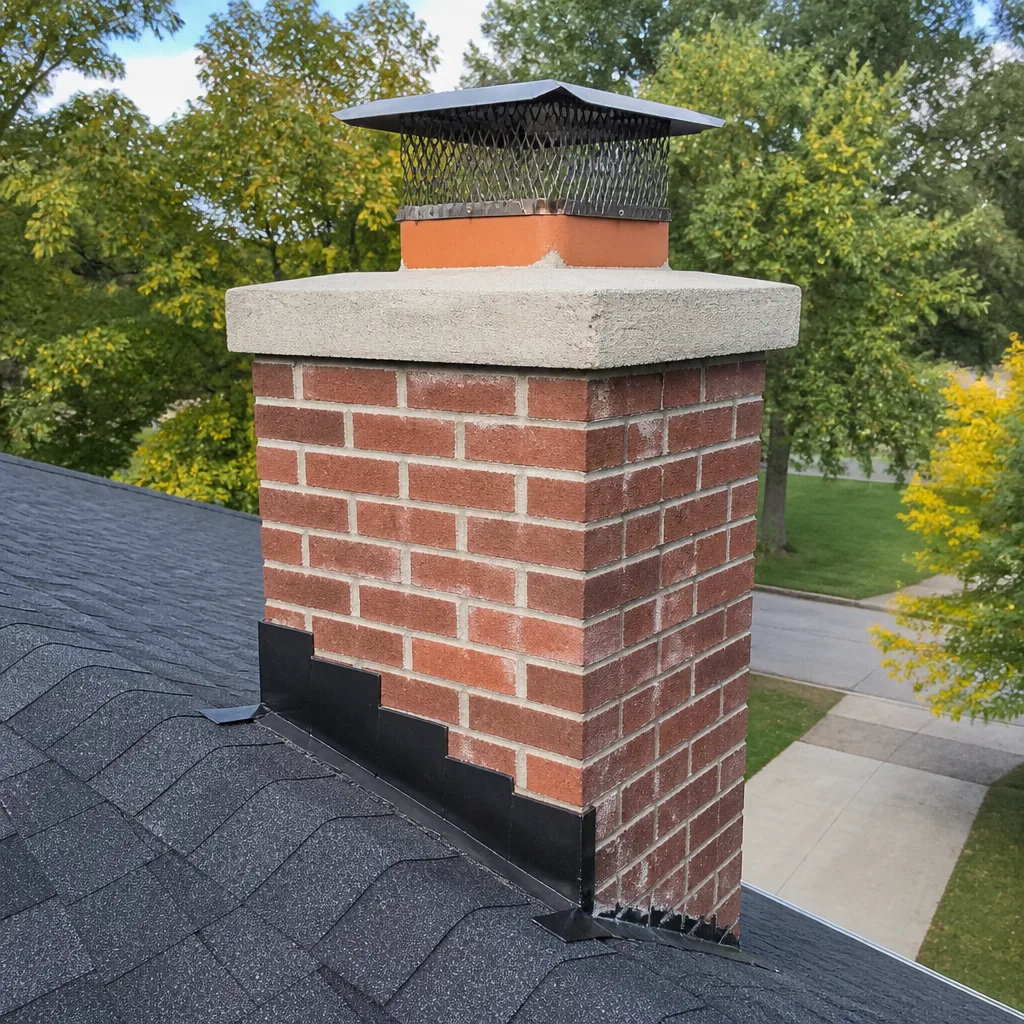 Masonry repair
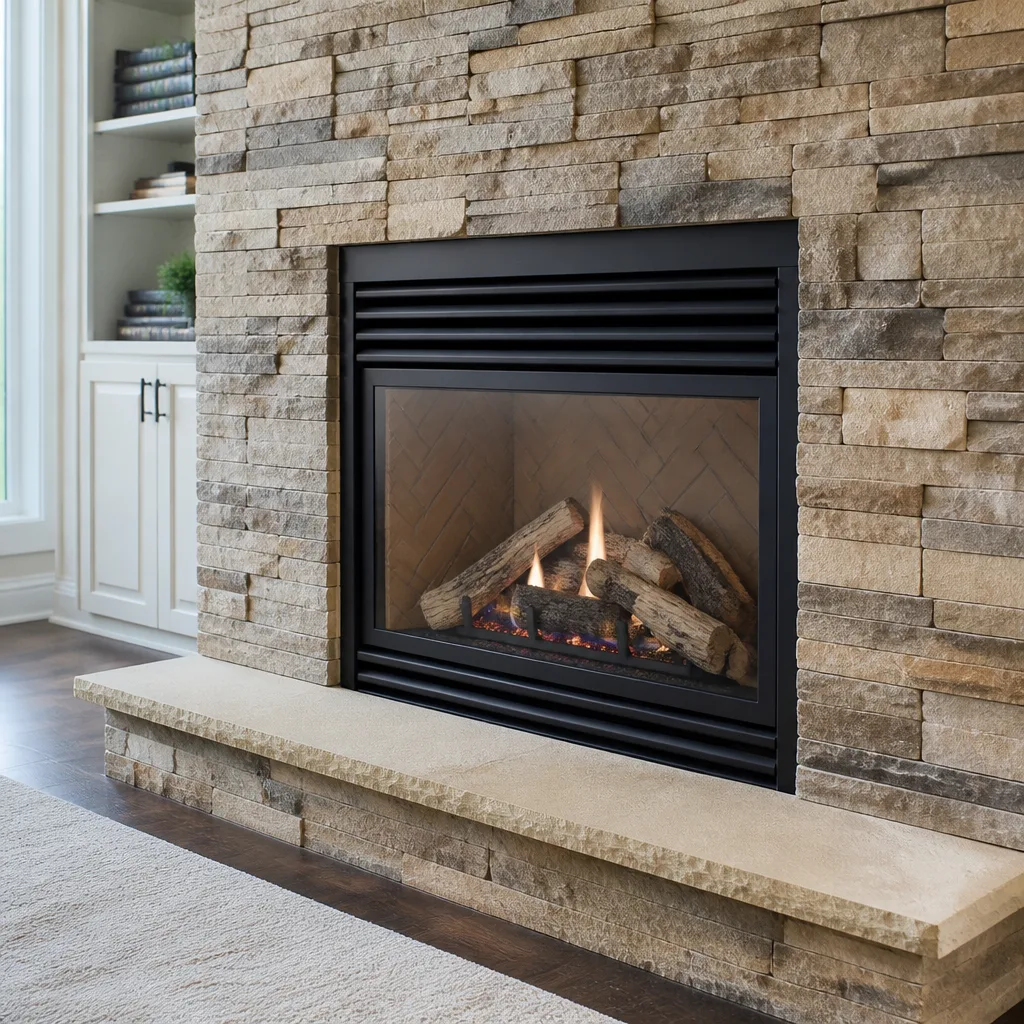 Gas fireplace service
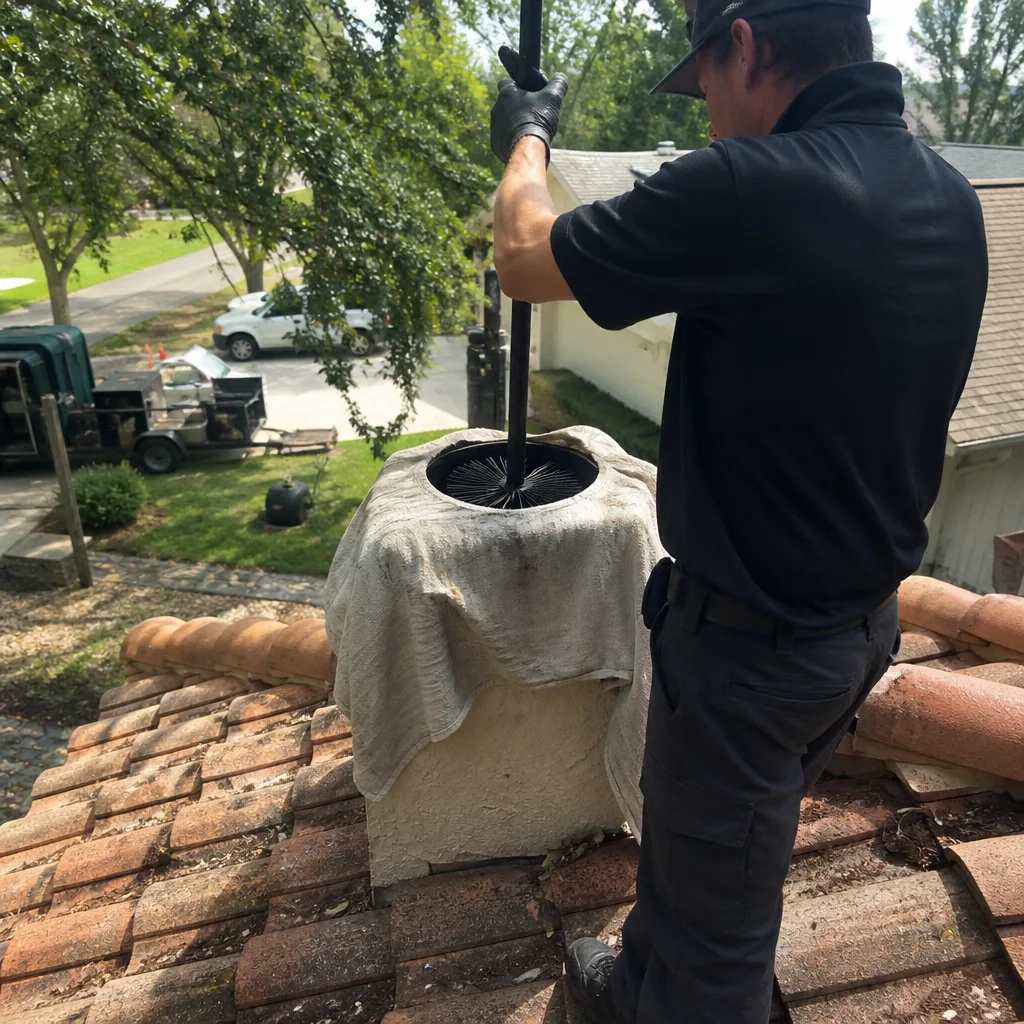
Level 1 sweep and inspection to the NFPA 211 annual standard - flue, crown, cap, and flashing checked and photographed
Chimney sweep logs do not sweep chimneys. They loosen some creosote - which then falls where a brush and vacuum still have to collect it.
Seasonal Chimney Cleaning Care for Riverview: Year-Round Homeowner’s Guide
The advice to “schedule your chimney cleaning in September” was written for Ohio, not Riverview. In Florida, September is peak hurricane season, and the months most national guides call ideal are the ones when we’re watching the tropics and closing storm shutters. The right schedule for a Riverview chimney runs almost exactly opposite the standard script: cleaning after the short burn season rather than before it, cap and crown work ahead of summer storms, and a tight fall window before the first cool evening. This guide lays out the whole year, month by month, so you know when each task actually makes sense here.
Quick Answer
For most Riverview homes, the best time to sweep a fireplace chimney is March through May, right after the short winter burn season ends. Cap, crown, and damper checks belong in spring before storm season arrives in June. The narrow cleaning window before the first fire is October into early November. Dryer vents don’t follow a seasonal calendar at all; they’re cleaned on a usage and lint-accumulation schedule instead.
Styles & brands we work with
- Sweep & inspection
- Caps & crowns
- Flue relining
- Masonry repair
- Gas fireplace service
Table of Contents
- Why Riverview’s Seasons Don’t Match Standard Chimney Advice
- Spring (March – May): The Ideal Cleaning Window
- Before June: Storm Season Prep for Caps, Dampers, and Crowns
- After the Storm: How to Check Your Chimney Without a Full Inspection
- October – November: The Pre-Season Window
- Winter Burning: What to Watch During the Fireplace Season
- Dryer Vent Maintenance: A Different Schedule Entirely
- The Full Riverview Maintenance Calendar
Why Riverview’s Seasons Don’t Match Standard Chimney Advice
Most chimney care guidance gets written in places with four distinct seasons: a long heating season, a deep freeze, and a spring thaw. That advice assumes your chimney works hard for five or six months and then rests. Here in Riverview, the fireplace season is short, and the weather pressure on the chimney comes from the other direction. Summer is the active threat. Heat, heavy rain, and storm-driven wind work on the exterior of a chimney far more than a cold snap ever does.
That flips the logic. In a cold climate, the priority is clearing creosote before the burn season so the chimney is safe when you need it daily. In Riverview, the priority is getting the chimney inspected and cleaned after a short, concentrated burn season, then making sure the cap and crown are sound enough to ride out the summer. The building itself behaves differently too. Central air conditioning runs for much of the year, pulling air through the house and interacting with chimney draft in ways a heating-dominated home doesn’t experience.
What that means in practice:
- Post-season cleaning beats pre-season cleaning for most Riverview homes, because you clear deposits when they’re fresh and leave the flue clean through the off-season.
- Exterior protection matters here year-round because rain and wind, not cold, are the main forces degrading a chimney between fires.
- The pre-season window is short, so it fills up fast once the first cool front shows on the forecast.
The rest of this guide takes that seasonal reality and turns it into a calendar you can actually follow. Whether you’re near the Alafia River, off Big Bend Road, or in one of the neighborhoods along Boyette, the timing logic works the same way.
Spring (March – May): The Ideal Cleaning Window
Spring is the best time to clean the chimney of a Riverview home that burned fires over the winter. The burn season here is short and concentrated, usually a handful of cool stretches between December and February. By March, those fires are done, and the creosote and soot they left are still in the flue. Sweeping now removes the buildup while the season is fresh in mind, and it leaves the chimney clean and settled for the six months it will sit mostly unused. If you want to understand exactly what a proper sweep involves, our chimney sweep page walks through the process step by step.
There’s a safety reason behind the timing, not just a convenience one. Creosote is the flammable residue that builds up when wood burns incompletely, and it comes in forms ranging from a light soot to a sticky, tar-like glaze that’s genuinely hard to remove. Left sitting through the humid summer, that residue doesn’t improve. Spring cleaning gets it out while it’s manageable and gives you a clear picture of the flue’s condition before storm season.
A spring cleaning visit is also the natural moment to look at the parts of the system you can’t see from the hearth:
- Flue interior. A camera run down the flue shows the condition of the liner, any cracks or gaps, and how much buildup is really there. You see the same footage we do.
- Damper operation. The damper should open, close, and seal cleanly. A damper that sticks open lets cooled or conditioned air escape all summer.
- Firebox and smoke chamber. These are the surfaces just above and behind the fire, where deterioration tends to start.
- Exterior cap and crown. We check these from the ground and, where accessible, up close, so the storm-season prep list is based on what’s actually there.
Spring sweeping is the single highest-value habit for a Riverview fireplace owner. It costs you one visit at the calmest point of the year, and it sets up everything else in this guide.
Before June: Storm Season Prep for Caps, Dampers, and Crowns
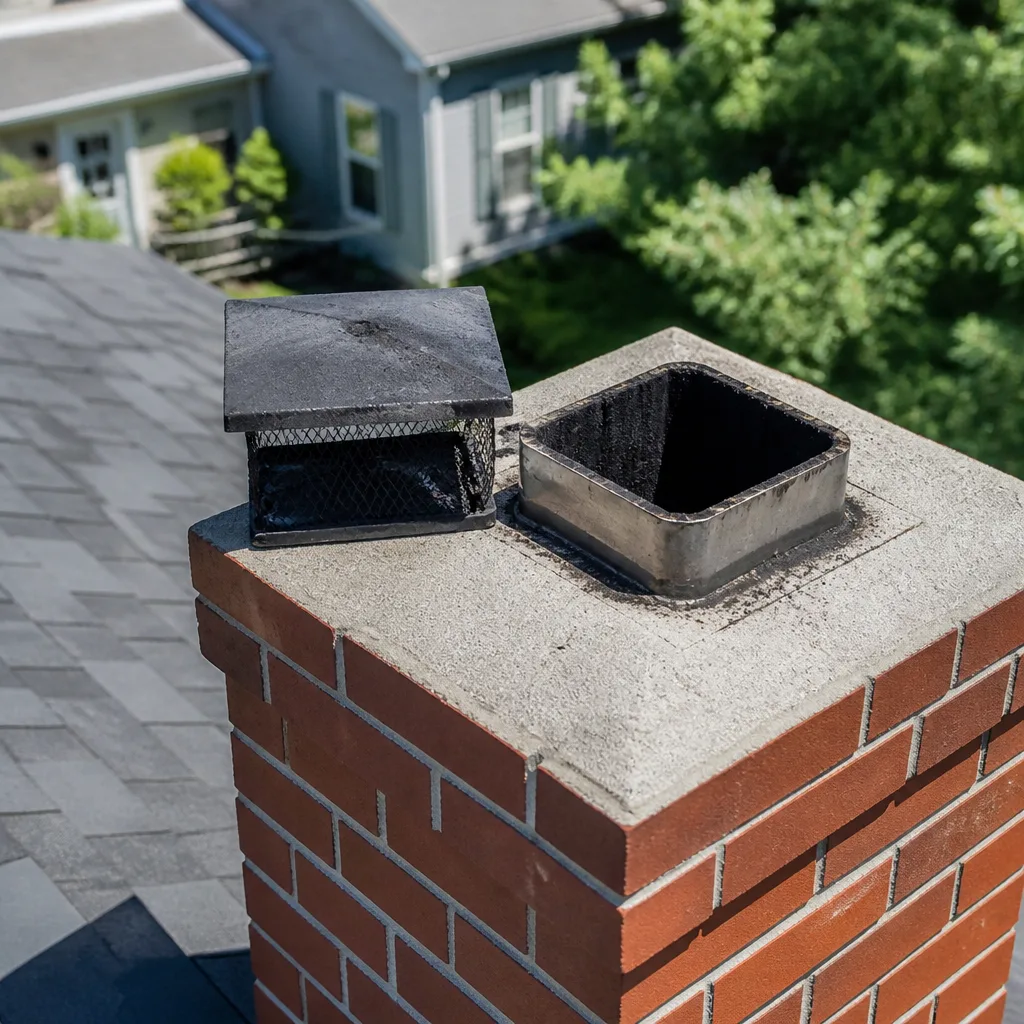
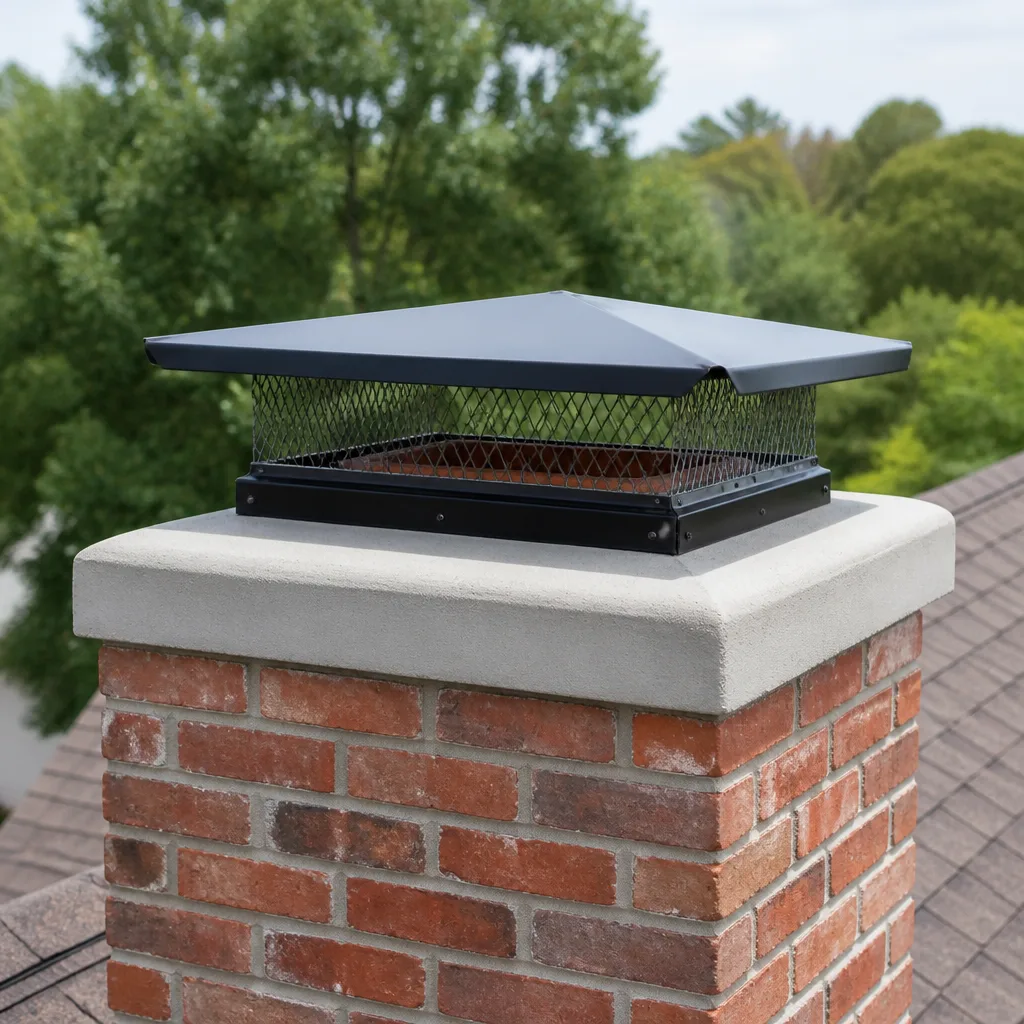
Before storm season arrives in June, the job is protecting the top of the chimney. The cap and crown take the brunt of summer weather: driving rain, wind, and debris. A sound cap keeps water, birds, and squirrels out of the flue. A sound crown sheds water away from the masonry so it doesn’t soak in and break down the structure from the top. This is the exterior work that a cold-climate guide would schedule for fall; here it belongs in late spring.
A storm-season checklist for a Riverview chimney covers three things:
- Cap condition. Is it securely fastened, undamaged, and sized to the flue? A loose cap can lift or shift in high wind. Replacements built for the purpose, using product lines like Gelco and Famco, hold up far better than improvised covers.
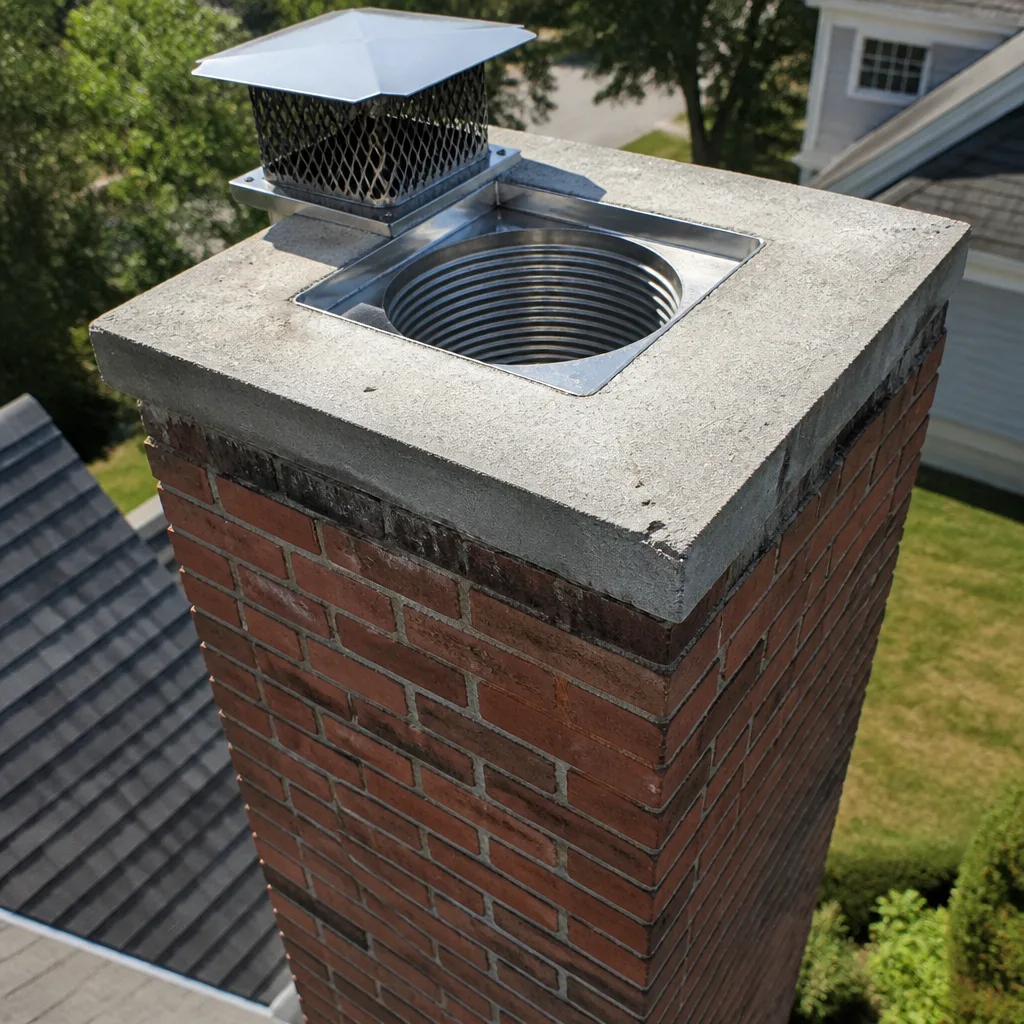
- Crown sealant and masonry. Look for cracks, missing chunks, or a crown that no longer slopes away from the flue. Water that pools on a flat or cracked crown finds its way into the chimney structure.
- Damper and top-sealing hardware. Confirm the damper closes fully. If you have a top-sealing damper, check that it seats properly so summer rain can’t blow down an open flue.
Here’s the part worth flagging plainly. Anything involving the top of the chimney means working at height on a roof, often a steep one, and that’s genuinely dangerous without the right equipment and training. We don’t recommend homeowners climb up to inspect a cap or crown themselves. A trained technician can assess it safely and tell you whether it needs attention before the storms, or whether it can wait. Our team works with contractor-grade components for exactly this reason; a cap that’s built for the job is far less likely to become a summer problem.
After the Storm: How to Check Your Chimney Without a Full Inspection
You don’t need a full inspection after every summer thunderstorm. Most weather events pass without touching the chimney. What you want is a simple way to spot the signs that a storm did cause damage, so you can call for a proper look only when there’s a reason. Think of it as triage, not inspection. The real assessment happens with a camera and a trained eye; this is just how you decide whether to pick up the phone.
After a significant storm, do a ground-level check and look for these signals:
- Visible change up top. From the ground, see whether the cap is still sitting straight or has shifted, tilted, or gone missing. Binoculars help.
- Masonry debris on the roof or ground. Chunks of mortar or brick near the base of the chimney suggest the crown or upper masonry took a hit.
- Water stains indoors. Damp patches on the ceiling or walls near the chimney, or a musty smell, point to water getting in through the top.
- A change in draft or smell. If the fireplace suddenly smells of soot or draws poorly when it didn’t before, something in the flue or cap may have moved.
- Loose or missing cap screening. A damaged spark screen is an open door for birds and debris.
If none of those signs show up, there’s usually no need to schedule anything beyond your normal seasonal visit. If any of them do, that’s your cue to book an inspection so a technician can confirm what happened with camera evidence rather than guesswork. It also helps to keep the chimney’s exterior maintained through the season, since a well-sealed crown and a secure cap are what prevent most storm damage in the first place. In our experience, the homes that ride out storm season without issues are the ones that did the spring prep.
October – November: The Pre-Season Window
October into early November is the narrow window before the first fires of the season, and it fills quickly. If you cleaned in spring, you may not need a full sweep now; a quick check that the flue is still clear, the damper works, and nothing moved over the summer is often enough. But if you didn’t clean in spring, or you’re not sure when the chimney was last swept, this is the moment to get it done before you light the first fire. Waiting until the first cold front hits means competing for appointments with everyone else who had the same idea.
There’s a reason this window is genuinely narrow in Riverview. The burn season is short, so the demand to be ready for it is concentrated into a few weeks. Once the cool evenings arrive, homeowners want the fireplace working that night, not three weeks from now. Booking in October, ahead of the rush, is the difference between a relaxed start to the season and a scramble.
A pre-season visit tends to focus on readiness:
- Confirm the flue is clear after the off-season, with no nests, debris, or animal activity.
- Test the damper so it opens and closes smoothly for the season ahead.
- Check the cap is still secure after summer storms.
- Review your wood supply and burning habits so the season starts clean.
If you’re scheduling for the first time, starting with the Chimney Sweep Riverview overview gives you the full picture of what a visit covers before you book. Getting on the calendar in October is the calm way to be ready for that first cool evening, whenever it comes. When you’re ready, call us and we’ll find a time that works. We answer 24/7, and fast dispatch runs from 7am to 7pm, Sunday through Friday.
Winter Burning: What to Watch During the Fireplace Season
Winter in Riverview means short, occasional fires rather than a fire every night, and that pattern shapes how you should burn. The key is to burn hot and clean rather than low and smoky. A smoldering, low fire produces far more creosote than a hot one, and since the season is short, the quality of each fire matters more. Seasoned, dry wood and a hot burn keep deposits down. Damp or green wood and a choked-down fire do the opposite.
During the burn season, a few habits keep the chimney in good shape:
- Burn seasoned wood. Dry wood burns hot and clean; wet wood smolders and leaves heavy residue.
- Don’t overload the firebox. A fire that’s too large for the flue can produce more smoke than the chimney can carry away.
- Watch for warning signs. Persistent smoke in the room, a strong soot smell, or a draft that’s gotten worse all point to an issue worth a look.
- Keep the damper open during a fire and closed when the fire is fully out, so you’re not venting your home’s conditioned air.
One safety point worth stating plainly: if you ever suspect a chimney fire has occurred, stop using the fireplace and have the chimney inspected before lighting another fire. Chimney fires can cause damage inside the flue that isn’t visible from the hearth, and only a camera inspection confirms the liner is intact. This is the kind of thing a trained technician checks for, and it’s why we don’t recommend guessing. The purpose of getting this right is straightforward: a clean, sound flue is what lets you enjoy the short burn season without worry.
Dryer Vent Maintenance: A Different Schedule Entirely
Dryer vents don’t follow the same calendar as a fireplace chimney. A chimney season is tied to when you burn fires; a dryer vent is tied to how much you dry laundry and how fast lint accumulates. So while the fireplace chimney has a spring cleaning and a fall window, the dryer vent runs on a usage-and-condition schedule all year. That distinction matters, because clogged dryer vents are among the leading causes of residential fires, right alongside chimney hazards. They belong in the same fire-safety conversation, even though the timing logic differs.
Rather than a seasonal date, watch for these signals that it’s time for dryer vent cleaning:
- Clothes take longer to dry than they used to, or a load needs a second cycle.
- The dryer feels hot to the touch on top or around the door after a cycle.
- The outside vent flap barely moves, or lint is visible around it.
- A musty or burning smell near the dryer or along the vent run.
- A long or winding vent path, which traps lint faster than a short, straight one.
Households that run several loads a week should treat dryer vent cleaning as a recurring item, not a once-and-done task. A vent that’s clear helps the dryer run more efficiently and, more importantly, removes a real fire hazard from the home. Because our work covers chimney sweeping, chimney repair, and dryer vent cleaning together, one call can handle the chimney and the vent in the same visit. If you’re already booking a seasonal chimney appointment, it’s a natural moment to add the vent. Call (844) 834-1749 to set it up.
The Full Riverview Maintenance Calendar
Here’s the whole year in one place. Use this as the working version of everything above, and adjust the exact dates to fit how much you actually burn. A home that lights a fire a few times a season has less buildup than one that burns regularly, but the timing of the tasks stays the same.
- March – May: Sweep and inspect. Clean the fireplace chimney after the burn season, run a camera down the flue, and check the damper, firebox, and exterior. This is the anchor visit of the year.
- Late May – early June: Storm-season prep. Confirm the cap is secure and the crown is sealed and sloped. Replace anything that won’t hold through summer, using purpose-built components like Olympia Chimney dampers or Gelco caps.
- June – November: Monitor, don’t inspect after every storm. Use the ground-level triage check after significant weather and call only if something looks off.
- October – early November: Pre-season readiness. Confirm the flue is clear and the damper and cap are sound before the first fire. Book early, because this window fills fast.
- December – February: Burn season. Burn seasoned wood, keep fires hot and clean, and watch for warning signs. Stop and call if you suspect a chimney fire.
- All year: Dryer vent. Clean on a usage-and-condition basis, not by season, and watch for slow drying, heat, and lint at the outside flap.
What ties all of this together is a simple idea. A Riverview chimney is protected most by what happens on the outside before summer and cleaned most effectively right after the short burn season. That’s the opposite of the standard national advice, and it’s the schedule that actually fits how homes in Riverview live through the year. To see the areas we work across, visit our Riverview page.
Common Mistakes to Avoid
- Following the “clean in September” advice. That timing is built for cold climates and lands right in the middle of Riverview’s storm season. Spring cleaning fits the local burn season far better.
- Skipping the pre-storm cap and crown check. A loose cap or cracked crown that rides into summer is the most common way water finds its way into a chimney here. The check costs little; the repair it prevents costs more.
- Calling for a full inspection after every thunderstorm. Most storms cause no damage at all. A ground-level triage check tells you when to call; the rest of the time, wait for your seasonal visit.
- Waiting until the first cold front to book. The October – November window is genuinely narrow in Riverview. Booking ahead is the difference between being ready and scrambling.
- Treating the dryer vent as an afterthought. A clogged dryer vent is a real fire hazard, and it doesn’t follow the fireplace calendar. Watch for the warning signs year-round instead of waiting for a season.
- Burning green or damp wood. It smolders, produces heavy creosote, and makes the spring sweep harder and the flue dirtier through the short season.
- Climbing up to “take a quick look” at the cap or crown. Roof work at height is genuinely dangerous. Let a trained technician handle anything up top and tell you plainly what it needs.
See the difference
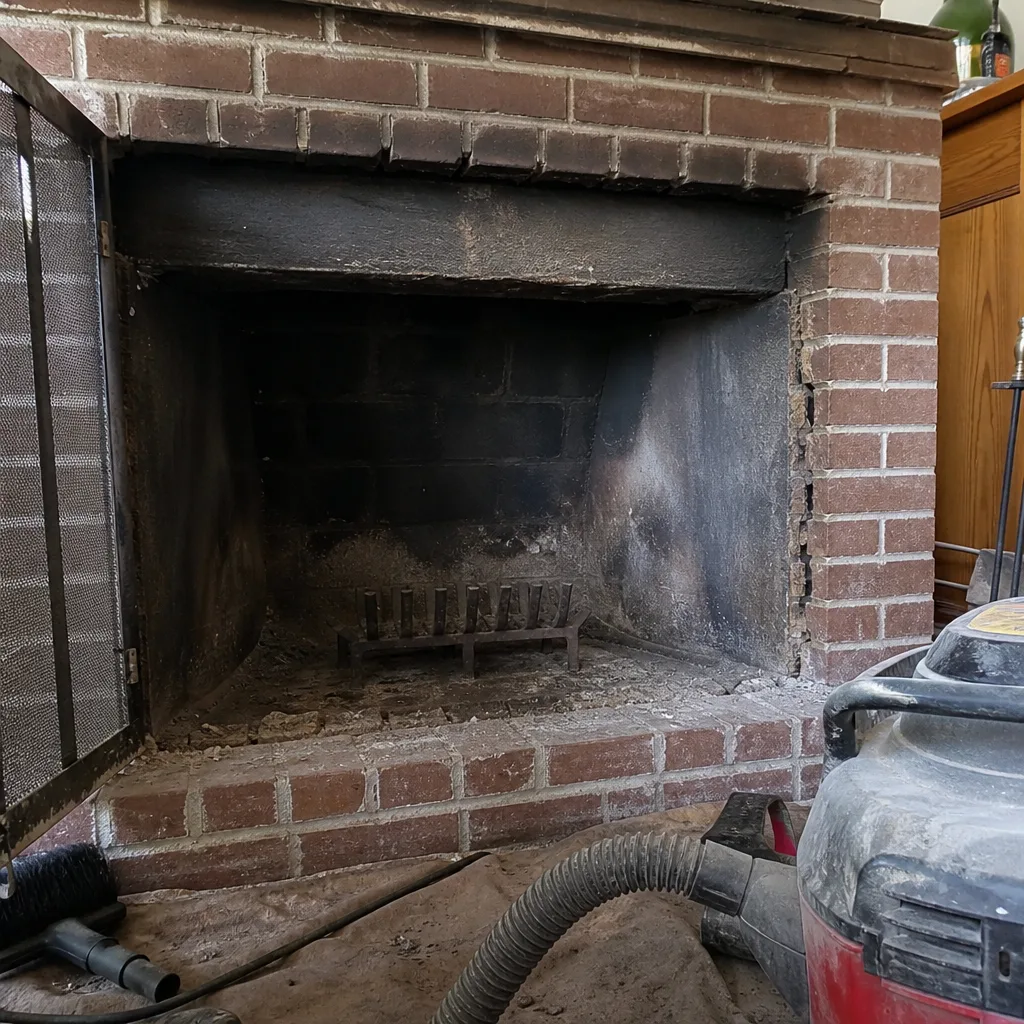 Before
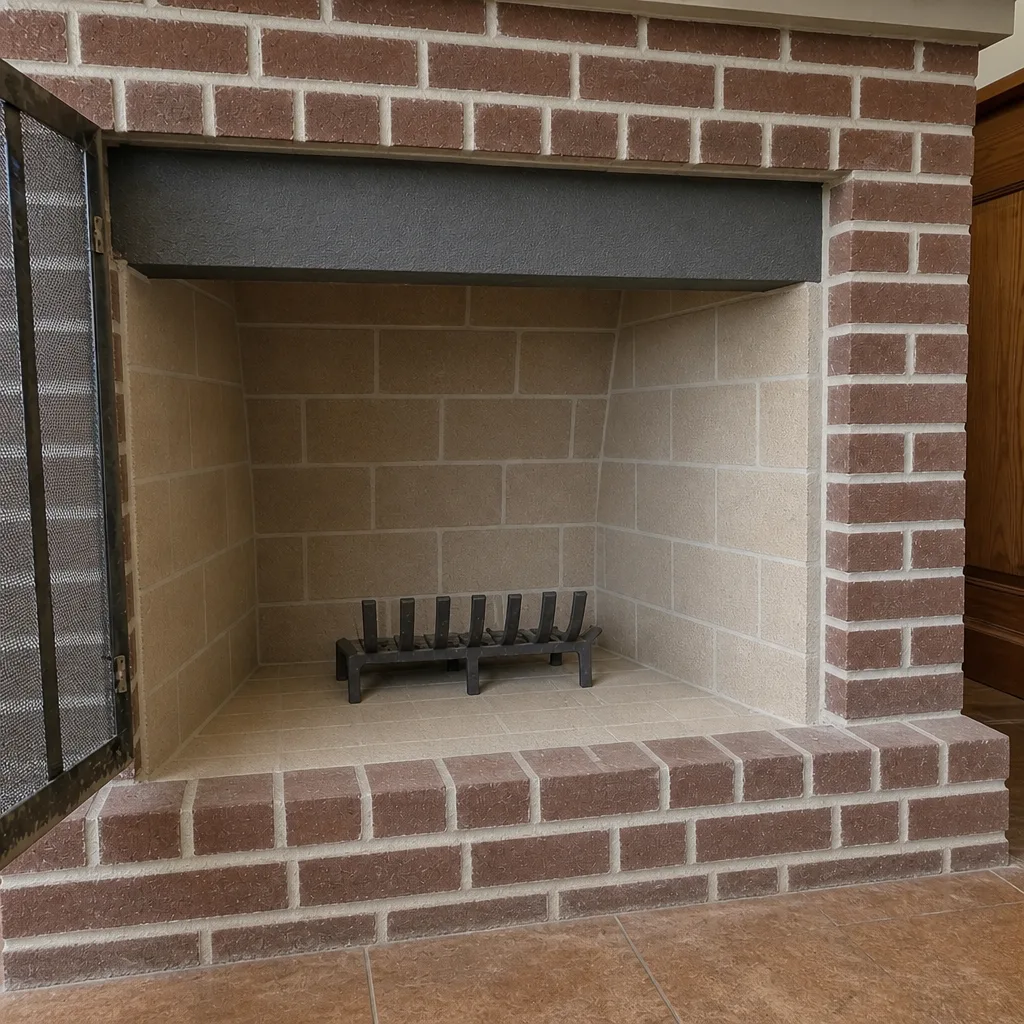 After
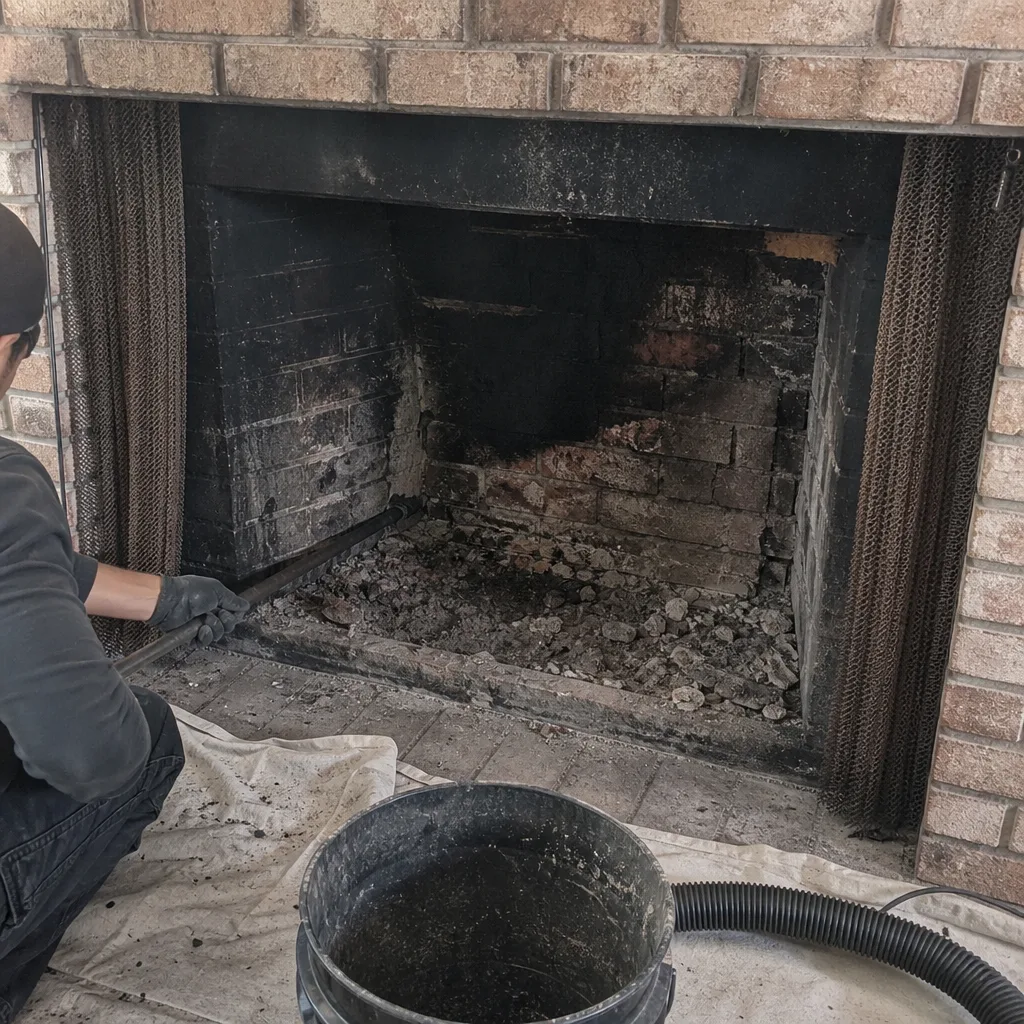 Before
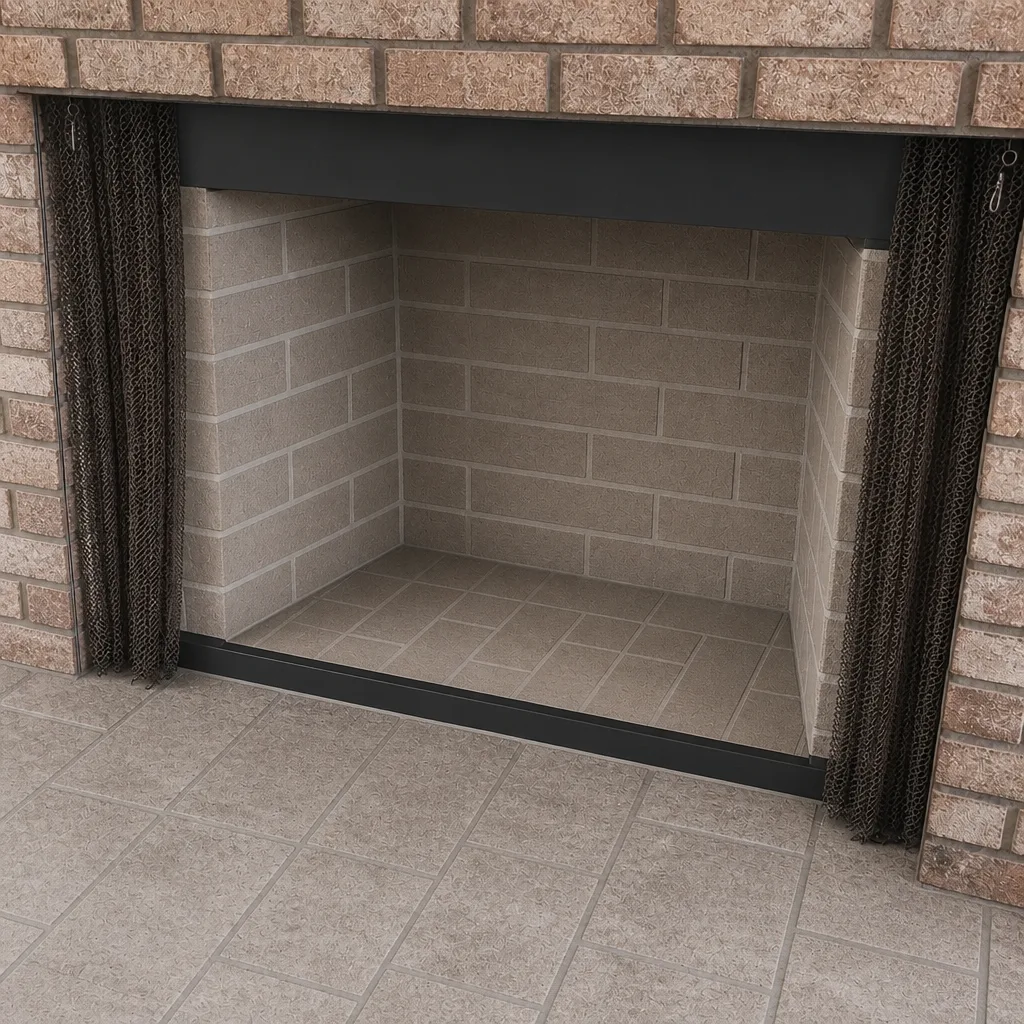 After
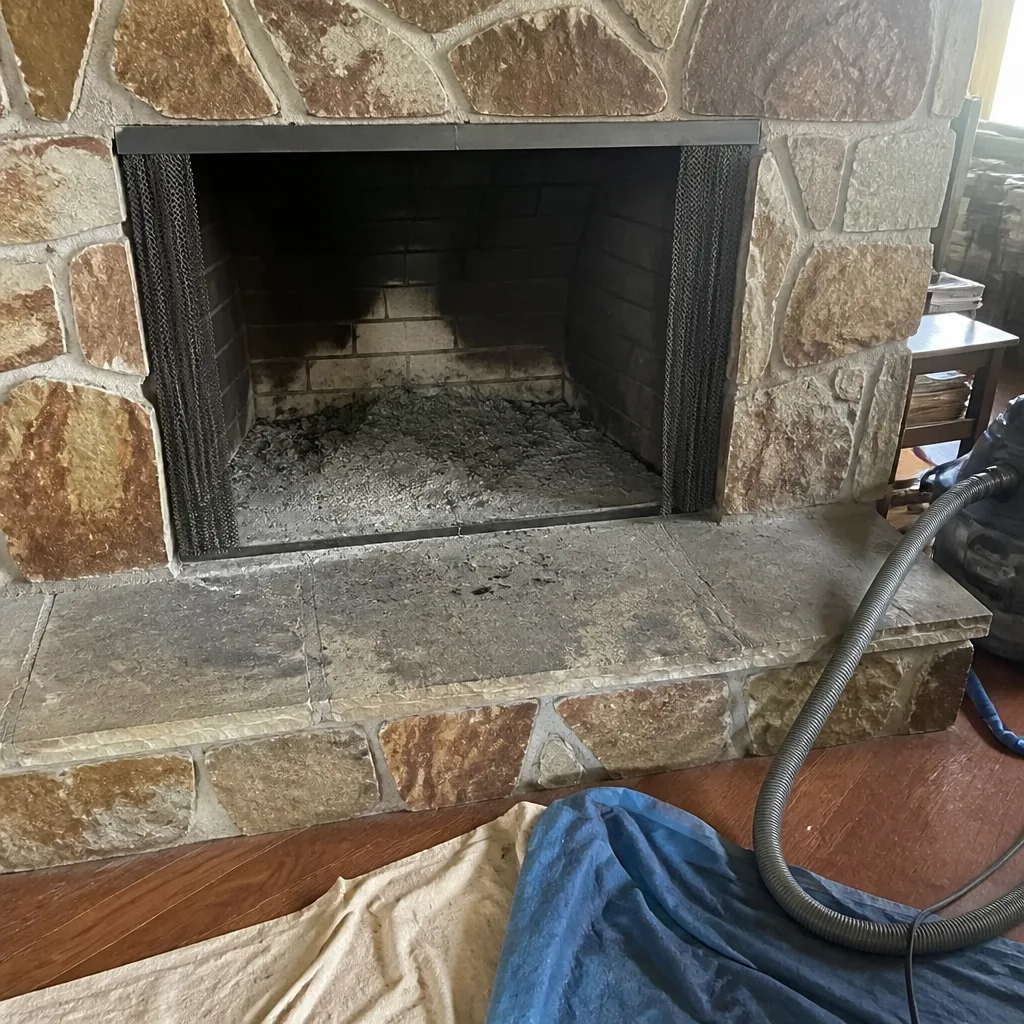 Before
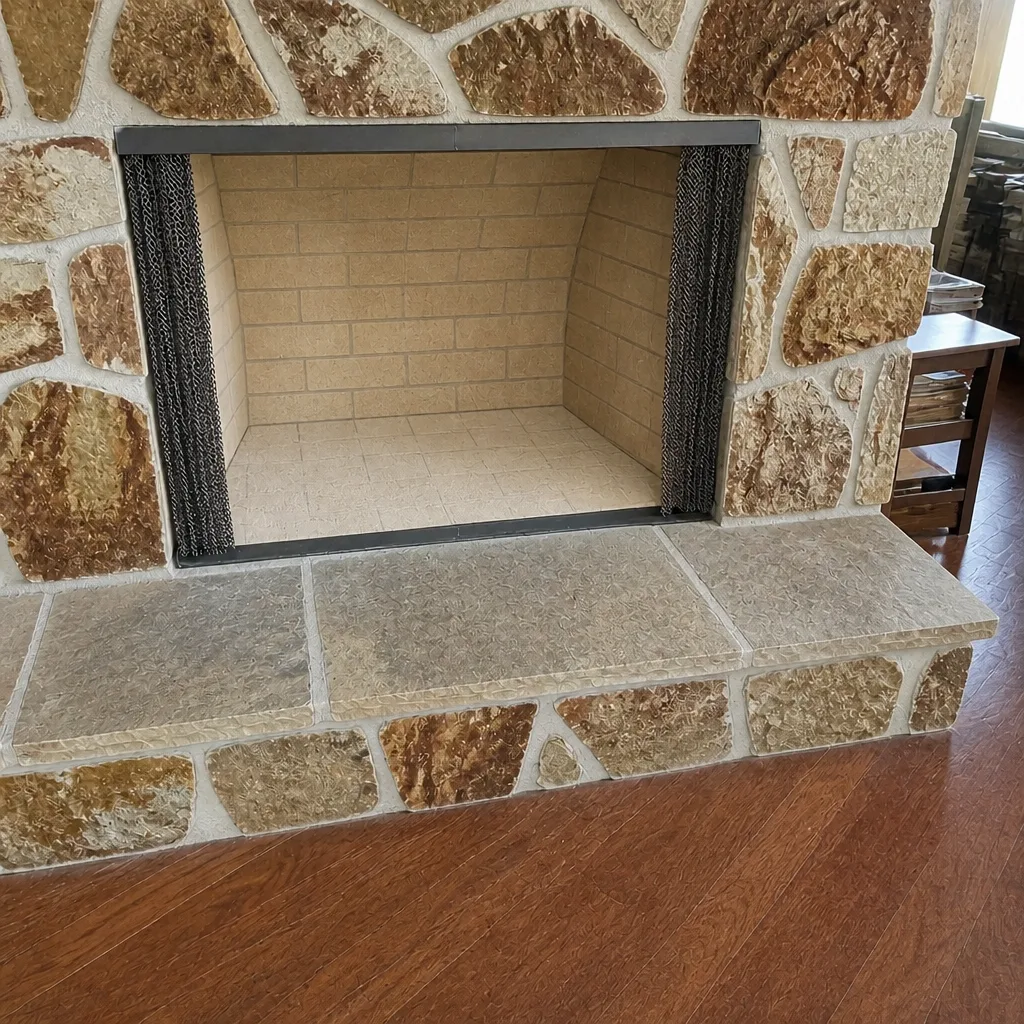 After
When to Call a Professional
Call a professional for anything on the roof, anything inside the flue, and anything you suspect but can’t see. That means the annual spring sweep, the pre-season check in fall, any cap or crown work, and every liner or masonry question. It also means any moment you notice warning signs: smoke in the room, a soot smell that won’t clear, water stains near the chimney, or a draft that’s changed. These are the situations where a trained eye and a camera inspection matter, and where guessing is a bad idea. Chimney Sweep Riverview offers free estimates in Riverview; call (844) 834-1749 to book a visit and get a clear answer about what your chimney actually needs.
Frequently Asked Questions
The best time is March through May, right after the short winter burn season, with a lighter pre-season check in October or early November. Spring cleaning clears the season’s creosote and leaves the flue clean through the off-season, while the fall visit confirms everything is ready for the first fire. Call (844) 834-1749 for an exact quote; estimates are free.
Because that advice is written for cold climates, where the priority is being ready before a long heating season and September is a calm month. In Riverview, September is peak hurricane season, and the burn season is short, so the right time to clean is after the season ends in spring, not before it begins in fall. The local calendar is nearly the reverse of the national one.
For a Riverview home with an occasional fireplace, a sweep once a year, after the burn season, is the usual pattern; heavier use means a closer look sooner. What matters more than a strict number is checking the flue each season and cleaning when there’s real buildup rather than relying on a fixed date. Call (844) 834-1749 to book a visit and get a straight answer for your specific chimney.
No. Most summer storms pass without touching the chimney, so you don’t need an inspection after each one. Do a ground-level check for a shifted cap, masonry debris, water stains indoors, or a change in draft, and call for a proper look only when one of those signs appears. Our technicians confirm anything with camera evidence you can see for yourself.
Before storm season, so late May or early June. The cap and crown take the brunt of summer rain and wind here, and a secure cap with a well-sealed, sloped crown is what keeps water out of the chimney structure. A check now can head off a repair later. Call (844) 834-1749 for a free estimate on any cap or crown work.
No, it runs on a different logic. A dryer vent isn’t tied to a burn season; it accumulates lint based on how much laundry you dry and how long the vent run is. Watch for slow drying, a hot dryer, or lint at the outside flap, and clean when those appear rather than by calendar. Call (844) 834-1749 to add it to your next visit.
The Bottom Line
Riverview’s climate rewrites the standard chimney calendar. The real priorities here are a spring sweep after the short burn season, cap and crown protection before the storms arrive in June, a light triage check after major weather instead of an inspection after every one, and a booked-ahead fall window before the first fire. Dryer vent cleaning sits alongside all of it on its own usage-based schedule. Follow the calendar in this guide, let a trained technician handle anything on the roof or inside the flue, and the short burn season stays simple and safe. Call (844) 834-1749 for a free estimate and a look at what your chimney actually needs. We answer 24/7, with fast dispatch from 7am to 7pm, Sunday through Friday.
Written by the team at Chimney Sweep Riverview.