
Last updated November 15, 2026
 Sweep & inspection
 Caps & crowns
 Flue relining
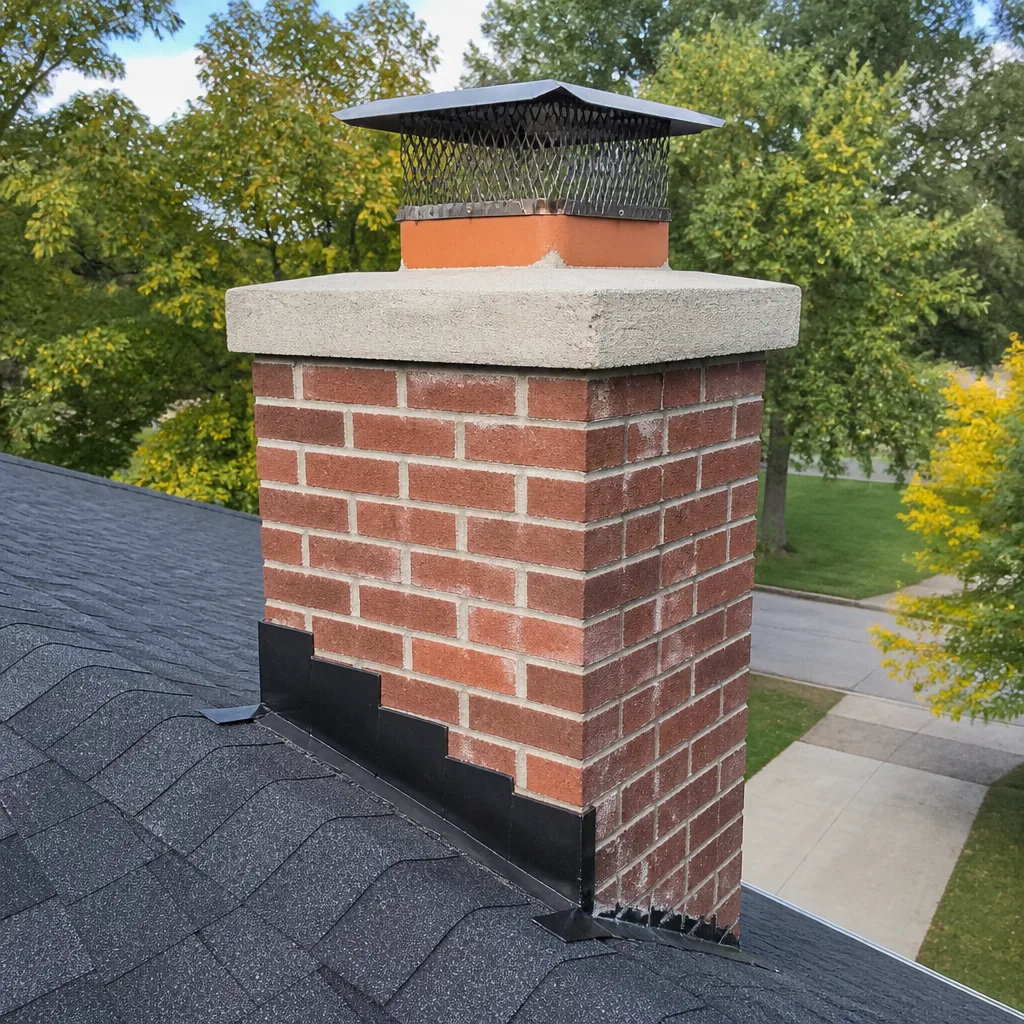 Masonry repair
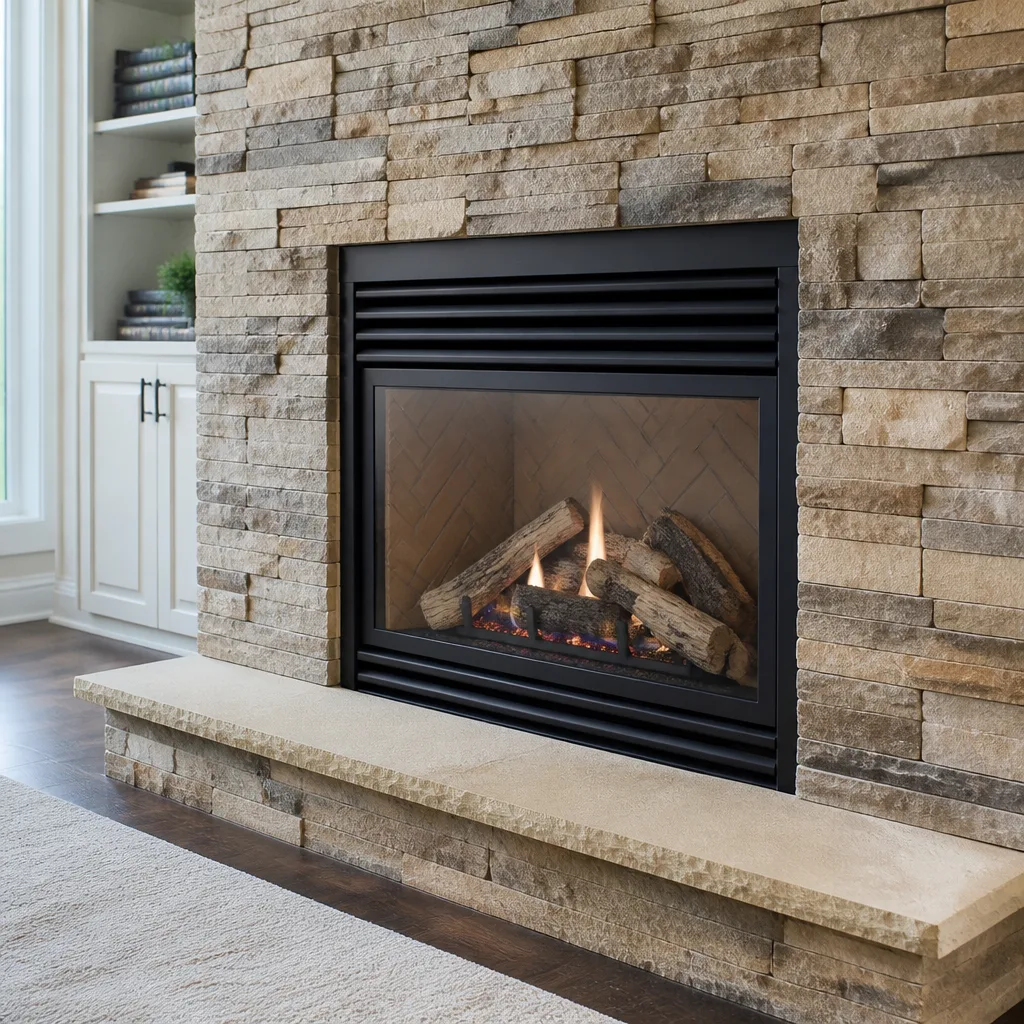 Gas fireplace service
Level 1 sweep and inspection to the NFPA 211 annual standard - flue, crown, cap, and flashing checked and photographed
Chimney sweep logs do not sweep chimneys. They loosen some creosote - which then falls where a brush and vacuum still have to collect it.
Chimney Cleaning Warning Signs: A Riverview Homeowner’s Reference Guide
A white stain running down the outside of your chimney isn’t a cosmetic issue. It’s efflorescence, and it means water is actively moving through your masonry right now. In Riverview’s humid summers, that stain showing up in June usually means the damage started building back during the last fireplace season, months before anything appeared. Most chimney problems announce themselves long before they become hazards. The trouble is that fireplace use here is seasonal and sporadic, so the signs get misread as house-settling, humidity, or “just how it’s always looked.” This guide maps each symptom to its likely cause and tells you whether you can keep burning or need to stop. It’s written for homeowners in Riverview who’d rather understand their chimney than guess at it.
Quick Answer
The most important chimney cleaning warning signs are white staining, flaking brick, crumbling mortar, smoke rolling back into the room, a strong odor between fires, and unusual sounds during or after use. In Riverview’s humid climate, water intrusion and liner rust show up faster than in drier regions. Any sign of smoke rollout, cracked flue tiles, or a damaged liner means stop using the fireplace until it’s inspected.
Styles & brands we work with
- Sweep & inspection
- Caps & crowns
- Flue relining
- Masonry repair
- Gas fireplace service
Table of Contents
- Exterior Warning Signs and What They Indicate
- Interior Warning Signs Inside the Firebox and Flue
- Sounds That Signal a Draft or Liner Problem
- Riverview-Specific Warning Signs: Humidity, Storms, and Wildlife
- Severity Triage: When to Keep Burning and When to Stop
- The Between-Season Awareness Calendar
- What a Professional Inspection Actually Checks
Exterior Warning Signs and What They Indicate
The outside of your chimney tells you more about its health than most people realize, and it’s the easiest place to check. Walk to the side of the house and look at the full height of the chimney, not just the top. Damage tends to start at the crown and move downward as moisture finds a path.
Efflorescence
That whitish, powdery stain is salt pushed to the surface as water moves through masonry and evaporates. It looks harmless. It isn’t, because the stain is only the visible end of a moisture cycle that’s already dissolving the mortar holding your bricks together. In Riverview, summer humidity and heavy seasonal rain keep that cycle going long after the last fire of the year.
Spalling Brick
Spalling is when the face of a brick flakes off or peels away. Water gets into the brick, expands as it dries unevenly, and pops the surface. Once a brick spalls, that brick is permanently weakened. When you see several in a row, you’re looking at a chimney that’s been taking on water for at least one full wet season.
Mortar Erosion and Joint Deterioration
Run your eyes up the mortar joints. Healthy joints are recessed slightly and firm. Eroded joints look sandy, washed out, or receding deeper than a quarter inch. This is the slow structural warning most homeowners miss because it happens gradually. Rebuilding mortar joints is far simpler than repairing the masonry after water has loosened the whole assembly.
Damaged Crown and Cap
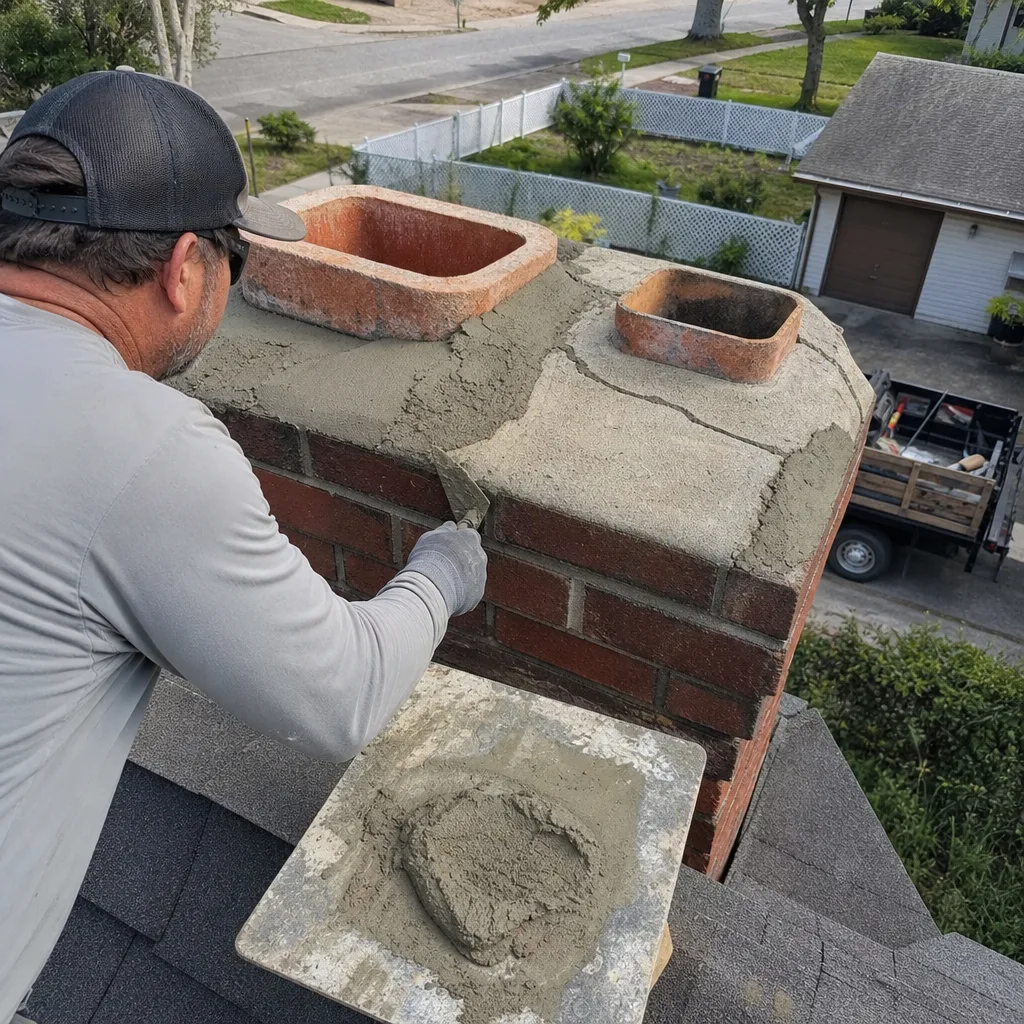
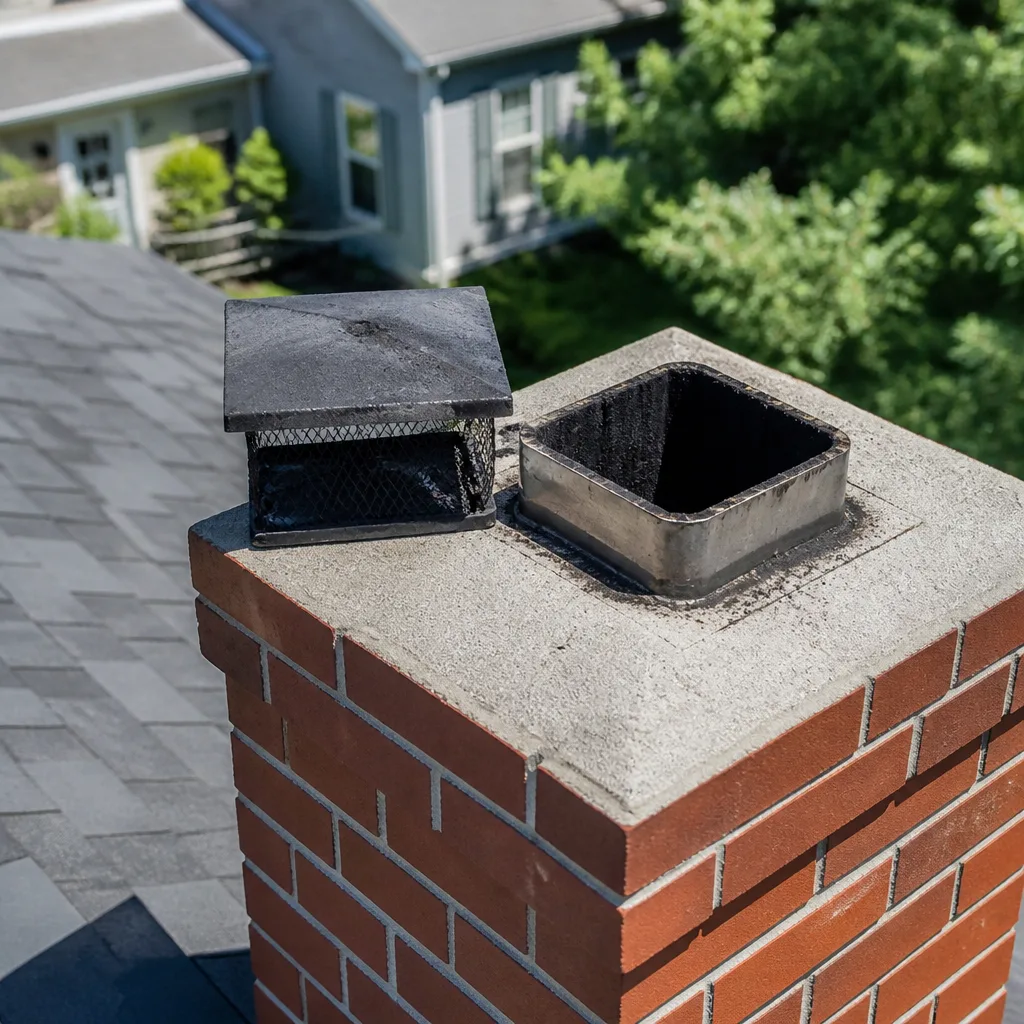
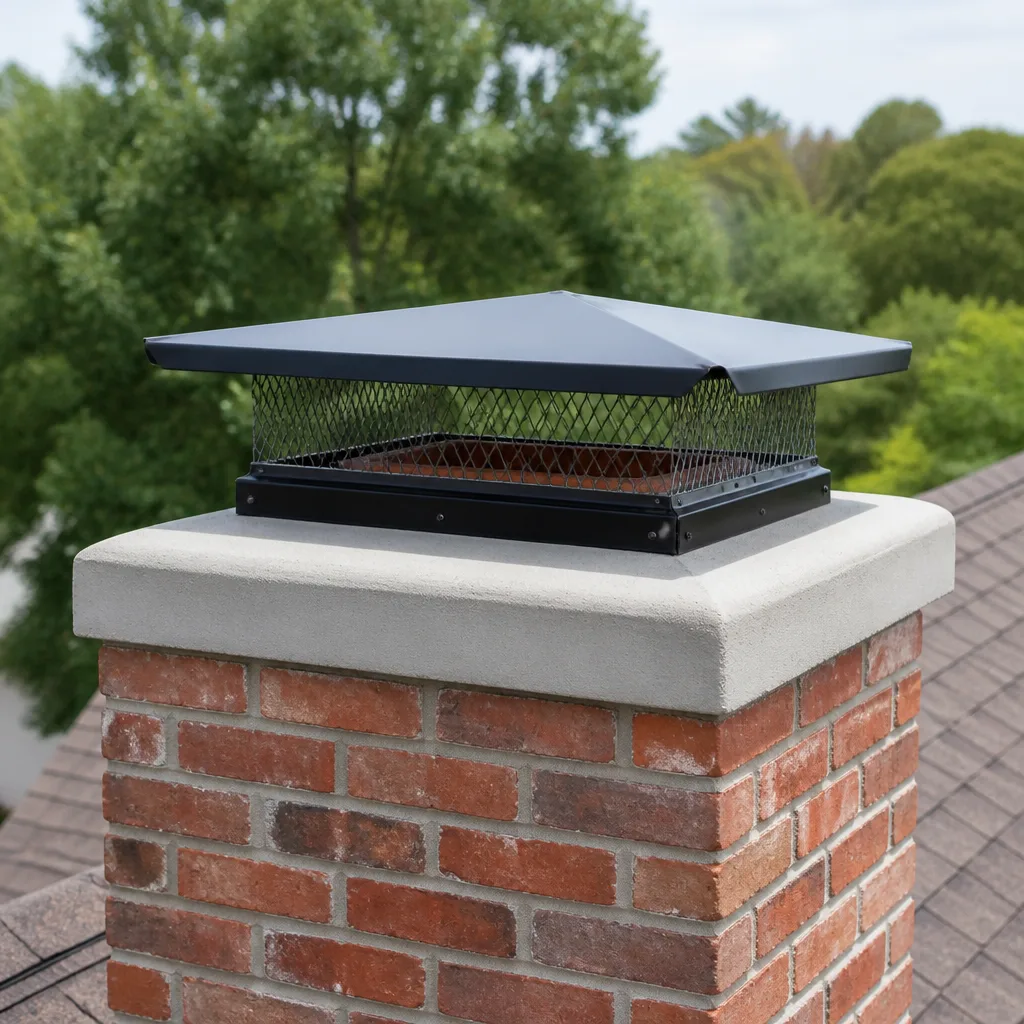
The concrete crown at the top sheds water away from the chimney. Cracks in the crown let water straight into the flue. A missing or damaged chimney cap lets water, debris, and animals in directly. Chimney caps and covers from Gelco and Famco give you a built-for-purpose replacement rather than a piece of sheet metal rigged to fit. If your crown is cracked or your cap is gone, moisture is entering your chimney every time it rains in Riverview.
Interior Warning Signs Inside the Firebox and Flue
Interior warning signs are the ones that most directly affect whether your fireplace is safe to use. Check them before and after each burn season, and pay attention to anything that feels different from last year.
Smoke Rollout
If smoke rolls out of the firebox into the room instead of going up the flue, you have a draft or obstruction problem. This can be a blockage, a cracked flue tile, or a liner that’s failed. Smoke rollout is a firm signal to stop using the fireplace. Smoke in a living space means combustion byproducts are entering your home, and that includes carbon monoxide.
Persistent Odor Between Uses
A lingering smoky or creosote smell when there’s no fire is a classic sign of excess creosote buildup, an obstructed flue, or moisture reacting with deposits. Odor is often the first interior sign of a problem, especially in Riverview homes where the fireplace sits idle for months.
Visible Deposit Color and Texture Changes
Look into the firebox and up the flue throat with a flashlight. Normal soot is dark and powdery. Shiny, tar-like deposits mean glazed creosote, which is harder to remove and more flammable. Dark, crumbling material near the smoke chamber suggests a failed liner. If you can see a color change from previous seasons, that alone is a reason to schedule a sweep.
Changes in Fire Behavior
A fire that used to draw well and now struggles suggests reduced draft. That can come from a partially blocked flue, a rusted-through liner, or a chimney that’s settled out of plumb. Any change in how your fire behaves is worth a look rather than a “wait and see.”
Sounds That Signal a Draft or Liner Problem
Your chimney has a normal sound profile. A healthy fire burns with a low, steady whoosh. Once you know that baseline, you can hear a problem long before you see it. If any of these show up, schedule an inspection before your next fire.
- Whistling or high-pitched roar during burn. Air is moving through a restricted opening somewhere in the system. That could be a partially blocked flue, a cracked flue tile, or a damaged liner restricting flow.
- Loud popping or crackling beyond normal fire noise. Glazed creosote can crackle as it reheats, and a flue tile under stress can make similar sounds. Stop burning if this starts after a quiet fire.
- Rattling or scraping coming from inside the flue when there’s no fire. Wildlife is the most common cause in Riverview. Birds, squirrels, and raccoons all find uncapped chimneys appealing, and nesting material is a real fire hazard.
- A hollow, booming echo after a fire is out. This usually means a structural gap has developed, either a cracked flue tile or a disconnected liner section.
What’s Normal and What Isn’t
Thermal expansion means a chimney will tick quietly as it cools after a fire. That’s normal settling and expansion, not a warning. What you should never hear is rhythmic flapping, scraping, or a persistent rattle coming from above the firebox when nothing is burning. That’s an animal or a loosened component, and both need a technician.
Riverview-Specific Warning Signs: Humidity, Storms, and Wildlife
The warning signs that matter most in Riverview come from conditions local to this part of Florida, not the cold-climate problems in most chimney care articles. Fireplace use here is intermittent. A chimney can sit unused through the hottest months, and problems form in that downtime.
Humidity-Related Liner Rust
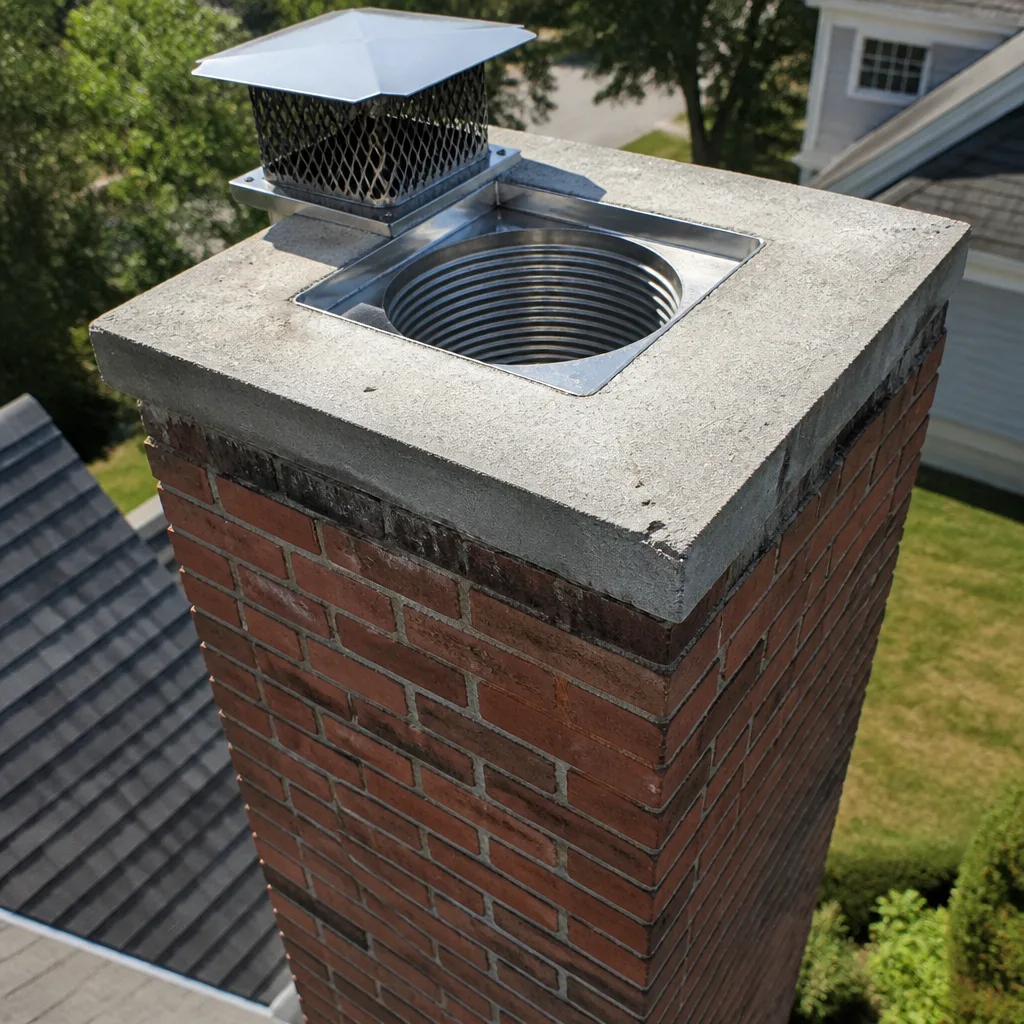
Riverview’s summer humidity works on metal liners the same way it works on anything else outdoors. A stainless-steel liner that’s properly installed handles it well. A liner with a pinhole, a poorly sealed connection, or a compromised chimney cap rusts from the inside, and you don’t see it from the firebox. Rust weakens the liner’s integrity and, in a clay-lined chimney, corroded mortar around flue tiles accelerates deterioration. This is where product choice matters. A DuraFlex stainless liner system adapts to offset flues and the varied bends older Riverview chimneys have, and its continuous construction leaves no joints to rust at.
Storm Debris and Blockages
Florida storms and heavy seasonal rain leave branches, leaves, and debris that can lodge on a chimney crown or work into the flue through a missing cap. A cap failure lets water pour directly into the firebox, which sets up the odor and rust problems we just covered. Debris accumulation on top of the flue surface also holds moisture and restricts draft.
Animal Nesting Patterns
Riverview’s mild climate keeps birds and small mammals active year round rather than in a short spring window. An uncapped chimney is essentially a dry, sheltered cavity, and it stays attractive for months. Nesting material directly on top of the flue can ignite from a single hot ember. If you hear scratching or see birds going to the chimney daily, that’s your cue to call for an inspection.
What This Means for Your Between-Season Checks
Because fireplace use is infrequent here, problems tend to surface between seasons rather than during active burning. A chimney that was fine in February can be showing efflorescence by June from a crack you didn’t know about. Our chimney sweep technicians check for these seasonal patterns specifically, because what’s normal in a cold climate isn’t what happens in Riverview.
Severity Triage: When to Keep Burning and When to Stop
Not every warning sign is a “stop now” situation, and knowing the difference saves you from panic and from cutting corners. Use this framework as a practical filter before you call. It isn’t a replacement for a professional inspection, but it will tell you how urgently to act.
Green: Keep Using with Scheduled Service
- Light gray ash on the firebox walls and moderate soot on the flue throat with regular use
- Minor creosote odor after a fire, clearing by the next morning
- Small creosote deposits in the flue throat you can glimpse with a flashlight
- Normal settling ticks after the fire cools
These mean your chimney is doing its job and is due for a sweep. A Chimney Sweep Riverview visit at the end of the fire season keeps these in check before they turn into anything more.
Amber: Stop Burning Until Inspected
- Any smoke rolling back into the room
- Efflorescence or spalling on the exterior
- A strong smell of creosote that doesn’t clear between uses
- Cracked crown or a missing cap
- Sounds suggesting wildlife or a loosened component
- Glazed, shiny creosote visible in the flue
Amber signs mean stop burning, get an inspection, and let the technician tell you what’s safe. Most of these are fixable without major work. Water issues from a cracked crown are the most straightforward, and a correct chimney cap from Olympia Chimney or Copperfield prevents the next round of damage from the same source.
Red: Immediate Cessation of Fireplace Use
- Visible cracks in flue tiles that go all the way through
- A liner with holes, gaps, or rusted-through sections
- Smoke or carbon monoxide detected inside the home
- Falling pieces of mortar or tile into the firebox
- Visible flame or heat in a space it shouldn’t be, like the attic or wall cavity around the chimney
Red signs require stopping all fireplace and stove use immediately and getting an inspection before you light another fire. This isn’t a wait-until-next-season situation. If your liner has failed, a new DuraFlex system restores a continuous stainless-steel barrier. That’s a decision for after the inspection, not before.
The Between-Season Awareness Calendar
Since Riverview fireplaces tend to sit unused for months at a time, the best defense is a simple rhythm of checking. This doesn’t replace professional service. It keeps small issues from going unnoticed for an entire off-season.
- End of fire season (spring). After your last fire, take a full exterior look at the chimney, checking for staining, spalling, and cracked mortar. Then do one interior look with a flashlight. If anything looks different from last year, schedule a sweep before summer.
- Mid-summer check (July or August). After the first heavy rain stretch, look at the chimney exterior and firebox again for new dampness or odor. This is when efflorescence appears if a crack has been letting water in.
- Before the next fire season (fall). Listen for wildlife and look for storm debris or a damaged cap. This is the time to book your cleaning so it’s done before you light anything, not after.
- Every time you hear something new. If a sound, a smell, or a stain changes, note it and don’t wait for the calendar. Warning signs don’t run on a schedule, and the best response is early.
Why the Schedule Is Different Here
In colder climates, chimneys stay hot and busy through the fire season, and the natural rhythm is a clean at the end of it. In Riverview, the dormant months are when water damage and liner rust are actually doing their work. That’s why a check before the season starts matter more here, and why the signs you’d look for in a cold climate show up on a different timeline.
What a Professional Inspection Actually Checks
A cleaning visit and a repair-capable visit are not the same.
We tell you exactly what we found, with a full camera check and a photo report, so you can see what we saw. Here’s what a proper inspection looks like.
Exterior Inspection
- Crown condition and drainage path
- Cap and spark arrestor presence and condition
- Brick condition, looking for spalling and mortar erosion
- Chimney flashing and how it meets the roof
- Evidence of water intrusion and efflorescence
Interior Inspection
- Firebox and damper condition
- Smoke chamber, including any cracking or gaps where deposits collect
- Flue tiles or liner, checked by camera for cracks, gaps, or rust
- Creosote buildup and its type (powdery vs. glazed)
- Draft test at the opening
Repair Capability When It’s Needed
When the inspection finds more than sweeping needs to address, a repair-capable service matters. A small crack in the flue isn’t always a full relining situation. HeatShield chimney resurfacing is specifically engineered to address deteriorated flue surfaces, restoring the flue rather than patching it with generic mortar. When the flue needs a full liner, a DuraFlex system provides a continuous stainless barrier that adapts to offset flues. That’s the difference between a cleaning visit and a repair task handled with contractor-grade materials rather than whatever was on the shelf.
We’re honest about what can wait. If a small amount of surface soot is the only finding, we’ll tell you that. The photo report exists so you can decide, not so we can pressure you.
Common Mistakes to Avoid
- Treating the white stain as cosmetic. Efflorescence is a symptom of water actively moving through masonry and doesn’t fix itself. Waiting a full season lets the mortar joints continue to erode.
- Assuming an unused chimney is a safe chimney. Fireplace use being infrequent means problems develop in the off-season, when nothing is burning and no one is looking. An unused chimney still moves moisture and weather.
- Ignoring a change in fire behavior. A fire that used to draw well and now smokes back is telling you something changed in the flue. Treat the change as a real signal, not a quirk of the day.
- Covering up efflorescence with sealant. Painting or sealing over the stain traps the moisture inside the masonry instead of fixing the path it came in through. Find and seal the actual entry point first.
- Assuming a flashlight check is enough. You can see the firebox and throat with a flashlight, but not the flue tiles above the throat or whether a liner has failed. A proper camera inspection is what actually confirms the flue’s condition.
- Booking a sweep only after a problem. Getting the chimney cleaned before fire season starts means you find issues while you still have time to fix them properly, rather than discovering them the first cold night you need a fire.
- Forgetting the dryer vent. Clogged dryer vents are one of the leading causes of residential fires alongside chimney hazards. In a Riverview home running a dryer year round, that lint buildup is worth a dedicated check, and dryer vent cleaning is a separate service addressing a separate fire risk.
See the difference
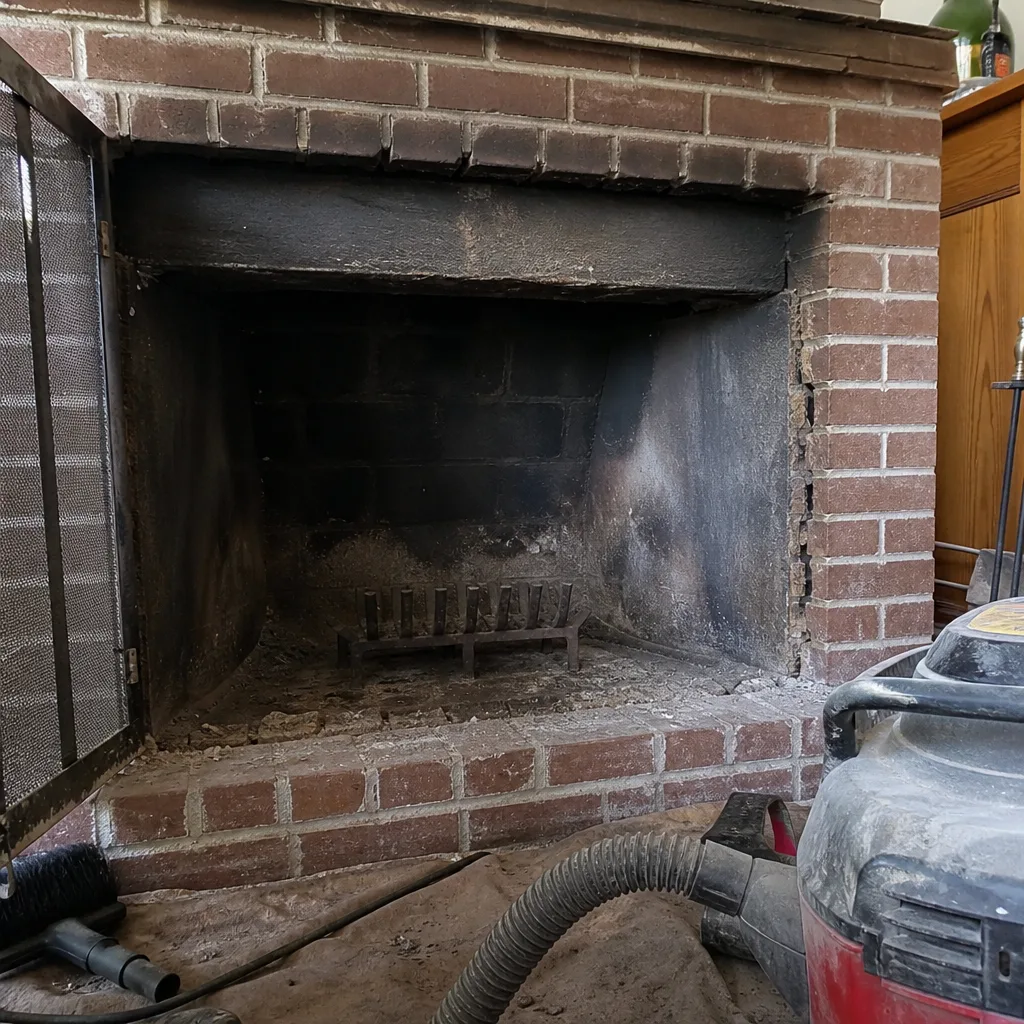 Before
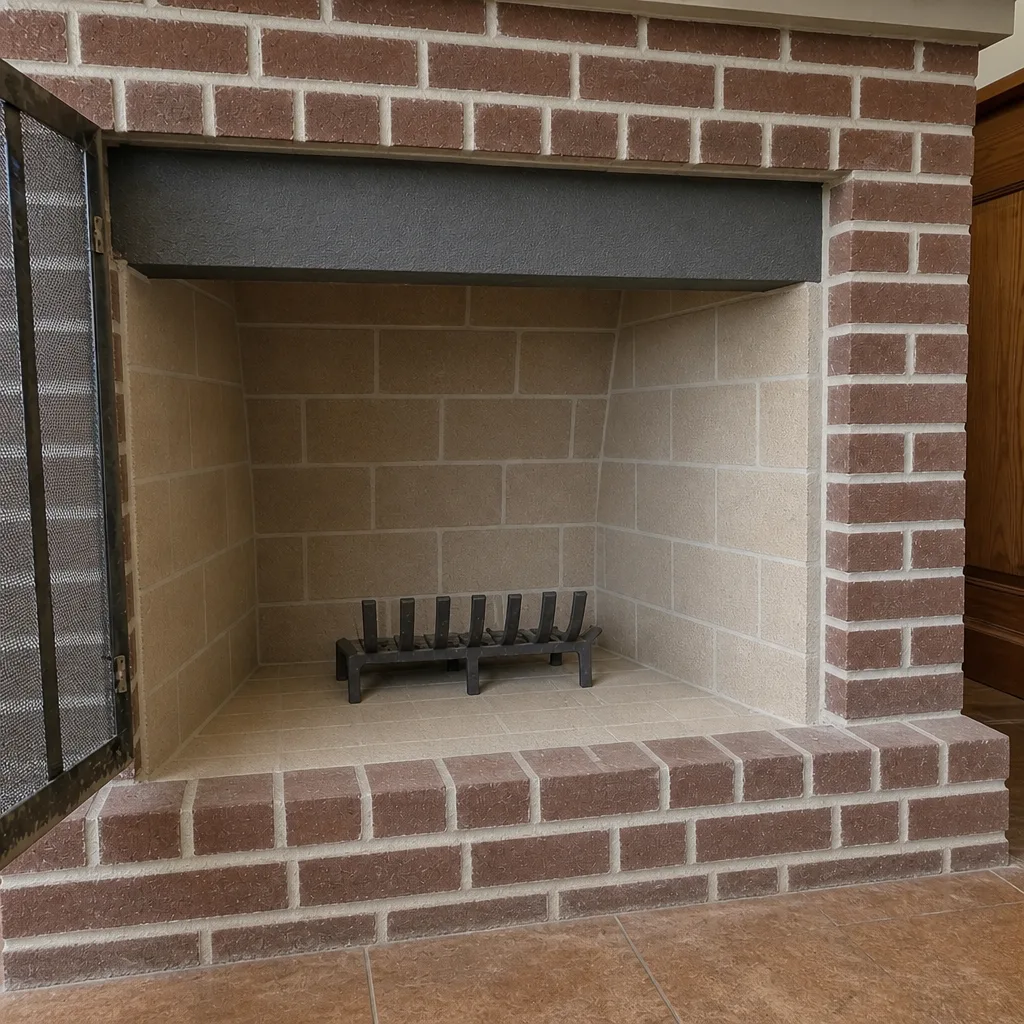 After
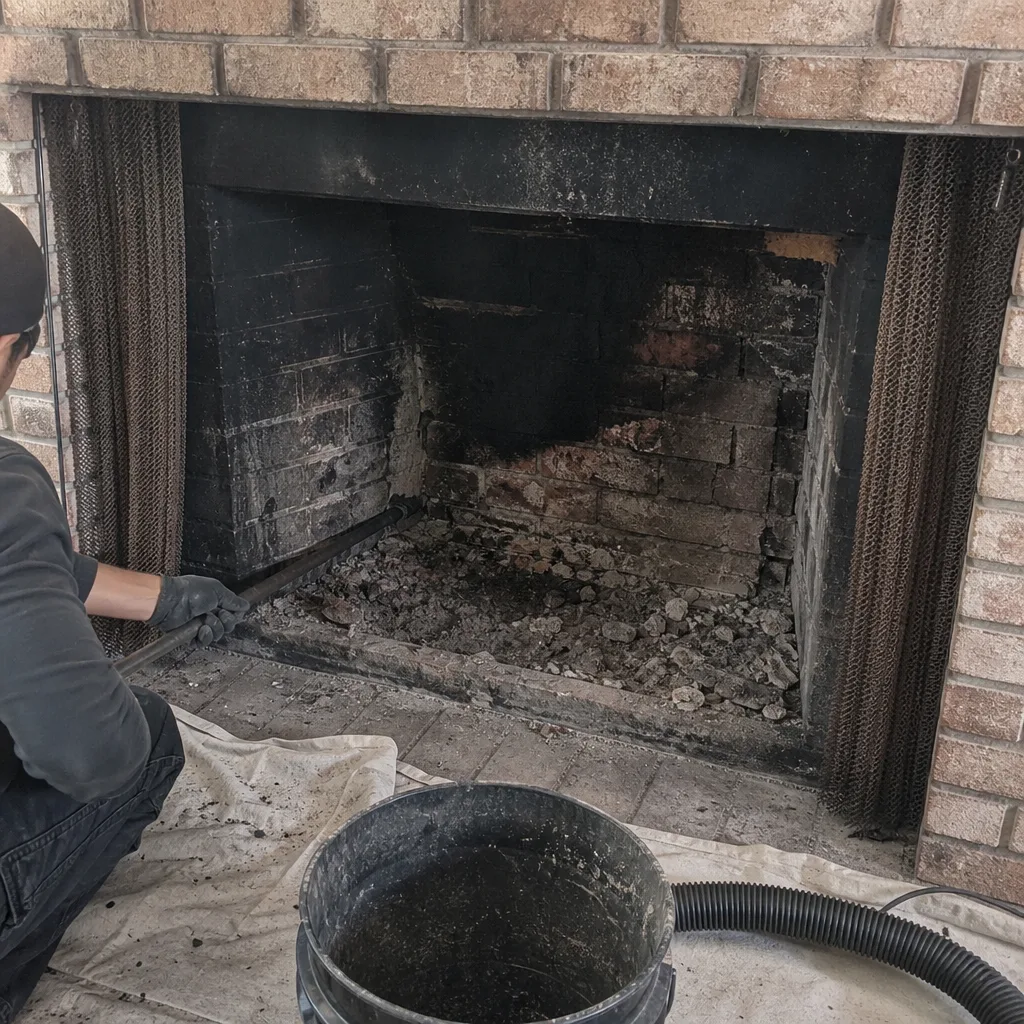 Before
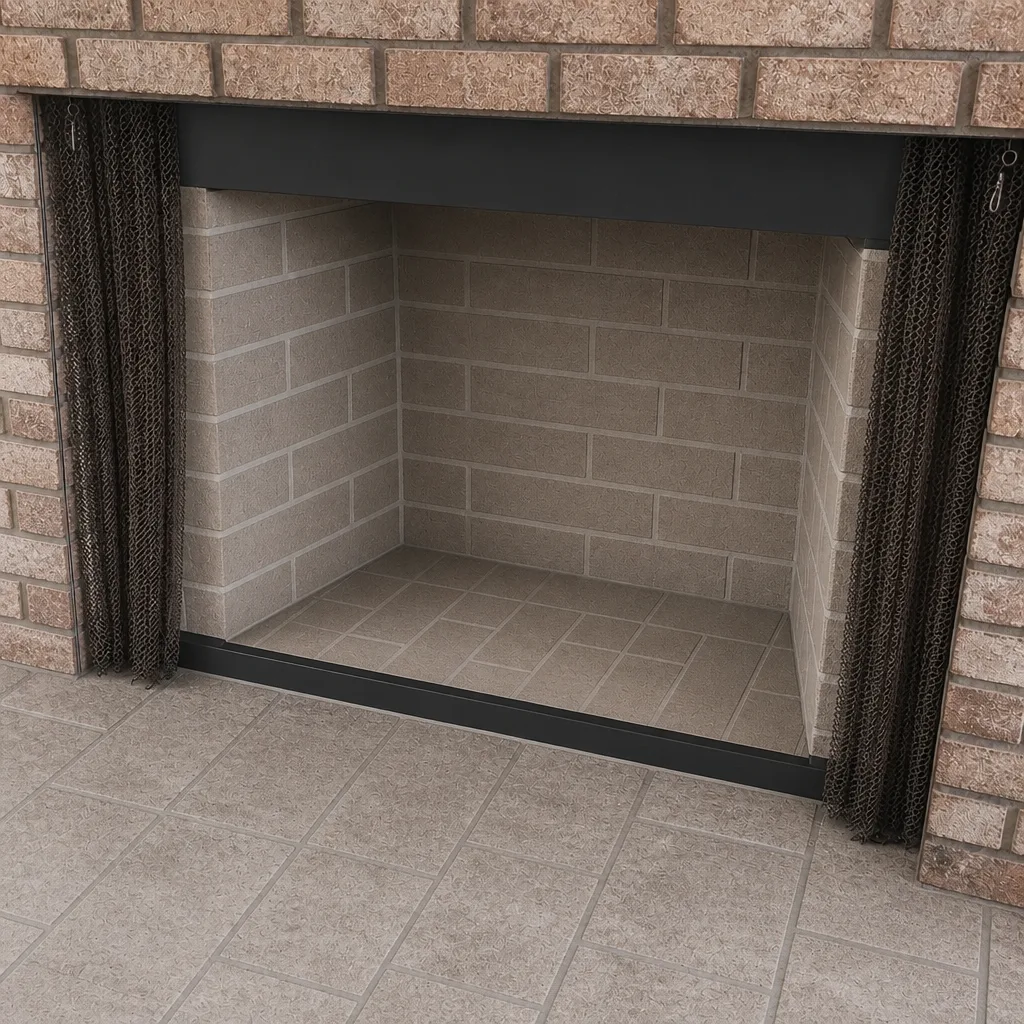 After
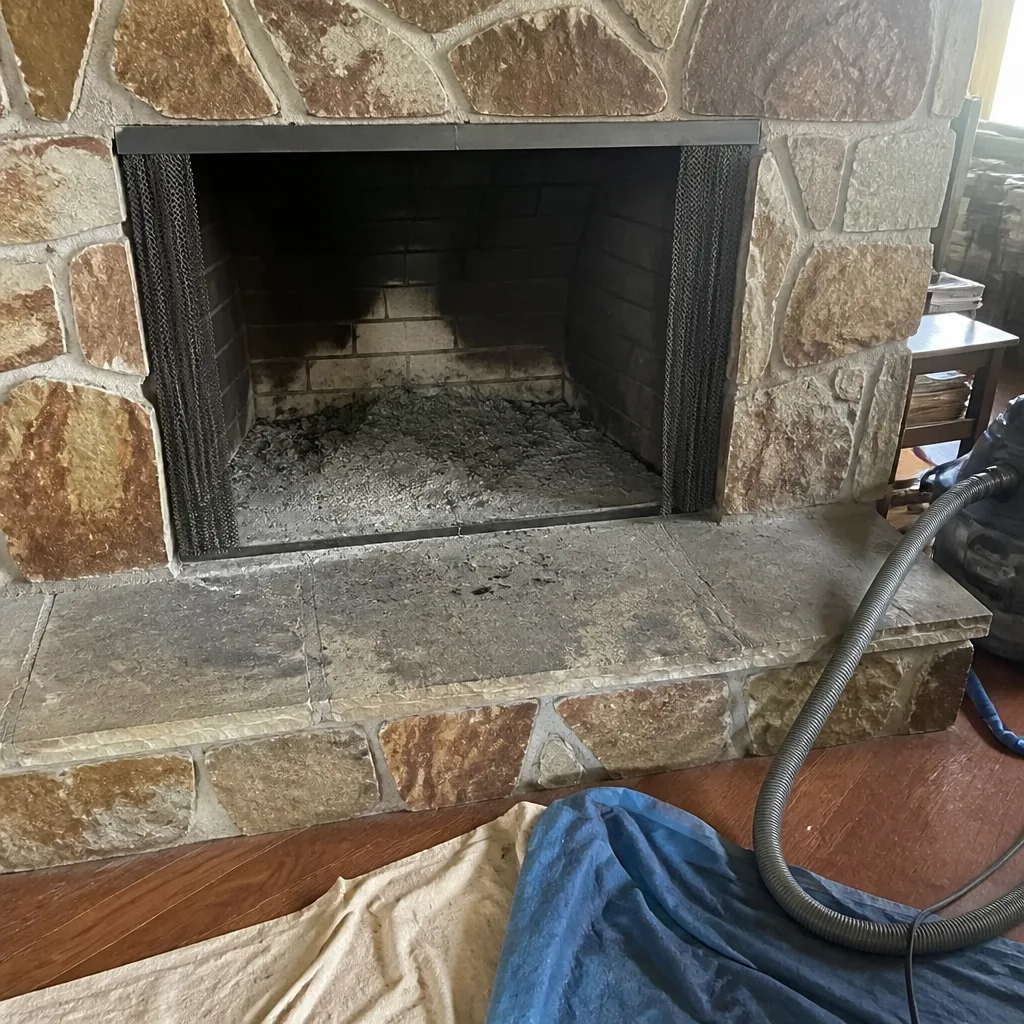 Before
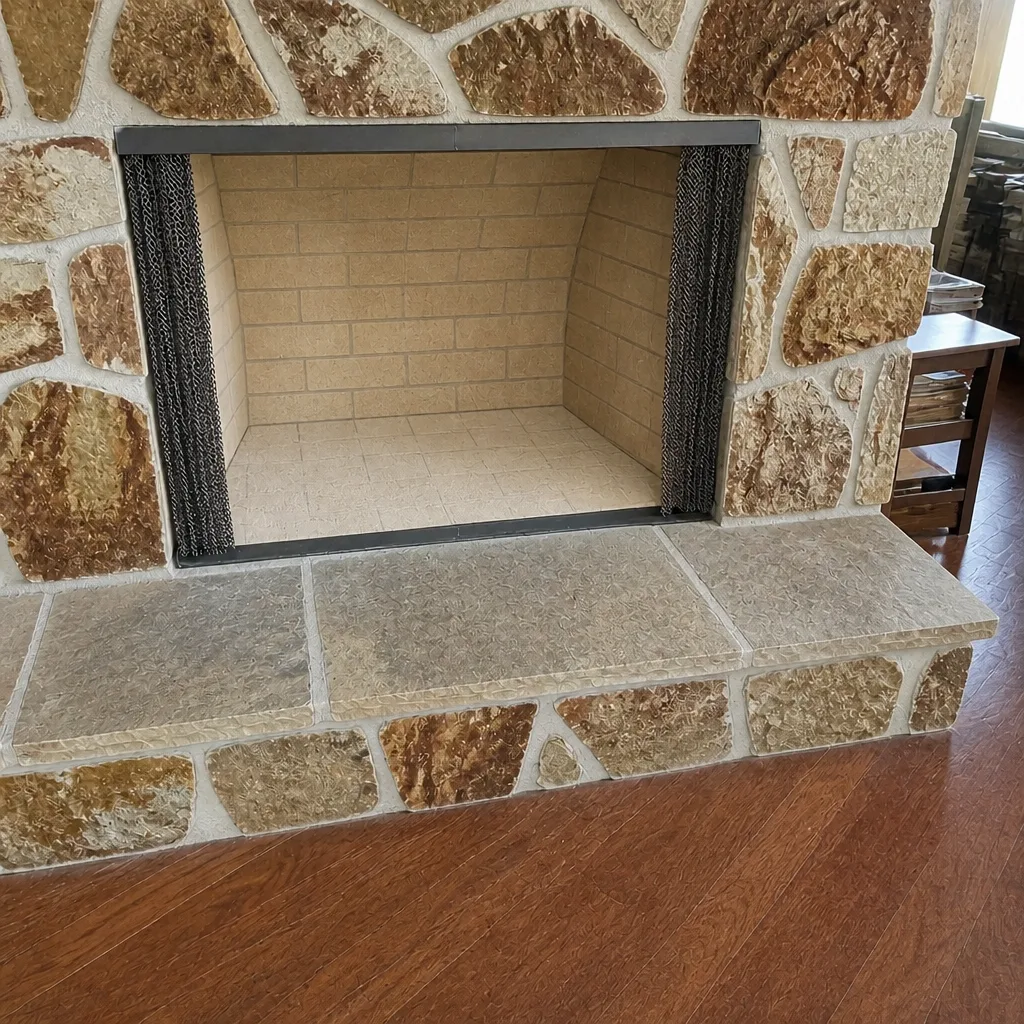 After
When to Call a Professional
Call for an inspection if you see any of the following:
- White staining, spalling, or crumbling mortar on the exterior
- Smoke rolling back into the room
- A persistent odor between uses
- Any unusual sound from the chimney
- Evidence of nesting or storm debris in or around the flue
- A cracked crown or missing cap
- Any sign from the amber or red category of the triage framework
Also call if your fireplace has gone more than a year without a sweep, or if you’ve never had an inspection since moving into a Riverview home. Chimney Sweep Riverview offers free estimates in Riverview and works with contractor-grade materials on repair work. Call (844) 834-1749. We answer 24/7. Fast dispatch from 7am to 7pm, Sunday through Friday.
Frequently Asked Questions
The first sign most homeowners notice is either a smoky smell between fires or a new white stain on the exterior chimney. Both point to a developing problem, but the stain is more serious because it means water is already working through the masonry. If either appears, schedule an inspection before the next fire season.
A chimney should be swept once a year, or more often if you burn heavily. In Riverview, an annual sweep timed before fire season starts catches problems that form during the long dormant months. If you’ve skipped a season, book a sweep before you light the next fire.
A small amount of white powder on a brand-new chimney can be leftover construction material, but on an established chimney it signals moisture moving through the masonry. In Riverview’s humid climate, that process keeps going from one season to the next. Get it inspected rather than sealing over it.
You can keep using it if the signs are limited to exterior water staining with no draft issues, but schedule an inspection before the next season starts. Stop immediately if you also have smoke rollout, odor, or unusual sounds. Those are the signs that point to a flue problem rather than a masonry issue.
Creosote keeps building up in layers, and glazed creosote is harder to remove and more flammable than the powdery kind. In Riverview, moisture reacting with those deposits accelerates liner rust and can lead to cracks in the flue. Skipping a season raises risk quietly, and an inspection is the only way to know how much has built up.
Yes. Riverview’s humidity means damp, unused seasons, which is when liner rust and water intrusion develop. A chimney that’s been closed up through a humid summer is exactly where a rusted-through liner hides. Camera inspection of the flue catches the liner rust a flashlight check won’t.
They’re separate services that address separate fire hazards, and it’s common to book both together. Chimney sweeping handles creosote buildup in the flue. Dryer vent cleaning removes lint buildup that can ignite from a single hot cycle. A single visit can resolve both, which is why we treat Riverview homes for the full ventilation picture, not just the chimney.
The Bottom Line
Most chimney problems show up as a visible or audible signal long before they become dangerous. White staining means water intrusion. Smoke rollout means stop using the fireplace. Odd sounds usually mean wildlife or a loosened liner component. In Riverview’s humid climate, the quiet off-season is exactly when water damage and liner rust do their work, so the schedule to watch is the one before fire season starts, not after a problem appears. Use the triage framework to decide whether you can keep burning or need to stop. When in doubt, get an inspection with camera evidence you can see.
Call (844) 834-1749 for a free estimate. We answer 24/7. Fast dispatch from 7am to 7pm, Sunday through Friday.
Written by the team at Chimney Sweep Riverview.