
Last updated November 15, 2026
 Sweep & inspection
 Caps & crowns
 Flue relining
 Masonry repair
 Gas fireplace service
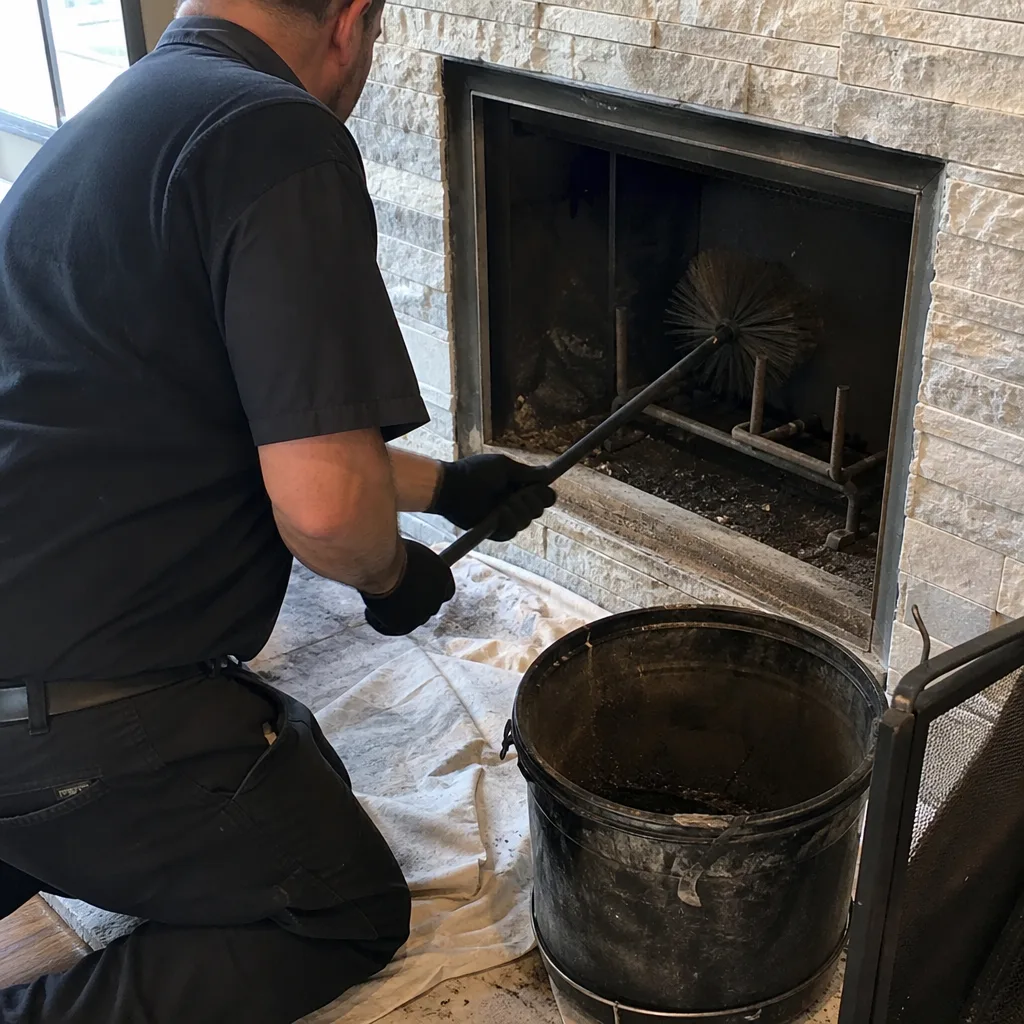
Level 1 sweep and inspection to the NFPA 211 annual standard - flue, crown, cap, and flashing checked and photographed
Chimney sweep logs do not sweep chimneys. They loosen some creosote - which then falls where a brush and vacuum still have to collect it.
Chimney Cleaning Emergency Preparedness Guide for Riverview Homes
Most chimney emergency guides are written for a house in a cold climate: a creosote fire in February, then nothing until next winter. That half of the picture matters here too, but it’s not the full story for a Riverview home. A chimney fire can hit 2,000°F inside the flue in seconds. Yet the chimney emergency we get called about most often in Riverview isn’t a fire at all. It’s a cap or crown that let go during a tropical storm and now leaves the flue open to rain, debris, and animals. That slow-build hazard rarely reads as urgent, which is exactly why it gets ignored until a repair bill forces the issue. This guide covers both scenarios with the same preparedness mindset: what to do during a chimney fire, how to assess storm damage after a storm, how to close off a damaged flue safely, what to document for your insurer, and the pre-October checks that keep either emergency from happening in the first place.
Quick Answer
A chimney fire is a call-911 emergency if flames or roaring are visible or the chimney is glowing; a storm-damaged cap or crown is not an emergency, but it does mean the fireplace stays out of use until a technician inspects and documents the damage. For a Riverview home, the first step in either case is stopping use, then getting an inspection with a camera report so you can see exactly what happened and what it takes to fix it.
Styles & brands we work with
- Sweep & inspection
- Caps & crowns
- Flue relining
- Masonry repair
- Gas fireplace service
Table of Contents
- Chimney Fire Response Protocol for Riverview Homes
- Post-Storm Chimney Damage Assessment: What to Look For
- How to Close Off a Damaged Chimney Safely
- What to Tell Your Insurance Carrier After a Chimney Emergency
- Pre-Season Preparedness: The Pre-October Checks
- Riverview’s Fireplace Season and Why Preparedness Is Seasonal
- Carbon Monoxide and the Ventilation Side of Chimney Safety
Chimney Fire Response Protocol for Riverview Homes
Here’s the direct answer: if you see flames coming from the top of the chimney, hear a low roar or popping, or the chimney or stove gets hot to the touch during a fire, call 911. If you smell an intense smoke odor, see discoloration, or hear the roar fade within a minute, you’ve likely had a small fire that still needs a technician’s inspection before you burn again.
A chimney fire burns creosote, the tar-like residue that builds up on flue walls from wood smoke. Creosote ignites at a relatively low temperature, and once it does, the fire can spread fast up the flue. That’s why the response needs to be automatic rather than something you figure out in the moment.
Here’s the sequence we recommend every Riverview household with an active fireplace or wood insert practice and pin near the stove:
- Get everyone out of the house. Don’t stop to gather belongings or close the fireplace door first. People first, then the call.
- Call 911 from outside. Tell the dispatcher it’s a chimney fire and give your address. Don’t re-enter the house to call from inside.
- Don’t spray water into the fireplace. Water on a hot creosote fire can flash into steam and spread the fire, and it can crack a hot flue. Leave the suppression to the fire department.
- Close the stove or fireplace door if you can do it on your way out. Starving the fire of air slows it, but don’t make a return trip for this.
- Wait for the fire department to clear the scene. Don’t restart the fireplace until a technician has inspected the flue with a camera. A chimney fire can damage a liner in ways you can’t see from the hearth.
After the fire department leaves, the next step is a professional inspection, not a fire. A fire-damaged liner can have invisible cracks that allow heat or carbon monoxide into the structure of the house. In our experience, that’s the part homeowners underestimate: the fire is out, so they think it’s over. The inspection is what confirms it actually is. If the liner is compromised, a DuraFlex liner system is one option that adapts to flues with offsets, where a rigid liner won’t go.
Call (844) 834-1749 to book a post-fire inspection. We answer 24/7, with fast dispatch from 7am to 7pm, Sunday through Friday.
Post-Storm Chimney Damage Assessment: What to Look For
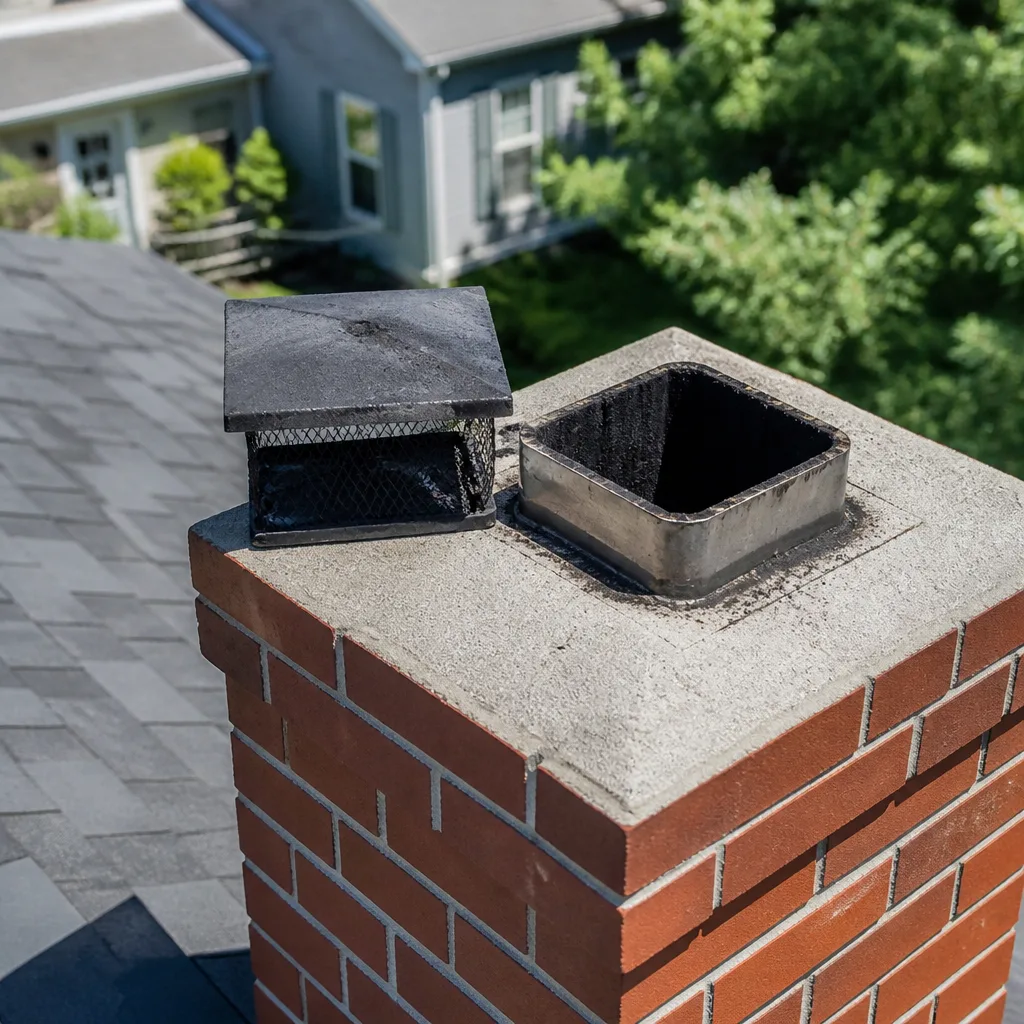
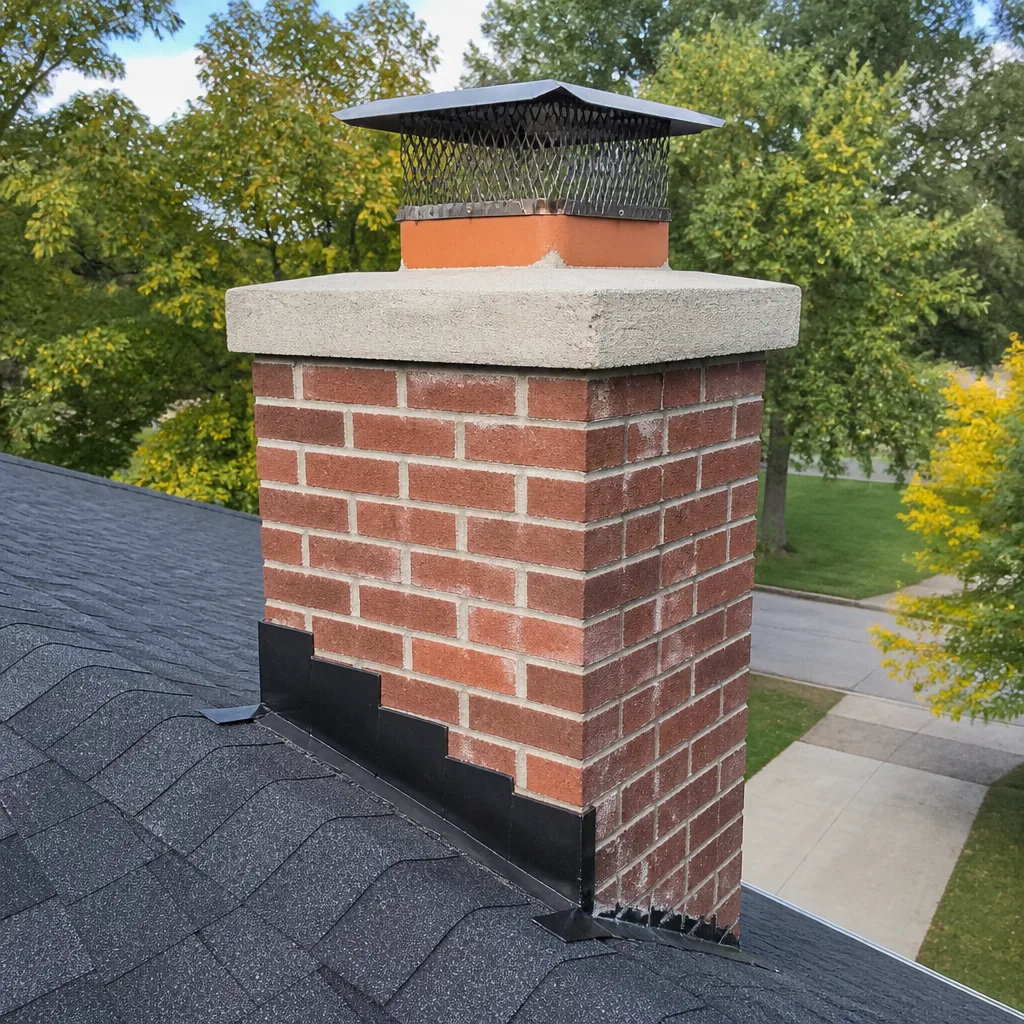
After a tropical storm or strong thunderstorm passes through Riverview, the chimney is one of the easiest parts of the house to forget about, because you check the roof from the ground and the chimney looks fine. The damage that matters is usually at the top: a cap that’s loose or missing, a crown with a new crack, or masonry loosened around the flashing where the chimney comes through the roof. Any of those leaves the flue open to the weather.
Here’s what you can check from the ground, safely, without going up on the roof. These are the same items we work through on a post-storm inspection:
- The cap. Is it still sitting square on the crown, or is it cocked, cracked, or gone? A missing cap is the most common storm-related issue we find in Riverview.
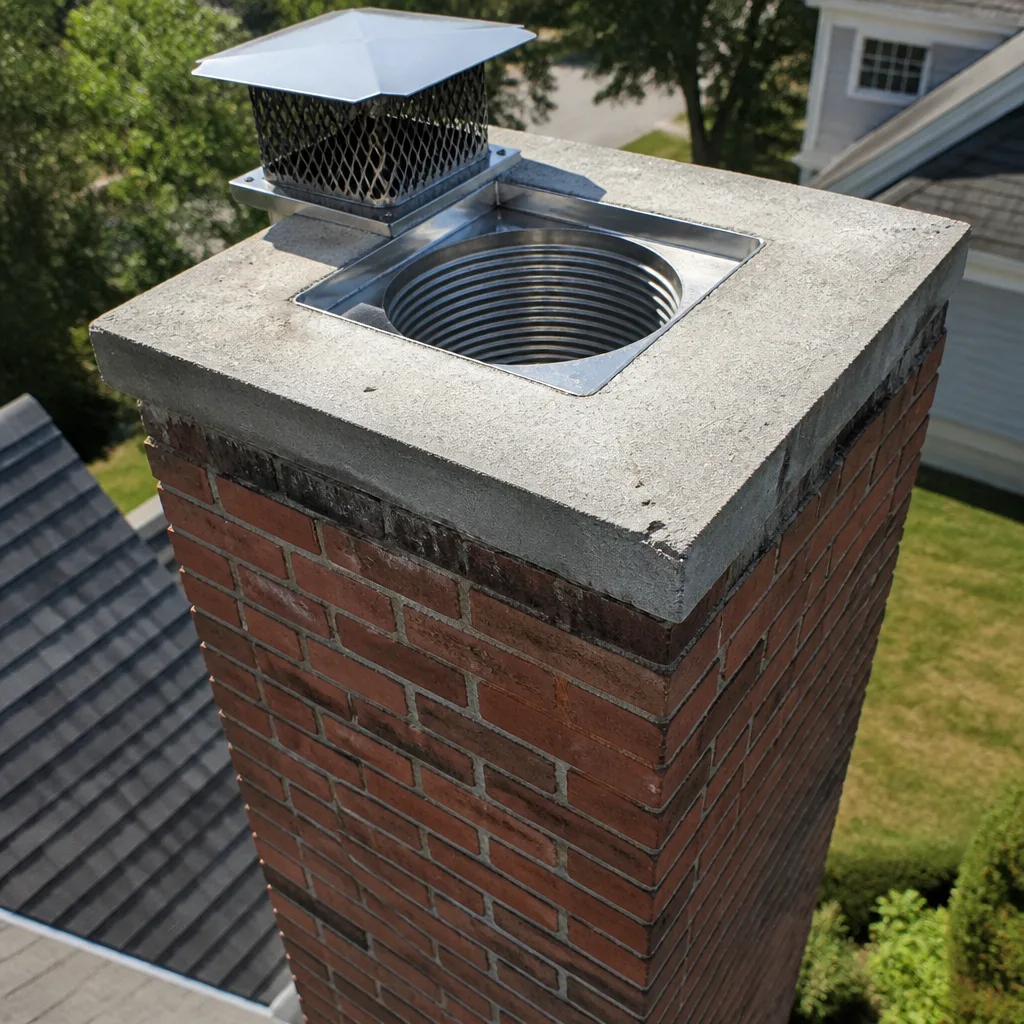
- The crown. The concrete or mortar surface at the very top of the chimney. Look for a hairline crack that wasn’t there before, or a chunk missing.
- The mortar joints. Brickwork that was tight now has visible gaps, or the mortar looks crumbly. Any change in the joints after a storm is worth a professional look.
- Loose debris on the roof around the chimney. Shingle grit, branches, or anything that could have struck the chimney or its flashing.
- The fireplace interior. Cracks in the firebox, or a change in the color of the firebrick, can indicate a problem, but visible changes alone don’t tell the whole story.
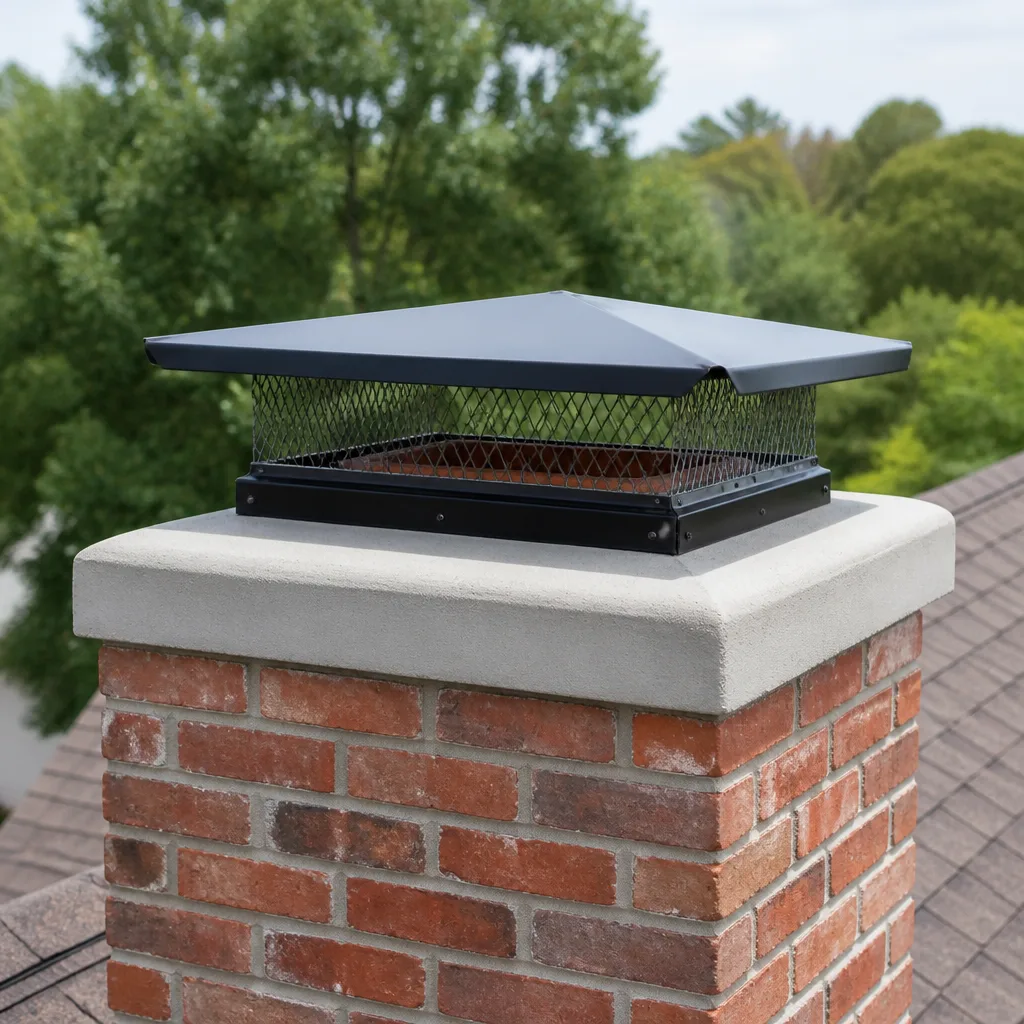
When the check from the ground turns up a problem, the fix usually needs contractor-grade components. A substitute cap from a hardware store doesn’t match the chimney’s construction and can fail in the next storm. Chimney caps and covers built with Gelco or Famco product lines are made for the purpose. If the crown itself is the problem, HeatShield chimney resurfacing addresses flue and crown deterioration with a product engineered for the repair rather than a mortar patch.
Never go up on the roof yourself to check the chimney after a storm. A damaged roof is a dangerous surface, and one wrong step is a much bigger emergency than a damaged chimney.
How to Close Off a Damaged Chimney Safely
The safe way to close off a storm-damaged chimney is to stop using the fireplace and seal the fireplace opening from inside the house with a fitted cover or taped plastic sheeting, and to keep the chimney out of service until a technician inspects it. That stops rain, debris, and animals from getting into the flue, and it keeps you from accidentally lighting a fire into a compromised chimney.
Here’s how we recommend doing it while you wait for the inspection:
- Stop using the fireplace and any wood insert immediately. Don’t burn another fire until the chimney is inspected.
- Close the damper. That’s the first barrier against rain and animals. The damper is inside the firebox near the top of the opening.
- Cover the fireplace opening from inside. A fitted cover, or a sheet of heavy plastic taped across the opening, keeps debris and rain out. Tape it to the surround, not to the firebox, so you can still open it for inspection.
- Don’t seal the flue from the top yourself. Getting on the roof to cap a damaged chimney is dangerous, and a badly-fitted top seal can trap moisture and make the damage worse.
- Note the date and the visible damage. Take photographs from the ground. You’ll want them for the insurance conversation that follows.
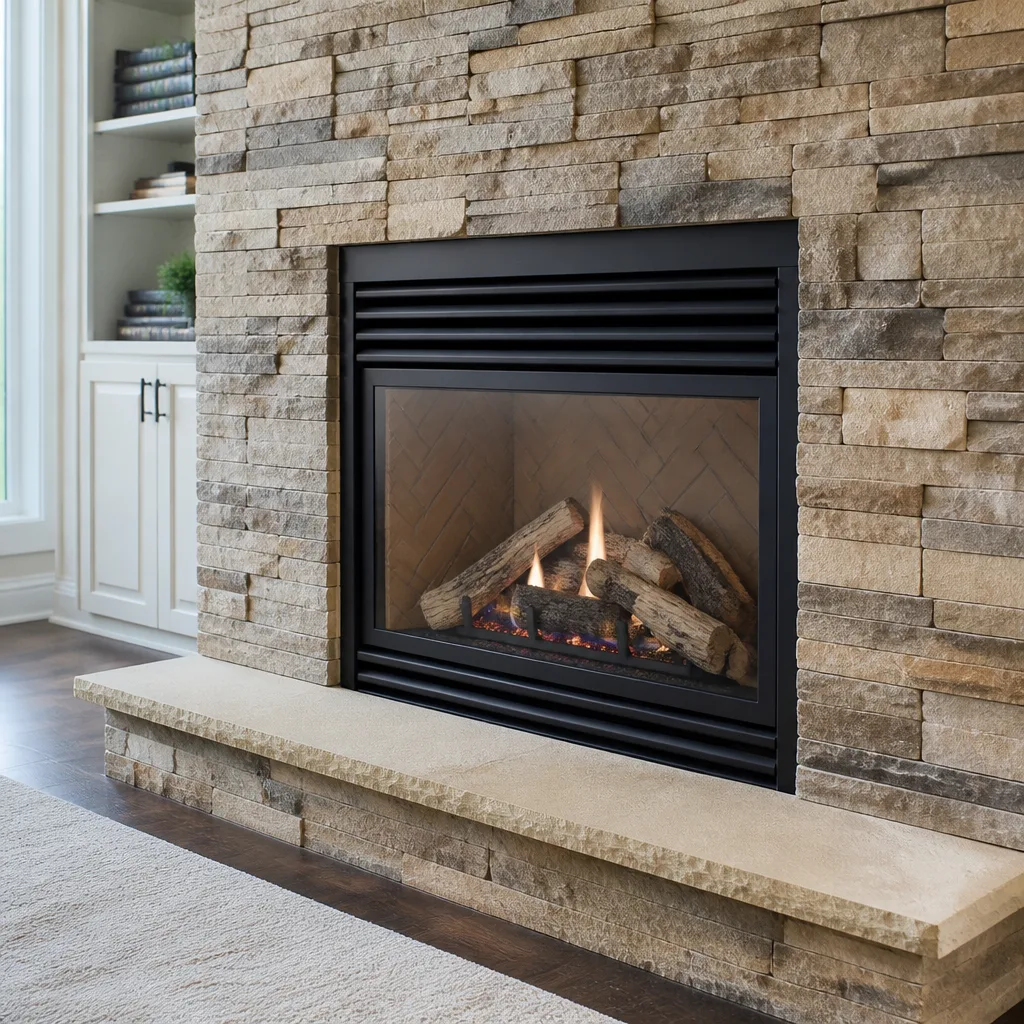
If you have a gas appliance vented through the chimney, a damaged flue can affect its ventilation as well. Don’t use that appliance until a technician checks it. Gas appliances produce carbon monoxide, and a compromised flue is exactly where that gas can end up in the wrong place.
Once a technician inspects, the repair will depend on what’s actually damaged. If the liner is the issue, relining with a DuraFlex liner system or resurfacing with HeatShield are the standard fixes we work with. If the cap is the issue, a purpose-built Gelco or Famco cap is the right replacement. If you’re in Riverview and need an inspection after a storm, call (844) 834-1749. We answer 24/7, and dispatch runs 7am to 7pm, Sunday through Friday.
What to Tell Your Insurance Carrier After a Chimney Emergency
Call your insurer as soon as the immediate emergency is handled, and describe the event in plain terms: what happened, when, what was damaged, and whether the fire department responded. Your carrier’s claims process moves on documentation, so the more specific your report and the more evidence you have, the more straightforward the claim will be. The technician’s report is what you want to lean on. Don’t guess about the extent of the damage before the inspection; report what you saw and leave the assessment to the report.
Here’s what to tell your carrier:
- What happened: chimney fire, storm damage to the cap or crown, or both. Be specific about the date and time, and whether the fire department was called.
- What the fire department found or did, if they were on scene.
- The visible damage, described as you saw it, not as you think it should be fixed. “The cap is missing and there’s debris in the flue” is more useful than “I think the whole chimney is broken.”
- Whether the fireplace or chimney has been in use since the event. The answer should be no.
Documentation you’ll want from the technician:
- A written inspection report naming the component that failed and its condition
- Camera photographs or video of the flue interior
- A written estimate for the repair, itemized by component
- A statement of whether the chimney is safe for use as-is, or requires repair before any use
That report is what turns a claim from a conversation into a documented file. Our inspections include camera work and photographs precisely so you have what you need. The point of the report isn’t to talk you into a big repair. It’s to show you what was found and let you decide what to do with a technician’s evidence in front of you, and to tell you plainly when work can wait.
Pre-Season Preparedness: The Pre-October Checks
Riverview’s fireplace season runs from the first cool stretch of late fall through the warm-up in spring, which means the work of preventing a chimney emergency has to happen before the first fire of the year. In practice, that’s before October. A chimney sweep in early fall catches the creosote buildup and cap damage that read as an emergency in winter, so the checks that matter now are the boring ones.
Here’s the list we recommend every Riverview household work through before the first fire of the season:
- Book a sweep and inspection before October. Creosote build-up is what fuels a chimney fire, and a camera inspection is what finds a failing liner or a damaged crown before the season starts.
- Check the cap and crown from the ground. Same items as in the post-storm section: cap sitting square, crown free of new cracks, mortar joints tight.
- Check the firebox for cracks. Cracks visible by eye are a reason to call before the first fire.
- Test the smoke detectors and carbon monoxide detectors. Replace batteries if it’s been more than a year. Carbon monoxide is a chimney concern, not just a furnace concern, and it has no smell.
- Have the dryer vent cleaned. Clogged dryer vents are one of the leading causes of residential fires, and it’s a different hazard from the chimney but part of the same fire-safety picture. A dryer vent cleaning is a full service, not an upsell tacked onto the chimney visit.
- Buy your firewood now and store it properly. Seasoned wood burns hotter and with less creosote than green wood. Keep it stacked and covered, off the ground, away from the house.
- Write down the emergency plan. Where the phone is, who calls 911, and where the family meets outside. Practice it once with everyone in the house.
One call can cover the sweep and the dryer vent on the same visit, and if the inspection turns up a repair, the technician doing the inspection is equipped to handle it. A cleaning visit and a repair-capable visit aren’t the same thing. If you want a visit that can resolve a problem on the spot rather than just write it down for someone else to handle, book with that in mind.
Riverview’s Fireplace Season and Why Preparedness Is Seasonal
Riverview’s fireplace season is short and concentrated, which changes how you prep for it. Winters here are mild, so the fireplace goes unused for most of the year and then gets used heavily for a few months. That pattern has two effects worth planning around.
The first is that creosote builds up slowly through the season and then sits in the flue through the off-season. The buildup from an active winter doesn’t go away because the fireplace is cold. Every fire the next season adds to what’s already there. A sweep before the first fire of the year is what keeps the buildup from reaching the point where it can ignite.
The second is that the off-season is when chimney damage quietly accumulates. A cap that lifted in a summer storm leaves the flue open to rain and animals for months before anyone thinks to look. A crown crack that started small is bigger by fall. Because the fireplace isn’t in use, none of it announces itself. That’s the whole reason the pre-October check matters more here than it would in a colder climate with a longer, more continuous burn season.
In our experience, the Riverview households that get through fireplace season without an emergency are the ones that treat the pre-season check as a fixed part of the year, the way you’d treat an annual HVAC tune-up. It’s not that they’re more careful. They just get the chimney looked at while the fireplace is cold and a technician can inspect it without working around a fire. If you’d like a chimney sweep before the season starts, we can get you on the schedule. Estimates are free.
Carbon Monoxide and the Ventilation Side of Chimney Safety
Not every chimney emergency starts with fire. A blocked or damaged flue can push carbon monoxide into the living space of a Riverview home without a fire ever being lit, which is why ventilation deserves its own line in the preparedness plan. Carbon monoxide comes from gas appliances as well as wood. If you have a gas furnace, water heater, or oven vented through or near the chimney, a compromised flue is a hazard even outside fireplace season.
The signs of a ventilation problem aren’t always obvious. What to watch for:
- A stuffy, stale smell in rooms near the chimney or fireplace, especially when an appliance is running
- Soot streaks or discoloration above the fireplace opening
- A backdraft when you open the fireplace damper, or smoke that doesn’t pull up the flue as it should
- Headaches, dizziness, or nausea that improve when you leave the house and return when you come back
- A carbon monoxide detector going off, which means get everyone out and call 911, then call the gas utility and a technician
The fix depends on what’s blocking the flue. Sometimes it’s a partial obstruction from debris or an animal nest, sometimes it’s a liner that’s failing, and sometimes it’s a cap or crown that’s letting water in and causing the blockage. The inspection tells you which. A Riverview home with a gas appliance vented through the chimney should have the flue checked alongside the fireplace, not as a separate project.
Common Mistakes to Avoid
- Treating a missing cap as a minor cosmetic issue. A gap at the top of the flue is an open door for rain, birds, and debris, and it’s the start of a slow-build problem that shows up as a liner repair months later. Get it fixed sooner rather than later.
- Burning another fire after a chimney fire before an inspection. The fire is out, but the liner may have cracks you can’t see. A camera inspection is what confirms the flue is safe, and a fire lit into a damaged liner is how a manageable problem becomes a structural one.
- Going up on the roof to check the chimney yourself after a storm. It’s the most common mistake we hear about, and it’s dangerous. Check from the ground and leave the roof work to a technician.
- Skipping the pre-season sweep because the fireplace “worked fine last year.” Creosote doesn’t need a fire to be dangerous; it needs a spark. The buildup from last season is still in the flue.
- Ignoring the dryer vent while you’re prepping the chimney. Clogged dryer vents are one of the leading causes of residential fires, and they’re a separate hazard from the chimney. A home fire-safety plan that covers the chimney but not the dryer vent is half a plan.
- Waiting until the first cold snap to book. The first cool stretch of the season is when everyone in Riverview remembers the fireplace at once. Book the sweep and inspection before October, while the schedule has room.
- Assuming a cheap hardware-store cap is good enough. A cap that doesn’t match the chimney is the kind that comes off in the first storm. Purpose-built components hold up to the weather that Riverview actually gets.
For a broader look at how we approach the work behind these recommendations, see our Chimney Sweep Riverview page.
See the difference
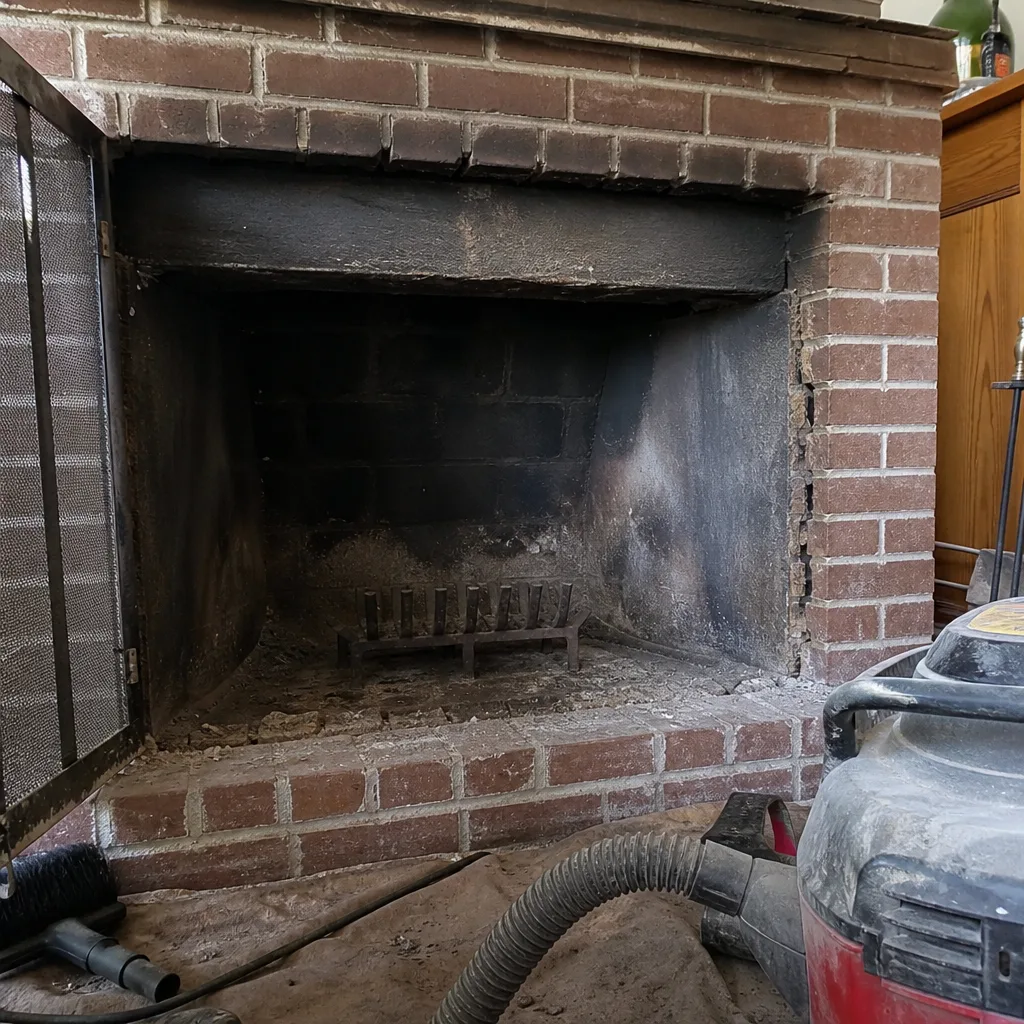 Before
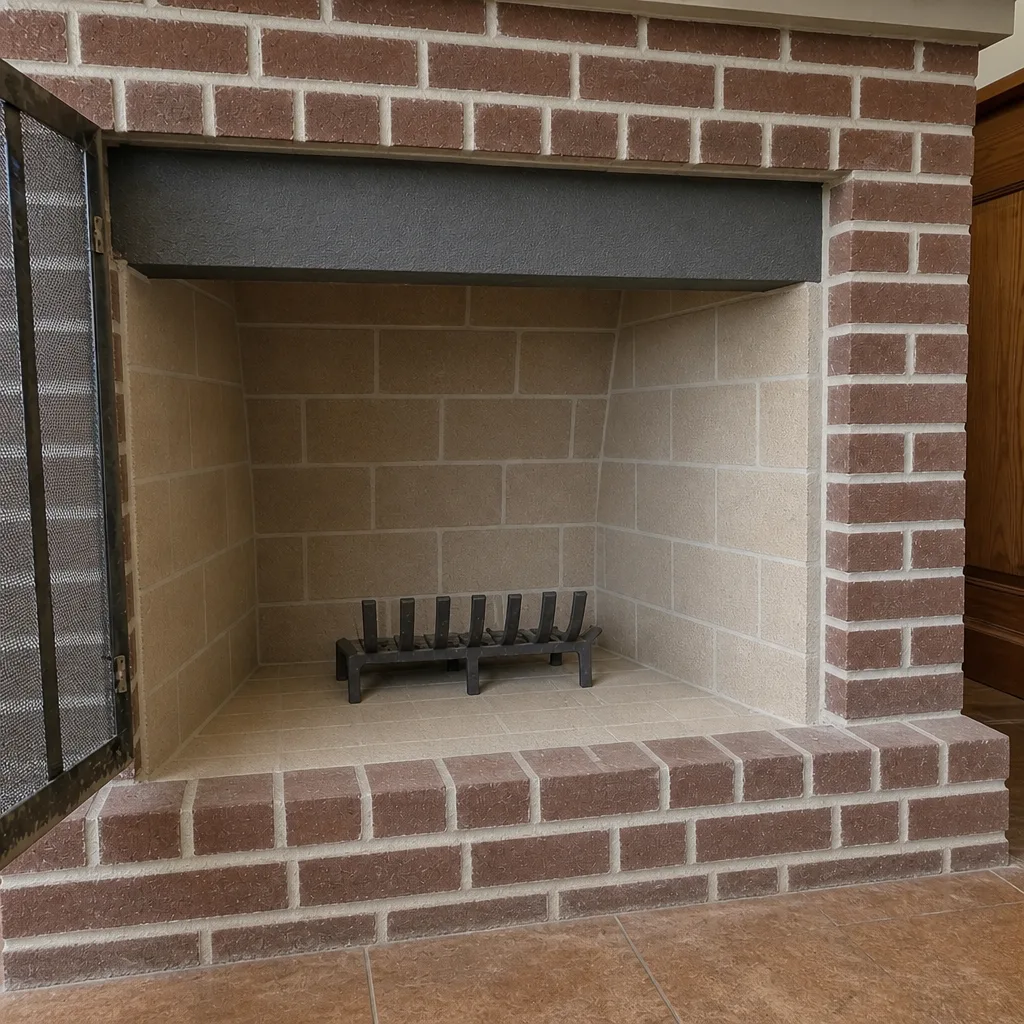 After
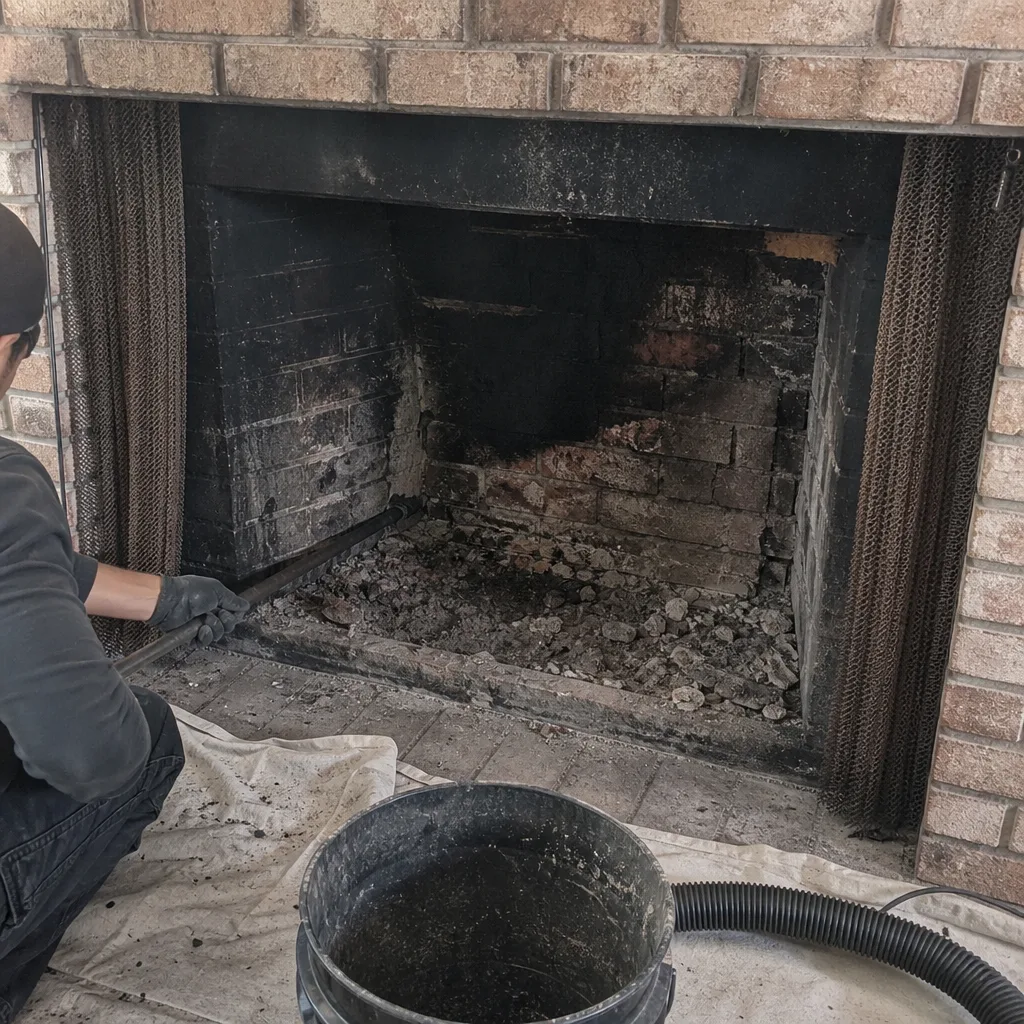 Before
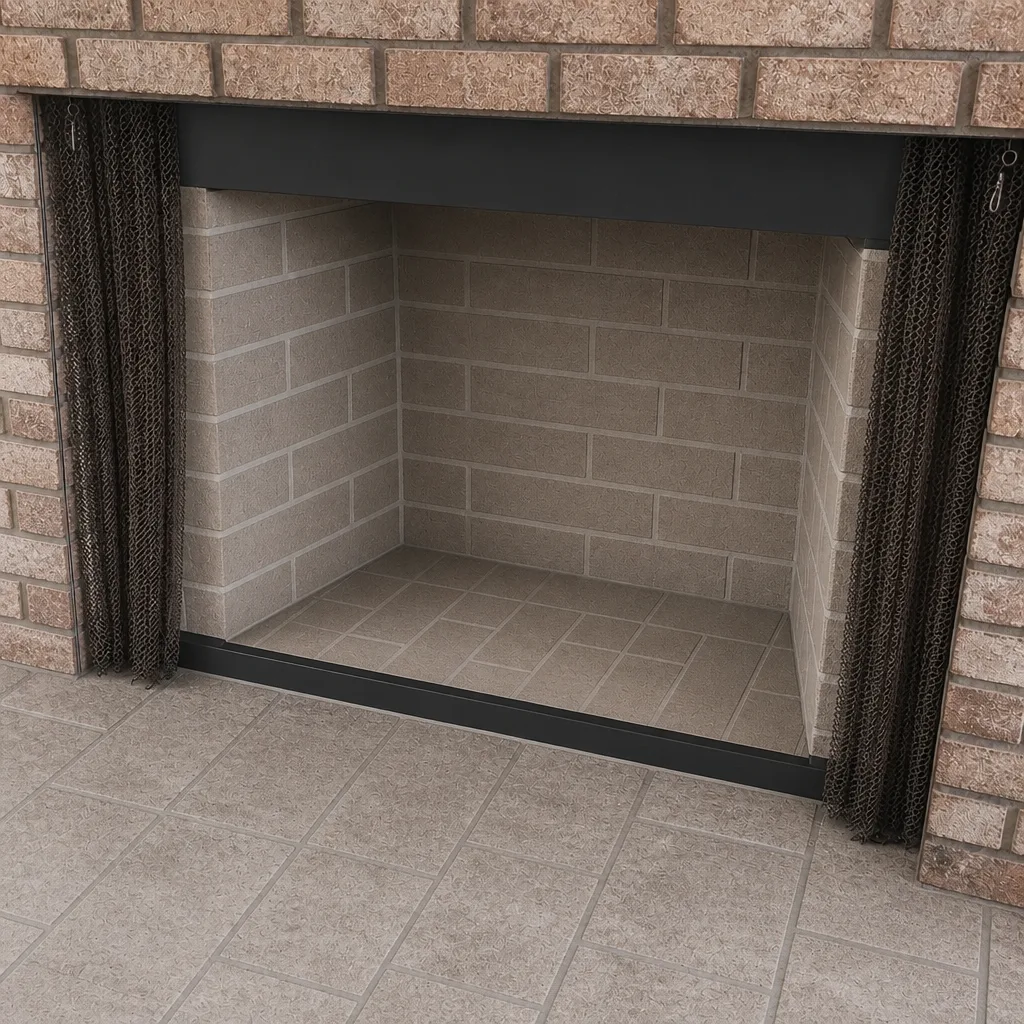 After
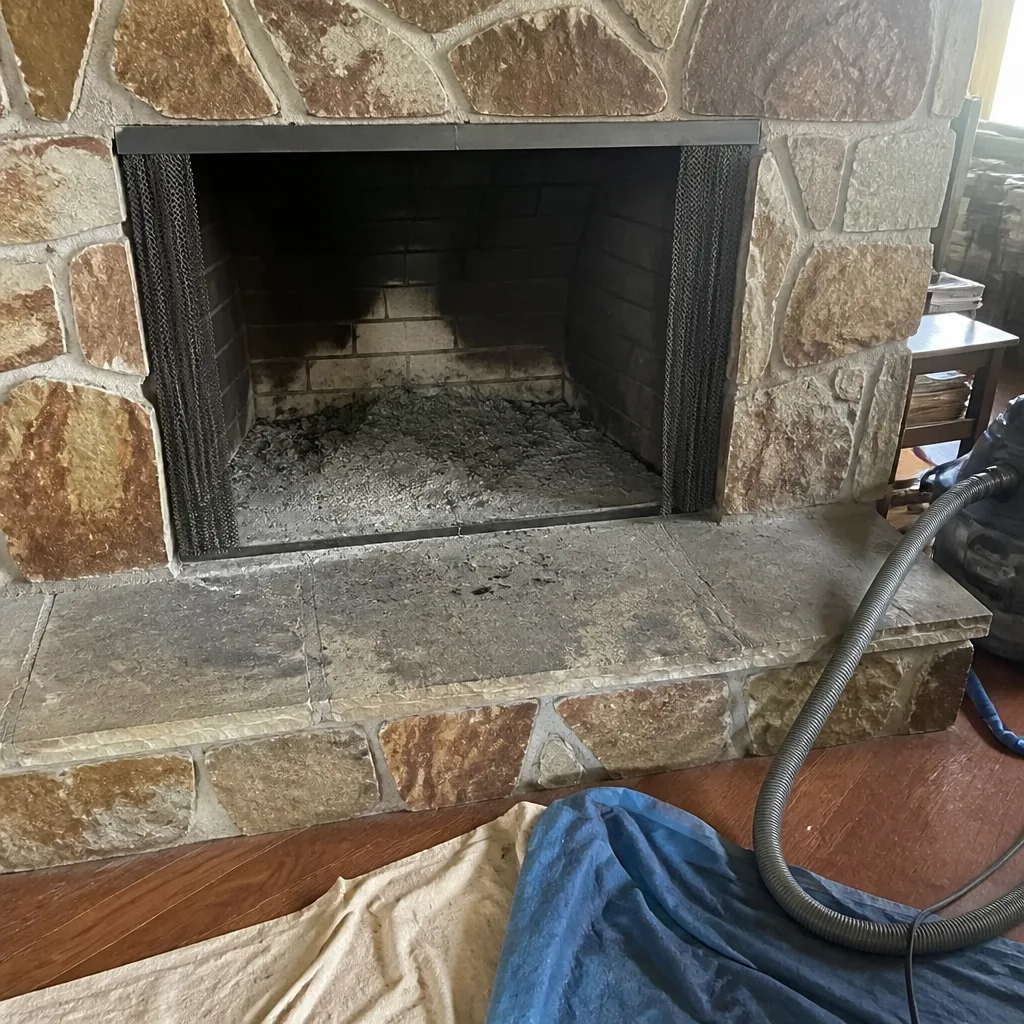 Before
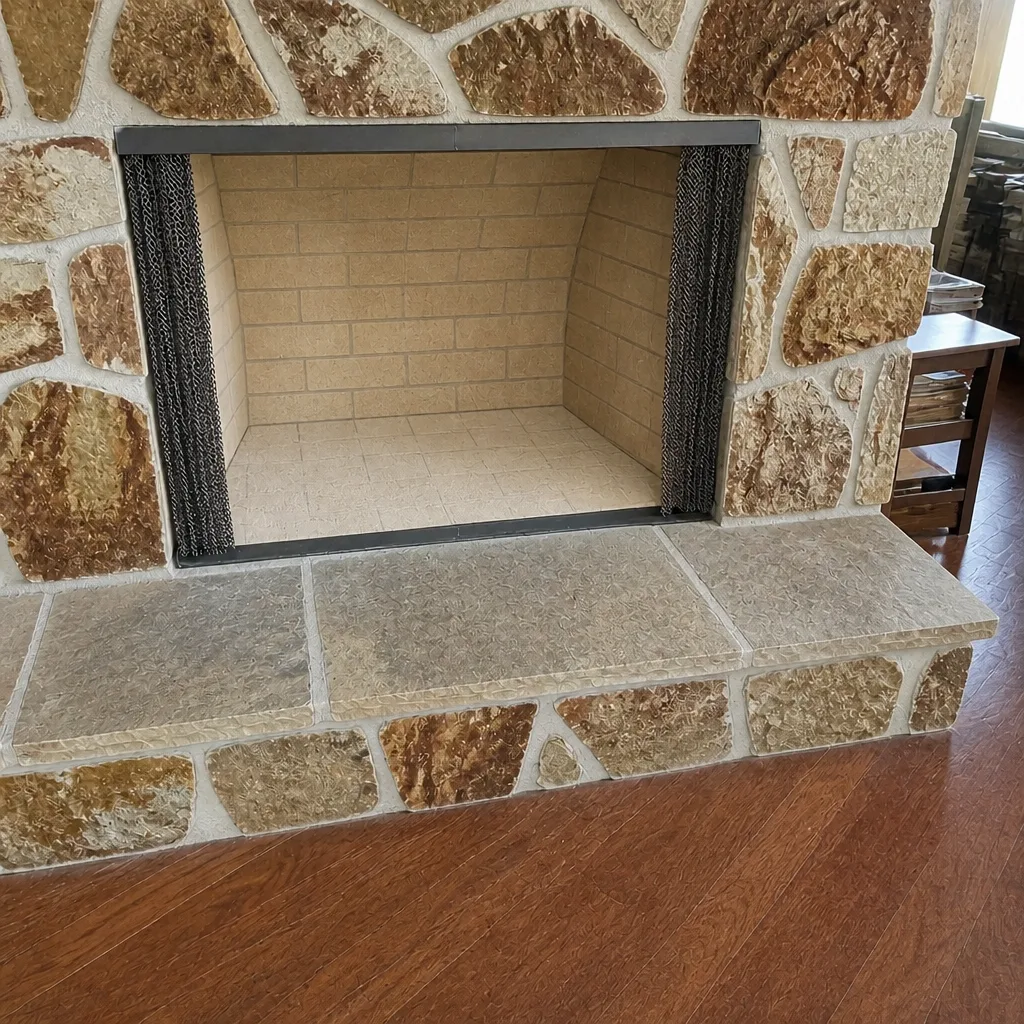 After
When to Call a Professional
Call a professional after any chimney fire, period, without exception and without waiting to see how the fireplace behaves. Call after a tropical storm or severe thunderstorm if the cap is missing or loose, the crown has a new crack, the mortar joints look different, or you see debris in the flue. Call if a carbon monoxide detector goes off, if a room near the chimney smells stale or smoky when an appliance runs, or if you see cracks in the firebox. Call if it’s been more than a season since the last sweep and you plan to use the fireplace this year. And call if a previous sweep or contractor told you the liner needed replacing but you couldn’t see the evidence; we show you the camera footage before recommending anything. Chimney Sweep Riverview offers free estimates in Riverview. Call (844) 834-1749 and we’ll get you booked. Our technicians have up to 8 years of experience.
Frequently Asked Questions
Yes, if you see flames from the chimney, hear a roar or popping, or the chimney is glowing or too hot to touch, call 911 and get everyone out of the house first. A chimney fire can spread into the structure of the house in minutes, and the fire department is the only thing that can safely confirm the fire is actually out. If the signs were brief and you suspect a small fire, you still need a professional inspection before you burn again. Call (844) 834-1749 to book one. We answer 24/7.
Stop using the fireplace, close the damper, and cover the fireplace opening from inside the house. Don’t go up on the roof to check it yourself, and don’t seal the flue from the top. Check the cap and crown from the ground, take photographs, and call for an inspection. A damaged cap or crown leaves the flue open to the weather, and the sooner it’s inspected, the less chance a small repair turns into a liner replacement. Call (844) 834-1749 for a free estimate.
You can, but it’s usually a short-term fix. A mortar patch on a deteriorating crown tends to crack again, because the crown is exposed to the full weather of a Riverview summer and a patch doesn’t solve the underlying movement. HeatShield chimney resurfacing is the product we use for crown and flue deterioration because it’s engineered for that repair rather than applied as a general-purpose patch. Ask for the inspection first and let the report decide the repair. Call (844) 834-1749 and estimates are free.
Your carrier will want a written inspection report naming what failed, photographs or camera video of the flue, and an itemized written estimate for the repair. Also save the fire department report or incident number if they responded. Report the event to your insurer soon after the emergency, in plain terms, and don’t guess at the extent of the damage before the inspection. The technician’s report is what the claim is built on. Call (844) 834-1749 to book the inspection that produces it.
Once a year if you burn regularly, which for most Riverview households means a sweep before the fireplace season starts in the fall. If the fireplace sits idle for a couple of seasons, the sweep interval stretches, but the pre-season inspection still matters, because storm damage to the cap and crown happens whether you burn or not. A home with a gas appliance vented through the chimney should have the flue checked on the same schedule. Call (844) 834-1749 and we’ll help you decide.
The first fire of the season goes into a flue that may not be safe for one. A missing cap or a crown crack lets water into the flue and into the masonry, and water damage to a chimney compounds over months. If you skip the check and the fireplace doesn’t draw right, or smoke backs into the room, stop using it and call for an inspection before lighting another fire. Call (844) 834-1749. We answer 24/7, and dispatch runs 7am to 7pm, Sunday through Friday.
The Bottom Line
Chimney preparedness in Riverview comes down to two scenarios and one habit. The scenarios are a chimney fire, which is a 911 emergency followed by an inspection, and storm damage to the cap or crown, which is not an emergency but does mean the fireplace stays cold until a technician looks at it. The habit is the pre-October check: a sweep, a camera inspection, a fresh look at the cap and crown, and a dryer vent cleaning on the same visit. Done before the season starts, that check is what keeps both scenarios from happening in the middle of a fire. If you want a visit that finds the problem and can fix it, call Chimney Sweep Riverview at (844) 834-1749 for a free estimate. We answer 24/7. Fast dispatch from 7am to 7pm, Sunday through Friday.
Written by the team at Chimney Sweep Riverview.