
Last updated November 15, 2026
 Sweep & inspection
 Caps & crowns
 Flue relining
 Masonry repair
 Gas fireplace service
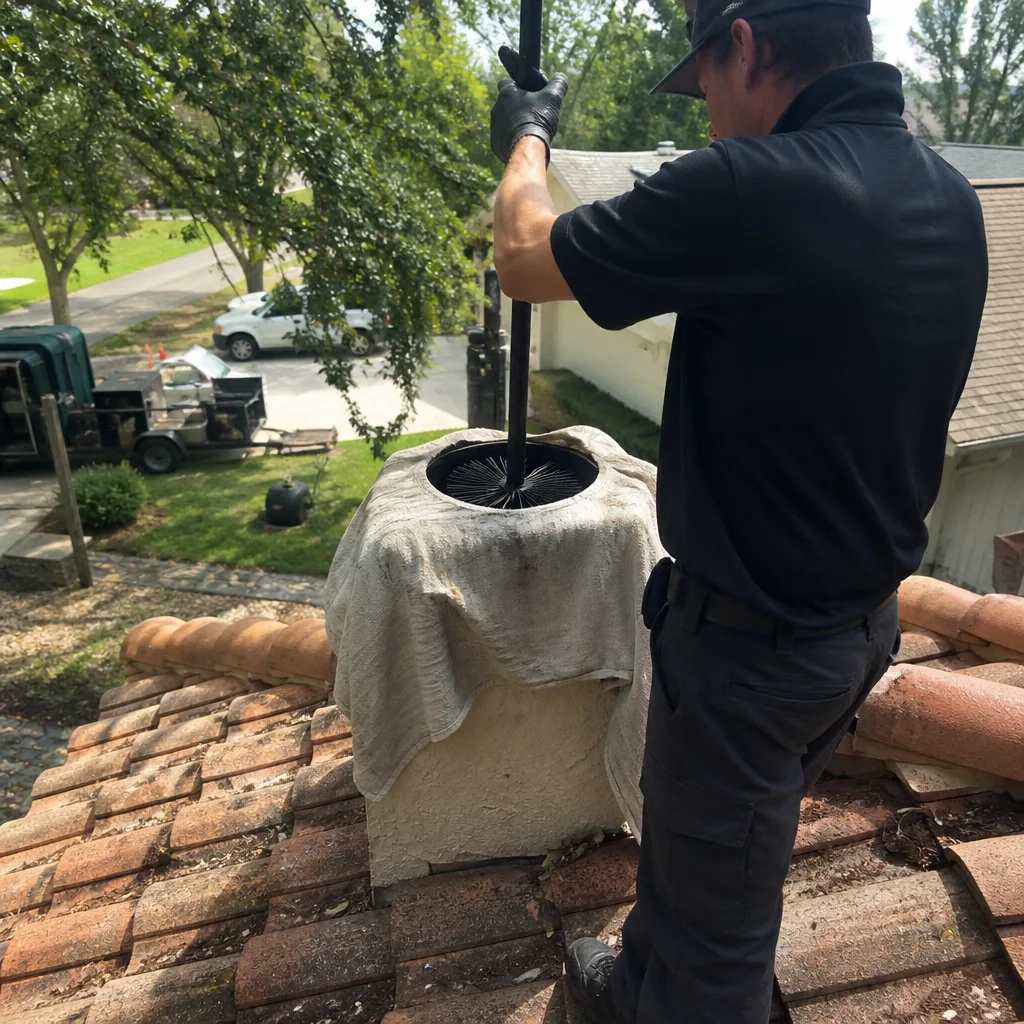
Level 1 sweep and inspection to the NFPA 211 annual standard - flue, crown, cap, and flashing checked and photographed
Chimney sweep logs do not sweep chimneys. They loosen some creosote - which then falls where a brush and vacuum still have to collect it.
Chimney Sweep Maintenance Schedule: What to Do and When
The standard “sweep once a year before winter” advice assumes you live somewhere that actually has a winter. In Riverview, it doesn’t fit. Our burning season runs roughly November through February, which means a fireplace gets six or eight weeks of real use, not six months. Homeowners who follow the national calendar alone usually sweep in autumn and then ignore the chimney for the rest of the year. That’s backwards for this climate. The months that do the most damage to a Riverview chimney are the quiet, humid ones when nothing is burning at all. In this guide, we’ll lay out a maintenance calendar built for a humid subtropical home: what to check, when to check it, how often to clean a lightly used fireplace, why dryer vents deserve their own line on the schedule, and how to know when a cleaning visit needs to become a repair visit.
Quick Answer
In Riverview, a chimney should be swept before the burning season (late October or early November) and inspected again in March, after the last fire, so moisture damage gets caught before the humid summer. Dryer vents should be cleaned at least once a year, and more often in high-lint households. The exterior – cap, crown, and flashing – belongs on a pre-hurricane-season checklist in late spring. A fireplace used only a handful of times a year still needs an annual inspection, not because of creosote volume but because of what the off-season does to masonry and metal.
Styles & brands we work with
- Sweep & inspection
- Caps & crowns
- Flue relining
- Masonry repair
- Gas fireplace service
Table of Contents
- Why Riverview’s Maintenance Calendar Looks Different
- The Riverview Chimney Maintenance Calendar: Month by Month
- The Post-Season Inspection: Why March Matters Most Here
- Pre-Hurricane-Season Chimney Checklist
- How to Maintain a Fireplace You Use Fewer Than 10 Times a Year
- Component-by-Component Standards: Cap, Crown, Liner, Damper, Firebox
- Dryer Vent Cleaning Frequency for Florida Homes
- Cleaning Visit vs. Repair Visit: Knowing Which One You Need
Why Riverview’s Maintenance Calendar Looks Different
If you read a national chimney maintenance guide, you’ll usually find the same advice: sweep in fall, inspect annually, watch for creosote. That advice is sound, but it was written for a climate with a long heating season and a cold, dry winter. Riverview is the opposite. Winters are mild and short, the burning season is compact, and the summer is long, warm, and humid. Each of those differences changes what your chimney is actually fighting.
In a long, cold climate, the enemy is creosote – the tar-like residue that builds up when wood burns incompletely and cools too fast on the way up the flue. In a Riverview fireplace that burns maybe a dozen or two dozen times across a season, creosote still accumulates, but it isn’t always the biggest risk. The bigger risk in a humid climate is moisture. Masonry is porous. When warm, damp air sits against a chimney for months with no fire drying it from the inside, small cracks can widen, mortar can soften, and a chimney cap that’s lost a screw or a bead of sealant can let water in with the summer rain. None of that shows up while you’re burning. It shows up months later, when the first fire of the next season sends smoke where it shouldn’t go.
That’s the real reason a Riverview maintenance calendar has two peaks instead of one. You sweep before you burn, and you inspect after you burn. The second one is the one most homeowners skip, and it’s the one that catches the slow damage that only shows up in this climate.
The Riverview Chimney Maintenance Calendar: Month by Month
Here’s the calendar we recommend for a typical Riverview home with an active fireplace or wood-burning insert. Adjust the exact months slightly if your use is heavier or lighter, but keep the two peaks.
- September – Late Summer Check-In. Take five minutes to look at the chimney from the ground. Is the cap still on and intact? Is there a stain on the exterior masonry or the ceiling near the chimney? Note anything that looks off so you can bring it up on the fall visit. This is also a good month to confirm your dryer vent hasn’t started collecting lint visibly at the exterior hood.
- October – Pre-Season Sweep. Book the chimney sweep before the first fire. A cleaning and inspection now gives you a clear flue and a written record of condition heading into the season.
- November through February – Burning Season. Burn dry, seasoned wood, keep the firebox from overloading, and pay attention to any change in draft, smell, or smoke spillback. Small changes are worth noting for the March visit.
- March – Post-Season Inspection. After the last fire, get the chimney inspected. This is the moisture-damage check for the humid months ahead. If repairs are needed, they can be scheduled before summer rain.
- April – Exterior Repair Window. If the March inspection flagged crown, flashing, or cap issues, this is the window to address them. Repairs done in spring have the whole dry stretch ahead of them to cure.
- May – Pre-Hurricane-Season Checklist. Walk the exterior. Confirm cap attachment, crown condition, and flashing seal. Address anything loose before storm season.
- June through August – Dryer Vent and Off-Season Monitoring. Clean the dryer vent on its own schedule. Watch for interior water stains during heavy summer rain.
Riverview’s neighborhoods – from the older homes near the Alafia River to the newer construction in the surrounding subdivisions – tend to fall into two patterns. Older homes often have masonry chimneys with a longer service life but more years of accumulated wear on the crown and flashing. Newer homes often have factory-built or insert setups, where the liner and the cap do most of the work. Both need the same calendar; they just need different things checked.
The Post-Season Inspection: Why March Matters Most Here
The March inspection is the single most underrated part of a Florida chimney maintenance schedule. In a colder climate, the post-season inspection is mostly a cleaning chore. Here, it’s the window where you can see what the humid summer is about to test. Once June arrives, a hairline crack in the crown or a slightly lifted flashing is going to get a lot of warm, wet air and rain against it for months. Catching it in March gives you time to fix it before that happens.
What a post-season inspection typically covers:
- Flue condition. Creosote and soot volume from the season, plus a camera look at the liner for cracks, gaps, or glaze.
- Firebox and damper. Masonry joints inside the firebox, damper operation, and any signs of water staining.
- Crown and cap. Hairline cracks in the crown, cap attachment, and any rust or animal intrusion at the top.
- Flashing and exterior masonry. Sealant condition at the roof line, staining on the masonry, and any sign that water is tracking in.
- Draft and smoke performance. Whether the season ended with any smoke spillback, soot staining at the firebox opening, or a smell the homeowner noticed.
If the March inspection comes back clean, you’ve got the rest of the year handled. If it doesn’t, you have a comfortable window to plan the repair before summer. That’s the whole reason for the two-peak calendar: the March visit buys you time you won’t have in June.
Pre-Hurricane-Season Chimney Checklist
Storm season in Riverview means high wind and driving rain, not snow load or ice. A chimney that’s fine in calm weather can leak badly in a sustained storm if the top isn’t sealed. Before the season, walk the checklist below. Anything you can’t safely verify from the ground, have inspected.
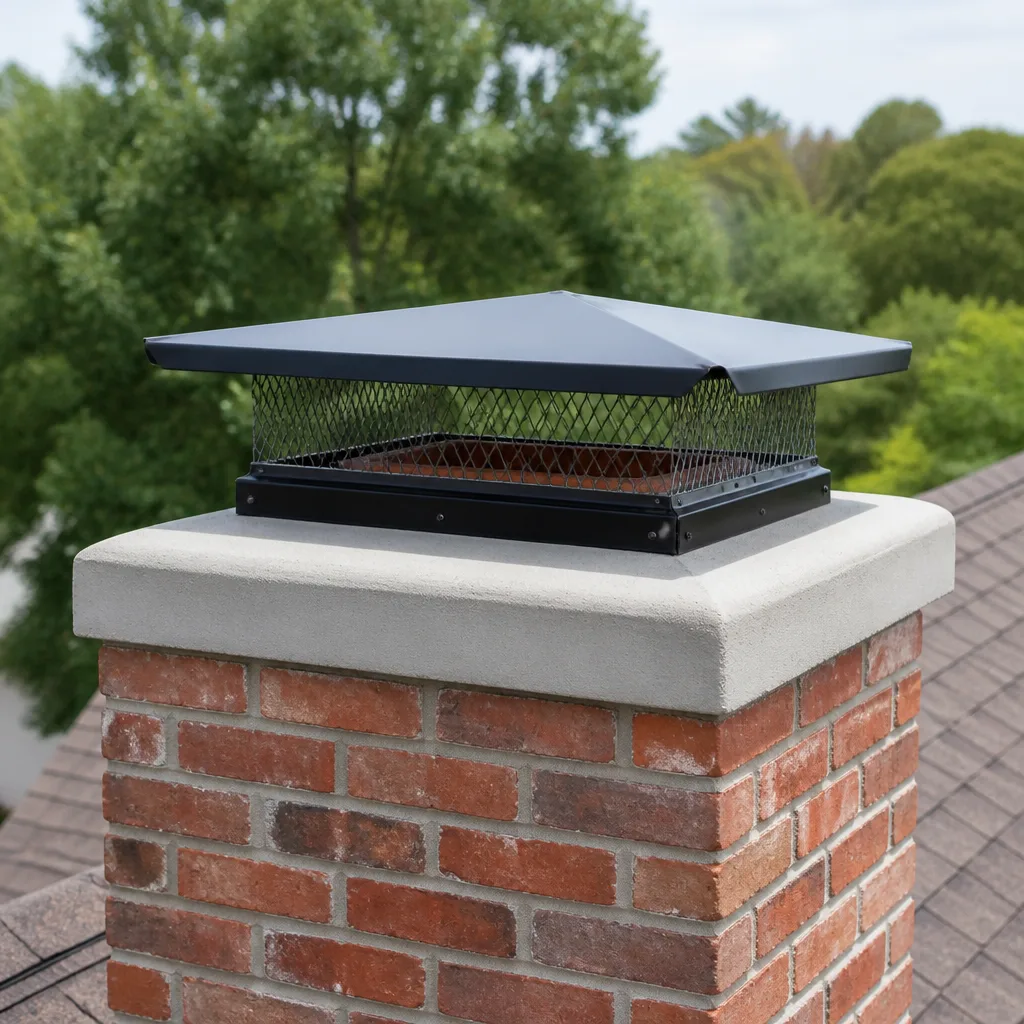
- Cap integrity. Is the cap still firmly attached? Are the screens intact? A cap that’s lifted or missing a fastener is the most common way rain gets straight into a flue. When a cap or cover needs replacing, we use built-for-purpose components from Gelco and Famco rather than improvised hardware.
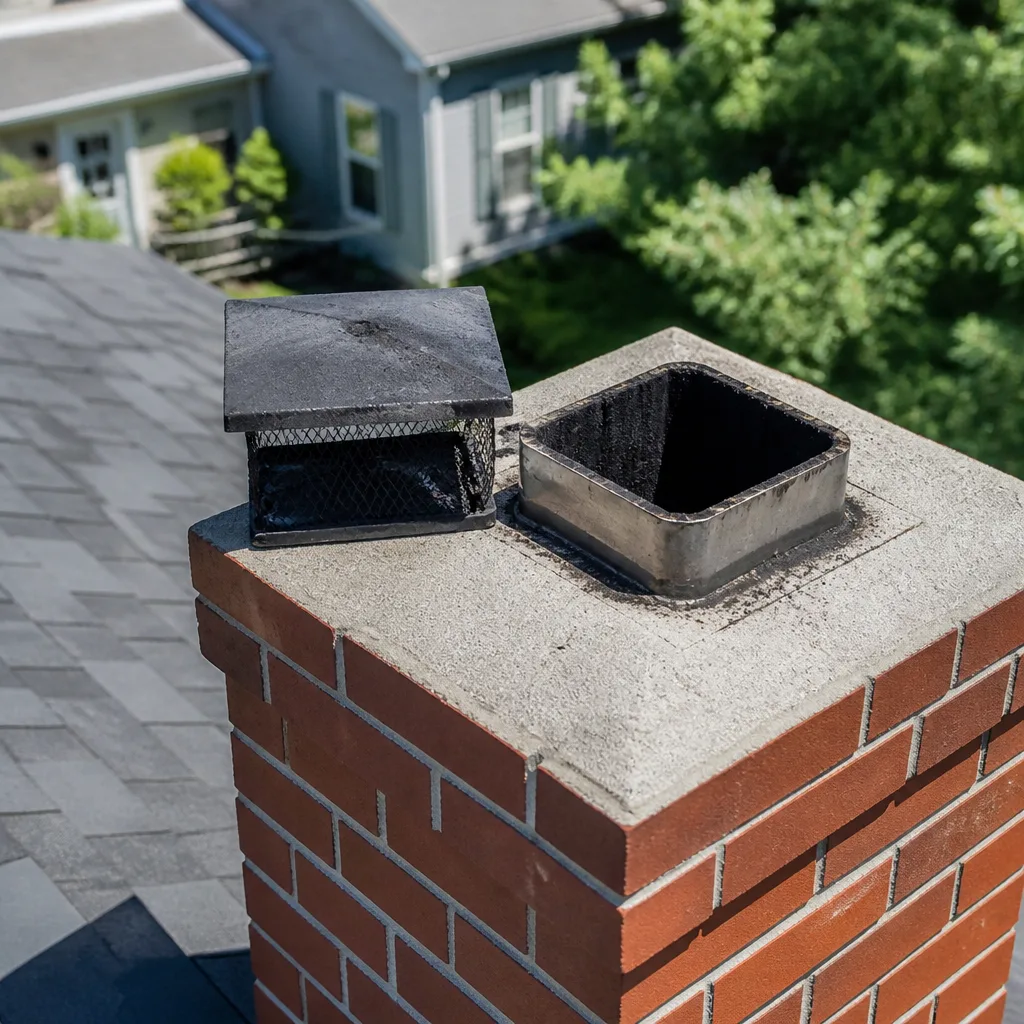
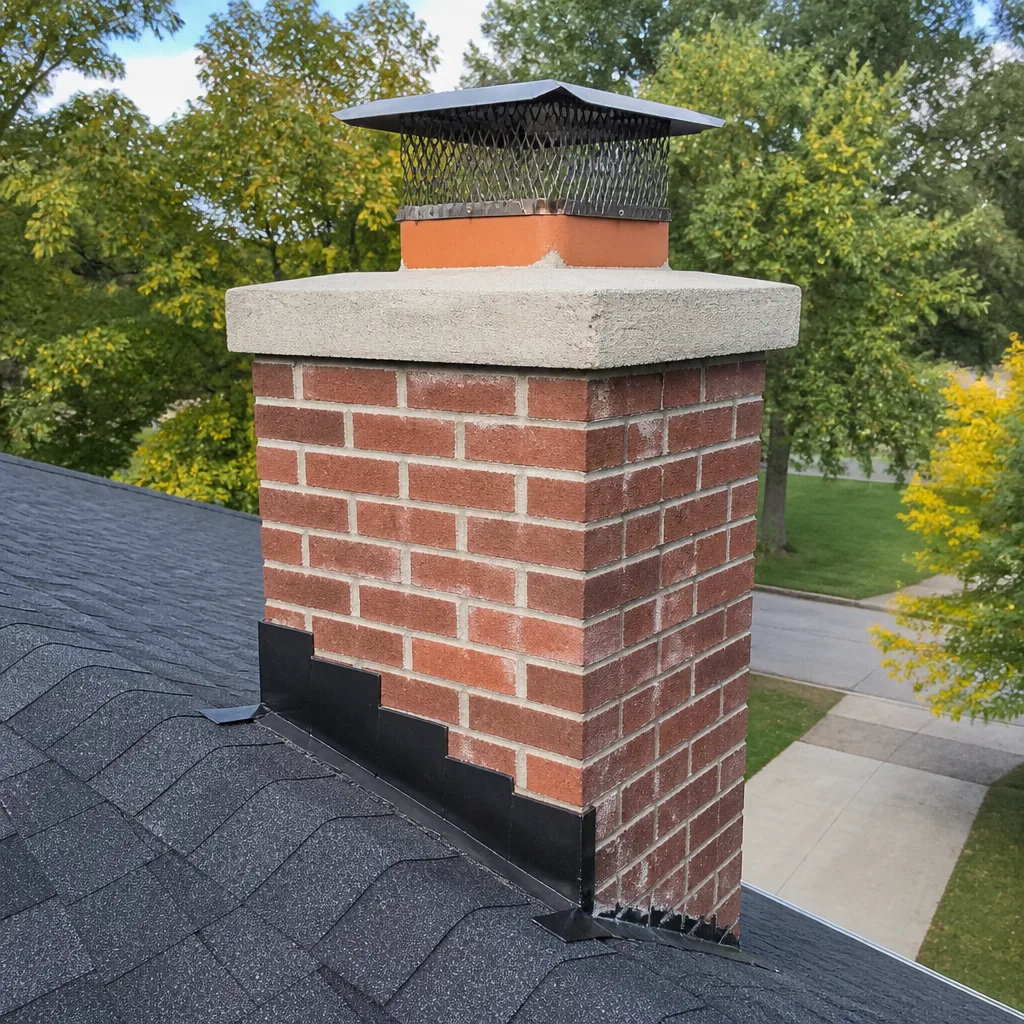
- Crown sealant and condition. The crown is the sloped concrete cap at the top of a masonry chimney. It’s designed to shed water away from the flue. Hairline cracks are normal wear; open cracks are not. A crown that’s failing lets water into the masonry below it, and that damage compounds over the wet season.
- Flashing. Flashing is the metal that seals the joint between the chimney and the roof. Lifted, rusted, or re-sealed flashing is a common leak path in heavy rain. Check the sealant bead and the metal itself.
- Exterior masonry. Look for spalling (flaking), efflorescence (white staining), or dark water streaks. Any of these mean moisture is moving through the masonry.
- Rain and spark protection. A missing or damaged cap screen can invite birds, squirrels, and rain into the flue during storm season and the quiet months after.
If a component has failed, it’s worth having the repair done with proper materials. That’s where a specification-grade repair visit differs from a sweep: our repair capability covers the full component set, including HeatShield resurfacing for a deteriorated flue and complete chimney repair work that addresses the cause, not just the symptom.
How to Maintain a Fireplace You Use Fewer Than 10 Times a Year
A lightly used fireplace is not a maintenance-free fireplace. In fact, in a humid climate, a fireplace that sits cold eight or nine months a year is more exposed to moisture than one that’s drying itself out with regular fires. The mistake is assuming “we barely use it” means “nothing can go wrong.”
Here’s how to keep a lightly used Riverview fireplace from becoming a liability:
- Still inspect annually. The purpose of the annual inspection isn’t just creosote removal. It’s catching moisture damage, animal intrusion, cap failure, and liner wear. None of those depend on how often you burn.
- Run a small fire occasionally. A short, hot fire once a month through the cooler months helps dry the firebox and flue from the inside and keeps the system in working condition. It also reveals draft issues before they become an emergency.
- Keep the damper closed when not in use. An open damper in humid weather is an open door for moist air. Close it between fires.
- Watch the cap and crown year-round. These take the weather whether you’re burning or not, and they’re the first parts to fail.
- Note any smells. A musty odor from the firebox, especially after rain, is a moisture signal worth investigating.
For a household that burns a handful of times a year, the pre-season sweep is still worth doing. It’s not about volume; it’s about a clean starting point so the inspection has a clear view. If you’re in Riverview and your fireplace mostly sits idle, the annual visit is a check on the building envelope as much as the firebox.
Component-by-Component Standards: Cap, Crown, Liner, Damper, Firebox
Every part of a chimney has a job, and each one has a standard it should be held to. Here’s how a specification-grade maintenance checklist treats each component. This is the difference between a cleaning visit and a repair-capable visit: the cleaning side needs a brush and a camera, the repair side needs the right material for each part.
Chimney Cap
The cap does three jobs: it keeps rain out, keeps animals out, and keeps sparks in. It should be firmly attached, screen-intact, and sized correctly for the flue. A cap that’s lost a fastener or rusted through is a failure waiting for the next storm. Replacements should be built-for-purpose; we draw on Gelco and Famco product lines for cap and cover work so the fit matches the flue.
Crown
The crown is the sloped concrete at the top of a masonry chimney. It’s meant to shed water away from the flue opening. Cracks wider than a hairline, missing chunks, or a crown that’s lost its slope all mean water is finding a path into the masonry. Repair is a proper pour-over or rebuild job, not a smear of generic mortar.
Liner
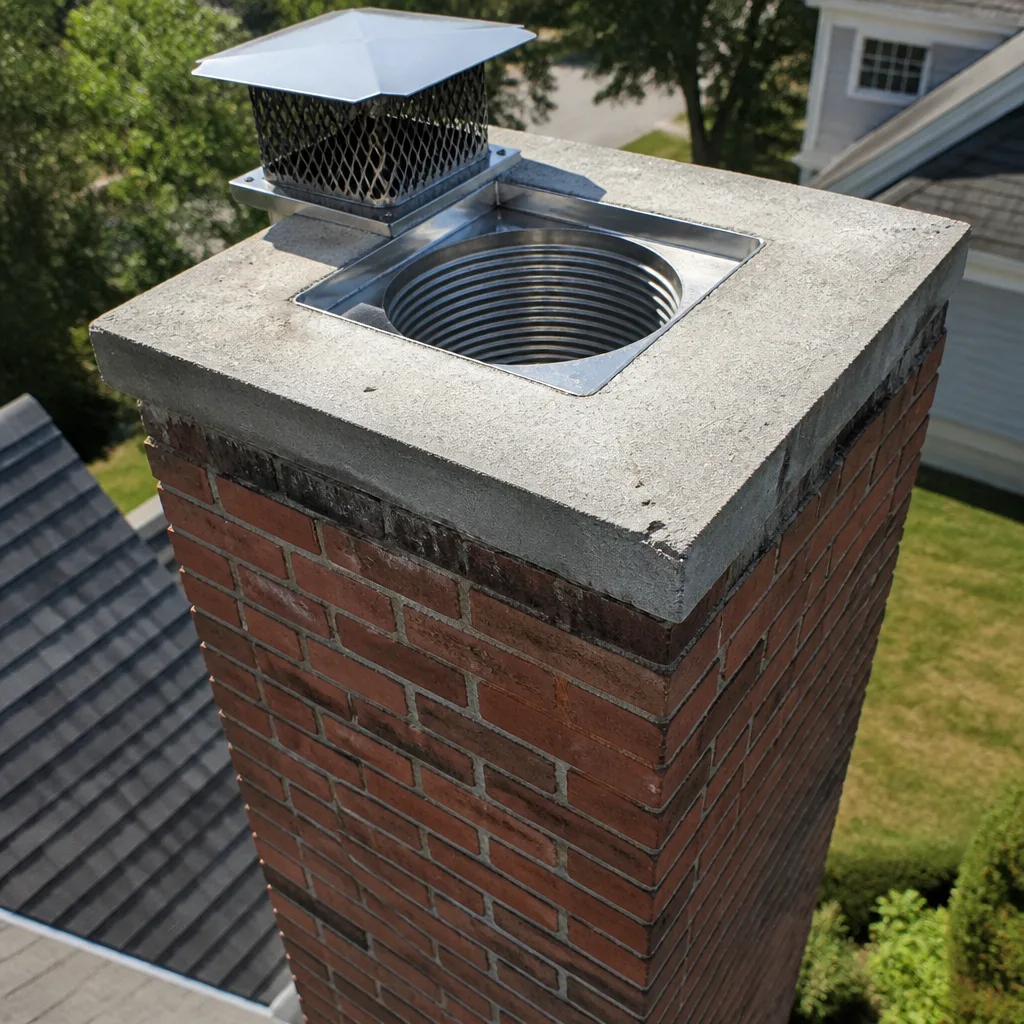
The liner is the flue’s interior surface. It carries the smoke and gases up and away, and it separates combustion from the structure of the house. Cracks, gaps, or a missing liner mean the chimney isn’t doing its job, regardless of how clean the firebox is. For offset flues and difficult geometries, a flexible stainless liner system such as DuraFlex adapts where a rigid liner won’t. For deteriorated masonry flues, HeatShield resurfacing addresses the flue with a product engineered for that repair.
Damper
The damper is the door between the firebox and the flue. It should open and close cleanly, seal reasonably when closed, and not stick. A stuck-open damper leaks heat out of the house and moisture in. A stuck-closed damper is a smoke problem. Both are fixable, and both should be checked at every inspection.
Firebox
The firebox is where the fire actually sits, and it takes heat and thermal cycling. Look at the mortar joints, the firebrick, and the floor of the firebox for cracks, loose bricks, or gaps. Small hairline cracks are normal; loose bricks or gaps that let heat behind the firebox lining are not. Firebox repair uses proper refractory materials, and a proper maintenance visit flags anything that needs it.
The reason to name the components is simple: a maintenance schedule that only says “sweep the chimney” leaves the crown, cap, and flashing unaddressed. Those are the parts that fail in this climate, and they’re the parts a repair-capable visit can actually fix. We work with an intentional portfolio of trade-trusted brands – DuraFlex, HeatShield, Gelco, Olympia Chimney, Famco, and Copperfield – so the material matches the repair, not whatever is closest at hand.
Dryer Vent Cleaning Frequency for Florida Homes
Dryer vent cleaning belongs on this schedule for the same reason chimney sweeping does: both are about moving hot air and combustion byproducts safely out of the house. A clogged dryer vent is one of the leading causes of residential fires, and a home that runs a lot of laundry can build up lint faster than the owner realizes. In Florida’s humid air, lint that would normally stay dry and fluffy can pick up moisture, mat down, and pack into the duct in a way that’s harder to see and harder to clear.
Frequency benchmarks for a Riverview home:
- Once a year as a baseline for a typical household, cleaned by a professional with a camera check on the full run.
- Every 6 months for larger households, pet owners, or homes that run multiple loads a day.
- Any time the dryer takes noticeably longer to dry a load, the outside vent flap doesn’t open well, or the top of the dryer feels hot to the touch.
- After any major laundry-room remodel or if the duct run is long, has multiple elbows, or was installed with flexible foil duct (which should generally be replaced with smooth rigid metal).
We treat dryer vent cleaning as a full service with its own checklist, not an add-on at the end of a chimney visit. If you’re scheduling a sweep before the season, it’s a natural moment to have the dryer vent checked in the same visit – one call, two fire-safety items resolved. If you’ve never had the vent professionally cleaned, or you can’t remember when it was last done, that’s the starting point.
Cleaning Visit vs. Repair Visit: Knowing Which One You Need
Homeowners sometimes put off calling because they’re worried they’ll be told they need thousands of dollars of liner and masonry work they have no way to verify. That worry is fair. The way to handle it is transparency: a good inspection tells you what was found, shows you the evidence, and tells you plainly what can safely wait.
Here’s how the two visit types break down:
- A cleaning visit is a sweep and an inspection. It clears the flue, checks the components, and reports on condition. For a lightly used fireplace that’s in good shape, this is often all that’s needed.
- A repair-capable visit brings the material and the know-how to address what the inspection found: a failed cap, a cracked crown, a deteriorated flue that needs HeatShield resurfacing, a liner that needs a DuraFlex system, a damper or firebox issue, or flashing that needs re-sealing.
The key behavior is this: nothing is recommended without evidence. If the inspection finds a problem, you should see the photo or the camera view that shows it. If the problem can wait, you should hear that too. A schedule built around two visits a year (pre-season sweep, post-season inspection) means the repair-capable side only gets engaged when the inspection actually calls for it.
Our technicians have up to 8 years of experience, and the shop knowledge behind the repair side reflects the same materials chimney professionals specify: Olympia Chimney and Copperfield components where they fit, DuraFlex liners for flexible geometries, HeatShield for flue resurfacing, Gelco and Famco for cap and cover work. The point of a maintenance calendar is to catch small problems while they’re still small. A visit that can both clean and repair does that in one call instead of two.
Common Mistakes to Avoid
- Following the national “sweep in fall” calendar and skipping the March inspection. The post-season check is what catches moisture damage before the humid summer. Skipping it means the first sign of trouble is a leak during a storm.
- Assuming a lightly used fireplace doesn’t need an annual visit. A fireplace used a dozen times a year is still exposed to the same weather as one used weekly. The failure modes are different, not absent.
- Burning unseasoned wood in a short season. Wet wood burns cool and deposits more creosote in the time you do burn, which is the opposite of what a compact season needs.
- Ignoring the dryer vent because the chimney is the “real” fire risk. They belong to the same conversation. A clogged dryer vent is a leading cause of residential fires, and it should sit on the same calendar.
- Letting a contractor patch a crown or flue with generic mortar. A smear of mortar over a failing crown doesn’t fix the slope or the crack. Component-specific materials exist for a reason.
- Waiting until the first cold snap to call. That’s the busiest week of the year for Chimney Sweep Riverview and every other sweep in town. Booking the pre-season sweep a few weeks ahead avoids that crunch.
- Treating a cleaning visit and a repair visit as the same thing. One clears the flue; the other fixes what the inspection found. Knowing which you need keeps the schedule honest and the cost predictable.
See the difference
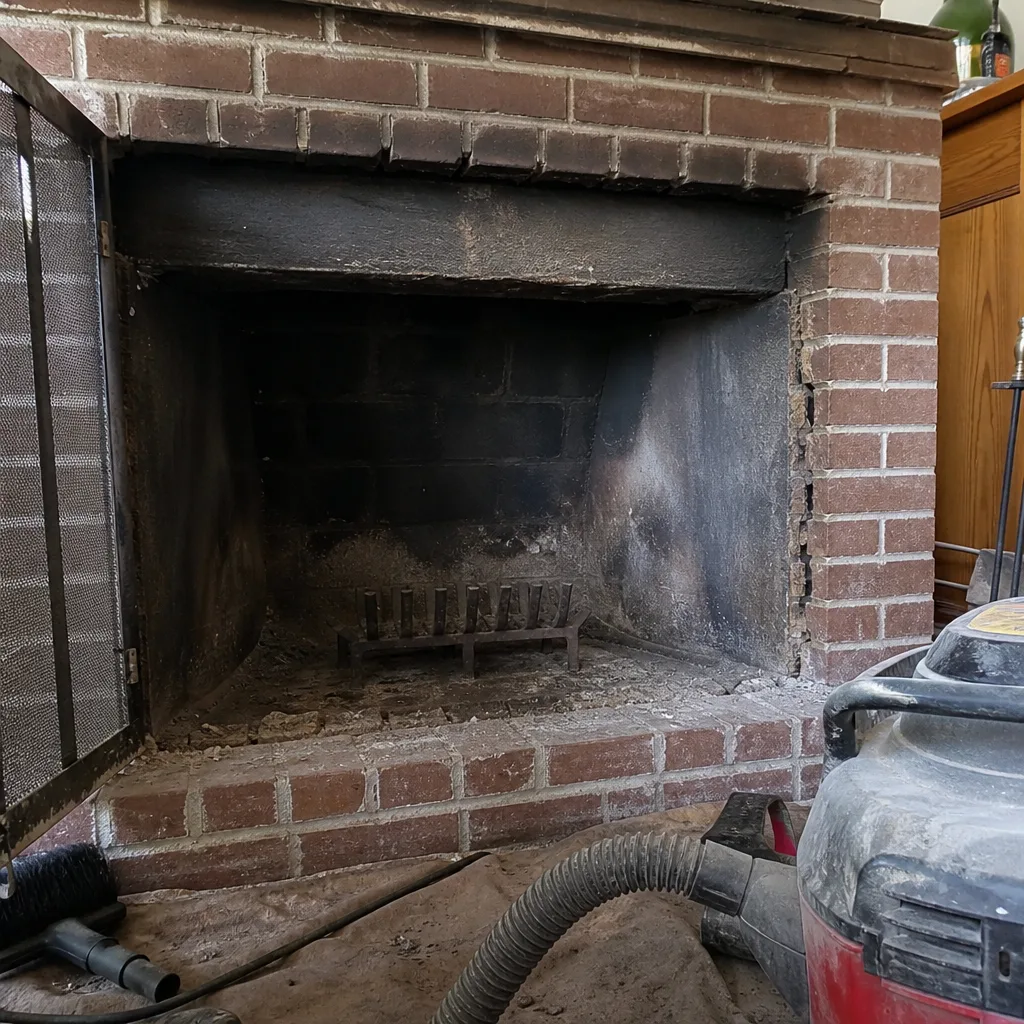 Before
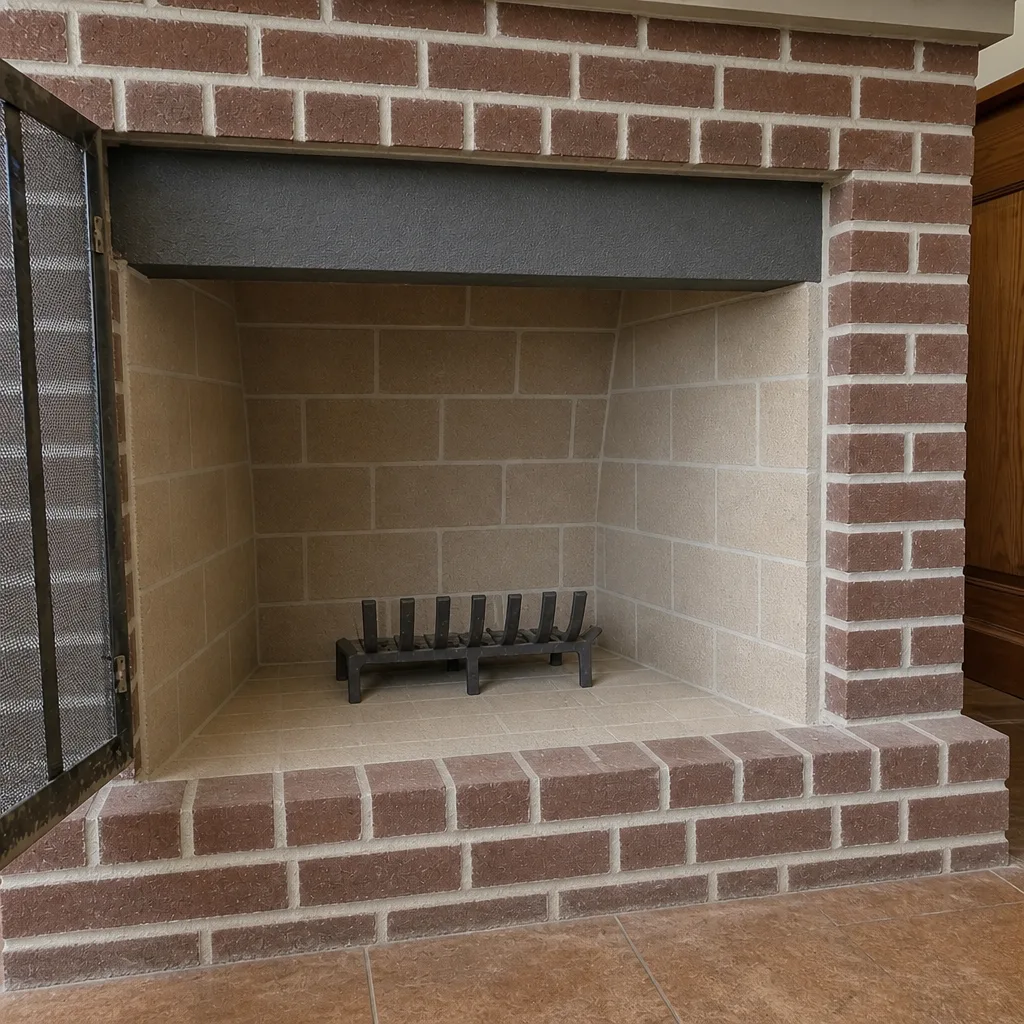 After
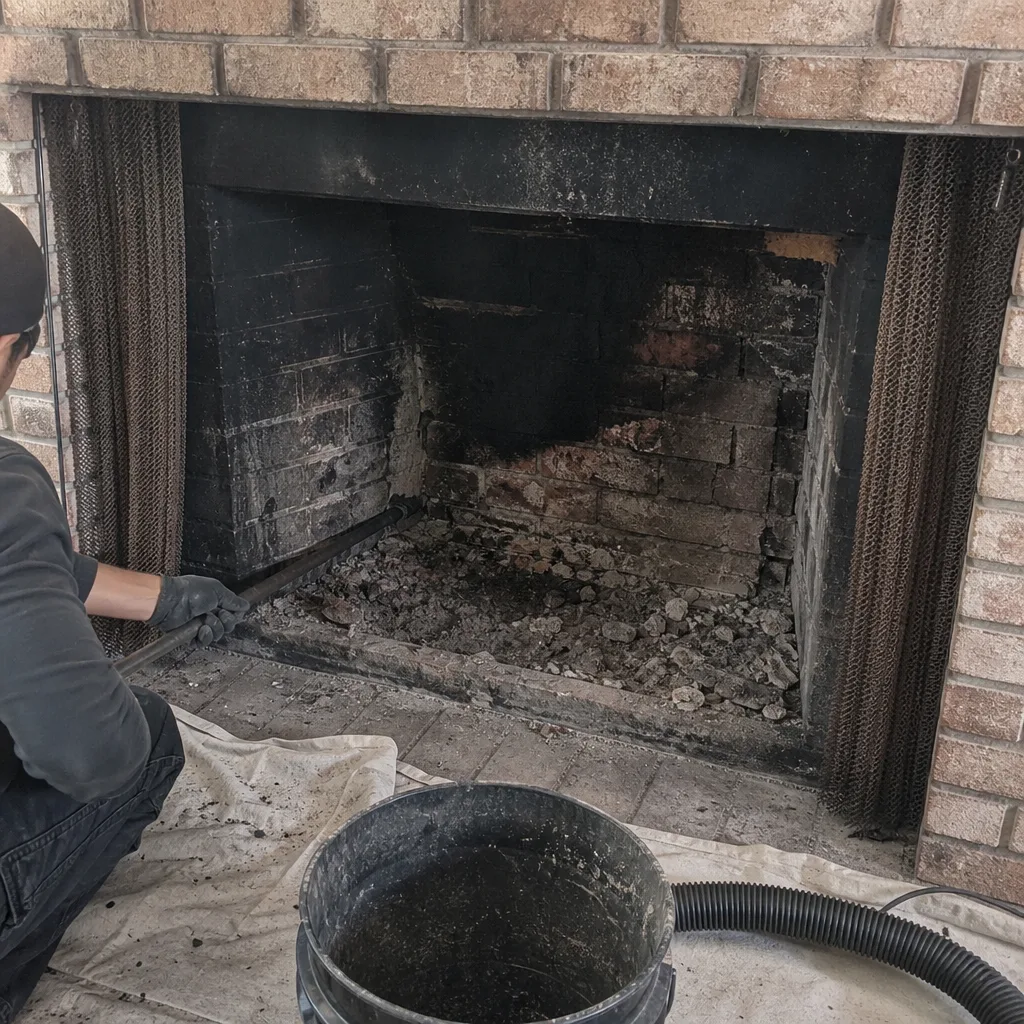 Before
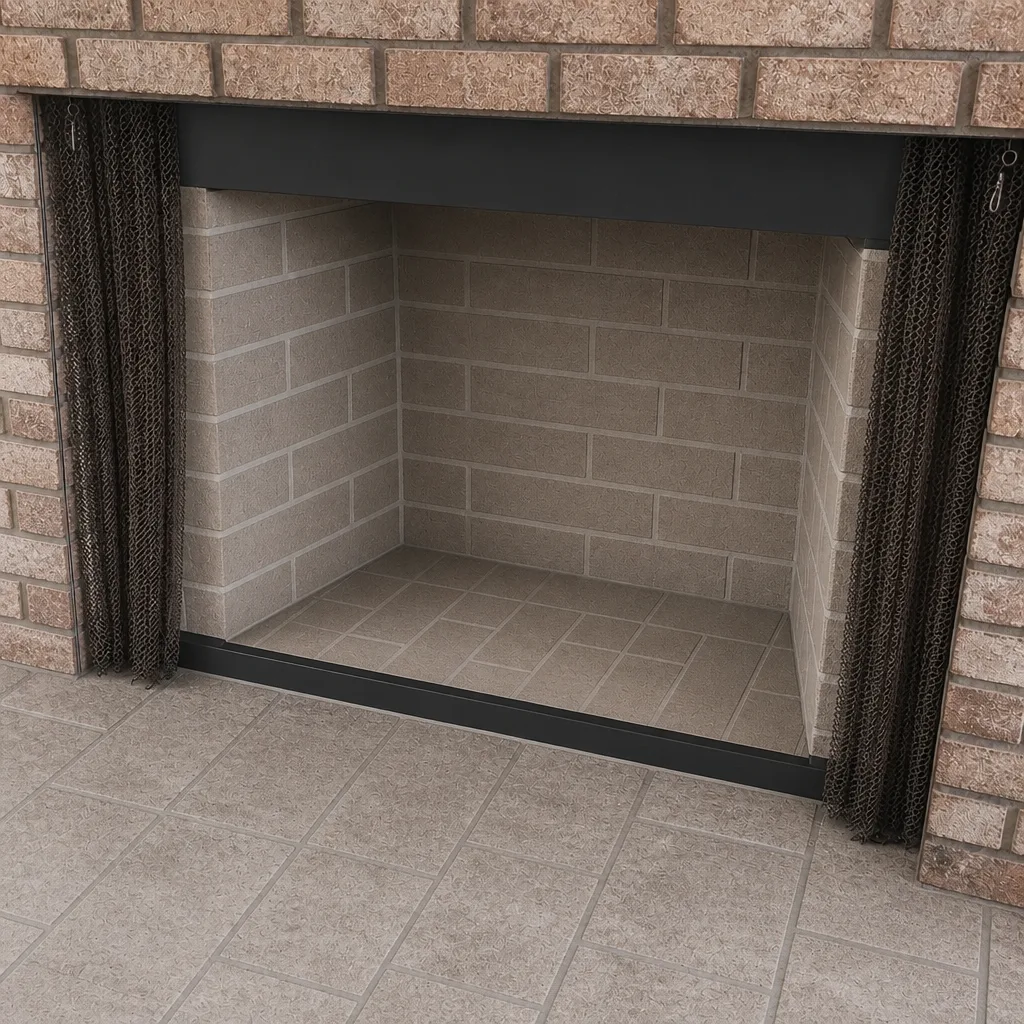 After
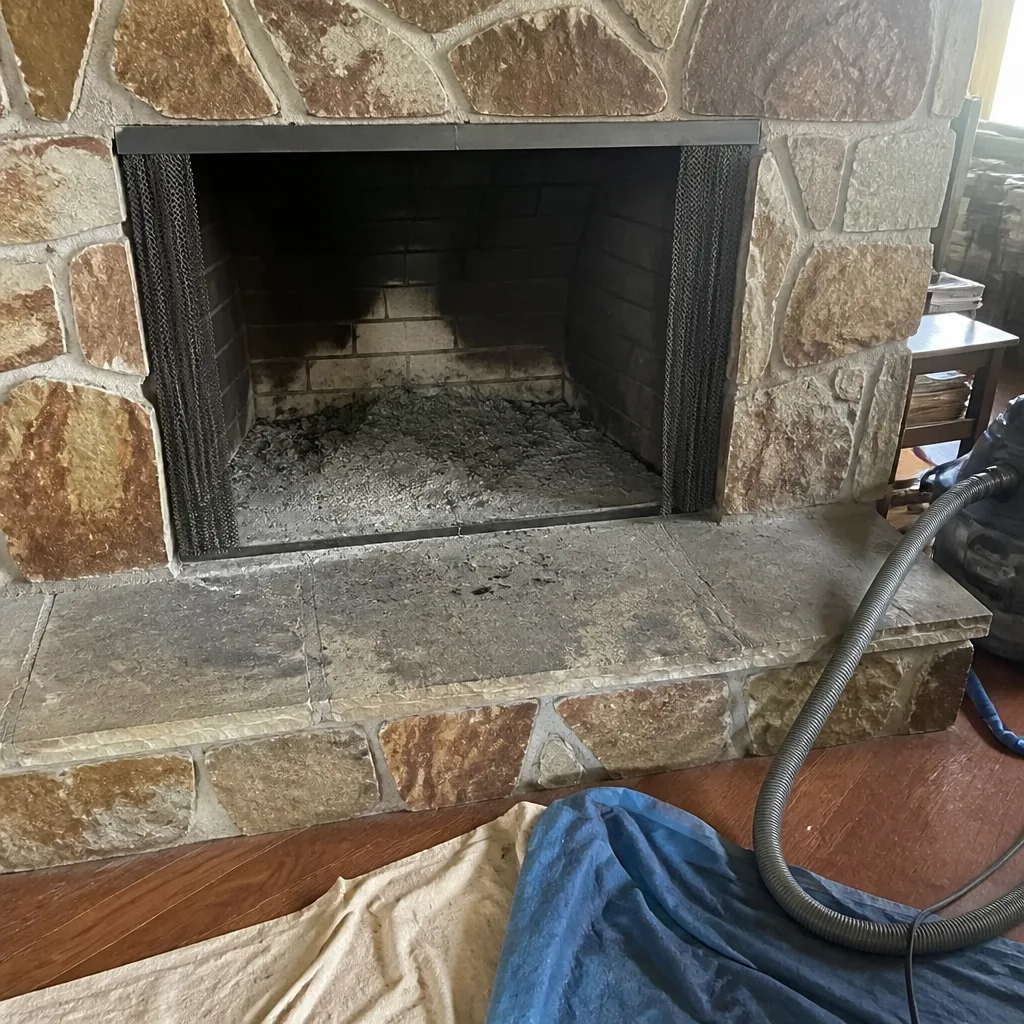 Before
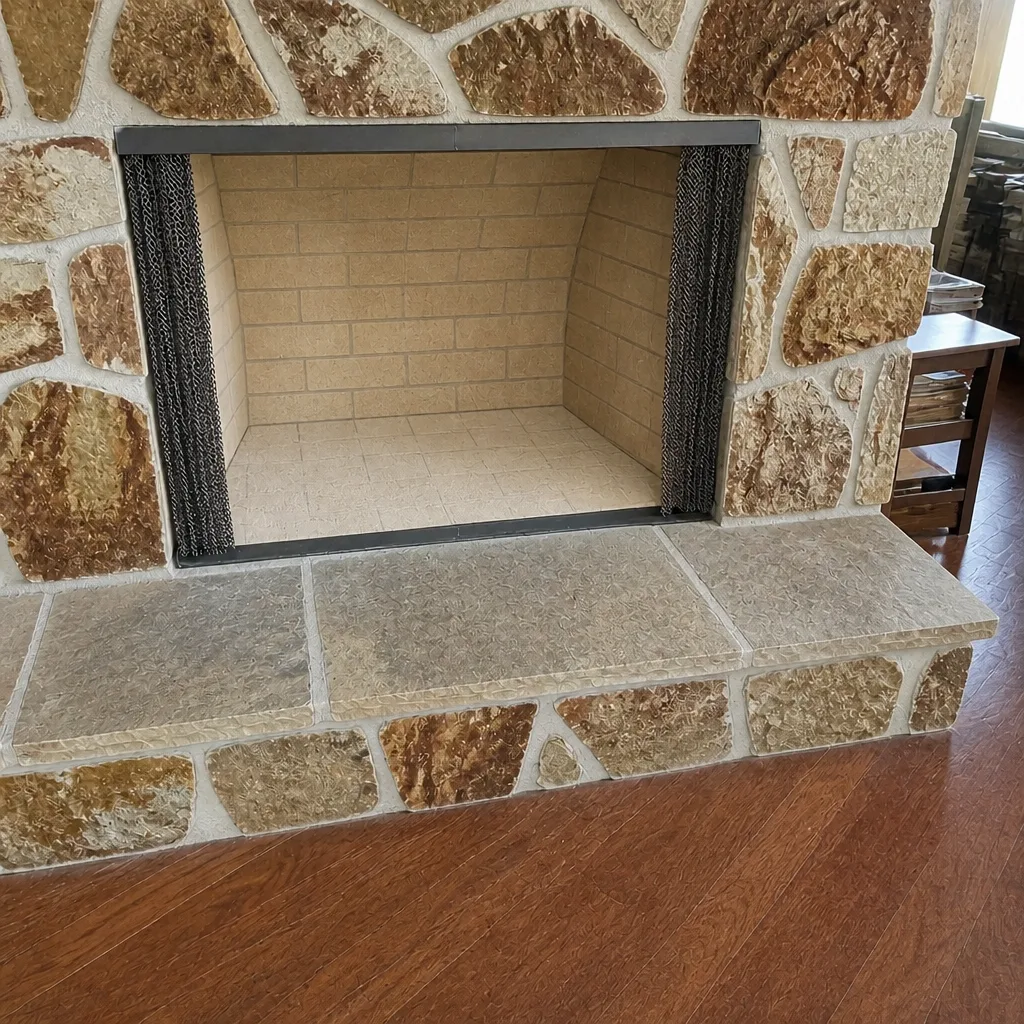 After
When to Call a Professional
You should call a professional after the last fire of the season if you’ve never had a post-season inspection, or before the first fire if you can’t remember the last sweep. Call sooner if you notice smoke spilling back into the room, a strong creosote or musty smell from the firebox, a water stain near the chimney, an obviously damaged cap or crown, or a dryer that’s taking longer than it used to. Call us when you’re ready to schedule, and we’ll be clear about what the visit covers and what the inspection found. Chimney Sweep Riverview offers free estimates in Riverview – call (844) 834-1749. We answer 24/7. Fast dispatch, 7am-7pm.
Frequently Asked Questions
Once a year before the burning season is the baseline, and the post-season inspection in March catches moisture damage before the humid summer. If your fireplace sees heavy use across the season, or you burn wet wood, an additional sweep mid-season may be worth it. The annual visit is the minimum, not the maximum.
Yes. The post-season inspection is about what the off-season does to the chimney, not what the fire did. Masonry and sealant take on moisture whether you burned ten fires or fifty. A March inspection is what catches crown cracks, cap movement, or flashing failure before the wet months widen them.
Small problems get bigger. A hairline crown crack becomes an open crack. Flashing lifts further. A cap that’s lost a fastener comes loose in a storm. At the same time, a lining that was fine when you stopped burning can develop cracks from moisture cycling and thermal stress. None of that is dramatic on its own. Together, over a few years, it turns a routine cleaning into a repair.
At least once a year for a typical household. Homes with pets, larger families, or long duct runs should aim for every six months. Any time the dryer starts taking longer to dry a load, treat it as a signal to get the vent checked.
A sweep cleans the flue and inspects the components. A repair visit brings the materials and skills to address what the inspection found: crown repair, liner work, cap replacement, flashing re-sealing, or HeatShield resurfacing. Both are on our service list, and both live under the same call.
The pre-season sweep belongs in October, before the first fire. The hurricane-season exterior check belongs in May, so cap, crown, and flashing are solid before storm season. The two don’t overlap, and together they cover the full year. Call (844) 834-1749 to book either one – estimates are free.
The Bottom Line
A Riverview chimney maintenance schedule isn’t a redesigned version of the national calendar; it’s a different one. Two peaks matter most here: an October sweep before the short burning season, and a March inspection after it, so moisture damage is caught before the humid months get to work. The exterior – cap, crown, and flashing – gets its own check before hurricane season. A lightly used fireplace still needs the annual visit, because the climate doesn’t care how often you burn. The dryer vent sits on the same calendar, with a baseline clean once a year and more often in high-lint homes. Where a repair is needed, specification-grade materials make the difference between a patch and a fix. Call (844) 834-1749 for a free estimate. We answer 24/7. Fast dispatch, 7am-7pm.
Written by the team at Chimney Sweep Riverview.