
Last updated November 15, 2026
 Sweep & inspection
 Caps & crowns
 Flue relining
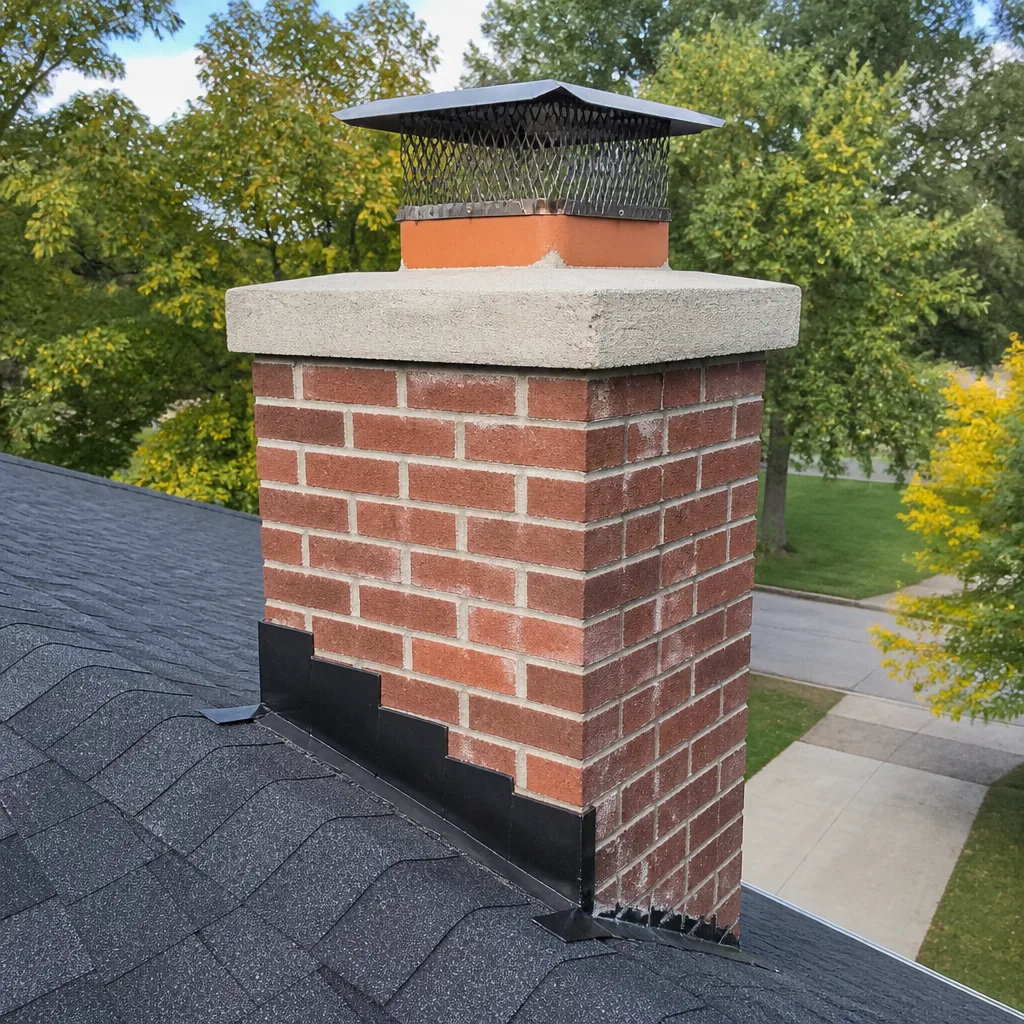 Masonry repair
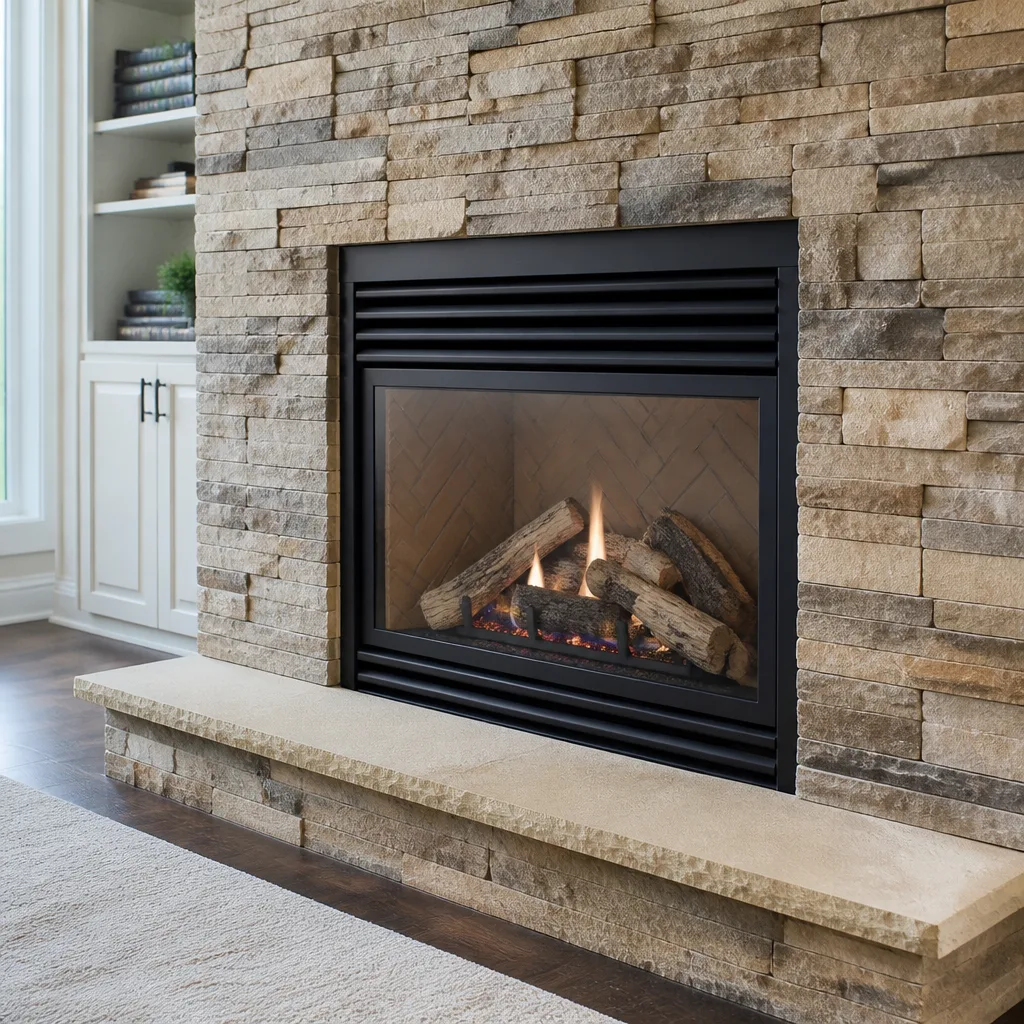 Gas fireplace service
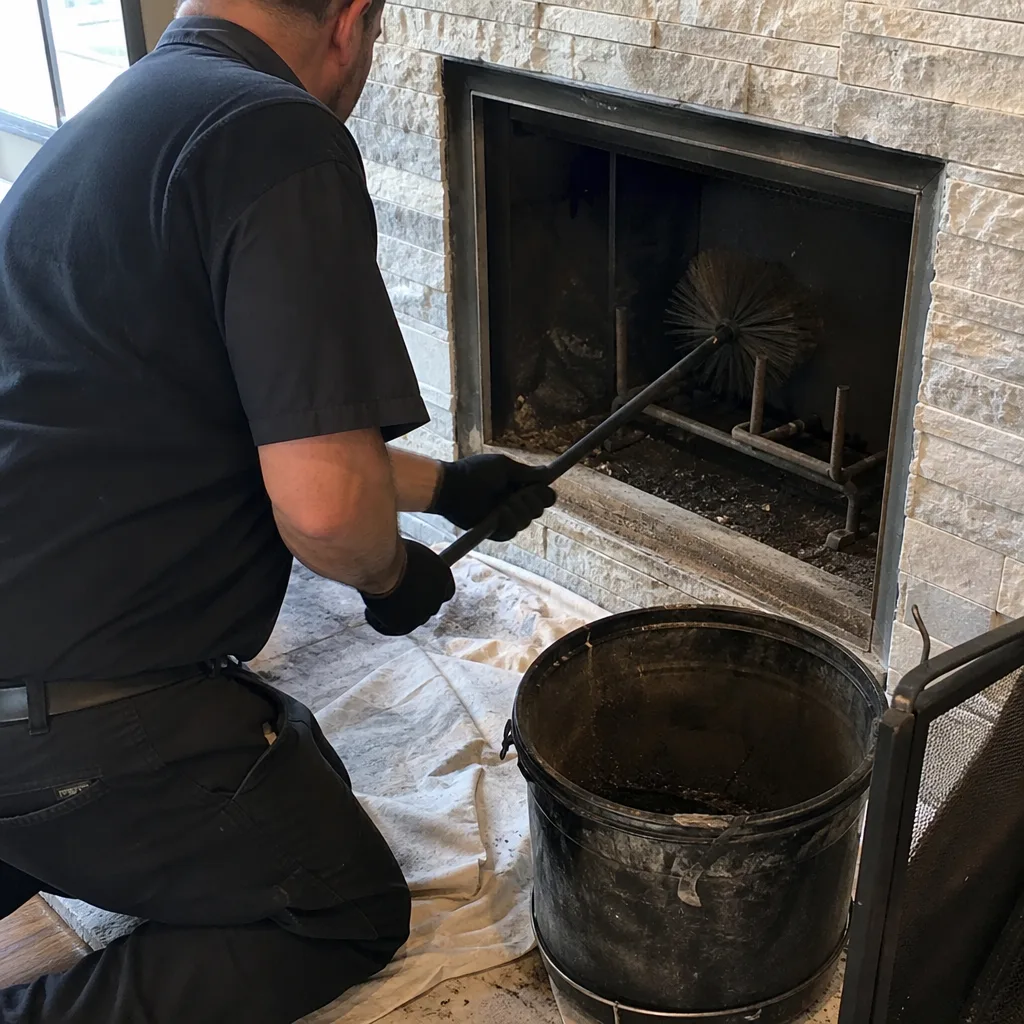
Level 1 sweep and inspection to the NFPA 211 annual standard - flue, crown, cap, and flashing checked and photographed
Chimney sweep logs do not sweep chimneys. They loosen some creosote - which then falls where a brush and vacuum still have to collect it.
Choosing the Right Chimney Cleaning Brand: A Buyer’s Guide for Riverview
Here’s the part of chimney care nobody puts on the estimate: the products have brand names, and those brands publish performance specifications. The crown coating applied to your chimney top, the sealant behind your liner, the cap on the flue, the stainless system holding it all together – each one comes from a specific manufacturer with a specific data sheet. Most homeowners in Riverview never think to ask which products are going into their home. That’s a gap worth closing. This guide walks you through the product categories that actually matter, what the difference between consumer-grade and contractor-grade really means, and the exact questions to ask so you can tell a specification-grade chimney sweep from one using whatever’s cheapest at the supply house. You’ll learn what those product lines do in Riverview’s humidity, and how to ask about them without turning the conversation into an interrogation.
Quick Answer
The right chimney cleaning brand is the one whose products carry published specifications, come from contractors’ supply lines rather than hardware-store shelves, and match the job at hand. For flue repair that means a flexible stainless liner like DuraFlex that adapts to offset flues, and a resurfacing system like HeatShield engineered specifically for deteriorating flue interiors. Ask your contractor to name the brands they install, ask why they chose them, and ask to see the product spec sheet before work begins.
Styles & brands we work with
- Sweep & inspection
- Caps & crowns
- Flue relining
- Masonry repair
- Gas fireplace service
Table of Contents
- What product categories should you ask about?
- What makes a chimney brand “professional grade”?
- Consumer-grade vs. contractor-grade materials
- Why product selection matters more in Florida humidity
- Liner systems: where brand choice has the biggest impact
- How to ask about product lines without sounding adversarial
- What “same products as commercial contractors” actually means
- Red flags in a product conversation
What product categories should you ask about?
Chimney work touches four distinct product categories, and each one has its own quality spectrum. When a technician in Riverview talks through a repair, they’re almost always working within one of these groups. Knowing them lets you ask informed questions instead of nodding along.
Flue sealants are the compounds used to close joints, seal around the top plate, and lock out moisture. Creosote modifiers are chemical treatments that alter how creosote deposits behave, making them easier to remove on the next sweep and reducing ignition risk between cleanings. Cap materials are the metal or composite components that top off the flue and keep rain, animals, and airborne debris out. Liner systems are the stainless steel conduits inserted into the flue to contain combustion products and restore a chimney’s safe function.
Each category has contractors’ brands and consumer brands. The contractor lines are the ones with published performance data, tested compatibility with one another, and warranty terms written for professional installation. The consumer lines are meant for off-the-shelf weekend work. They rarely come with data sheets, and their warranties tend to be thin.
- Flue sealants – performance graded on temperature tolerance, flexibility, and moisture resistance
- Creosote modifiers – evaluated on deposit reduction and wood-burning compatibility
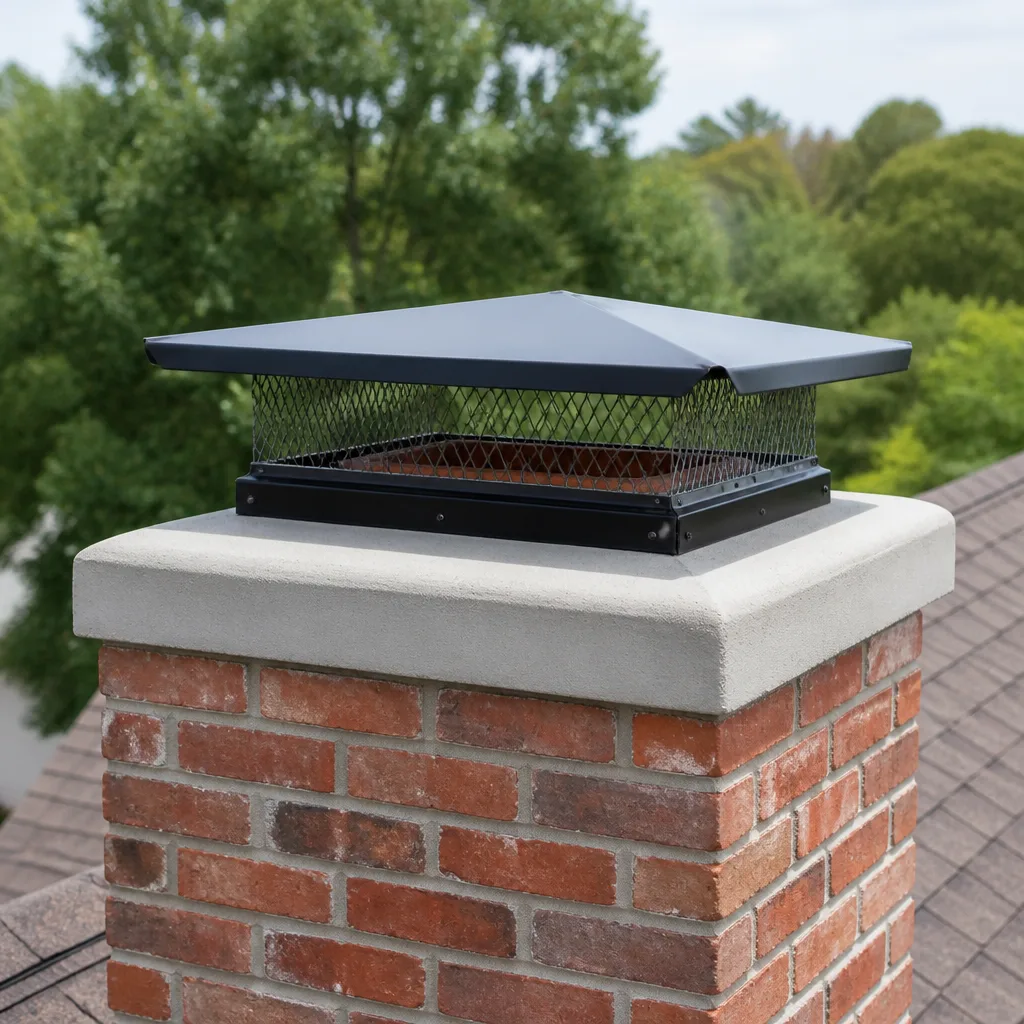
- Cap materials – judged on weather rating, fastener quality, and fit
- Liner systems – measured on flexibility, offset handling, service life, and warranty
When you call Chimney Sweep Riverview, the technician can name the brand and product behind each category on your particular job. That’s the baseline every homeowner should expect.
What makes a chimney brand “professional grade”?
A professional-grade chimney brand is one sold through contractor supply channels, backed by published performance specifications, and supported by a manufacturer that expects the product to be installed by trained professionals. That’s it. The label isn’t marketing – it’s a description of the distribution channel and the technical documentation that comes with the product.
Contractor brands show up in a few consistent ways. They publish spec sheets with tested performance values. They list installation requirements so an inspector can verify the work met the manufacturer’s conditions. They carry warranties written for professional installations, not homeowner ones. And they hold compatibility with other contractor-grade products in the same category, so the whole system behaves as intended.
Consumer brands, by contrast, are sold to make weekend repairs possible. That’s a legitimate use, but it isn’t the use a chimney needs. Consumer products tend to skip specification publishing because they aren’t engineered for the temperature cycling, moisture exposure, and life span a chimney endures. They also aren’t designed to be inspected later against a manufacturer’s instructions.
In practice, the portfolio a technician works with tells you their standards. Brands like HeatShield for resurfacing, DuraFlex for liner work, and Famco and Gelco for cap and cover components are the names professionals specify. When you ask a chimney sweep in Riverview which brands they install, listen for whether the answer includes spec-sheet material or just a generic “whatever’s best.” The first is a professional answer.
Consumer-grade vs. contractor-grade materials
Consumer-grade chimney products and contractor-grade products look similar on the outside. The difference shows up in the spec sheets, and it compounds over the life of the system. What contractors know, and most homeowners don’t, is that the specs are usually available on request – and always worth asking for.
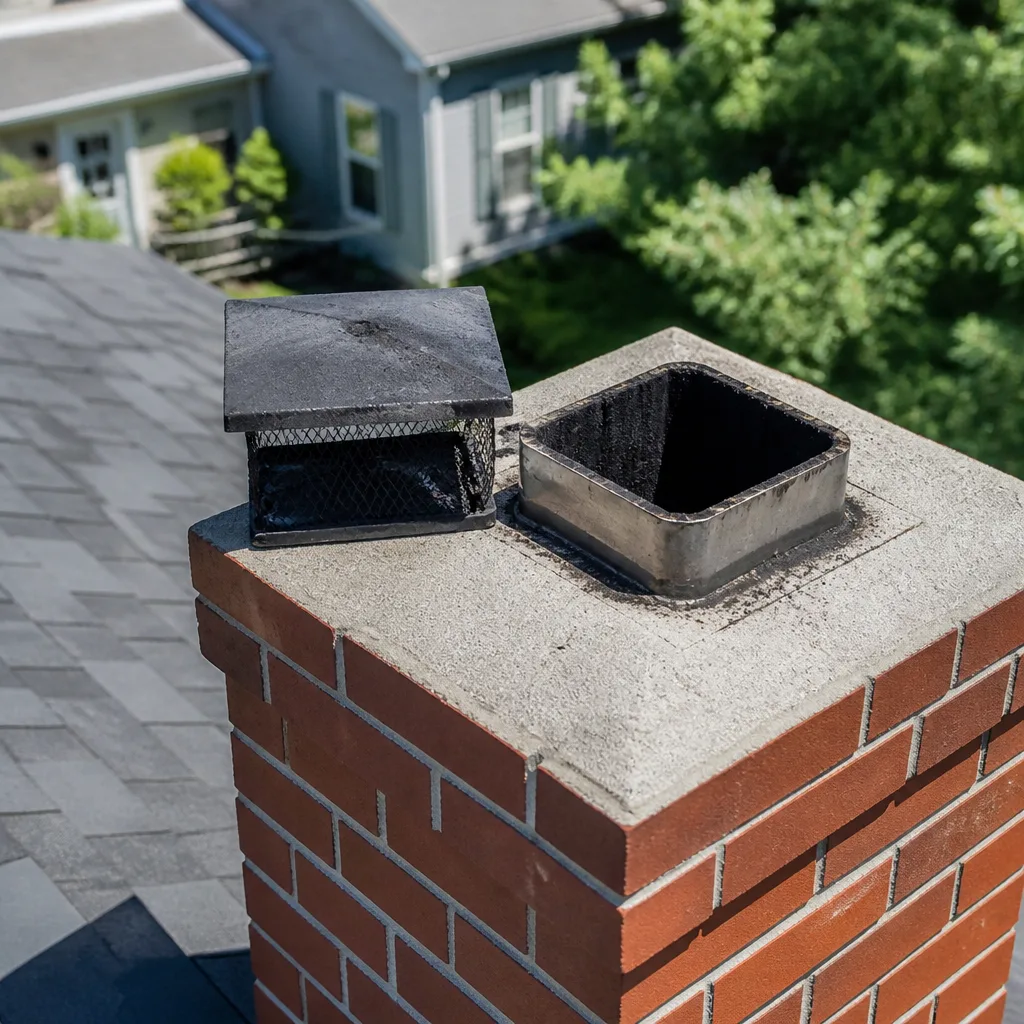
For a crown coating, the spec sheet tells you the temperature range the product tolerates before it cracks, how it bonds to masonry, and how it performs through repeated wet-dry cycles. Consumer products often publish nothing beyond “for chimney use.” Contractor lines publish the numbers. That matters for a Riverview chimney because high summer humidity and glancing tropical rains work on exterior surfaces year-round. A crown coat that skips the performance data is a coat you’re trusting by gut feel.
For flue sealants, the spec sheet describes flexibility after curing, adhesion under heat cycling, and moisture resistance. Consumer sealants that harden in months will crack and let moisture in. Contractor sealants are engineered to stay flexible so the seal survives the expansion and contraction a burning chimney produces.
| Category | What the spec sheet shows | What to ask |
|---|---|---|
| Crown coating | Temperature tolerance, moisture resistance, adhesion | Which brand, and what’s the spec sheet’s temperature range? |
| Flue sealant | Flexibility after curing, heat-cycle adhesion | Will you show me the product data before you apply it? |
| Cap and cover | Weather rating, material grade, fastener quality | Which manufacturer, and is it a built-for-purpose cap? |
| Liner system | Flexibility, offset capacity, service life, warranty | Which liner system, and does it handle my flue’s offsets? |
None of this requires you to become a materials expert. It requires you to ask, and to notice when the answer is specific versus vague.
Why product selection matters more in Florida humidity
Florida humidity loads a chimney differently than the dry climates most chimney product literature is written against. That’s not a marketing claim – it’s a plain observation about how moisture behaves. Warm, humid air holds water vapor against exterior masonry and metal components year-round, and any product that tolerates moist conditions on paper still needs to prove it in a Riverview climate.
Moisture resistance is the spec that matters most for a Riverview chimney. Crown coatings that aren’t rated for high humidity will draw water, spall, and crack within a season or two. Liner systems that weren’t designed for humid interior conditions can corrode at joints where condensation collects. Caps that fit poorly in a driving rain will let water into the top of the flue, where it reacts with creosote deposits and drives deterioration from the inside out.
The dryer vent is part of the same picture. Warm, humid laundry exhaust moving through a duct under a Florida-roof attic hits condensation cycles that dry climates don’t see. A dryer vent cleaning and inspection in Riverview is worth scheduling alongside your chimney sweep because the humidity makes both systems more sensitive to buildup. You can learn more about that separate service on our dryer vent cleaning page.
What should you ask about moisture specs? For a crown coating, ask the manufacturer’s humidity rating and how it’s tested. For a liner, ask about corrosion resistance and joint-sealing approach. For a cap, ask the material grade and how it handles wind-driven rain. Contractors who work in Riverview know these questions because their installs live in this climate. If a technician brushes past them, that’s a sign.
Liner systems: where brand choice has the biggest impact
Liner systems are the category where brand choice matters most. A liner is the stainless conduit running from the top of the chimney to the appliance. It contains combustion products, protects the masonry, and restores a chimney that’s lost its original clay tile integrity. Replacing or installing a liner is the largest-dollar repair most homeowners face, and the product choice sets its service life.
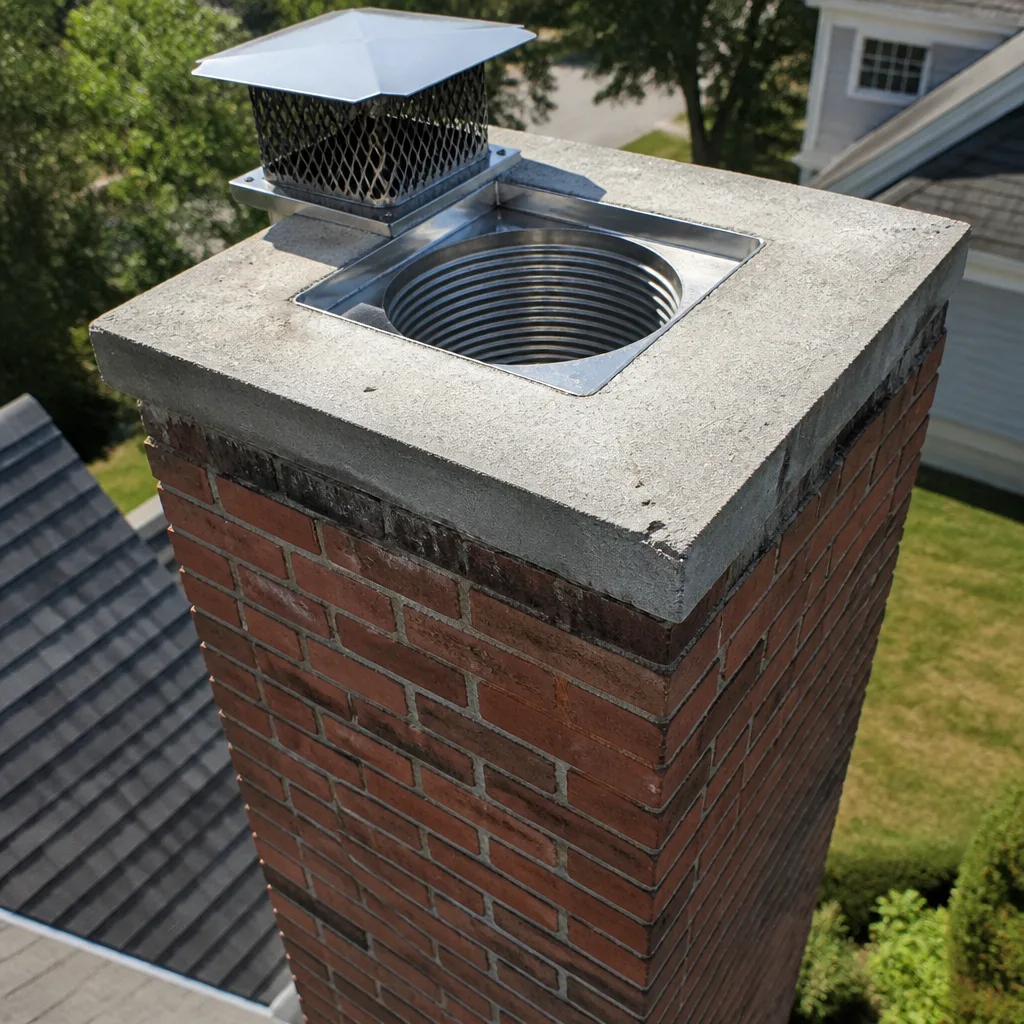
Professional chimney contractors work from a small set of liner systems because the products have to meet specific installation conditions. DuraFlex is a flexible stainless system that adapts to offset flues – a technical capability that rules out rigid liner approaches on many older homes. In Riverview, where a mix of vintage and newer construction means a variety of flue layouts, a flexible liner that can navigate offsets often means the difference between a repairable chimney and one that needs more structural work.
Resurfacing is a separate category. HeatShield is a resurfacing product engineered for flue deterioration. It’s applied to a deteriorating flue interior to restore a smooth, sealed surface – not patched with generic mortar, which is a different repair with a very different expected life. When a technician tells you they’ll “coat” a flue, the right follow-up question is: with what brand, and how is that coating different from a mortar skim coat?
- Ask which liner system they’ll use and why.
- Ask whether the system handles your flue’s geometry, including offsets.
- Ask what warranty the manufacturer offers for professional installation.
- Ask for the product spec sheet before signing the estimate.
- Ask whether the estimate includes the manufacturer’s installation requirements so the install can be verified later.
Our technicians have up to 8 years of experience, and they work with DuraFlex and HeatShield as part of a broader contractor-grade portfolio that includes Olympia Chimney and Copperfield components. That’s not a sales point – it’s a way of saying the materials are the ones the manufacturers designed for professional installation, not consumer substitutes.
How to ask about product lines without sounding adversarial
The most useful thing you can do as a homeowner is ask clean, specific questions. Not because you’re trying to catch anyone out, but because specification-minded contractors appreciate the conversation. They’d much rather you understand the products than nod politely. Here’s a simple script you can adapt.
Start with what you’re looking at. “Can you tell me what brand of product you’d use for this repair, and why that one?” That single question opens a substantive conversation. If the answer is a specific brand and a specific reason (temperature tolerance, offset handling, warranty terms), you’re working with a specification-minded contractor. If the answer is a shrug, you’ve learned something useful.
Follow with the spec sheet question. “Can I see the spec sheet for that product before I sign?” A contractor who works with contractor-grade materials can produce this without friction. A contractor working from hardware-store stock usually can’t.
Ask about the difference between product families. “What’s the difference between a crown coat and a mortar skim coat?” Or: “Is a DuraFlex liner different from a rigid liner for my flue shape?” These are legitimate technical questions any qualified professional will enjoy answering.
Ask about interaction. If your chimney needs a cap, a crown coat, and a liner, ask whether the products come from manufacturers who expect them to work together. Contractor-grade manufacturers design for that. Consumer products often don’t.
And keep the tone light. “I’m trying to understand what’s going in, not question your judgment” is a fine thing to say. In our experience in Riverview, the conversation goes better when it’s framed as curiosity, because it usually is.
What “same products as commercial contractors” actually means
When a chimney company says they use the same products commercial contractors do, three things should follow. Material grade, warranty, and expected service life all change as a result. It’s worth explaining what each one means in practice.
Material grade. Commercial and contractor products are built with higher-grade alloys, denser compounds, and tighter manufacturing tolerances than consumer products. A cap that’s rated for commercial installation is a cap that survives the same UV, moisture, and wind loads a residential installation will throw at it – with margin left over. A commercial-grade liner system performs the same job with a stainless alloy rated for the combustion byproducts it sees.
Warranty. Manufacturer warranties on contractor-grade products are typically written for professional installation with specified conditions. They give the homeowner a defined remedy if the product fails within the warranty period. Consumer products often carry limited warranties whose terms are hard to enforce and thin enough not to matter when something goes wrong.
Expected service life. Contractor products are designed for the decades between installations. That’s the point of the spec sheet: the manufacturer documents the conditions the product is expected to meet, and the product is engineered to meet them for a defined time. Consumer products aren’t documented that way because they aren’t expected to last as long.
In short, “we use the same products as commercial contractors” is a claim about three things at once – grade, warranty, and design life. When a contractor makes the claim, they should be able to back it with a spec sheet. Ours can.
Red flags in a product conversation
Some answers are worth noting. None of them is automatically disqualifying, but a pattern of them is a signal you’re not talking to a specification-minded contractor.
- “We use whatever’s best.” Specificity is the whole point. A contractor should be able to name the brand and the reason.
- No spec sheet available. If they can’t produce product documentation, the products may not have any.
- Brand names that don’t match the job. A cap brand being used for crown coating, or a cleaning compound being described as a liner, is a sign the portfolio isn’t real.
- Price-only answers. A quote built entirely on price with no product detail is a quote that traded specs for the supply-house bargain bin.
- No mention of offset handling. If the flue has offsets and the liner system doesn’t address them, that’s a sign the product may not be right for the flue.
- Resurfacing described as “patching.” HeatShield and similar products are engineered systems. A patch is a patch. The two shouldn’t be used interchangeably.
- No description of manufacturer installation requirements. Contractor-grade products come with installation specs. If the installer doesn’t mention them, they may not be following them.
Common Mistakes to Avoid
- Treating a sweep like a commodity. Price is only one input – the products going in can matter over years. A cleaning visit at one price with consumer-grade materials and a cleaning-and-repair visit at another with specification-grade ones aren’t the same service.
- Not asking about the brand at all. Homeowners often sign estimates without ever asking what products will be used. That’s the single biggest mistake – it’s a five-word question and it opens up everything.
- Skipping the spec sheet. If a contractor can produce it, that’s a contractor to trust more. If they can’t, that’s information.
- Confusing coast-mild weather with material tolerance. A chimney in Riverview sees high humidity year-round. Materials that perform well in dry climates may underperform here. Ask about moisture and humidity ratings specifically.
- Assuming any stainless liner is the same. Stainless grades and flexibility differ. A flexible liner system like DuraFlex that handles offsets is a different product than a generic rigid liner.
- Overlooking the dryer vent. Many homes in Riverview treat the chimney as the only fire-safety concern. The dryer vent is a second one, and the same conversation about specified products applies to the ducting and terminations.
- Not getting an estimate in writing. A written estimate sets the final price and specifies the products. Verbal scope leaves too much open.
See the difference
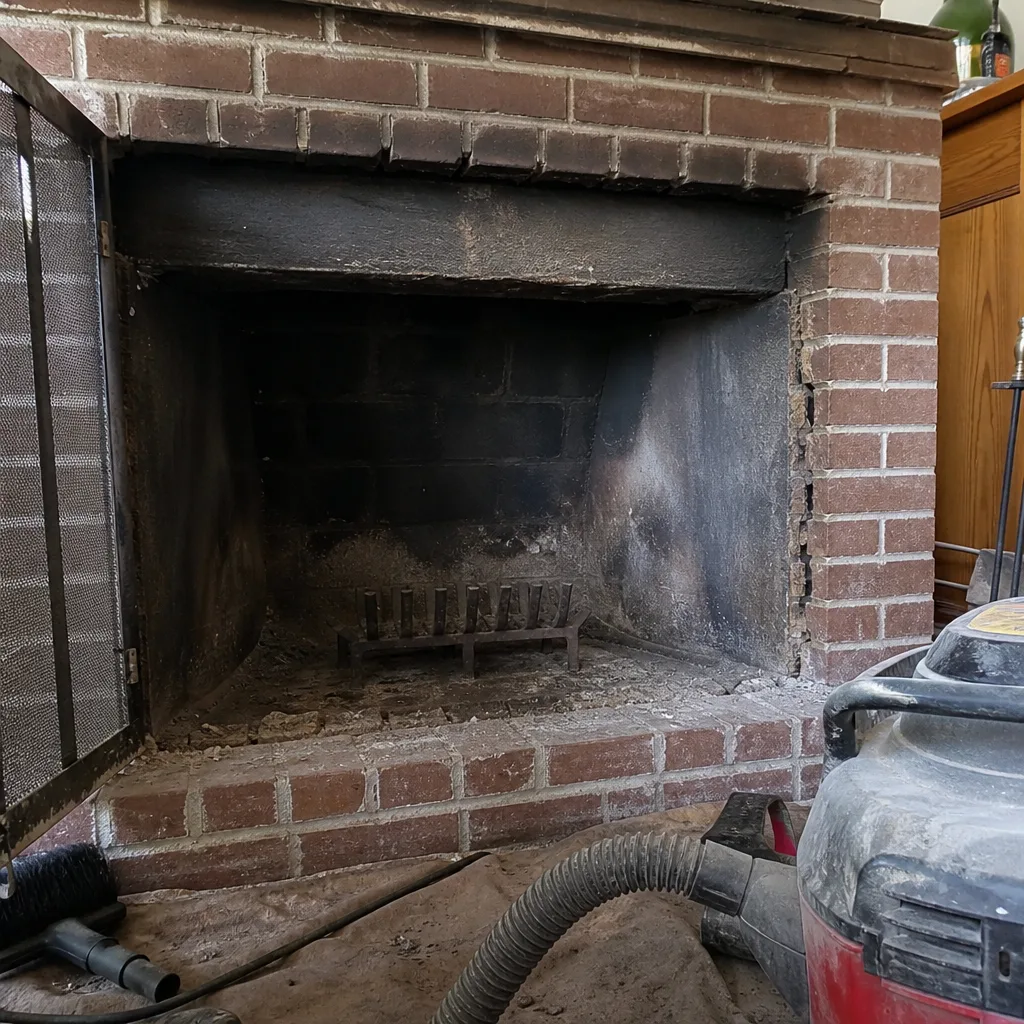 Before
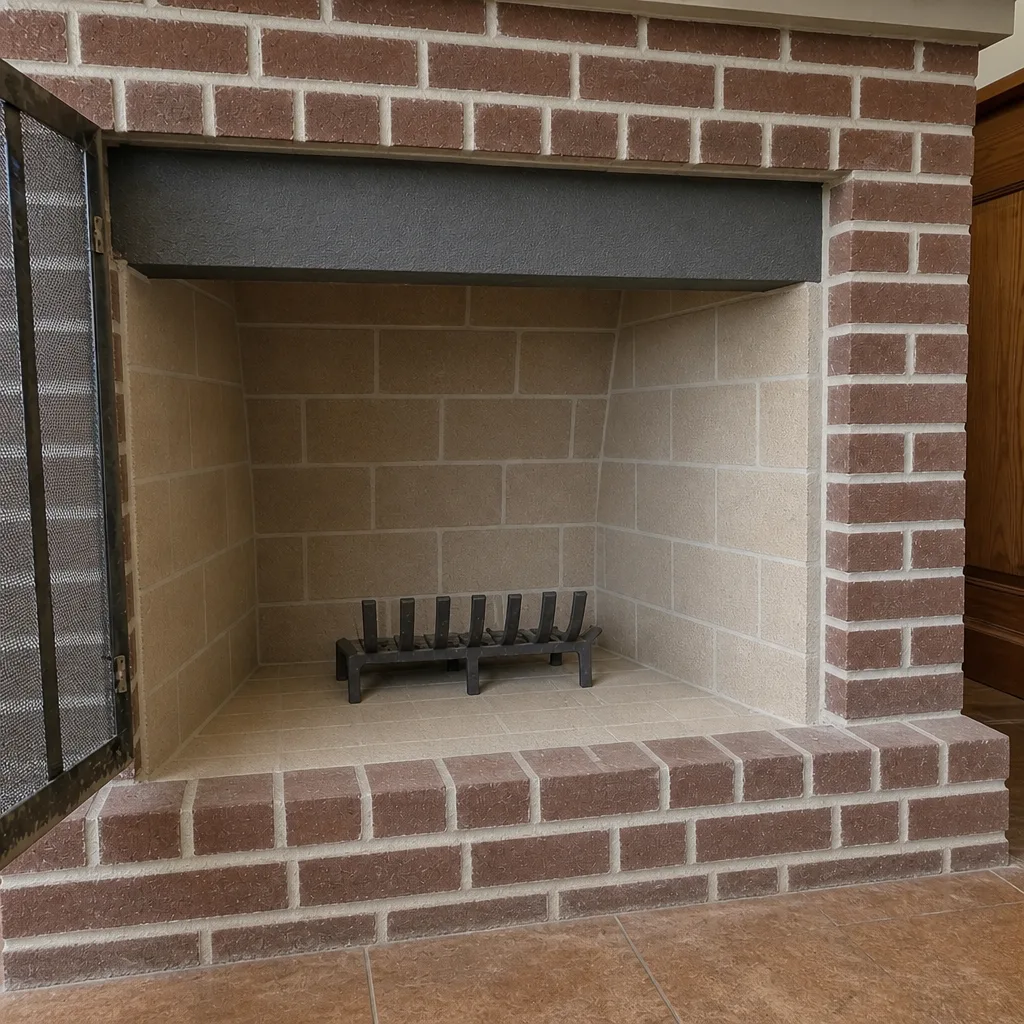 After
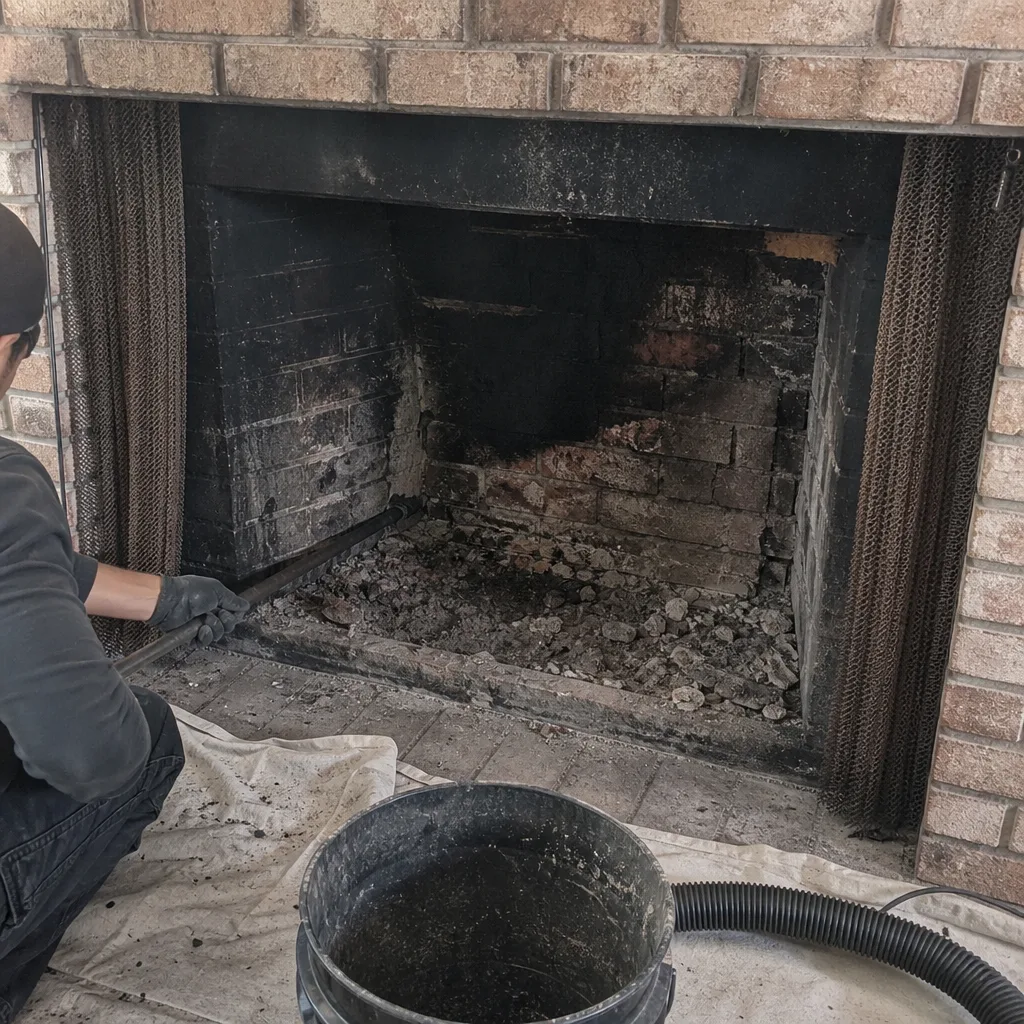 Before
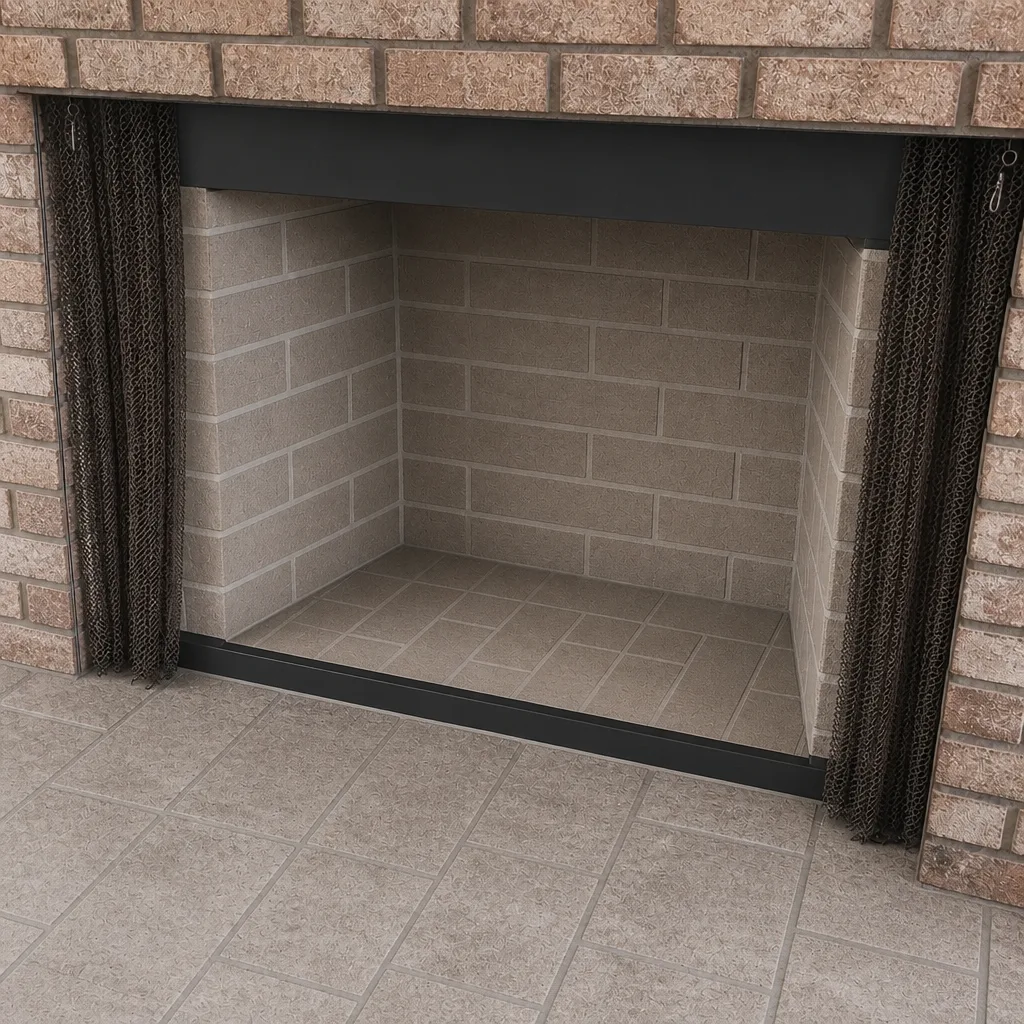 After
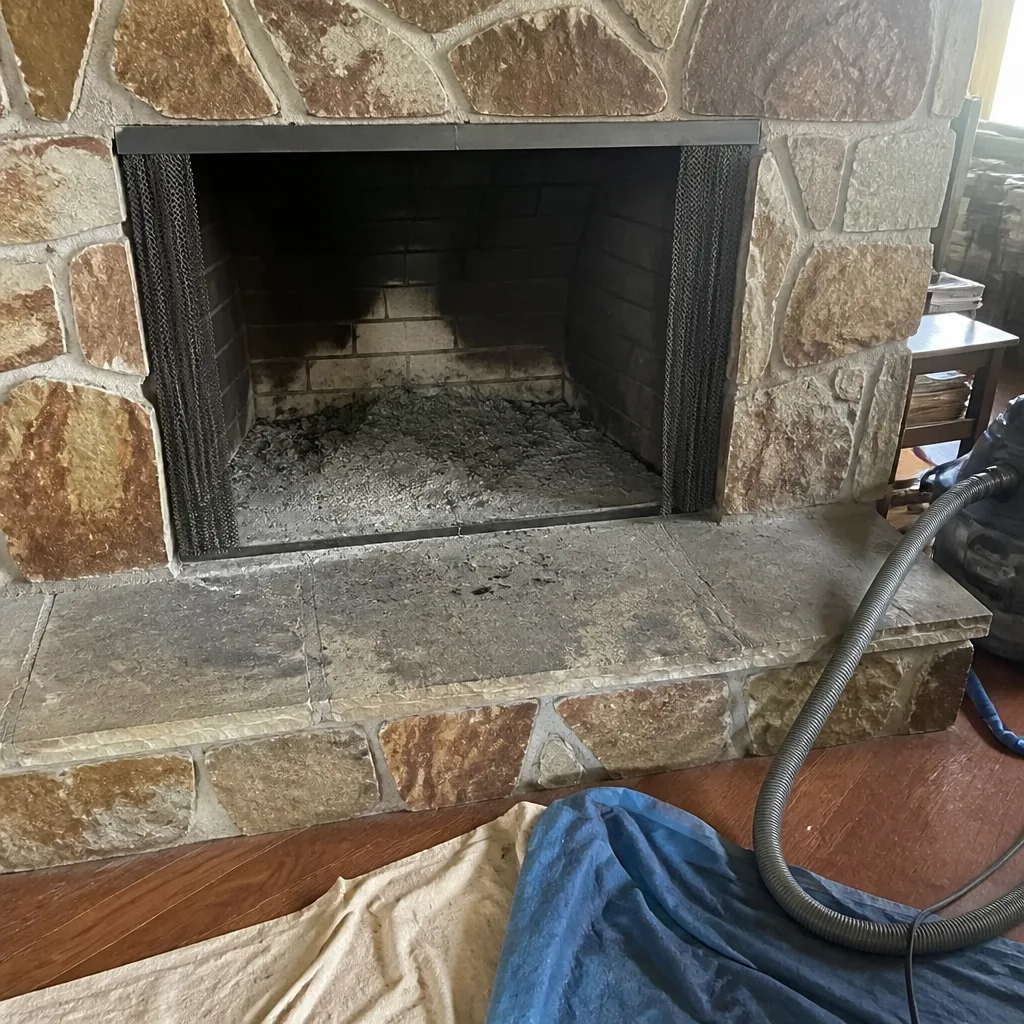 Before
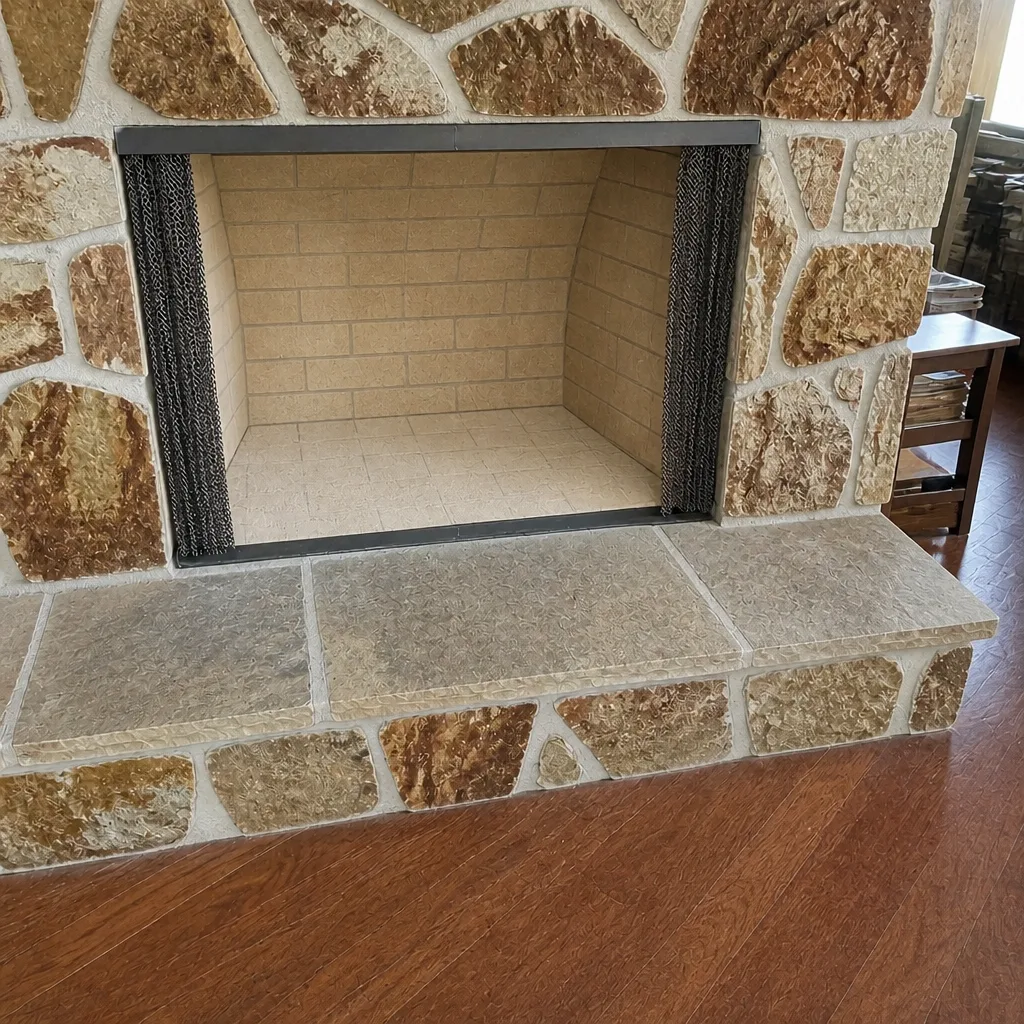 After
When to Call a Professional
If your chimney is showing outward signs of deterioration – a crown that’s cracked, a cap that’s loose or missing, visible spalling on the masonry, or a flue that’s leaking at the joints – it’s time to have it looked at. If a seasonal sweep turns up heavy creosote buildup, that’s the moment to ask about the products your sweep would use for repair. And if your gas appliances or dryer are showing performance changes – longer dry times, backdrafts in the chimney, or moisture on the flue – product selection is part of the conversation.
Chimney Sweep Riverview offers free estimates in Riverview – call (844) 834-1749. The team works with DuraFlex, HeatShield, Famco, and Copperfield on repair work, and dryer vent cleaning is a dedicated service line, not an afterthought. Sweep, repair, and dryer vent can be scoped together so a single visit answers multiple questions. We tell you what we found, show you the product spec sheets, and give you a written estimate before anything happens.
Frequently Asked Questions
Riverview chimney sweeps typically fall in the $180-$340 range for a standard cleaning visit, with the written estimate setting the final price. Repair work involving liners or resurfacing is quoted separately because the products differ in cost and installation requirements. Call (844) 834-1749 for an exact quote – estimates are free.
Not always. A new liner is recommended when the flue’s integrity is compromised – cracked clay tiles, gaps at joints, or deteriorated mortar that no longer contains combustion products. A camera inspection and photo report should be part of the answer, so you can see the condition of the flue yourself before any work is scoped. Ask your contractor to show you what they found. Call (844) 834-1749 to book an inspection.
Most actively used chimneys are swept once a year, typically before the heating season. Chimneys without heavy use can go longer, but the sweep should still happen on a schedule you can predict – buildup isn’t visible from outside the flue. Dryer vents should be checked on a similar cadence. Call (844) 834-1749 to schedule.
Creosote accumulates inside the flue with every fire, and once it reaches the right concentration it becomes a fire hazard. Blockages can also back carbon monoxide into the home instead of venting it up and out. Skipping a sweep doesn’t create a problem on day one, but it lets a known one build. Call (844) 834-1749 for an inspection – the estimate is free.
Because the products that go into your chimney are the parts that will still be there years from now. DuraFlex gives a flexible liner option for offset flues. HeatShield resurfacing restores a deteriorating flue with a system engineered for the job rather than a mortar patch. Famco and Copperfield products supply built-for-purpose caps and covers. Contractor-grade means the products carry spec sheets and manufacturer installation requirements – not that the price is higher. Call (844) 834-1749 to talk through what your chimney needs.
Yes. High year-round humidity puts moisture stress on crown coatings, cap materials, and liner joints in ways dry climates don’t produce. The spec sheet’s moisture resistance rating matters more here than it would in a drier part of the country, and the products we install are chosen with that in mind. If your chimney needs a repair, call (844) 834-1749 for a free estimate, and we’ll walk through the product data with you.
The Bottom Line
Chimney products have brand names and published specifications, and those specs are the difference between a repair that lasts and one that doesn’t. Ask which products your contractor installs, ask why, and ask to see the spec sheet before work begins. In Riverview, where humidity loads exterior surfaces year-round, moisture resistance specs matter more than in drier climates. Contractor-grade materials – DuraFlex for flexible liners, HeatShield for flue resurfacing, Famco and Copperfield for caps and covers – come with defined warranties and expected service life. Consumer products don’t. And you never owe anyone a technical expertise to ask the question – a specification-minded sweep will be glad you did.
Call Chimney Sweep Riverview at (844) 834-1749 for a free estimate. We answer 24/7. Fast dispatch from 7am to 7pm, Sunday through Friday. The team here works with DuraFlex, HeatShield, Olympia Chimney, Famco, and Copperfield across sweep, repair, and dryer vent cleaning – and when you want to know why a specific product is the right one for your Riverview home, they’ll show you the spec sheet. Sweep, repair, or vent – pick the call, and we’ll tell you what we find.
Written by the team at Chimney Sweep Riverview.